


bgunderlay bgunderlay bgunderlay
123

General IP address queries

General IP address queries refer to a type of message used in the Internet Group Management Protocol (IGMP), which is a TCP/IP network layer protocol. These queries are used for informing routers of the availability of multicast groups on the network. By default, the source IP address of IGMP general queries is the IP address of the current VLAN interface. Routers send these general queries to determine which hosts belong to multicast groups on the network segment. The IANA has assigned 224.0.0.1 as a general query address for IGMP version 1. The source IP address for IGMP general queries can be configured to avoid issues related to the default address. The purpose of these queries is to manage multicast group membership within a network.

Configuring the source IP addresses for IGMP messages in a VLAN

To configure the source IP addresses for IGMP messages in a VLAN, you can use the following syntax:

  • For Cisco switches, you need to configure an IP address on the VLAN interface. When enabled, the IGMP snooping querier uses the IP address as the query source address. The command is:  

interface vlan <vlan-id> 

ip address <ip-address> <subnet-mask>

  • For HPE switches, you can configure the source IP address for IGMP messages using the following commands:
    • To configure the source IP address for IGMP general queries:

vlan <vlan-id>

igmp-snooping general-query source-ip <ip-address>

  • To configure the source IP address for IGMP reports:

vlan <vlan-id>

igmp-snooping report source-ip <ip-address>

  • To configure the source IP address for IGMP leave messages:
    • vlan <vlan-id>
    • igmp-snooping leave source-ip <ip-address>

These commands allow you to set the source IP addresses for various types of IGMP messages in a specific VLAN on Cisco and HPE switches.

How to troubleshoot IGMP issues in a VLAN

To troubleshoot IGMP issues in a VLAN, you can follow the guidelines and commands from the search results:

  1. Check IGMP Snooping Configuration:Verify if IGMP snooping is enabled globally and in the specific VLAN
  2. Verify VLAN Interface IP Address:Ensure that the VLAN interface has an IP address configured, which is used as the source address for IGMP messages
  3. Check Multicast Configurations:Verify that there are no conflicts in multicast configurations, such as disabling dynamic learning of multicast entries on user interfaces or VLANs
  4. Debug IGMP Snooping:Use the command 

How to verify if IGMP snooping is enabled on a VLAN interface

To verify if IGMP snooping is enabled on a VLAN interface, you can use the following commands:

  • For Huawei switches, you can use the following command to check the IGMP snooping configuration in a specific VLAN:

display igmp-snooping vlan <vlan-id> configuration

  • For Cisco switches, the command to enable IGMP snooping on a specific VLAN is:

ip igmp snooping vlan enable

By using these commands, you can verify the IGMP snooping configuration on the respective switch platforms.

What is the command to disable IGMP snooping on a VLAN interface

The command to disable IGMP snooping on a VLAN interface varies depending on the device. Here are the commands for different platforms:

  • For Cisco switches, the command to disable IGMP snooping on a specific VLAN is:

no ip igmp snooping vlan <vlan-id>

  • For H3C devices, the command to disable IGMP snooping in the current VLAN is:

undo igmp-snooping enable

By using these commands, you can disable IGMP snooping on the specified VLAN for Cisco and H3C devices.

Fees for IP Address in 2024

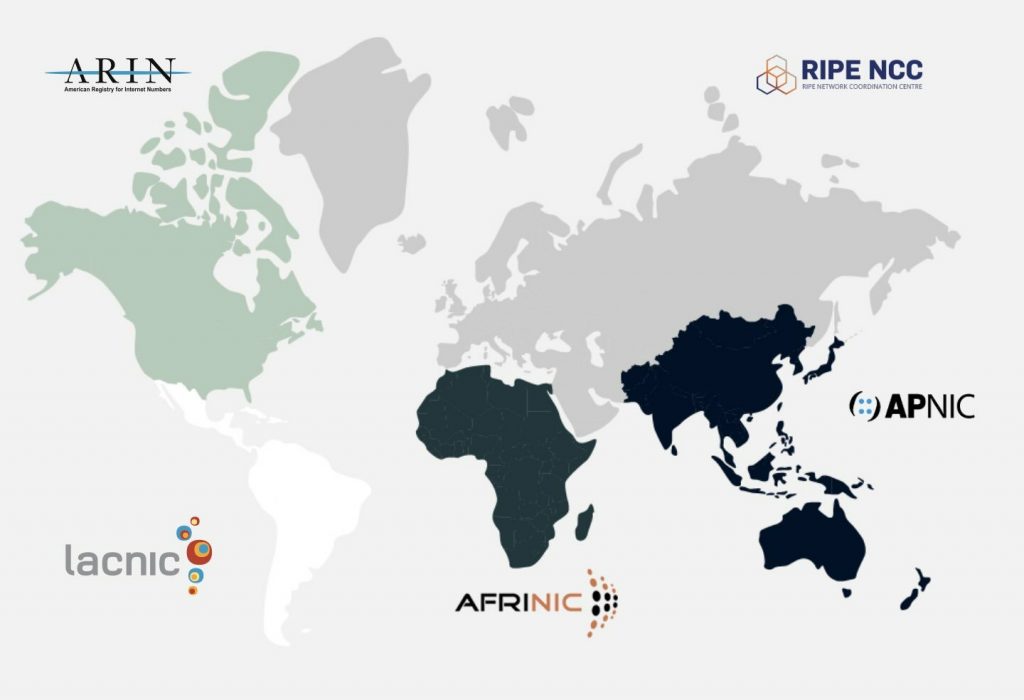
Property refers to anything we possess or have control over, such as physical assets like real estate or intangible assets like brand names and unique content. Managing and owning intangible assets differs from physical assets, particularly when it comes to internet numbers and names. These can be obtained through contractual agreements with the Internet Assigned Numbers Authority (IANA), the main online registry overseeing web protocols, numbers, and names. Registration is crucial for protocols to work on specific ports, and the IANA publishes updated lists of all protocols. Each registry is managed and requires payment for registration to cover expenses. Currently, there are five regional registries for Number Resources, each charging varying fees to customers.

Roots Of System Development

During the early stages of the internet, DARPA, in collaboration with the Information Sciences Institute at the University of California, entered into a contract to handle the responsibilities of the Internet Assigned Numbers Authority (IANA). They created a list of identifiers called IP addresses to designate web locations or interfaces. As the internet rapidly grew, commercial traffic shifted online in 1992. This change led to two developments: global networks adopting internet connections and the American government seeking to reduce costs by privatizing the administration of domains and IPs. In response, the concept of regionalizing the registration of Internet Number Resources was introduced in 1992 through RFC 1446, promoting more diverse global user service. This led to the establishment of regional internet registries, such as RIPE NCC in Europe (April 1992) and APNIC in the Asia-Pacific region (1993). The privatization process in the United States resulted in the creation of the American Registry for Internet Numbers (ARIN) in 1997. Currently, there are five Regional Internet Registries (RIRs) responsible for managing IP registrations. Some regions also have National Registries (NIRs) that operate under the supervision of RIRs and primarily serve customers within a specific country. NIRs provide the advantage of local language support, adherence to local laws, and transactions in the local currency.

What’s Paid? (payment structure)

The fee structure and payment schedule vary for each Regional Internet Registry (RIR) or National Internet Registry (NIR). Customers are billed for three main aspects:

  1. Membership Charge: This fee grants the organization the right to register IP addresses and participate in voting within the registry.
  2. Non-Member Fee: Organizations that are not members of the registry are required to pay this fee to utilize the IP registration function.
  3. Transaction Charge: A charge is applied for any kind of IP address transfer.

Most organizations are either charged as membership registrants or non-membership customers. Being a member allows organizations to actively participate in RIR management activities through voting. However, certain restrictions may apply to some organizations that prevent them from becoming members or partnering with other companies. Additionally, some organizations may choose not to take on management responsibilities.

Setting IP address Fees by RIR

RIR members participate in board elections, and it is the board’s responsibility to propose and establish the fee schedule on an annual basis. In some regional RIRs, the authority to set fees is delegated to the individual registries. However, the standard procedure involves the board initiating the fee proposal, and the final decision is made through voting.

The process of determining IP fees may be perceived as uninteresting by some individuals. However, any modifications to the fees, including their amounts and methods of calculation, quickly attract significant attention within the online community.

Prices

In this guide, we will provide an overview of the fees charged by the RIRs in 2024 for 65,000 IPv4 addresses (a class B network).

Each RIR has its own fee structure, which varies based on the size of the IP address allocation and the payment schedule. The differences in fees can be substantial. For instance, RIPE NCC has eliminated differentiated charges and instead implemented a mandatory low commission for all customers. APNIC, on the other hand, sets a base charge and may apply additional fees or offer discounts based on the IP space and the organization’s location.

The fees are subject to an annual review, and in 2024, it is anticipated that the payments will increase.

Картинка №4

AFRINIC

There are seven tiers of fees for members based on the number of resources they manage, ranging from $3,150 to $48,400. Non-members are subject to fees ranging from $200 to $2,500 per year. AfriNIC’s policy allows transfers only under specific conditions such as emerging markets and acquisitions.

APNIC

The initial membership fee is set at 1,180 AUD, with additional payments based on the amount of IP space owned by the registrant. Payments are reduced by half for the poorest countries. The minimum annual charge is also 1,180 AUD. The cost for A/16 (Class B) IP space is 9,626 AUD. To enroll, a fee of 500 AUD is required. Transfers incur a charge of 20% of the annual membership fee.

ARIN

In 2022, the company established a fee cap of $150 for owners of legacy resources. The intention was to increase this amount by $25 annually. The plan includes eleven tiers of charges for registered organizations participating in the program. Transfers incur a fee of $500.

LACNIC

There are 23 fee levels for partner memberships, ranging from $600 to $365,000. The initial assignment cost depends on the size and can be either $2,500 or $5,000. Following that, there is an annual fixed cost of $600. A special offer allows for discounted fees if paid within 30 days. Transfers can be made without any commission charges.

RIPE NCC

All customers adhere to the same payment terms. In the previous year, the initial registration fee was 1,000 euros, and the annual fees amounted to 1,400 euros. Transfers incur no additional charges. Any surplus funds are distributed among the members.

Secure acquisition of IPv4 subnets: a step-by-step process

Introduction

In the vast and intricate world of internet networking, IPv4 subnets play a critical role. Despite the introduction and gradual adoption of IPv6, IPv4 remains extensively used due to its entrenched position in existing network infrastructures. An IPv4 subnet, essentially a segmented piece of a larger network, allows for more efficient and organised traffic management, enhances security, and facilitates compliance with certain regulatory requirements. The segmentation provided by IPv4 subnets is vital for optimizing network performance and managing the limited IPv4 address space effectively.

However, given the exhaustion of IPv4 addresses, acquiring these subnets has become increasingly challenging. The scarcity of IPv4 addresses has not only inflated their value but also complicated their acquisition process. This scarcity, coupled with the critical nature of these resources, underscores the need for a secure acquisition process. Securing IPv4 subnets involves navigating a market that is not only competitive but also rife with potential risks such as fraudulent sellers or non-compliant addresses.

The significance of IPv4 subnets in the current internet landscape cannot be overstated. They are crucial for the continuity and efficiency of many existing networks. Therefore, the process of acquiring these subnets must be approached with diligence, ensuring that transactions are secure, legally compliant, and align with the specific needs of the network. A structured, step-by-step acquisition process mitigates risks, ensures compliance with internet governance policies, and secures the investment made in these valuable digital assets.

Understanding IPv4 subnet acquisition

Definition of IPv4 subnets and their role in network architecture

IPv4 subnets are subdivisions of a larger network, segmented to create distinct, smaller network sections within the broader IPv4 address space. Each subnet operates with its range of IP addresses and a subnet mask, which determines the network portion of the IP address. Subnetting allows for efficient utilization of IPv4 addresses, enhanced network security, and improved performance due to reduced broadcast traffic. In network architecture, subnets facilitate organized IP address allocation, making it easier to manage network traffic, isolate network segments for security purposes, and accommodate varying sizes of networks.

The scarcity of IPv4 addresses and its implications

The scarcity of IPv4 addresses is a significant concern in the internet community. IPv4 uses a 32-bit address space, which allows for approximately 4.3 billion unique addresses. Initially, this was deemed sufficient, but the explosive growth of the internet and connected devices rapidly depleted this pool. This scarcity has several implications:

  1. Increased value and demand: The limited availability of IPv4 addresses has led to a surge in their value, making them a sought-after resource, particularly for organizations relying on legacy systems or those not yet ready to transition to IPv6.
  2. Market for IPv4 addresses: A secondary market has emerged where IPv4 addresses are bought and sold, sometimes at premium prices. This market operates alongside the formal allocation processes managed by Regional Internet Registries (RIRs).
  3. Potential for fraudulent activities: The high demand and value of IPv4 addresses have given rise to fraudulent activities in the market. It’s not uncommon to encounter scams, where illegitimate sellers offer non-existent or non-transferable IP addresses.
  4. Challenges in acquisition: Acquiring IPv4 subnets involves navigating this complex market, ensuring legal compliance, and verifying the legitimacy of the addresses. The process requires due diligence to ensure that the acquired IP addresses are secure, valid, and meet the organization’s needs.

Understanding the dynamics of IPv4 subnet acquisition is crucial for organizations looking to expand their network capabilities. The process involves not just technical considerations, but also an awareness of the market conditions and potential risks associated with acquiring these increasingly scarce resources.

Pre-acquisition planning

Assessing your network’s needs for IPv4 subnets

  1. Analyze current and future network requirements: Evaluate your current network structure and anticipate future growth or changes. Consider factors like the number of devices, geographical distribution, and specific operational needs.
  2. Determine the size and number of subnets needed: Based on your analysis, decide how many IPv4 subnets are required and the size of each subnet. This decision should account for efficient IP address utilization while ensuring enough addresses for all network devices.
  3. Compliance and policy considerations: Ensure that your subnet acquisition plan aligns with internal policies and external regulatory requirements, including those set by Regional Internet Registries (RIRs).
  4. Budget allocation: Given the high value of IPv4 addresses, prepare a budget for their acquisition. This should include not only the cost of the addresses themselves but also any associated expenses such as fees for transfer and legal consultations.

Identifying reliable sources for acquisition

  1. Regional internet registries (RIRs): RIRs manage the allocation and registration of IP addresses within specific regions. While they primarily deal with IPv6 addresses now, they can sometimes facilitate the transfer of existing IPv4 addresses.
  2. IPv4 address brokers: Brokers can help navigate the secondary market for IPv4 addresses. Choose a broker with a good reputation and a track record of successful transactions.
  3. Online marketplaces and forums: Some platforms and forums are dedicated to the buying and selling of IPv4 addresses. Exercise caution and conduct thorough due diligence when considering these sources.
  4. Network peers and partners: Sometimes, other organizations within your industry or business network may have surplus IPv4 addresses available for transfer.
  5. Verification of address legitimacy: Regardless of the source, it’s essential to verify the legitimacy of the IPv4 addresses. Ensure they are not blacklisted or involved in legal disputes, and confirm the seller’s right to transfer them.

Pre-acquisition planning is a critical step in securing IPv4 subnets. It requires a careful assessment of needs, a clear understanding of the budget, and a thorough vetting of potential sources. This groundwork lays the foundation for a successful and secure acquisition process, ensuring that the acquired subnets will effectively meet the network’s requirements.

Evaluating potential sources

Criteria for evaluating the credibility and reliability of IPv4 subnet sources

  1. Reputation and track record: Evaluate the history and reputation of the source. Look for reviews, testimonials, and case studies from previous transactions. A credible source should have a proven track record of legitimate and successful transfers.
  2. Verification of legal authority: Ensure that the source has the legal authority to sell or transfer IPv4 addresses. This involves checking their registration and rights with the respective Regional Internet Registry (RIR).
  3. Transparency and communication: Reliable sources should be transparent about their processes and willing to provide detailed information about the IPv4 addresses, including their history and any previous usage.
  4. Compliance with RIR policies: The source should strictly adhere to the policies set by RIRs for the transfer and sale of IPv4 addresses. Non-compliance can lead to future legal and operational issues.
  5. Due diligence and documentation: Reliable sources will facilitate or even handle the due diligence process, ensuring all necessary documentation and checks are completed as per regulatory standards.

Risks associated with unverified sources

  1. Invalid or blacklisted addresses: Acquiring IP addresses from unverified sources can result in obtaining invalid or blacklisted addresses, which can severely impact your network’s reputation and functionality.
  2. Legal complications: If the IPv4 addresses are not legally transferable or are embroiled in disputes, it could lead to legal complications for your organization.
  3. Financial loss: Engaging with unverified or fraudulent sources can result in significant financial loss, especially given the high value of IPv4 addresses in the current market.
  4. Operational disruptions: Utilizing problematic IP addresses can lead to network disruptions, impacting your organization’s operations and services.
  5. Security risks: Unverified sources might provide addresses that have been used for malicious activities, posing a risk to your network’s security.

Evaluating potential sources with a comprehensive and cautious approach is critical in the IPv4 subnet acquisition process. It helps in mitigating risks and ensuring that the acquisition is secure, legally compliant, and beneficial to your network’s needs.

Secure acquisition process: a step-by-step guide

Detailed steps in the acquisition process

  1. Initial contact and inquiry: Reach out to the potential source (RIR, broker, or marketplace) to express interest in acquiring IPv4 subnets and gather preliminary information.
  2. Due diligence on the IPv4 subnets: Conduct a thorough investigation of the specific IPv4 subnets being offered. This includes checking for any previous misuse, blacklisting status, and confirmation of the right to sell.
  3. Negotiation and agreement: Engage in negotiations regarding the price and terms of the transfer. Once agreed, draft a formal agreement that clearly outlines all terms and conditions.
  4. Legal and compliance checks: Ensure that the acquisition complies with all legal requirements and RIR policies. This might involve consulting with legal experts specializing in internet governance and IP law.
  5. Payment and transfer process: Arrange for payment as per the agreed terms. The transfer process typically involves updating the RIR’s records to reflect the new ownership of the IPv4 addresses.
  6. Verification post-transfer: After the transfer, verify that the IPv4 subnets are correctly registered under your organization’s name and that they are fully operational and free from any issues.
  1. Adherence to RIR policies: Each RIR has specific policies and procedures for transferring IP addresses. Ensure that all steps in the acquisition process are in compliance with these policies.
  2. Legal ownership and transfer rights: Confirm that the seller has the legal ownership and the rights to transfer the IPv4 subnets. This involves checking the history and current status of the IP addresses with the relevant RIR.
  3. Contractual agreements: The acquisition should be backed by a legally binding contract that details the terms of the transfer, responsibilities of each party, and any warranties or guarantees.
  4. Avoiding infringement of third-party rights: Ensure that the acquisition does not infringe upon the rights of third parties. This includes avoiding subnets that are currently in use or disputed.
  5. Data privacy and security compliance: If the acquisition process involves sharing sensitive information, ensure that it complies with data privacy and security regulations.

Following these steps and considerations ensures a secure and compliant acquisition of IPv4 subnets. It not only protects your organization from potential legal and operational risks but also ensures that the acquired resources contribute effectively to your network infrastructure.

Secure acquisition process

Compare different methods of acquiring IPv4 subnets:

MethodReliabilityCostSecurityCompliance with Policies
Direct PurchaseHighVariable, can be highHighHigh
Through BrokersHighModerate to HighHighHigh
AuctionsModerateVariableModerate to HighModerate to High
Online MarketplacesLow to ModerateVariable, can be lowerLow to ModerateLow to Moderate
Private TransactionsModerateVariableModerateModerate
RIR Facilitated TransfersVery HighSet by RIR, usually moderateVery HighVery High
  • Direct purchase: Involves buying directly from an entity that owns IPv4 subnets. While reliable and secure, the cost can be high.
  • Through brokers: Brokers can provide expertise and handle much of the acquisition process. Costs include brokerage fees, and brokers usually ensure high compliance and security.
  • Auctions: Involves bidding for subnets in an auction setup. Costs can vary widely, and while generally secure, the process can be less predictable.
  • Online marketplaces: These platforms can offer competitive prices, but reliability and security vary significantly, and compliance may be more challenging to verify.
  • Private transactions: Direct transactions with private entities. These can offer more negotiation room on price but may vary in terms of reliability and compliance.
  • RIR facilitated transfers: The most reliable method, as transfers are managed and verified by the RIRs themselves. Costs are regulated, and compliance and security are very high.

Each method has its advantages and drawbacks, and the choice depends on factors like budget, the urgency of need, and the capacity to handle due diligence and compliance checks.

Post-acquisition steps

Integrating the acquired subnets into your network

  1. Update network configuration: Incorporate the newly acquired IPv4 subnets into your network’s configuration. This includes updating routing tables, firewall rules, and DNS settings.
  2. Allocate IP addresses: Based on your network’s requirements, allocate the new IP addresses to devices, ensuring efficient usage. Consider using IP address management (IPAM) tools for effective allocation and tracking.
  3. Testing and validation: Conduct thorough testing to ensure that the new subnets are correctly integrated and functioning as intended. Validate connectivity, speed, and access to all necessary services.
  4. Documentation: Update network documentation to include details about the new subnets. This should cover allocation, configuration settings, and any specific instructions for network administrators.

Best practices for maintaining the security and efficiency of newly acquired subnets

  1. Regular monitoring: Implement continuous monitoring of the new subnets to quickly identify and address any performance issues or security threats.
  2. Access control and segmentation: Use network segmentation and access control policies to enhance the security of the new subnets. Restrict access to sensitive areas of your network as necessary.
  3. Compliance checks: Regularly review and ensure that the usage of the new subnets remains in compliance with organizational policies and external regulations.
  4. Security audits and vulnerability scans: Periodically conduct security audits and vulnerability scans to detect any weaknesses or risks associated with the new subnets.
  5. Backup and disaster recovery plans: Include the new subnets in your network’s backup and disaster recovery plans. Regularly backup configuration settings and important data.
  6. Training for staff: Provide training for IT staff and users about changes in the network structure, especially regarding security protocols and best practices.

By following these post-acquisition steps and best practices, organizations can smoothly integrate and maintain the security and efficiency of newly acquired IPv4 subnets. This careful management ensures that the new network resources contribute positively to the organization’s overall network infrastructure and objectives.

Long-term considerations and IPv6 transition

Managing IPv4 subnets in the long term

  1. Continuous network optimization: Regularly evaluate your network’s performance to ensure optimal utilization of IPv4 subnets. Adjust and reallocate resources as needed to meet changing demands.
  2. Monitoring for exhaustion: Keep a close eye on the usage rates of IPv4 addresses. As exhaustion nears, consider strategies for more efficient use, such as tighter subnetting or reclaiming unused addresses.
  3. Enhanced security measures: Given the increasing value and scarcity of IPv4 addresses, bolster your network’s security measures to protect against unauthorized access and cyber threats.
  4. Regular policy review and compliance: Continuously review and update policies regarding IPv4 management to ensure they remain compliant with evolving industry standards and best practices.
  5. IP address market dynamics: Stay informed about the IPv4 market, including pricing trends and availability. This knowledge can be crucial for making informed decisions about future acquisitions or sales.

Preparing for the eventual transition to IPv6

  1. Develop a transition strategy: Create a comprehensive plan for migrating to IPv6. This should include timelines, resource allocation, training for IT staff, and strategies to ensure minimal disruption during the transition.
  2. Dual-stack implementation: In the interim, consider implementing a dual-stack network, where devices and services run both IPv4 and IPv6. This approach allows for a gradual transition and compatibility with both address types.
  3. Training and skill development: Invest in training for your network team on IPv6 concepts, configuration, and troubleshooting. Familiarity with IPv6 will be crucial as the internet continues to evolve.
  4. Infrastructure and software compatibility: Ensure that your network infrastructure and software are IPv6 compatible. This may involve upgrading hardware, updating software, or configuring existing systems to support IPv6.
  5. Testing and validation: Before fully transitioning, conduct extensive testing to ensure that IPv6 implementations work as intended. Validate that all critical services are accessible via IPv6.
  6. Public awareness and stakeholder communication: Communicate with stakeholders about the transition plan. Public awareness can aid in a smoother transition for users who may be affected.

By carefully managing IPv4 subnets and planning for the transition to IPv6, organizations can ensure continued efficiency and preparedness for future network evolutions. The transition to IPv6, while challenging, offers a path to a more sustainable and expansive internet, addressing the limitations posed by IPv4 scarcity.

Conclusion

The exploration of the secure acquisition of IPv4 subnets underscores the complex but essential nature of this process in today’s digital landscape. As we have navigated through the various stages, from understanding the necessity of IPv4 subnets to integrating them into existing networks and preparing for a future transition to IPv6, the importance of a methodical and secure approach has been consistently highlighted.

Recap of the importance of secure IPv4 subnet acquisition

Securely acquiring IPv4 subnets is not just a transactional process but a strategic endeavor that impacts the overall efficiency, scalability, and security of network infrastructure. In a digital era where network demands are ever-increasing and IPv4 addresses are scarce, each step in acquiring these subnets demands careful consideration. Ensuring that these acquisitions are made securely and legally, and that they align with the network’s operational needs and compliance requirements, is crucial for maintaining the robustness and integrity of network infrastructures.

Final thoughts on effective and secure network management

As we look towards the future, effective and secure network management remains a dynamic challenge, especially with the ongoing transition to IPv6. The lessons learned in the process of IPv4 subnet acquisition — due diligence, security focus, and strategic planning — are not just relevant for this task but are integral to broader network management practices.

Organizations must continue to adapt to technological advancements and evolving network requirements. Staying informed, vigilant, and proactive in network management strategies is key to navigating these changes successfully. This includes not only optimizing current IPv4 resources but also preparing for the future with IPv6, ensuring the network remains resilient, efficient, and ready for the challenges of tomorrow’s digital demands.

In conclusion, the acquisition of IPv4 subnets, while a response to immediate network needs, is also part of a larger narrative of network evolution and management. It requires a balance of tactical execution and strategic foresight, ensuring that today’s solutions do not become tomorrow’s challenges.

Balancing open internet ideals with efficient IP address management

Introduction

The concept of an open internet is foundational to how we understand and interact with the digital world. This concept emphasizes the ideals of unrestricted access, neutrality, and freedom of information. The open internet is a platform where all users have the opportunity to access, create, and disseminate information freely, without undue restrictions or biases imposed by internet service providers or governing bodies. It’s a principle that fosters innovation, free expression, and the exchange of ideas across a global scale, making it a vital component of modern democratic societies.

However, alongside these ideals, there exists the practical necessity of efficient IP (Internet Protocol) address management. IP addresses are a crucial resource in the digital infrastructure, functioning as unique identifiers for devices and services on the internet. Efficient IP address management ensures the optimal use of these finite resources, maintaining the integrity and functionality of internet networks. It involves strategies such as the allocation, tracking, and auditing of IP addresses to prevent issues like conflicts, misuse, and exhaustion.

Balancing the ideals of an open internet with the practicalities of IP address management presents unique challenges. On one hand, there is a need to support the growth and unhindered access that embodies the spirit of an open internet. On the other, there is the necessity to manage IP addresses judiciously to ensure network reliability and security. This balance is critical for the sustainable development of the internet and involves considerations of policy, technology, and ethics. As the internet continues to evolve, this interplay between open internet principles and IP address management becomes increasingly significant, shaping the future of digital connectivity and access.

The principles of open internet

Defining open internet

The concept of an open internet encompasses several key principles: access, neutrality, and freedom. Open internet implies that all users should have the right to access the internet content of their choice without undue restrictions or biases imposed by Internet Service Providers (ISPs) or governing bodies. It includes the freedom to run applications, attach devices, and obtain service plan information, as first outlined by FCC Chairman Michael Powell in 2004​​. The open internet is integral to maintaining the internet as a platform for free expression, innovation, and the exchange of ideas.

Historical perspective on the evolution of open internet principles

The history of open internet principles can be traced back to early regulatory decisions and policy debates. Initially, it involved ensuring non-discriminatory access to network facilities and fostering competition in the emerging online services market. These principles were later codified in the Telecommunications Act of 1996, which classified basic services as telecommunications services under the Act, subject to non-discrimination requirements​​.

The concept of net neutrality, a fundamental aspect of an open internet, gained prominence in the early 2000s. This principle holds that all internet traffic should be treated equally, ensuring that ISPs do not block or give preference to certain content over others. It’s seen as a crucial element to maintain the internet’s openness, allowing users to communicate and conduct business without interference from third parties​​.

Over the years, the open internet and net neutrality have been subject to various regulatory changes and debates. In the U.S., the FCC has played a pivotal role in shaping these policies. The Commission’s stance on net neutrality has shifted several times, reflecting the ongoing debate between maintaining open internet principles and adapting to the changing digital landscape​​​​.

This historical perspective highlights the evolving nature of open internet principles and their importance in shaping the internet as a global engine of economic, political, cultural, and social progress. Balancing these principles with efficient IP address management is crucial for sustaining the internet’s growth while ensuring it remains a platform for open and unrestricted access.

The role of IP address management in supporting open internet

How IP address management is crucial for maintaining an accessible and neutral internet

IP address management plays a pivotal role in upholding the principles of an open internet. Efficient management ensures that IP addresses, a limited and vital resource, are allocated fairly and effectively. This is crucial for maintaining internet accessibility for all users. Proper IP address management helps prevent issues like IP address exhaustion, which can limit new entrants’ access to the internet space, thereby supporting the ideal of universal access.

Moreover, neutral allocation of IP addresses, free from preferential treatment, aligns with the principle of net neutrality. It ensures that no single entity monopolizes IP resources, which could lead to unfair advantages or restrictions on internet access. Efficient IP address management practices also support the decentralization of the internet, a key aspect of internet freedom, by preventing central points of control or failure.

The impact of IP address allocation on internet freedom and accessibility

The way IP addresses are allocated can significantly impact internet freedom and accessibility. For instance, if IP addresses are not managed effectively and become scarce, it could lead to a situation where only certain organizations or regions have adequate access, leaving others at a disadvantage. This scenario would contradict the open internet’s ideals, where equal access is a fundamental right.

Additionally, improper management can lead to increased instances of IP address blacklisting or conflicts, hindering free access to internet resources. Efficient IP address management ensures that addresses are not wrongfully marked or used in ways that could impede open access.

In summary, efficient IP address management is integral to supporting an open internet. It ensures that the essential resources of the digital world are used responsibly and equitably, maintaining the internet as a space for freedom, innovation, and universal access.

Challenges in balancing open internet with IP management

Overview of the challenges in balancing unrestricted access with efficient IP utilization

Balancing the ideals of an open internet with the practicalities of IP address management presents several challenges:

  1. Limited IP address resources: With the limited availability of IPv4 addresses, ensuring equitable access while managing these resources efficiently is a challenge. This is particularly relevant as the internet continues to expand, bringing more users and devices online.
  2. Ensuring fair allocation: Developing a fair system for IP address allocation that does not disadvantage any user or organization is complex, especially in a diverse global landscape with varying levels of internet infrastructure and access.
  3. IP address exhaustion and transition to IPv6: The transition from IPv4 to IPv6, while addressing the issue of scarcity, introduces complexities in management and adoption, impacting the principle of easy and open access.
  4. Balancing decentralization with management needs: Maintaining the decentralized nature of the internet, a key aspect of its openness, while implementing effective IP address management strategies can be challenging. Centralized management approaches might conflict with the idea of a free and open internet.
  5. Regulatory and policy implications: Navigating the varied regulatory environments and policies across different regions adds complexity to managing IP addresses in a way that aligns with open internet principles.

Case examples

  1. IP address allocation biases: In some cases, IP address allocation practices have been accused of being biased, favoring certain regions or larger organizations, thus contradicting the principle of equal internet access for all.
  2. Blacklisting and censorship: Instances where IP addresses are blacklisted can sometimes lead to unintended access issues. For example, an entire range of IP addresses might be blocked due to the actions of a few, restricting access for legitimate users and stifling freedom of information.
  3. IP address hoarding: Cases of IP address hoarding by certain entities limit the availability of these resources for others, particularly affecting smaller organizations and emerging markets.

These challenges highlight the delicate balance required in IP address management to uphold the principles of an open internet. Addressing these challenges involves a combination of technological innovation, fair policy-making, and a commitment to the core values of internet freedom and accessibility.

Strategies for harmonizing open internet and IP management

Techniques and practices to ensure that IP management supports open internet ideals

  1. Equitable IP allocation policies: Implement policies that ensure fair and equitable distribution of IP addresses. This could involve setting allocation quotas or prioritizing allocations to underserved regions or smaller entities to promote inclusivity and prevent monopolization.
  2. Support for IPv6 transition: Encourage and facilitate the transition to IPv6, which offers a larger pool of IP addresses. This can be achieved through education, providing resources, and offering incentives for early adopters.
  3. Automated IP address management (IPAM) solutions: Utilize advanced IPAM solutions to efficiently manage IP resources. Automated systems can help in tracking, allocating, and auditing IP addresses more effectively, reducing the chances of conflicts and mismanagement.
  4. Transparent and inclusive policy-making: Involve a diverse range of stakeholders in the policy-making process for IP address management. Transparency in how decisions are made can help in aligning these policies with open internet principles.
  5. Regular audits and compliance checks: Conduct regular audits to ensure that IP address management practices are compliant with open internet principles. Regular reviews can also identify areas for improvement in the allocation and management processes.

Discussion on policy-making, technological solutions, and ethical considerations

  1. Policy-making: Policies governing IP address management should be crafted to balance efficient utilization with the principles of open internet. This includes considering the impact of these policies on different user groups and ensuring that they do not inadvertently restrict access.
  2. Technological solutions: Invest in technologies that enhance the efficiency of IP management while supporting the open internet. This includes the development of more sophisticated IPAM tools and supporting technologies that facilitate the IPv6 transition.
  3. Ethical considerations: Ethical considerations should be at the forefront of IP address management. This involves ensuring that management practices do not discriminate against or disproportionately impact certain groups or regions. 

By implementing these strategies, it is possible to harmonize the operational necessities of IP address management with the ideals of an open internet. This balance is essential for sustaining an internet environment that is both accessible and efficiently managed.

Open internet and IP management

Comparison of various IP management strategies:

StrategyImpact on Open InternetEffectiveness in IP ManagementImplementation Complexity
Equitable IP Allocation PoliciesPromotes inclusivity and universal accessEnsures fair distribution of limited resourcesModerate due to need for careful policy design and monitoring
Support for IPv6 TransitionFacilitates broader internet accessibilityAddresses IP scarcity effectivelyHigh, due to technological and infrastructural changes required
Automated IPAM SolutionsNeutral, focuses on operational efficiencyHigh efficiency in managing and auditing IP addressesModerate to High, depending on the scale and complexity of the network
Transparent Policy-MakingEnhances trust and aligns with democratic values of open internetDepends on the specific policies enactedModerate, requires stakeholder engagement and transparent processes
Regular Audits and ComplianceEnsures adherence to open internet standardsEssential for maintaining accurate and compliant IP managementModerate, recurring effort needed for continuous monitoring
Decentralization of ControlAligns with the core principle of an open internetCan be challenging to manage effectivelyHigh, requires a robust framework for distributed management
Anti-Hoarding MeasuresPrevents monopolization, supporting open accessEnsures availability of IP resources for diverse usersModerate to implement, but requires ongoing monitoring

This comparative analysis helps to understand how different IP management strategies can impact the principles of an open internet, along with their effectiveness and implementation complexity. The goal is to find a balance that upholds open internet ideals while ensuring efficient and sustainable management of IP addresses.

Future trends and predictions

Emerging technologies and their potential influence on the balance between open internet and IP management

  1. Advancements in IPv6 adoption: As the adoption of IPv6 becomes more widespread, it will alleviate many of the challenges associated with IPv4 scarcity. This shift is expected to have a significant impact on IP management strategies, potentially making it easier to uphold the principles of an open internet due to the abundant address space.
  2. Blockchain for IP address management: The integration of blockchain technology could introduce new ways of managing IP addresses. Its decentralized nature might support more democratic and transparent IP address allocation processes, aligning well with open internet ideals.
  3. AI and machine learning in IPAM: The use of AI and machine learning in IP address management could significantly enhance the efficiency and accuracy of IP allocation, usage monitoring, and conflict resolution, potentially easing the tension between efficient management and open internet principles.
  4. Enhanced network security technologies: As network security technologies become more advanced, they could allow for more nuanced management of IP addresses, balancing security needs with open internet access.

Predictions for how this balance might evolve in the coming years

  1. Greater alignment of IP management with open internet principles: Ongoing technological advancements and evolving policies are likely to lead to a more harmonious balance between efficient IP management and open internet ideals. This could result in more equitable and accessible internet usage globally.
  2. Policy evolution in response to technological changes: As new technologies reshape the landscape of the internet, it is likely that policies governing IP address management will evolve to reflect these changes. This may involve new approaches to address allocation, management, and governance.
  3. Increased global cooperation: The global nature of the internet might drive increased cooperation among nations and international bodies in managing IP resources, ensuring that the principles of an open internet are upheld universally.
  4. Adaptation to new internet usage patterns: As the ways people and devices use the internet continue to evolve, so too will strategies for IP address management. This includes adapting to the growth of IoT, the increasing mobility of users, and the diversification of internet-enabled devices.

In conclusion, the future balance between maintaining open internet ideals and efficient IP address management will likely be shaped by both technological advancements and policy evolution. These changes are expected to facilitate a more equitable, accessible, and efficiently managed internet, adhering to the foundational principles of open internet access for all.

Case studies

Case study 1: Regional Internet Registry (RIR) and IPv6 adoption

Organization: A Regional Internet Registry (RIR) responsible for managing IP address allocation in a specific region.

Situation: With the impending exhaustion of IPv4 addresses, the RIR faced challenges in maintaining open internet ideals while efficiently managing IP resources.

Action: The RIR implemented a comprehensive campaign to promote the adoption of IPv6 within its region. This included educational programs, incentives for early adopters, and support for businesses transitioning to IPv6.

Outcome: The adoption of IPv6 alleviated the scarcity of IP addresses, allowing for more equitable and accessible internet usage. The RIR successfully balanced the efficient management of IP resources with the principles of an open internet.

Case study 2: Internet service provider implementing transparent IP policies

Organization: A large Internet Service Provider (ISP).

Situation: The ISP needed to manage its IP address resources effectively while ensuring that its practices did not impede the principles of net neutrality and open internet access.

Action: The ISP developed a transparent IP address management policy, which included clear guidelines for IP address allocation and usage. It also set up a dedicated team to handle IP address-related queries and disputes.

Outcome: The ISP’s transparent approach fostered trust among its users. By clearly communicating its IP management practices, the ISP upheld open internet principles while efficiently managing its resources.

Case study 3: University network balancing security and open access

Organization: A large university with a diverse network infrastructure.

Situation: The university needed to secure its network against threats while providing open access to internet resources for research and education purposes.

Action: The university implemented a robust IP address management system that included regular network audits, strict security protocols for sensitive areas, and open access zones with less restrictive IP management for academic research.

Outcome: This approach allowed the university to maintain a secure network environment while upholding the principles of open internet access for educational and research activities.

These case studies demonstrate how different organizations can effectively balance the principles of an open internet with the practical necessities of IP address management. They show that with thoughtful strategies, transparent policies, and a commitment to the core values of the internet, it is possible to uphold both efficient IP management and the ideals of open, equitable access.

Conclusion

The exploration of balancing open internet ideals with efficient IP address management highlights a critical intersection in the domain of internet governance. This balance is not just a technical necessity but also a reflection of the values and principles that guide the development and growth of the internet as a global resource.

Recap of the importance of balancing open internet ideals with efficient IP address management

The open internet is founded on principles of accessibility, neutrality, and freedom, allowing for uninhibited exchange of information and innovation. Efficient IP address management, on the other hand, ensures the optimal utilization of this crucial resource, maintaining the integrity and functionality of internet networks. The challenge lies in harmonizing these aspects — ensuring that the management of IP addresses upholds the ideals of an open internet, fostering an inclusive and democratic digital space.

Final thoughts on the future of internet governance and management

Looking forward, the landscape of internet governance and IP address management will continue to evolve, shaped by technological advancements, policy changes, and the shifting dynamics of internet use. The growing adoption of IPv6, advancements in IP address management tools, and a greater emphasis on policy transparency and collaboration all point towards a future where the balance between open internet ideals and efficient IP management can be more effectively achieved.

As we navigate this evolving landscape, it will be crucial to maintain a focus on the foundational values of the internet. Ensuring equitable access, preserving the neutrality of the internet, and fostering an environment conducive to freedom of information should remain at the heart of decision-making in IP address management. The pursuit of this balance will not only dictate the operational efficiency of internet networks but also the extent to which the internet continues to serve as a platform for innovation, growth, and free expression in the digital age.

Best practices for conducting an effective IP address audit

Introduction

In the complex and dynamic landscape of network management, conducting an IP address audit is a crucial practice. An IP address audit involves a thorough examination and analysis of the IP address allocation and usage within a network. This process is essential for several reasons:

  1. Enhancing network security: By auditing IP addresses, organizations can identify unauthorized or rogue devices on their network, thereby mitigating potential security risks.
  2. Optimizing network performance: Audits help in identifying misallocations or conflicts in IP address assignments, which can lead to network inefficiencies. Resolving these issues can significantly improve network performance.
  3. Compliance and documentation: For many organizations, particularly those in regulated industries, maintaining accurate records of IP address usage is a compliance requirement. An audit ensures that all IP address allocations are properly documented and accounted for.
  4. Planning for future growth: Regular IP address audits provide insights into how IP addresses are being utilized, helping in effective planning for future network expansions.

An IP address audit typically involves collecting and analyzing data on all the IP addresses in use, including where and how they are allocated, and identifying any discrepancies or inefficiencies. This process not only helps in maintaining a secure and efficient network but also lays the groundwork for future network planning and expansion.

Preparing for an IP address audit

Steps to prepare for an audit

  1. Defining objectives: The first step in preparing for an IP address audit is to clearly define what you aim to achieve. Objectives may include identifying unused IP addresses, ensuring compliance with IP management policies, or enhancing network security.
  2. Determining the scope: Decide on the scope of the audit. This involves identifying which parts of the network will be audited, such as specific subnets, DHCP servers, or segments of a wireless network. The scope is often determined by the objectives of the audit.
  3. Gathering documentation: Collect existing documentation about the network’s IP address usage. This might include DHCP logs, network topology diagrams, and records of IP address allocations.
  4. Selecting tools and methodologies: Choose the appropriate tools and methodologies for the audit. This could range from simple IP scanning tools to more advanced network management software.
  5. Planning the audit process: Develop a plan for how the audit will be conducted. This should include a timeline, the steps to be followed, and the personnel involved in the audit.
  6. Communicating the plan: Inform all relevant parties about the upcoming audit. This includes management, IT staff, and any department that may be affected by the audit.

Importance of involving relevant stakeholders

  1. Gaining insights and expertise: Different stakeholders may have unique insights and expertise. For instance, network administrators can provide valuable information about the network’s configuration and challenges.
  2. Ensuring cooperation and minimizing disruption: Involving stakeholders early on ensures their cooperation and helps minimize disruptions to regular operations. It also helps in understanding how different parts of the network function.
  3. Aligning with business objectives: Stakeholders from different departments can provide input to ensure that the audit aligns with broader business objectives. For example, the finance department might provide information on budget constraints for any changes suggested by the audit.
  4. Post-audit support and implementation: Involving stakeholders from the beginning ensures that there is support for implementing the recommendations of the audit. This is crucial for the success of any changes or improvements post-audit.

By carefully preparing for the audit and involving the relevant stakeholders, organizations can ensure that the audit is thorough, effective, and aligns with their business goals and network management strategies.

Gathering IP address data

Methods and tools for collecting IP address data

  1. Network scanning tools: Tools like Nmap or Advanced IP Scanner can scan the network to identify all devices and their corresponding IP addresses. These tools are effective for getting a real-time view of IP address usage.
  2. DHCP server logs: DHCP (Dynamic Host Configuration Protocol) servers assign IP addresses dynamically within the network. Reviewing DHCP server logs can provide information on which IP addresses have been assigned and to which devices.
  3. IP address management software: Software solutions specifically designed for IP address management (IPAM) can automate the data collection process. They offer features like tracking, reporting, and visualizing IP address spaces.
  4. Router and switch logs: Routers and switches can provide logs and tables that detail the devices connected to the network and their IP addresses.
  5. Manual inventory: In smaller networks or specific segments, a manual inventory of devices and their IP addresses might be necessary, particularly if automated tools are not feasible.

Challenges in data collection and how to overcome them

  1. Dynamic IP address changes: IP addresses assigned via DHCP can change, making it a challenge to keep track of which device is using which IP address. To overcome this, regularly update your data and consider using static IP addresses for critical devices.
  2. Disconnected or intermittent devices: Devices that are not always connected or are on the network intermittently can be missed in a single scan. To address this, conduct multiple scans at different times or days.
  3. Network segmentation and size: In large and segmented networks, ensuring complete coverage during the scan can be challenging. Using comprehensive IPAM software and coordinating with different network segment administrators can help.
  4. Accuracy and completeness: Ensuring that the data collected is both accurate and complete can be a significant challenge. Regular audits, cross-referencing data from different sources, and involving network users in the verification process can improve accuracy.
  5. Security and privacy concerns: While collecting IP address data, it’s important to comply with security and privacy policies. Ensure that the collection methods do not infringe on user privacy or network security protocols.

Analyzing the collected data

After gathering IP address data, the next crucial step is its detailed analysis. This involves examining various aspects to ensure efficient and conflict-free usage of IP addresses within the network.

Key elements to analyze

  1. IP address usage: Determine how IP addresses are being used across the network. Identify whether they are actively in use, idle, or reserved. This can help in optimizing IP address allocation.
  2. Allocation patterns: Analyze how IP addresses are allocated within the network. Look for patterns or practices that might lead to inefficient use, such as large blocks allocated to departments that don’t fully utilize them.
  3. IP conflicts and overlaps: Check for any IP address conflicts or overlaps, which can cause network issues. This includes duplicate IP assignments or overlaps between static and dynamic IP ranges.
  4. Subnet utilization: Examine subnet utilization to ensure that they are sized appropriately for the number of devices in each segment of the network. Overly large or small subnets can lead to inefficiencies.
  5. Compliance with policies: Ensure that IP address allocation aligns with organizational policies and best practices. This might include adherence to public and private IP address conventions, and the correct implementation of DHCP settings.

Techniques for effective analysis of IP address data

  1. Data visualization tools: Utilize data visualization tools to create maps or charts of the network’s IP address usage. This can help in identifying patterns and issues that are not immediately obvious in raw data.
  2. Automated IPAM tools: Advanced IP Address Management (IPAM) tools can automate much of the analysis process. They can provide insights into usage patterns, identify conflicts, and offer suggestions for re-allocation.
  3. Historical data comparison: Compare the current data with historical data to identify trends or changes in IP address usage over time.
  4. Cross-referencing with network inventory: Cross-reference IP address data with the network inventory to validate that all devices are accounted for and correctly categorized.
  5. Regular reviews and audits: Conduct regular reviews and audits of IP address data to continuously monitor and optimize network performance.

Best practices for IP address management

PracticeDescriptionBenefitsImplementation Difficulty
Static IP AllocationAssigning fixed IP addresses to certain devices or servers.Ensures consistent network configuration; useful for critical infrastructure.Moderate
Dynamic IP Allocation (DHCP)Using DHCP for automatic IP address assignment.Efficient for large networks; reduces manual configuration.Easy
SubnettingDividing the network into smaller subnets.Improves network performance and security; efficient IP usage.Moderate to High
IP Address AuditingRegular audits of IP address usage and allocation.Identifies misconfigurations and unused IPs; optimizes network resources.Moderate
Implementing IPAM ToolsUtilizing IP Address Management software for tracking and planning.Automates management; provides detailed insights and reporting.Moderate to High
Regular Network ScansPeriodic scanning of the network for IP address usage.Detects unauthorized devices; ensures policy compliance.Easy to Moderate
Segregation of Public/Private IPsClear separation of internal and external IP addresses.Enhances security; clarifies network architecture.Moderate
Integration with Security SystemsLinking IP management with network security systems.Enhances overall network security; enables quick response to threats.Moderate to High
IPv6 Transition PlanningPreparing and implementing a strategy for IPv6 adoption.Future-proofs the network; addresses IPv4 limitations.High

This comparative analysis helps in understanding the various approaches to IP address management, their advantages, and the effort required for successful implementation. Choosing the right combination of these practices is key to maintaining an efficient, secure, and scalable network.

Addressing common issues found in audits

Common issues identified during IP address audits

  1. Duplicate IP addresses: One of the most frequent issues is the assignment of the same IP address to multiple devices, causing network conflicts.
  2. Unused IP addresses: Often, audits reveal a significant number of IP addresses that are allocated but not in use, leading to inefficient utilization.
  3. Incorrect subnetting: Improperly configured subnets can lead to network inefficiencies and connectivity issues.
  4. Lack of documentation: Insufficient documentation of IP address allocation makes management and troubleshooting more challenging.
  5. Security vulnerabilities: Audits can uncover vulnerabilities where certain IP addresses may be exposed to external threats.

Strategies to address common issues

  1. Implementing DHCP reservations and static IPs: To avoid duplicates, use DHCP reservations for devices that need consistent IP addresses and static IP assignments for critical infrastructure.
  2. Regular IP address scans: Conduct regular scans to identify unused IP addresses and reclaim them for efficient usage.
  3. Subnet review and restructuring: Reevaluate and restructure subnet configurations to align with current network requirements and best practices.
  4. Maintaining updated documentation: Keep an updated record of IP address allocations, changes, and network configurations to streamline management and troubleshooting.
  5. Enhancing security protocols: Strengthen network security measures for vulnerable IP addresses, including firewalls, intrusion detection systems, and regular security audits.

Case studies

1. Case Study: resolving duplicate IP addresses in a corporate network

A medium-sized company faced frequent network downtime due to duplicate IP address assignments. The issue was resolved by implementing a centralized DHCP system with IP reservation capabilities, ensuring unique IP addresses for all devices.

2. Example: reclaiming unused IP addresses in a university campus network

A university conducted an IP address audit and discovered a significant number of unused IP addresses across its campus network. By implementing regular network scans and updating their IPAM system, they reclaimed these addresses, leading to improved network efficiency.

3. Case study: overhauling subnet configurations for a financial institution

A financial institution struggled with network segmentation and security. An audit revealed poorly configured subnets. The institution restructured its subnetting, aligning it with organizational needs and security requirements, resulting in enhanced performance and security.

Implementing changes and recommendations

After conducting an IP address audit, implementing the findings effectively is crucial for enhancing network management and security. Here are steps and best practices to guide this process:

Steps to implement findings from the audit

  1. Prioritize findings: Rank the audit findings based on their impact and urgency. Address critical issues like security vulnerabilities and IP conflicts first.
  2. Develop an action plan: Create a detailed action plan for each finding. This should include the steps to be taken, resources required, and a timeline for implementation.
  3. Collaborate with relevant teams: Work closely with IT, network, and security teams. Ensure that everyone understands their roles and responsibilities in the implementation process.
  4. Communicate changes: Inform all stakeholders about the upcoming changes, especially if they might experience any disruptions or need to adapt to new protocols.
  5. Implement changes in phases: Roll out changes in manageable phases, particularly for large networks, to minimize disruption. Monitor each phase closely for any issues.
  6. Document everything: Keep a thorough record of all changes made. This documentation is vital for future reference and audits.

Best practices for making changes to IP address management and policies

  1. Ensure compliance with policies: Any changes made should comply with organizational policies and industry standards.
  2. Training and awareness: Provide training and awareness sessions for staff to acquaint them with new practices or tools implemented.
  3. Regular review and updates: Establish a routine for reviewing and updating IP address management practices. The network environment is dynamic, and practices should evolve accordingly.
  4. Automate where possible: Utilize automation tools for IP address management to reduce manual errors and improve efficiency.
  5. Feedback and continuous improvement: Encourage feedback from users and stakeholders. Use this feedback to refine and improve IP address management practices.
  6. Security first approach: Always prioritize security in every change or recommendation you implement. This includes ensuring secure access controls and monitoring systems are in place.

By following these steps and best practices, organizations can effectively implement the findings from an IP address audit and significantly improve their network’s efficiency, security, and reliability.

Maintaining ongoing IP address hygiene

Maintaining ongoing IP address hygiene is vital for ensuring the network remains efficient, secure, and compliant. Here are strategies and tools that can assist in this continuous process:

Strategies for maintaining ongoing IP address management and hygiene

  1. Regular audits and reviews: Conduct regular audits of your IP address allocations and usages to identify any inefficiencies or discrepancies. Schedule these reviews periodically, such as quarterly or bi-annually.
  2. Dynamic IP address management: Implement dynamic IP address management practices, adapting to changing network needs and configurations. This includes reallocating IP addresses as needed and retiring those no longer in use.
  3. Policy enforcement: Enforce strict IP address management policies across the organization. This includes adherence to allocation rules, documentation requirements, and security protocols.
  4. Update documentation regularly: Keep documentation of IP address allocations and network configurations up to date. This is critical for effective management and quick resolution of issues.
  5. Continuous training and awareness: Regularly train network administrators and staff on the importance of IP address hygiene and the best practices for maintaining it.
  6. Security integration: Ensure that IP address management is integrated with the overall network security strategy, including proactive monitoring for unusual activities or potential threats.

Tools and technologies to assist in continuous monitoring and management

  1. IP address management (IPAM) software: Utilize IPAM tools for efficient management and monitoring of IP addresses. These tools can automate many aspects of IP address management, including tracking, allocation, and documentation.
  2. Network monitoring tools: Employ network monitoring tools to continuously observe the network’s performance and quickly identify issues related to IP address conflicts or unauthorized usage.
  3. Automated alert systems: Set up automated alert systems to notify administrators of any irregularities in IP address usage or potential security breaches.
  4. DHCP management tools: Use DHCP management tools to dynamically allocate IP addresses and keep track of their usage over time.
  5. Cloud-based management solutions: Consider cloud-based management solutions for greater scalability and flexibility, especially in dynamic and distributed network environments.

By incorporating these strategies and tools into their regular operations, organizations can ensure ongoing IP address hygiene, leading to a more secure, efficient, and reliable network. This proactive approach is key to avoiding potential issues and maintaining optimal network performance.

Conclusion

Regular IP address audits are not just a technical routine; they are a strategic necessity for maintaining a healthy, efficient, and secure network.

Recap of the importance of regular IP address audits

Regular IP address audits ensure that network resources are utilized optimally and securely. These audits help identify and rectify issues such as IP conflicts, unauthorized usage, and inefficient allocation, which can significantly impact network performance and security. They also play a vital role in compliance, ensuring that organizations adhere to necessary protocols and standards in their network operations.

Final thoughts on maintaining a healthy and efficient network through effective IP address management

Effective IP address management, underpinned by regular audits, is key to maintaining a network that is not only efficient but also resilient to the evolving landscape of cyber threats. Incorporating the best practices outlined in this discussion, from preparation to continuous maintenance, forms a comprehensive approach to IP address management.

By staying vigilant, regularly updating and adapting strategies, and utilizing the right tools and technologies, organizations can ensure their networks remain robust. This proactive stance in managing IP addresses is a cornerstone in the larger framework of network management, crucial for sustaining a secure, reliable, and high-performing network infrastructure.

Combatting cyber threats: strategies to prevent IP address blacklisting

Introduction

IP address blacklisting is a crucial aspect of cybersecurity, wherein certain IP addresses are blocked or denied access by networks, websites, or services. This practice is primarily aimed at preventing harm from known malicious sources. An IP address can be blacklisted for various reasons, such as being associated with spamming activities, part of a network of bots, or involved in other malicious cyber activities.

The implications of IP address blacklisting in cybersecurity are significant. For individuals and businesses, being on a blacklist can mean a loss of access to crucial online services, decreased email deliverability, or a tarnished reputation. For instance, if a company’s IP address is blacklisted, its ability to communicate with clients via email can be severely hampered, as their emails may be marked as spam or not delivered at all. Similarly, for individuals, being associated with a blacklisted IP can lead to challenges in accessing various online platforms and services.

Therefore, preventing IP address blacklisting is of paramount importance. It involves maintaining robust cybersecurity practices to ensure that networks are not compromised and used for malicious purposes. For businesses, this not only involves safeguarding their own networks but also ensuring that their online behavior does not inadvertently lead to blacklisting. This includes measures like regular network monitoring, implementing secure protocols, and educating employees about safe online practices.

Understanding and mitigating the risks leading to IP address blacklisting is crucial for maintaining seamless online operations, safeguarding digital reputations, and ensuring uninterrupted access to online services for both businesses and individuals.

Understanding IP address blacklisting

Definition and purpose of IP address blacklisting

IP address blacklisting is a cybersecurity measure where specific IP addresses are blocked or denied access to certain networks, websites, or online services. This process involves adding the IP addresses to a “blacklist,” a database used by network administrators, email servers, and various online platforms to filter out potentially harmful traffic.

The primary purpose of blacklisting IP addresses is to protect networks and online services from security threats. By blocking IPs that are known to be sources of spam, malicious attacks, or other harmful activities, service providers can significantly reduce the risk of cyber attacks and protect their users.

Common reasons why IP addresses are blacklisted

  1. Spamming: One of the most common reasons for an IP address to be blacklisted is its association with spamming activities. This includes sending unsolicited bulk emails or posting spam content on websites and forums.
  2. Malware distribution: IP addresses involved in distributing malware, viruses, or harmful software are frequently blacklisted to prevent the spread of these malicious programs.
  3. Participation in botnets: IPs that are part of a botnet, a network of computers infected with malware and controlled as a group without the owners’ knowledge, are often blacklisted. Botnets are used for various malicious activities, including DDoS attacks and spamming.
  4. Phishing attacks: IPs used for phishing, where attackers attempt to acquire sensitive information by pretending to be a trustworthy entity, are also candidates for blacklisting.
  5. Brute force attacks: Repeated login attempts or attempts to exploit vulnerabilities in websites or servers can lead to an IP being blacklisted.
  6. Suspicious activity: Anomalies in traffic patterns or unusual behavior, such as an excessively high number of requests from an IP address, can also lead to blacklisting.

Being aware of these common reasons for blacklisting is crucial in developing strategies to prevent it. Businesses and individuals should take proactive steps to ensure their IP addresses are not inadvertently used for such activities, either due to internal security breaches or external exploitation.

Cyber threats leading to blacklisting

Analysis of various cyber threats that can lead to an IP address being blacklisted

  1. Spam and Email abuse: One of the most common reasons for blacklisting is associated with the sending of unsolicited bulk emails or spam. This not only includes email spam but also spam content posted on forums or websites.
  2. Malware and virus distribution: IP addresses identified as sources of malware, viruses, or other malicious software pose a significant threat to network security. These IPs are often blacklisted to prevent the spread of harmful software.
  3. Involvement in botnets: IPs that are part of botnets (networks of infected devices used for coordinated attacks) can be blacklisted. Botnets are notorious for conducting Distributed Denial of Service (DDoS) attacks, sending spam, or stealing data.
  4. Phishing and fraudulent Activities: IPs used in phishing attempts, where attackers impersonate legitimate entities to steal sensitive data, are frequent targets for blacklisting.
  5. Brute force attacks: IPs involved in brute force attacks, trying to gain unauthorized access by repeatedly trying different passwords, are also candidates for blacklisting.
  6. Excessive traffic and suspicious activities: Unusually high traffic or suspicious behavior from an IP address, like numerous failed login attempts, can trigger blacklisting.

Examples of malicious activities and their impact on network reputation

  • Email server blacklisting: If an organization’s mail server is used for sending spam, it risks being blacklisted by major email providers (like Gmail, Yahoo, etc.), leading to legitimate emails being blocked or marked as spam.
  • Website security breaches: An IP address linked to attempts to exploit website vulnerabilities can be blacklisted, affecting the ability of users behind this IP to access various web services.
  • DDoS attacks: Participation in DDoS attacks, even as part of a botnet without the owner’s knowledge, can significantly damage an IP’s reputation and lead to blacklisting.

The impact of these activities on network reputation can be severe and long-lasting. It can disrupt normal business operations, erode trust among clients and partners, and require considerable effort and resources to rectify. Therefore, understanding these threats is essential for developing effective strategies to safeguard against blacklisting and maintain a positive network reputation.

Proactive measures to prevent blacklisting

Best practices in network security to avoid blacklisting

  1. Implement strong spam filters: For organizations running their mail servers, implementing robust spam filters can prevent the server from being used for sending out spam, a common reason for blacklisting.
  2. Regularly update and patch systems: Keeping all systems, including servers and network devices, updated with the latest security patches can prevent vulnerabilities that malicious actors might exploit.
  3. Secure network configuration: Properly configuring firewalls, intrusion detection systems, and other network security tools can help in preventing unauthorized access and malicious activities from your network.
  4. Educate users and employees: Regular training sessions on cybersecurity best practices can minimize the risk of your network being used for malicious purposes. This includes awareness about phishing, safe browsing practices, and secure use of email.
  5. Implementing access controls: Restricting access to network resources based on user roles and requirements can minimize the risk of internal threats and accidental misuse that could lead to blacklisting.

Strategies for regular monitoring and maintenance of network hygiene

  1. Regular network monitoring: Implementing continuous network monitoring can help in early detection of suspicious activities. Tools like traffic analyzers and log management systems can provide insights into network behavior.
  2. Use of security information and event management (SIEM) systems: SIEM systems can aggregate and analyze data from various sources across your network to identify patterns that might indicate a security threat.
  3. Conduct regular security audits: Regular security audits can help in identifying and addressing potential vulnerabilities in the network before they can be exploited.
  4. Engage in IP reputation monitoring: Regularly monitor your IP address reputation using various online tools. This can help in early detection if your IP is at risk of being blacklisted.
  5. Routine malware scans: Regularly conducting malware scans on your network can detect and remove malicious software that could compromise your network’s security.

By implementing these proactive measures, businesses and individuals can significantly reduce the risk of their IP addresses being blacklisted. These strategies not only help in maintaining a secure and healthy network but also ensure a good reputation in the digital space.

Responding to a blacklisted IP address

Discovering that your IP address has been blacklisted can be a challenging situation, but there are effective steps you can take to resolve this issue.

Steps to take if your IP address is blacklisted

  1. Identify the blacklist: First, identify which blacklist(s) have listed your IP address. There are various online tools available that can help you determine if your IP address is on a blacklist.
  2. Understand the reason for blacklisting: Each blacklist has its criteria for listing IP addresses. Understanding why your IP was blacklisted is crucial for both resolving the issue and preventing future occurrences. Common reasons include spamming, being part of a botnet, or suspicious activities.
  3. Rectify the underlying issue: Once you understand why your IP was blacklisted, take immediate steps to rectify the issue. This may involve removing malware, securing your network, or stopping spam from your servers.
  4. Request removal from the blacklist: After addressing the cause of the blacklisting, you can typically request removal from the blacklist through their website. Many blacklists have a procedure for removal requests, often outlined on their site.
  5. Document your actions: Keep a record of the steps you have taken to address the issue. This documentation can be helpful if you need to communicate with the blacklist operator or if your IP address is erroneously blacklisted in the future.

Communicating with blacklist operators and resolving issues

  1. Follow the blacklist’s removal process: Adhere to the specific removal process of the blacklist. This may include filling out a form or contacting them via email.
  2. Be transparent and cooperative: When communicating with blacklist operators, be transparent about the issues that led to the blacklisting and what actions you have taken to resolve them. Demonstrating your commitment to resolving the issue can be beneficial.
  3. Implement preventative measures: Once removed from the blacklist, implement preventative measures to avoid future blacklisting. This might include enhancing network security, monitoring for suspicious activities, and maintaining good email practices.
  4. Monitor your IP reputation regularly: Regular monitoring of your IP reputation post-removal can help ensure that any new issues are swiftly addressed before leading to another blacklisting.

Preventative measures and solutions

Various preventative measures and solutions to avoid IP address blacklisting:

Solution TypeDescriptionEffectivenessImplementation Complexity
Strong Spam FiltersImplement filters to prevent the sending/receiving of spam.HighModerate
Regular Software UpdatesKeep all network systems and software updated with security patches.HighModerate to High
Firewalls and Intrusion PreventionUse firewalls and intrusion prevention systems to secure your network.HighHigh
Secure Email PracticesImplement policies to prevent email abuse and ensure secure email communication.HighModerate
Network Monitoring and AnalysisContinuously monitor network traffic for unusual activities and potential threats.HighHigh
User and Employee TrainingRegularly train users and employees on cybersecurity best practices.ModerateModerate
Access Control MeasuresImplement strict access controls to sensitive network resources.HighModerate to High
Regular Security AuditsConduct thorough security audits to identify and rectify vulnerabilities.HighHigh
IP Reputation MonitoringRegularly check the reputation of your IP addresses using online tools.ModerateLow
Implementation of DNSSECSecure your DNS using the DNS Security Extensions protocol.HighModerate to High

Each solution presents a different level of effectiveness and complexity, allowing for a tailored approach to network security and IP management.

Role of ISPs and hosting providers in addressing blacklisting

How ISPs and hosting providers can assist in preventing and resolving blacklisting issues

  1. Monitoring and alerts: ISPs and hosting providers can monitor their network traffic for signs of malicious activities and alert clients if their IP addresses show unusual behavior that could lead to blacklisting.
  2. Implementing network-wide security measures: Providers can implement robust security measures at the network level, such as advanced spam filters, firewalls, and intrusion detection systems, to prevent exploitation of their networks for malicious activities.
  3. Providing regular updates and security patches: Ensuring that the infrastructure used by clients is regularly updated and patched for vulnerabilities can help in preventing security breaches that might lead to blacklisting.
  4. Educational resources and support: Offering informational resources and support to clients about maintaining network hygiene and best practices can be a proactive approach in preventing blacklisting.
  5. Assistance in blacklist removal processes: In cases where clients do get blacklisted, ISPs and hosting providers can assist in the delisting process by guiding clients through the necessary steps or by communicating with blacklist operators on behalf of their clients.

Collaborative efforts between clients and service providers

  1. Open communication: Establishing a clear line of communication between clients and their service providers is crucial. This helps in promptly addressing any issues that might lead to blacklisting.
  2. Joint security initiatives: Collaborating on implementing security measures such as secure email practices and regular network audits can be beneficial. Clients can also work with providers to customize security settings to meet specific needs.
  3. Sharing best practices and insights: Providers can share insights and best practices gleaned from across their network with clients, helping them to stay ahead of potential security threats.
  4. Feedback loop: Creating a feedback loop where clients can report suspicious activities or potential threats helps providers enhance their overall network security.

In conclusion, ISPs and hosting providers play a crucial role in preventing and resolving IP address blacklisting issues. Their expertise and resources, combined with collaborative efforts with clients, can significantly enhance the effectiveness of strategies to combat blacklisting and maintain a secure and reputable online presence.

Emerging technologies and future trends

Impact of emerging technologies on IP address blacklisting and cybersecurity

  1. Artificial intelligence and machine learning: AI and ML are increasingly being used to detect and respond to cybersecurity threats in real-time. They can analyze vast amounts of data to identify patterns indicative of malicious activities, potentially reducing the instances of unjustified IP blacklisting.
  2. Blockchain technology: Blockchain could offer enhanced security features due to its decentralized and tamper-resistant nature. It might be used in the future for secure and transparent logging of network activities, potentially reducing fraudulent activities leading to blacklisting.
  3. Internet of Things (IoT) Security: With the proliferation of IoT devices, network security becomes more complex. Emerging IoT security solutions will be crucial in preventing these devices from being compromised and used in botnets, which can result in IP blacklisting.
  4. Advanced threat detection systems: New technologies in threat detection, which include sophisticated monitoring tools and anomaly detection systems, are becoming better at identifying potential threats before they lead to blacklisting.

Predictions for future trends in combating cyber threats and blacklisting

  1. Proactive blacklist management: The future will likely see more proactive measures in managing blacklists, with automated systems in place to quickly remove IPs once the associated issues are resolved.
  2. Greater collaboration: Enhanced collaboration between different cybersecurity entities, including ISPs, hosting providers, businesses, and blacklist operators, will likely develop. This collaboration will aim for more efficient and quicker resolution of blacklisting issues.
  3. Dynamic IP management: As cyber threats evolve, there might be a shift towards more dynamic IP management strategies, where IP addresses are frequently changed or rotated to avoid prolonged blacklisting and reduce attack surfaces.
  4. Increased use of secure communication protocols: Technologies like DNS over HTTPS (DoH) and DNS over TLS (DoT) are expected to become more widespread, adding an extra layer of security to prevent cyber threats leading to blacklisting.

In conclusion, the landscape of IP address blacklisting and cybersecurity is set to evolve significantly with the advent of emerging technologies. These advancements promise more sophisticated and efficient ways to combat cyber threats and manage blacklisting, ultimately leading to a more secure and reliable digital environment.

Conclusion

The journey through understanding and addressing the challenges of IP address blacklisting has underscored its significant impact on cybersecurity and the smooth functioning of online activities. From identifying the root causes of blacklisting to implementing robust preventive measures, the focus has been on maintaining a secure and reputable digital presence.

Recap of the significance of preventing IP address blacklisting

Preventing IP address blacklisting is not just about avoiding inconvenience; it’s a crucial aspect of safeguarding an organization’s digital integrity. Blacklisting can lead to disrupted communication, loss of access to essential services, and damage to a business’s reputation. The strategies discussed underscore the importance of proactive measures, regular network hygiene, and the need for rapid response in case of blacklisting incidents.

Final thoughts on maintaining a secure and reputable online presence

In an increasingly interconnected digital world, the security of network infrastructures and the integrity of IP addresses are more important than ever. Emerging technologies and evolving cybersecurity threats will continue to shape the landscape of IP address management and blacklisting. Staying informed, adopting best practices in network security, and fostering collaborative relationships with ISPs and cybersecurity experts are key to navigating these challenges effectively.

As we move forward, the focus should be on building resilient systems and networks capable of adapting to new threats, ensuring that businesses and individuals can maintain a secure and reputable presence in the online world. The journey of combating cyber threats and preventing IP address blacklisting is ongoing, and it demands continuous vigilance, adaptation, and collaboration.

Maximizing the potential of virtual private servers in businesses

Introduction

Virtual Private Servers (VPS) have become a cornerstone in modern business operations, offering a blend of performance, security, and cost-effectiveness. They are particularly vital in hosting digital platforms and applications.

Understanding VPS in business

A VPS is a partitioned section of a server with its own operating system, offering greater control over resources compared to shared hosting.

Unlike shared hosting, a VPS provides dedicated resources, ensuring better performance and reliability.

Benefits of VPS in business

  1. Cost-effective solution: VPS is an affordable alternative to dedicated servers, especially for small and medium businesses, providing private server benefits without the hefty price tag.
  2. Scalability: Businesses can easily scale their VPS resources to meet fluctuating demands, such as during peak traffic periods, without committing to long-term expenses.
  3. Enhanced performance: With dedicated resources, VPS ensures optimal website performance, crucial for customer satisfaction and business growth.
  4. Security advantages: VPS offers a more secure environment than shared hosting, with the ability to implement tailored security measures.
  5. Customizable and controlled: VPS allows businesses to select operational software and hosting environments, providing flexibility for various digital needs.

Optimizing VPS for maximum efficiency

  • Regular updates: Keep your VPS updated for enhanced security and performance.
  • Database optimization: Adjust parameters and clean outdated data for efficient database management.
  • Content delivery network (CDN): Use a CDN to improve site performance and reduce load on the VPS.
  • Caching and reverse proxy: Implement caching and reverse proxy setups like Redis, Memcached, Varnish, and Nginx for faster website loading.
  • Load balancing: Distribute traffic across multiple servers to ensure website responsiveness under high traffic.
  • Monitoring tools: Utilize tools like Nagios and Zabbix for performance monitoring and issue identification.

Conclusion

Virtual Private Servers offer a compelling solution for businesses looking to bolster their digital infrastructure. By providing scalability, enhanced security, and customizable configurations, VPS can significantly contribute to the digital success of businesses. The key is to leverage these features effectively and ensure that the VPS hosting aligns with the specific needs and goals of your business.

Essential FAQs for enhancing your business with Virtual Private Servers

1. What is a Virtual Private Server (VPS)?

  • A VPS is a type of hosting service that uses virtualization technology to provide you with private resources on a server with multiple users. It’s a more secure and stable solution than shared hosting, where you don’t have to share resources with other users.

2. How does a VPS benefit small to medium-sized businesses?

  • VPS hosting provides SMBs with enhanced control, better performance, and improved security compared to shared hosting, without the high cost of a dedicated server. It’s an ideal middle-ground solution for businesses looking to scale up their online presence.

3. Can I upgrade my VPS as my business grows?

  • Absolutely. One of the key benefits of a VPS is its scalability. You can easily upgrade your server resources (such as CPU, RAM, and storage) to accommodate your growing business needs.

4. How does VPS hosting improve website performance?

  • Since VPS offers dedicated resources, your website can perform at optimal levels. You won’t have to worry about other websites clogging up the server’s CPU and RAM. This means faster load times and a better user experience for your website visitors.

5. Is a VPS secure?

  • Yes, VPS hosting can be very secure. You have a private environment, and you can implement your own security measures in addition to what your hosting provider offers. This includes firewalls, security protocols, and more.

6. What technical skills do I need to manage a VPS?

  • Basic knowledge of server management and configuration is helpful. However, many VPS providers offer managed services where they take care of the technical aspects, making it easier for those without advanced technical skills.

7. How does VPS hosting compare to cloud hosting?

  • While both have their advantages, VPS hosting generally provides more predictable pricing and resource allocation. Cloud hosting, on the other hand, offers more scalability and flexibility, especially in handling traffic spikes.

8. Can I host multiple websites on a VPS?

  • Yes, you can host multiple websites on a VPS. Each site can have its own unique domain and still utilize the same VPS resources.

9. Are there any limitations to using a VPS?

  • The main limitation of a VPS is the physical resources of the server. Your VPS’s performance can be affected if you exceed your allocated resources. It’s important to choose a plan that fits your needs.

10. How do I choose the right VPS provider?

  • Consider factors like uptime guarantees, support services, scalability options, security measures, and pricing structures. It’s also helpful to read reviews and compare different providers to find the best fit for your business needs.

Innovative solutions to address the global IPv4 shortage

Introduction

The digital revolution has led to a critical shortage of IPv4 addresses. We explore innovative solutions being implemented to tackle this challenge, ensuring the Internet remains accessible and functional.

The IPv4 shortage crisis

IPv4, with its 32-bit address format, supports around 4.3 billion addresses. Initially sufficient, the explosion of internet-connected devices led to a rapid exhaustion of these addresses.

The first indications of IPv4 address depletion appeared in the 1990s, raising concerns about the sustainability of Internet growth.

Evolution from IP address to CIDR

To extend the life of IPv4, Classless Inter-Domain Routing (CIDR) was introduced. This system allowed for more efficient allocation of IP addresses, reducing wastage and extending the IPv4 lifespan.

Network Address Translation (NAT) as a solution

NAT technology allows multiple devices on a private network to share a single public IP address. This has significantly reduced the need for unique public IPv4 addresses for every device.

Transitioning to IPv6

IPv6, with its 128-bit address format, supports a vastly larger number of addresses. It is being gradually adopted to resolve the IPv4 shortage and brings enhancements in security and routing.

Innovative market solutions

Platforms like InterLIR provide a marketplace for leasing and trading IPv4 addresses. This system helps redistribute IPv4 resources, making them accessible to those in need.

Automation in IP address management, as seen in platforms like InterLIR, optimizes the utilization of IP resources and offers a streamlined process for leasing or trading IP addresses.

Benefits of renting IPv4 addresses

  • Financially viable: Renting IPv4 addresses is more cost-effective for small and medium businesses.
  • Flexibility: Renting offers flexibility to adjust the number of IP addresses based on current business needs.
  • No blacklisting risks: Leasing a dedicated IPv4 address reduces the risk of being blacklisted due to spam or bad traffic generated by other users.

Leasing out unused IPv4 addresses

  • Revenue stream for owners: Businesses with unused IPv4 addresses can lease them out, creating a new revenue stream.
  • Transparency and ease: Platforms like InterLIR ensure transparency in the leasing process, making it easy and efficient for owners to lease out their unused addresses.

Conclusion

The IPv4 shortage has necessitated innovative solutions. The transition to IPv6, combined with the efficient use of existing IPv4 resources through trading and leasing platforms, offers a multifaceted approach to address this challenge. These solutions not only alleviate the immediate scarcity but also pave the way for a more sustainable and robust Internet infrastructure.

Exploring the future of IP address allocation and management

Introduction

The evolution of IP addressing is a critical aspect of the internet’s development and functionality. Here’s a more detailed look into its evolution.

The evolution of IP addressing

  1. Origins and IPv4: The original IP address system, IPv4, was established in the early days of the internet. This system uses 32-bit addresses, allowing for approximately 4.3 billion unique addresses. Initially, this seemed like a vast pool of addresses, but with the explosive growth of the internet, it became apparent that this number would not suffice.
  2. IPv4 address exhaustion: The exhaustion of IPv4 addresses has been a growing concern. As early as the 1990s, experts predicted that the available IPv4 addresses would run out. This is due to several factors, including the inefficient allocation of addresses and the exponential increase in devices needing IP addresses.

Address allocation in 2020 and beyond

  1. Continued IPv4 exhaustion: By 2020, the pool of unallocated IPv4 addresses had significantly diminished. The Regional Internet Registries (RIRs) were managing the final pools of these addresses, with some focusing on address reclamation efforts. For instance, RIRs like APNIC and LACNIC had been actively re-designating previously “Reserved” addresses as “Available” to manage the scarcity.
  2. Address reclamation and redistribution: RIRs undertook efforts to reclaim and redistribute IPv4 addresses. This included marking returned or recovered addresses as “reserved” for a period, allowing services time to adjust to the changes before these addresses were allocated again. The process reflected a major effort to manage the limited IPv4 resources efficiently.
  3. Shift in allocation processes: The allocation processes for IPv4 addresses saw a shift, becoming more about transactions where addresses were traded between networks. These address transfers, essentially sales, entailed changes in registration details, recorded similarly to allocations or assignments by the registries.
  4. Growth of the IPv4 transfer market: There was a notable increase in the number of registered IPv4 address transfers, both within and between RIRs. This market emerged as a secondary redistribution mechanism in response to IPv4 address exhaustion, encouraging the reuse of otherwise idle or inefficiently used address blocks.
  5. Challenges in IPv4 allocation: The situation with IPv4 addresses became increasingly complex, making it difficult to talk about ‘allocations’ in the traditional sense. The market dynamics shifted to include sales and transfers, alongside traditional allocations from residual pools.
  6. IPv6 adoption: The exhaustion of IPv4 and the challenges in its allocation have continued to drive the gradual adoption of IPv6. IPv6 offers a much larger address space and is seen as the long-term solution to address scarcity. However, the transition to IPv6 has been slower than anticipated, owing to factors like infrastructure upgrade costs and compatibility issues.
  7. Fragmentation concerns: There were concerns about the potential fragmentation of the IPv4 internet into disconnected parts, based on service cones of content distribution servers. This scenario might lead to a loss of the concept of a globally unique and coherent address pool.

IP Address management challenges

  1. Handling IPv4 exhaustion: With the depletion of available IPv4 addresses, managing existing IPv4 networks has become increasingly complex. Organizations need to find ways to maximize the efficiency of their existing address space, often resorting to measures such as address reclamation and the use of Network Address Translation (NAT).
  2. Transition to IPv6: While IPv6 addresses the limitations of IPv4, the transition to IPv6 brings its own set of challenges. These include upgrading infrastructure, ensuring compatibility between IPv4 and IPv6 systems, and training IT staff in IPv6 management.
  3. Address space management: Efficiently managing a finite resource like IP addresses requires meticulous planning. This includes tracking and documenting address allocations, ensuring addresses are efficiently utilized, and avoiding conflicts and overlaps.
  4. Security considerations: IPAM isn’t just about keeping track of addresses; it also involves ensuring the security of the network. This includes managing firewalls and network access controls, and monitoring IP address allocations for security threats.
  5. Compliance and regulation: Compliance with various regulatory requirements, especially related to data privacy and security, can impact IPAM strategies. Organizations need to ensure that their IP address management practices align with these regulations.
  6. Scalability and flexibility: As networks grow and evolve, IPAM solutions must be scalable and flexible enough to accommodate these changes. This includes managing larger address spaces, handling dynamic IP allocations, and integrating with cloud services.
  7. Automated IPAM solutions: Automating IPAM tasks can significantly improve efficiency and accuracy. However, implementing automated solutions requires careful planning and integration with existing systems.
  8. Decentralization and edge computing: The rise of decentralized systems and edge computing adds complexity to IPAM. Managing IP addresses across distributed networks requires a more sophisticated approach to ensure consistency and reliability.

Future perspectives

  • Widespread adoption of IPv6: As IPv4 addresses continue to be scarce, the adoption of IPv6 is expected to accelerate. IPv6 not only provides a practically inexhaustible pool of IP addresses but also offers improved functionality in terms of routing, auto-configuration, and security. The transition to IPv6 is crucial for supporting the growth of the internet and the proliferation of IoT devices.
  • Enhanced IPAM tools and automation: The complexity and scale of modern networks will drive the need for more sophisticated IPAM tools. These tools will likely incorporate advanced features like AI and machine learning to automate routine tasks, provide predictive analytics, and enhance network security.
  • Integration with Cloud and Edge Computing: As cloud and edge computing continue to grow, IPAM strategies will need to adapt to manage distributed networks effectively. This might involve the development of new protocols and standards to ensure seamless IP address management across various platforms.
  • Security and compliance: With the increasing focus on cybersecurity and data privacy regulations, IPAM will play a critical role in ensuring network security and regulatory compliance. This includes managing access controls, monitoring network traffic, and ensuring that IP address allocations comply with legal requirements.
  • Handling of IoT and mobile devices: The exponential growth in IoT and mobile devices presents unique challenges in IP address management. The future of IPAM will involve strategies to efficiently allocate and manage IP addresses for a multitude of devices, often with dynamic and varying connectivity requirements.
  • Decentralization of networks: The trend towards decentralized networks, including blockchain technologies, will impact IP address management. IPAM solutions will need to evolve to manage more complex network topologies and ensure consistent network performance.
  • Network fragmentation concerns: There’s a possibility of the IPv4 internet fragmenting into disconnected parts due to exhaustion. Future IPAM strategies may need to address the challenges arising from such fragmentation.
  • Research and development: Ongoing research in network technologies and IPAM will continue to drive innovations. This might include the development of new protocols, management strategies, and security measures to address the evolving landscape of network infrastructure.

IP Address allocation trends


Year

IPv4 Address Allocation

2019

3.682 billion

2020

3.684 billion

2021

3.685 billion

2022

3.687 billion

In conclusion, the future of IP address allocation and management is set to be dynamic and will require continuous adaptation to technological changes and evolving network needs. The focus will be on developing solutions that are scalable, secure, and capable of supporting the diverse and growing demands of the digital world.

IP Address Subleasing: Maximizing Resource Utilization and Cost Savings

In the ever-expanding digital landscape, the demand for IPv4 addresses is surging, driven by the proliferation of internet-connected devices. As companies strive to meet this demand, innovative solutions are emerging, and one such strategy gaining momentum is IP address subleasing.

The Imperative for Resource Optimization

Before delving into the intricacies of IP address subleasing, it’s crucial to understand the challenges that led to its rise. The exhaustion of the IPv4 address space, coupled with the gradual adoption of IPv6, has created a scenario where obtaining a sufficient number of IPv4 addresses has become a complex and expensive endeavor.

IPv4, with its 32-bit address space, was introduced in 1981 when the internet was in its infancy. The assumption was that the vast number of addresses would be ample for the foreseeable future. However, the explosive growth of internet users and connected devices led to the depletion of available IPv4 addresses. The transition to IPv6, a solution with an astronomical 128-bit address space, has been slow due to various challenges, including infrastructure costs and a lack of widespread expertise.

Enter IP Address Subleasing

In this landscape, IP address subleasing has emerged as a strategic approach for companies to overcome the challenges associated with acquiring IPv4 addresses. This practice involves leasing IPv4 addresses from organizations that have surplus resources, allowing companies to access the addresses they need without the substantial upfront costs associated with outright ownership.

Key Considerations for IP Address Subleasing:

1. Cost Efficiency:

  • Subleasing offers a cost-effective alternative to purchasing IPv4 addresses outright.
  • Companies can acquire the resources they need without the burden of significant capital expenditure.

2. Flexible Resource Management:

  • Subleasing provides flexibility in resource management, allowing companies to adapt to changing needs.
  • Short-term or long-term commitments are possible, providing agility in network planning.

3. Immediate Availability:

  • Unlike the often lengthy processes associated with acquiring addresses through other means, subleasing offers near-instant access to IPv4 resources.

4. Diverse Subnet Options:

  • Subleasing providers often offer a range of subnet sizes and geolocations, ensuring companies can find resources tailored to their specific requirements.

5. Abuse Management:

  • Reputable subleasing providers ensure that the leased IP addresses undergo thorough validation, reducing the risk of abuse and security concerns.

Navigating the Subleasing Landscape

Choosing the right IP address subleasing provider is pivotal for a seamless experience. Several factors should be considered:

  1. Pricing Structure: Evaluate the pricing model to ensure it aligns with your budget and usage requirements.
  2. Validation Procedures: Opt for providers with robust validation processes to guarantee the cleanliness and legitimacy of the leased subnets.
  3. Regional Availability: Select providers with access to subnets from different Regional Internet Registries (RIRs) for comprehensive geographical coverage.
  4. Abuse Management Services: A reputable subleasing provider should offer professional abuse management services to enhance the security of the leased IP addresses.

Embracing the Future of IP Resource Management

In a landscape where the acquisition of IPv4 addresses poses challenges, IP address subleasing stands out as a practical and efficient solution. By maximizing resource utilization and offering a cost-effective alternative, subleasing empowers companies to navigate the complexities of IP address acquisition with agility and financial prudence.

As industries continue to evolve and digital ecosystems expand, IP address subleasing is poised to play a pivotal role in shaping how companies manage and optimize their network resources. Embracing this innovative approach can position businesses at the forefront of efficient and sustainable IP resource management.

InterLIR remains dedicated to facilitating seamless interactions in the digital realm, and IP address subleasing aligns with this commitment by providing a pathway to enhanced resource accessibility and operational efficiency.