


bgunderlay bgunderlay bgunderlay
123

The Quiet Truth About IPv4: It’s Not Going Anywhere Soon

IPv4 Addressing: A Leader’s Guide to Managing Critical Digital Real Estate

Executive Summary: What You Need to Know

🎯 IPv4 addresses are finite digital assets – With only 4.3 billion possible combinations and growing demand, they’ve become valuable business resources requiring strategic management

💰 Financial implications are significant – The current market value of IPv4 addresses ranges from $50-$60 per address, with total global IPv4 assets valued at over $200 billion

🚀 Strategic action is essential – Organizations should conduct an IPv4 inventory, assess future needs, and develop a comprehensive address management strategy that may include leasing, purchasing, or optimizing existing resources

⚠️ Risk factors require attention – Poor IP reputation, improper documentation, and non-compliance with regional registry requirements can significantly impact business operations and digital presence

Why Should a ‘Technical’ Topic Like IPv4 Addressing Matter to Business Leaders?

Imagine waking up to discover your company’s website is inaccessible, your cloud services are down, and your marketing emails are being blocked. The culprit? Issues with your organization’s IP addresses – the digital equivalent of your business’s street address in the online world. This scenario plays out daily for companies that haven’t recognized IP addressing as a strategic business asset requiring executive attention.

In simple terms, IPv4 addresses are the digital real estate that enables your business to exist online. Just as physical real estate in prime locations becomes scarce and valuable over time, IPv4 addresses have transformed from abundant technical resources into finite, valuable business assets. With only 4.3 billion possible IPv4 addresses and over 5 billion internet users worldwide, we’re facing a fundamental supply-demand imbalance that directly impacts business operations.

This scarcity creates significant business implications. Without proper IPv4 resources, organizations face challenges deploying new services, expanding into new markets, or maintaining reliable digital operations. Marketing teams struggle with email deliverability when using addresses with poor reputations. Development teams face delays launching new services due to IP procurement issues. And finance departments are surprised by the unexpected costs of acquiring these necessary digital assets.

In this guide, I will break down what IPv4 addressing is in simple terms, explain why managing it correctly is critical for your business, and provide a clear roadmap for making smart decisions about this essential digital resource. Drawing from my experience helping hundreds of organizations navigate these challenges at InterLIR, I’ll translate this technical topic into business terms that highlight the strategic implications for your organization.

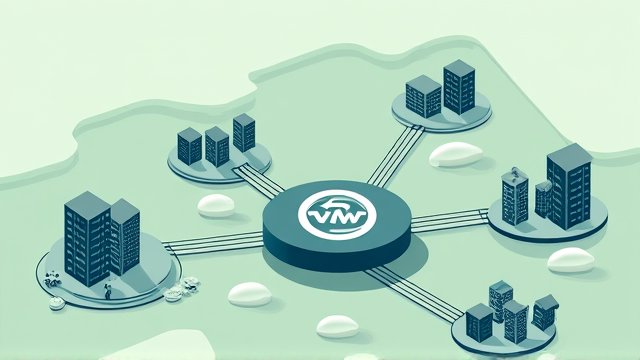
Visual representation of IPv4 addresses as digital real estate with buildings representing address blocks of different sizes

Where Did These Digital Assets Come From, and Why Are They Scarce?

To understand the current IPv4 landscape, let’s travel back to the early days of the internet. In the 1980s, when the internet’s addressing system was being designed, the engineers created IPv4 with a 32-bit addressing scheme, allowing for those 4.3 billion unique addresses I mentioned earlier. At that time, this number seemed virtually inexhaustible. The internet was primarily an academic and research network with just a few thousand connected devices. Addresses were distributed freely to organizations that requested them, often in large blocks with minimal documentation or justification required.

From Small Town to Global Megacity

Think of the early internet as a small town with plenty of available land. The town planners (internet architects) distributed large parcels of this digital land to early settlers, never imagining that their small community would eventually grow into a sprawling global metropolis. As the internet expanded exponentially through the 1990s and 2000s, those once-abundant addresses became increasingly scarce. By 2011, the central authority for IP address distribution (IANA) allocated the last remaining blocks of unused IPv4 addresses to the five Regional Internet Registries (RIRs) that manage IP resources globally.

This situation is similar to what happens in rapidly growing cities – eventually, no new land is available for development. When a city runs out of new land, property values rise, a real estate market emerges, and previously undeveloped areas suddenly become valuable. This is precisely what happened with IPv4 addresses. What were once free technical resources became valuable digital assets, now trading at approximately $50-60 per individual IP address.

This shift from abundance to scarcity created a high-stakes market with hidden risks for unprepared businesses. Organizations that received large IPv4 allocations in the early days (like MIT, which received 16.8 million addresses) suddenly found themselves sitting on valuable assets. Meanwhile, growing businesses and new market entrants faced increasing difficulty obtaining the addresses they needed for expansion.

The regional internet registries (RIPE NCC in Europe, ARIN in North America, APNIC in Asia-Pacific, LACNIC in Latin America, and AFRINIC in Africa) responded by implementing increasingly stringent policies for obtaining new addresses. What was once a simple request form became a complex justification process requiring detailed documentation of utilization plans and efficiency measures.

By 2015, RIPE NCC and ARIN had exhausted their free pools of IPv4 addresses, meaning new applicants could only receive addresses from a waiting list or through market transfers. This fundamentally changed how organizations must think about IP addressing – transforming it from an administrative task handled by IT departments into a strategic resource requiring business planning and financial investment.

How Can a Business Safely Acquire and Manage These Digital Assets?

Given the scarcity and value of IPv4 addresses, organizations need a structured approach to acquiring and managing these assets. Just as you wouldn’t purchase commercial real estate without proper due diligence, IPv4 addresses require careful verification before acquisition. Let me outline a professional verification framework that serves as a “due diligence checklist” for these digital assets.

Step 1: Checking the Asset’s History (The ‘Carfax’ Report)

Before acquiring any IPv4 address block, it’s essential to verify its reputation and history. IP addresses, like vehicles, carry a history that can significantly impact their value and usability. An address previously used for spam, phishing, or other malicious activities will likely be blacklisted by major email providers, security services, and content delivery networks.

At InterLIR, we check multiple reputation databases and blacklists for every address block we handle. This includes services like Spamhaus, SORBS, and dozens of other reputation monitoring systems. We’ve found that approximately 15-20% of available IPv4 blocks on the market have some form of reputation issue that could impact business operations. Cleaning up a damaged IP reputation can take months and significant resources – far more costly than proper verification before acquisition.

Step 2: Verifying Legal Ownership (The ‘Property Deed’)

Establishing clear legal ownership of IPv4 addresses is crucial yet often overlooked. Unlike physical property with standardized deed systems, IP address ownership verification requires specialized knowledge of regional internet registry (RIR) databases and policies. The legitimate holder of an address block must be properly registered in the relevant RIR’s database (RIPE, ARIN, APNIC, etc.) and have the authority to transfer those resources.

This verification process includes checking the current registration details, confirming there are no disputes or holds on the resources, and ensuring the seller has proper authorization to transfer the addresses. Skipping this step can result in acquiring addresses that cannot be officially transferred to your organization – essentially paying for assets you cannot legally use or register in your name.

Step 3: Ensuring a Secure Transaction (The ‘Escrow Service’)

The final critical step involves structuring the transaction to protect both parties. Given the significant value of IP addresses (a typical /24 block of 256 addresses is worth approximately $15,000), secure transaction processes are essential. This includes proper contractual agreements, secure payment methods, and often escrow services that release payment only after the addresses are successfully transferred in the RIR database.

Additionally, the transfer must comply with the specific policies of the relevant regional registry, which may include demonstrating need for the resources, completing proper documentation, and meeting technical requirements for efficient utilization. Each registry has different requirements and timeframes for transfers, ranging from a few days to several months depending on the region and circumstances.

Security Approach The Risky Way The Safe Way
AS-SET Management Using generic, non-hierarchical AS-SETs that anyone can modify Implementing hierarchical AS-SETs (ASN:AS-NAME format) that only authorized parties can change
Route Filtering Accepting all route announcements without verification Implementing strict filtering based on AS-SET data using tools like bgpq4
Monitoring Reactive approach, addressing issues only after outages occur Proactive monitoring of AS-SET information and routing announcements
Documentation Minimal or outdated documentation of network relationships Comprehensive, regularly updated documentation of all network relationships
Process diagram showing safe IPv4 asset management with verification steps and security measures

What is the True Business Cost of Getting IPv4 Management Wrong?

The financial implications of poor IPv4 management extend far beyond the direct cost of acquiring addresses. When organizations treat IP addressing as merely a technical issue rather than a business asset requiring proper management, they expose themselves to significant risks and hidden costs that impact the entire organization.

The Hidden Costs of a ‘Cheap’ Solution

💸 Lost revenue from service disruptions – When IP addresses are blacklisted or blocked, customer-facing services become inaccessible, directly impacting revenue. E-commerce companies lose approximately $250,000 per hour of downtime on average.

🔥 Brand damage from security incidents – IP addresses with poor reputation can trigger security warnings for visitors to your digital properties, eroding customer trust. Studies show 87% of consumers will hesitate to do business with a company if they have concerns about its security practices.

📉 Wasted marketing spend – Email campaigns sent from addresses with poor reputation typically see delivery rates drop by 20-40%, essentially throwing away a significant portion of marketing budgets.

👥 Decreased employee productivity – Technical teams spend an average of 40+ hours resolving each major IP reputation incident, diverting resources from strategic initiatives to crisis management.

⚖️ Compliance and legal risks – Improper IP address documentation can lead to compliance issues with regional internet registries, potentially resulting in resource reclamation or transfer blocks.

Justifying Investment in Quality

Investing in proper IPv4 management isn’t an IT expense – it’s business insurance that protects revenue streams and digital operations. Organizations that implement comprehensive IP address management strategies typically see 30-40% lower incident rates related to IP addressing issues and significantly faster resolution times when problems do occur.

The cost of professional IPv4 acquisition and management services typically represents just 5-10% of the total cost of ownership for these assets over a three-year period. Yet this relatively small investment can prevent incidents that would cost 10-20 times more in direct expenses and lost revenue.

At InterLIR, we’ve observed that organizations taking a strategic approach to IP management spend approximately 30% less on their total IP addressing needs over a five-year period compared to those addressing IP issues reactively. This comes from more efficient utilization of existing resources, better negotiation positions when acquiring new addresses, and avoiding the costly cleanup of reputation issues.

Consider the case of a mid-sized e-commerce company that recently approached us after experiencing a significant business disruption. They had acquired IPv4 addresses through an unverified third party at what seemed like a bargain price – approximately 20% below market rates. Within weeks, they discovered these addresses had been previously used for spam operations and were blacklisted by major email providers and security services. Their marketing emails weren’t reaching customers, and some visitors received security warnings when accessing their website. The direct cost of resolving these issues – including technical remediation, accelerated reputation repair, and emergency acquisition of clean IP resources – exceeded $120,000. More significantly, they estimated lost revenue of over $300,000 during the three weeks it took to fully resolve the situation.

What is the Smart Leader’s Roadmap for IPv4 Management?

As we look toward the future of IP addressing, business leaders need a practical roadmap for navigating this complex landscape. While IPv6 (the next-generation protocol with vastly more addresses) continues its gradual adoption, IPv4 remains the dominant protocol for global internet connectivity and will continue to be business-critical for the foreseeable future.

What’s Next for Digital IP Assets?

🔮 Continued market evolution – The IPv4 market is maturing with more standardized pricing and transfer processes, but regional variations in policies and prices will persist. We expect prices to continue rising at 10-15% annually as scarcity increases.

🔧 Hybrid addressing strategies – Forward-thinking organizations are implementing dual-stack architectures that support both IPv4 and IPv6, allowing them to gradually transition while maintaining full compatibility with both protocol environments.

📈 Growing importance of IP reputation management – As email providers and security services implement increasingly sophisticated filtering systems, maintaining clean IP reputation will become even more critical for business operations and marketing effectiveness.

While IPv6 adoption continues to grow, particularly for internal networks and specific use cases, the reality is that approximately 75% of global internet traffic still flows over IPv4. Major content providers, cloud services, and business applications continue to require IPv4 connectivity. Complete transition to IPv6 remains years away for most organizations due to legacy systems, third-party dependencies, and the significant costs of infrastructure upgrades.

A Leader’s 90-Day Action Plan

  1. 1️⃣ Conduct an IPv4 inventory and audit – Work with your technical team to document all IP addresses currently allocated to your organization, how they’re being utilized, and their current registration status. This baseline assessment is essential for strategic planning.
  2. 2️⃣ Assess future IP addressing needs – Evaluate your organization’s growth plans, upcoming product launches, and expansion into new markets to forecast IP resource requirements over the next 24-36 months.
  3. 3️⃣ Develop a comprehensive IP address management strategy – Based on your current inventory and future needs, create a strategy that may include more efficient utilization of existing resources, strategic acquisition of additional addresses, or implementation of address-sharing technologies like NAT (Network Address Translation).
  4. 4️⃣ Establish IP governance policies – Implement clear policies for IP address allocation within your organization, including documentation requirements, utilization standards, and regular auditing procedures.
  5. 5️⃣ Evaluate specialized IP management partners – Consider working with reputable IP address management specialists who can provide access to clean IP resources, handle complex registry interactions, and ensure compliance with regional policies.

The organizations that thrive in this environment will be those that recognize IP addressing as a strategic business asset requiring executive attention rather than merely a technical detail. By implementing a proactive management approach, you can transform what many see as a technical challenge into a competitive advantage through more reliable digital operations, better customer experiences, and more efficient resource utilization.

Remember that every digital initiative your organization undertakes – from cloud migrations to new product launches to marketing campaigns – depends on reliable, reputable IP addressing. By giving this foundational element the strategic attention it deserves, you’re building a more resilient digital infrastructure for your entire business.

IPv4 addresses have transformed from abundant technical resources into scarce, valuable business assets that require strategic management. With only 4.3 billion possible IPv4 addresses and growing global deman

🌐 IPv4 Marketplace & LIR Services

GLOBAL IP ADDRESS SOLUTIONS

Professional broker services for secure IP transfers, reputation-clean address blocks, and LIR support across all regional registries.


From Confused to Confident: ARIN’s IPv4 Training Made Simple

Internet Number Resources: A Leader’s Guide to Managing Critical Digital Assets

Visual representation of IP addresses as critical business assets

Executive Summary: What You Need to Know

🎯 Internet number resources (IP addresses and ASNs) are critical business assets that directly impact your organization’s online presence, security, and operational capabilities.

💰 The IPv4 address market has evolved into a significant financial ecosystem with addresses trading for $50-60 per IP, creating both challenges and opportunities for businesses.

🚀 Strategic management of these resources requires understanding acquisition options (purchase, lease, rental), security implications, and regulatory compliance.

⚠️ Poor IP resource management creates business risks including service disruptions, security vulnerabilities, and unexpected costs that directly impact revenue and reputation.

Why Should a ‘Technical’ Topic Like IP Addressing Matter to Business Leaders?

Imagine launching a major marketing campaign only to discover your customers can’t access your website. Or finding your company’s emails consistently marked as spam. Perhaps worse, learning your organization’s online services are inaccessible in key markets. These business nightmares often trace back to a seemingly arcane technical issue: problematic IP addressing.

In simple terms, IP addresses are the digital real estate of the internet – they’re the unique identifiers that allow your business to exist online. Just as a physical business needs a street address to receive mail and customers, your digital business requires IP addresses to send emails, host websites, and provide online services. The critical difference? Physical addresses are relatively stable and abundant. Digital addresses – particularly IPv4 addresses – are increasingly scarce, expensive, and come with complex reputational and regulatory considerations.

This scarcity has transformed what was once a purely technical concern into a strategic business issue. Organizations that understand and proactively manage their IP resources gain competitive advantages in operational reliability, security posture, and cost management. Those that don’t face increasing risks of service disruptions, security vulnerabilities, and unexpected expenses.

In this guide, I will break down what internet number resources are in simple terms, explain why managing them correctly is critical for your business, and provide a clear roadmap for making smart decisions about these essential digital assets. Whether you’re planning for growth, concerned about security, or simply trying to understand why your IT team keeps requesting budget for “IP addresses,” this guide will equip you with the knowledge to make informed strategic decisions.

Where Did These Digital Assets Come From, and Why Are They Scarce?

To understand the current landscape, let’s start with a brief journey back to the early days of the internet. In the 1980s, when the internet was primarily an academic and military network, IP addresses were freely distributed to anyone who needed them. The addressing system created then – known as IPv4 – allowed for approximately 4.3 billion unique addresses. At the time, this seemed like an inexhaustible resource. After all, personal computers were rare, smartphones didn’t exist, and the concept of every household having multiple internet-connected devices was science fiction.

From Small Town to Global Megacity

Think of the early internet as a small town with plenty of available property. The original planners laid out a street grid that could accommodate what seemed like unlimited growth. But as the internet transformed from a niche technology into global infrastructure supporting billions of devices, that once-abundant space became increasingly crowded. By 2011, the central authority for IP addresses – the Internet Assigned Numbers Authority (IANA) – allocated its last blocks of unused IPv4 addresses to the five Regional Internet Registries (RIRs) that manage these resources globally.

This transition marked a fundamental shift in how businesses acquire and manage IP addresses. What was once a free administrative resource became a valuable financial asset – similar to how undeveloped land in a growing city becomes increasingly valuable as available space diminishes. Today, organizations needing IPv4 addresses must either purchase them from existing holders, lease them temporarily, or implement complex technical workarounds.

While a newer addressing system called IPv6 was developed to solve this scarcity (offering an almost unlimited pool of addresses), its adoption has been slow and uneven. The reality is that most of today’s internet still runs on IPv4, and businesses need these addresses to ensure compatibility with the broader internet ecosystem. This creates a challenging situation where organizations must navigate both the technical and financial aspects of IP resource management.

The Birth of a Market

As IPv4 exhaustion became inevitable, a secondary market emerged. Organizations with unused IP addresses – often large corporations, universities, or government entities that received large allocations in the early days – began selling or leasing their excess capacity to businesses in need. Regional Internet Registries (RIRs) like ARIN (North America), RIPE NCC (Europe), and APNIC (Asia-Pacific) developed transfer policies to facilitate these transactions while maintaining accurate registration records.

This shift from abundance to scarcity created a high-stakes market with hidden risks for unprepared businesses. Today, IPv4 addresses typically sell for $50-60 per address, with prices fluctuating based on block size, region, and market conditions. For organizations needing thousands or tens of thousands of addresses, this represents a significant capital investment. More importantly, it transformed what was once a purely technical decision into one with substantial financial and strategic implications.

How Can a Business Safely Acquire and Manage These Digital Assets?

Given the financial and operational importance of IP addresses, organizations need a structured approach to acquiring and managing these resources. Just as you wouldn’t purchase commercial real estate without proper due diligence, you shouldn’t acquire IP addresses without understanding their history, legitimacy, and potential issues.

Process diagram showing safe IP address acquisition workflow

Step 1: Checking the Asset’s History (The ‘Carfax’ Report)

Before acquiring any IP address block, it’s essential to understand its reputation and history. IP addresses, like physical properties, can have “baggage” – they may have been used for spam, malicious activities, or other problematic behavior that could impact your business operations. When an IP address has been used for sending spam, major email providers may block it, preventing your legitimate emails from reaching customers. Similarly, addresses previously used for malicious activities might be blocked by security systems, preventing customers from accessing your services.

Professional IP brokers and marketplaces should provide comprehensive reputation checks that examine multiple blacklists, spam databases, and security threat lists. This verification is not just a technical precaution – it’s protection against significant business disruption. At InterLIR, we conduct thorough reputation checks on all IP addresses before offering them to clients, ensuring they’re “clean” and ready for legitimate business use.

Step 2: Verifying Legal Ownership (The ‘Property Deed’)

The internet’s distributed nature means that proper documentation of IP address ownership is crucial. Acquiring addresses from entities that don’t legitimately control them can lead to disputes, service disruptions, and potential legal issues. Proper verification involves checking the current registration in the appropriate Regional Internet Registry (RIR) database and ensuring the seller has the authority to transfer the resources.

This verification process is similar to confirming a property deed before purchasing real estate. Without it, you risk investing in assets that could be reclaimed or contested later. The consequences can be severe – imagine building critical business infrastructure on IP addresses that are suddenly reclaimed by their rightful owner, leaving your services inaccessible.

Step 3: Ensuring a Secure Transaction (The ‘Escrow Service’)

The financial value of IP addresses makes secure transaction processes essential. Professional IP resource marketplaces provide escrow-like services that protect both buyers and sellers. These processes ensure that payment is only released when the addresses are properly transferred in the relevant RIR database, protecting against fraud and ensuring compliance with regional policies.

Additionally, proper documentation of the transaction is crucial for accounting, regulatory compliance, and potential future transfers. This documentation should include transfer agreements, payment records, and confirmation of the registration change in the appropriate RIR database.

Aspect The Risky Way The Safe Way Business Impact
Reputation Check None or superficial checking Comprehensive blacklist and history verification Prevents email delivery failures and service blocking
Ownership Verification Accepting seller’s claims without verification Confirming registration in RIR databases Prevents disputes and potential resource loss
Transaction Security Direct payment without protections Escrow-like services with verification steps Protects financial investment and ensures proper transfer
Documentation Minimal or informal Comprehensive legal and technical documentation Supports accounting, compliance, and future transfers
Technical Support None or limited Assistance with routing announcements and configuration Ensures smooth implementation and operational continuity

What is the True Business Cost of Getting IP Resource Management Wrong?

When evaluating IP resource management, many organizations focus primarily on acquisition costs while overlooking the broader business implications of poor management practices. This narrow perspective can lead to decisions that appear cost-effective in the short term but create significant risks and expenses over time.

The Hidden Costs of a ‘Cheap’ Solution

💸 Lost revenue from service disruptions – When IP addresses with poor reputations cause your services to be blocked, customers can’t access your offerings, directly impacting revenue. For e-commerce businesses, even short outages can cost thousands in lost sales.

🔥 Brand damage from deliverability issues – When marketing emails land in spam folders due to problematic IP addresses, your campaigns fail silently. Customers don’t receive important communications, leading to decreased engagement and potential brand erosion.

📉 Wasted marketing spend – Marketing campaigns driving traffic to services that experience IP-related accessibility issues result in wasted advertising budget and missed conversion opportunities.

👥 Decreased employee productivity – Technical teams spend valuable time troubleshooting IP-related issues instead of focusing on innovation and improvement. This opportunity cost is rarely calculated but can be substantial.

⚠️ Compliance and legal risks – Improper documentation of IP resource ownership can create regulatory compliance issues, particularly in industries with strict data protection requirements.

Justifying Investment in Quality

Investing in professional IP resource management isn’t a cost-it’s an insurance policy that protects your digital infrastructure and business continuity. Organizations that work with reputable IP brokers and implement proper management practices typically experience fewer disruptions, better email deliverability, and more predictable operational costs.

Consider the economics: A mid-sized e-commerce business generating $50,000 in daily revenue that experiences just one day of service disruption due to IP blocking loses more than the entire annual cost of professional IP management. Similarly, a B2B company whose critical sales communications are filtered as spam might lose deals worth many times the cost of proper IP resource management.

A major European SaaS provider learned this lesson the hard way when they acquired a block of IPv4 addresses through an informal, low-cost channel. Within weeks, they discovered their addresses were on multiple blacklists, causing their customer support emails to be filtered and their services to be inaccessible to some clients. The resulting emergency remediation cost them three times what they would have spent on proper acquisition, not counting lost revenue and damaged client relationships. When they later worked with InterLIR to replace these problematic addresses, they experienced immediate improvements in deliverability and service accessibility.

What is the Smart Leader’s Roadmap for IP Resource Management?

As the digital landscape continues to evolve, forward-thinking leaders need a strategic approach to IP resource management that balances immediate needs with long-term planning. This roadmap should address both the technical and business aspects of these critical digital assets.

What’s Next for Digital Addressing?

🔮 Continued IPv4 market evolution – The market for IPv4 addresses will likely remain active for the next 5-10 years, with prices potentially increasing as scarcity grows. Organizations should plan for this ongoing reality rather than expecting immediate obsolescence.

🔧 Hybrid addressing strategies – Most organizations will operate in a mixed environment, using both IPv4 and IPv6 where appropriate. This requires thoughtful planning rather than all-or-nothing approaches.

📈 Growing importance of IP reputation management – As email and security filtering systems become more sophisticated, maintaining clean IP reputation will become increasingly critical for business operations.

🌐 Regional variations in resource availability – Different geographic regions face varying levels of IPv4 scarcity, creating both challenges and opportunities for global organizations.

A Leader’s 90-Day Action Plan

  1. 1️⃣ Assess Your Current Position – Work with your technical team to inventory your existing IP resources, including how they’re being used, their reputation status, and documentation of ownership. Identify potential risks and inefficiencies in your current approach.
  2. 2️⃣ Quantify Business Dependencies – Evaluate how critical IP-dependent services are to your revenue and operations. Calculate the potential business impact of disruptions to help justify appropriate investment in proper management.
  3. 3️⃣ Develop a Resource Strategy – Based on your business growth projections, determine whether you need to acquire additional IP resources through purchase, lease, or rental arrangements. Consider both immediate needs and long-term flexibility.
  4. 4️⃣ Establish Management Practices – Implement processes for regular monitoring of IP reputation, proper documentation of ownership, and technical configuration management. Assign clear responsibility for ongoing oversight.
  5. 5️⃣ Engage Professional Support – For organizations without specialized in-house expertise, partner with reputable IP resource specialists who can provide both technical guidance and access to quality resources.

The organizations that thrive in the digital economy will be those that recognize IP resources as strategic assets requiring executive attention rather than merely technical commodities. By implementing a structured approach to IP resource management, leaders can transform a potential vulnerability into a source of operational stability and competitive advantage.

How Do Different Acquisition Models Impact Your Business Flexibility?

One of the most important strategic decisions organizations face is how to acquire the IP resources they need. Each acquisition model-purchasing, leasing, or renting-offers different advantages and considerations that align with various business scenarios.

Understanding Your Options

Acquisition Model Initial Investment Ongoing Costs Business Flexibility Ideal For
Purchase High ($50-60 per IP) Low (annual RIR fees only) High ownership control, potential asset appreciation Stable core infrastructure, long-term strategic assets
Lease (1-5 years) Medium Medium (annual lease payments) Medium flexibility with option to return or purchase Growing businesses with predictable medium-term needs
Rental (monthly) Low High (monthly payments) Maximum flexibility to scale up or down quickly Temporary projects, testing environments, seasonal needs

Let me explain how these options translate to real business scenarios. A global e-commerce platform with stable, predictable traffic might benefit from purchasing their core IP blocks while using leased or rented addresses to handle seasonal spikes. Conversely, a startup with uncertain growth trajectories might prefer the flexibility of leasing or rental arrangements until their usage patterns stabilize.

🌐 IPv4 Marketplace & LIR Services

GLOBAL IP ADDRESS SOLUTIONS

Professional broker services for secure IP transfers, reputation-clean address blocks, and LIR support across all regional registries.

RIR Governance Changes 2025: A Client Manager’s Inside Look

Internet Registry Governance: A Leader’s Guide to Understanding the Digital Address System

Executive Summary: What You Need to Know

🎯 Critical business infrastructure: The internet’s addressing system is governed by Regional Internet Registries (RIRs) that control the distribution of IP addresses-the digital real estate your business depends on.

💰 Market implications: Changes in RIR governance directly impact IP address availability, pricing, and transfer policies, affecting your IT infrastructure costs and capabilities.

🚀 Strategic action: Forward-thinking organizations should monitor RIR governance developments and secure their IP resources through legitimate marketplaces to ensure business continuity.

⚠️ Risk awareness: The evolving governance framework introduces new compliance requirements and potential disruptions that could affect your network operations if not properly managed.

Why Should a ‘Technical’ Topic Like Internet Registry Governance Matter to Business Leaders?

Imagine waking up to discover your company’s website is unreachable, your cloud services inaccessible, and your email systems down. The culprit? Not a technical failure, but a governance issue with the digital addresses that connect your business to the internet. This scenario is more plausible than most business leaders realize, and it stems from changes happening in how the internet’s addressing system is governed.

In simple terms, internet registry governance is like the property management system for digital real estate. Just as physical businesses need legitimate addresses to receive mail and customers, your digital operations require valid IP addresses to function online. These addresses aren’t infinite-they’re managed by Regional Internet Registries (RIRs), organizations that operate under evolving rules that directly impact your business.

The business world is increasingly dependent on digital infrastructure, yet few leaders understand the governance structures that control this critical resource. When the organizations that manage IP addresses change their rules-as they’re doing now with the development of new recognition and derecognition frameworks-it creates ripple effects throughout the digital economy, affecting everything from cloud computing costs to market entry barriers.

In this guide, I will break down what internet registry governance is in simple terms, explain why understanding these changes is critical for your business continuity, and provide a clear roadmap for making informed decisions about your digital address resources. By the end, you’ll understand not just the technical aspects, but the business implications of these governance shifts.

Visual representation of how Regional Internet Registries connect businesses to the internet

The recent consultation on RIR governance frameworks represents a pivotal moment that smart business leaders should be paying attention to-even if they’ve never heard of an RIR before today.

Where Did These Digital Addresses Come From, and Why Are They Scarce?

To understand why governance matters, we need to look back at how the internet’s addressing system evolved. In the early days of the internet-the 1980s and early 1990s-IP addresses were distributed rather casually. It was like a new city being built where land was plentiful and free for the taking. Organizations, universities, and even individual projects could receive large blocks of addresses simply by requesting them.

From Digital Frontier to Valuable Real Estate

As the internet grew from an academic project to the backbone of the global economy, this casual approach became unsustainable. By the mid-1990s, it became clear that the original addressing system (IPv4) had a fundamental limitation: it could only support approximately 4.3 billion unique addresses. This might have seemed abundant in 1981, but today it’s woefully inadequate for a world with billions of connected devices.

To manage this increasingly scarce resource, five Regional Internet Registries were established across different geographic regions: ARIN (North America), RIPE NCC (Europe), APNIC (Asia-Pacific), LACNIC (Latin America), and AFRINIC (Africa). These organizations were given authority to distribute and manage IP addresses within their regions, operating under policies developed by their respective communities.

This shift from abundance to scarcity transformed IP addresses from simple technical identifiers into valuable business assets. Today, a single IPv4 address can sell for $50-60 on the transfer market-meaning a standard block of 4,096 addresses (a “/20” in technical terms) represents an asset worth approximately $200,000-$250,000. For many businesses, their IP address holdings have become significant balance sheet items.

The Governance Challenge

As IP addresses gained economic value, the governance structures managing them faced new challenges. The original framework for recognizing RIRs-a document known as ICP-2 created in 1999-was designed for a different era. It established basic criteria for recognizing new RIRs but said little about ongoing requirements or what would happen if an RIR failed to meet its obligations.

This governance gap became increasingly problematic as the internet matured. Recent controversies, particularly involving AFRINIC (the African registry), have highlighted the need for clearer frameworks. When AFRINIC faced legal challenges and governance disputes in 2021-2022, the lack of clear procedures for handling potential RIR failures created uncertainty throughout the internet ecosystem.

For business leaders, this history matters because it explains why IP addresses are both valuable and vulnerable to governance disruptions. Your company’s ability to maintain online operations depends on a stable addressing system, which in turn depends on effective governance of the organizations that manage these critical resources.

How Does the New Governance Framework Affect My Business’s Digital Assets?

The consultation on the “Governance Document for the Recognition, Maintenance, and Derecognition of Regional Internet Registries” might sound like obscure technical policy, but its implications for your business are substantial and direct. This framework will establish the rules by which the organizations controlling IP addresses operate, affecting everything from resource availability to compliance requirements.

The Business Impact of Registry Stability

When you acquire IP addresses for your business-whether through direct allocation from an RIR, purchase on the transfer market, or rental from a provider like InterLIR-you’re depending on the stability of the registry system. Your legitimate right to use those addresses stems from registry records that verify your organization as the authorized holder.

The new governance framework strengthens this system by establishing clear criteria for how RIRs must maintain their operations. This includes requirements for:

🔐 Data security and integrity: Ensuring that records of IP address assignments remain accurate and protected

📊 Transparent policy development: Maintaining open processes for creating and updating the rules governing address distribution

⚖️ Financial stability: Requiring RIRs to maintain sufficient resources to operate consistently

🔄 Operational continuity: Establishing mechanisms to ensure services continue even during organizational challenges

For your business, these requirements translate to greater confidence that the digital addresses you rely on will remain valid and recognized across the internet. The framework reduces the risk that registry problems could suddenly invalidate your address holdings or disrupt your online operations.

Navigating the IP Address Marketplace Safely

With IPv4 addresses now scarce and valuable, many businesses turn to the secondary market to acquire the resources they need. This marketplace-where organizations buy, sell, and lease IP addresses-depends on registry governance for its legitimacy and security.

Business Need Risk Without Strong Governance Benefit of New Framework
Acquiring additional IP addresses Purchasing addresses with unclear provenance or contested ownership Clearer chain of custody verification and transfer policies
Maintaining existing address blocks Sudden policy changes affecting your right to use addresses More predictable policy development with stakeholder input
Planning for growth Uncertainty about future address availability Better visibility into regional address management practices
Ensuring network security Using addresses with problematic reputation history Improved registry data quality and verification

The new governance framework establishes stronger requirements for how RIRs handle transfers between organizations, creating a more reliable environment for legitimate address trading. For businesses working with marketplace providers like InterLIR, this means greater assurance that the addresses you acquire will have clean provenance and recognized legitimacy.

Process diagram showing how businesses acquire and manage IP addresses through registries

Compliance Considerations for IT Departments

Beyond the strategic implications, the governance framework creates practical compliance considerations for your IT team. As RIRs implement more standardized maintenance requirements, they may introduce new verification procedures or documentation standards that address holders must meet.

Your technical team should prepare for:

📝 Enhanced documentation requirements: More rigorous proof of address utilization and organizational identity

🔄 Regular verification processes: Periodic confirmation that registered information remains accurate

🔍 Stricter transfer policies: More detailed due diligence when acquiring addresses from other organizations

⚠️ Potential legacy address impacts: Changes affecting organizations holding addresses from before the RIR system

While these requirements create additional administrative work, they ultimately protect your business by ensuring that the addressing system remains stable and trustworthy. Working with experienced providers like InterLIR can help navigate these compliance requirements efficiently.

What is the True Business Cost of Getting IP Resource Management Wrong?

When business leaders think about digital infrastructure, they often focus on visible elements like cloud services or cybersecurity tools. The IP addressing system tends to remain invisible-until something goes wrong. Understanding the true costs of IP resource mismanagement helps justify proper investment in this critical area.

The Hidden Costs of Inadequate IP Resource Strategy

💸 Operational disruption: If your addresses are contested or reclaimed due to governance issues, your online services can experience downtime costing thousands per hour in lost revenue and productivity

🔥 Reputation damage: Using addresses with problematic history can lead to your company’s digital properties being blacklisted by security systems, damaging customer trust

📉 Marketing ineffectiveness: Email deliverability and ad platform access depend on IP reputation-addresses with poor governance history can render marketing investments ineffective

👥 Compliance exposure: Inadequate documentation of IP resource rights can create regulatory and audit issues, particularly for companies in regulated industries

💰 Asset value erosion: Improper management can diminish the value of your IP address holdings, which represent significant financial assets for many organizations

These costs are rarely captured in IT budgets but can have substantial impacts on overall business performance. A manufacturing company I worked with discovered this when their customer portal became unreachable because they were using addresses with contested ownership. The resulting disruption cost them an estimated €75,000 in lost orders and emergency IT consulting fees.

The Business Case for Professional IP Resource Management

Given these risks, professional management of IP resources should be viewed not as a technical expense but as business insurance. Working with established providers who understand registry governance and maintain strong relationships with RIRs provides several business advantages:

🛡️ Risk mitigation: Professional providers ensure all address acquisitions have proper documentation and clean history

⏱️ Time efficiency: Navigating registry requirements and transfer processes is complex-experts handle this so your team can focus on core business

💼 Strategic flexibility: Access to IP resources when needed allows for faster deployment of new services and market expansion

📈 Asset optimization: Professional management helps maximize the value of your address holdings through proper registration and utilization

A real-world example demonstrates the value of this approach: A European SaaS company needed to expand their services to new regions but faced IP address constraints. Rather than delaying their market entry, they worked with InterLIR to secure properly documented address blocks through legitimate channels. This allowed them to launch on schedule while competitors who attempted to navigate the process independently faced months of delays due to registry compliance issues.

Governance Changes as Strategic Opportunity

While governance changes create compliance challenges, they also present strategic opportunities for forward-thinking organizations. As registry requirements become more stringent, the value gap between properly managed addresses and problematic ones will likely increase.

Companies that invest in understanding these governance shifts and positioning their IP resource strategy accordingly can gain competitive advantages through:

🔍 Early compliance: Meeting new requirements before they become mandatory reduces business disruption risk

🌐 Resource security: Establishing clear documentation and provenance for all address holdings protects these valuable assets

🤝 Relationship development: Building connections with registry communities and service providers creates access to opportunities as policies evolve

The consultation process itself represents an opportunity for businesses to shape policies that will affect their digital operations for years to come. Organizations that participate-directly or through industry associations-can help ensure the resulting framework balances necessary governance with practical business needs.

What is the Smart Leader’s Roadmap for Internet Registry Governance?

As internet registry governance evolves, business leaders need a clear roadmap for navigating these changes and protecting their digital infrastructure. This isn’t just an IT department concern-it requires executive awareness and strategic decision-making.

Future Trends in IP Resource Governance

🔮 Increased verification requirements: Expect RIRs to implement more rigorous validation of address holdings and utilization as governance frameworks mature

🔧 Automated compliance tools: New technologies will emerge to help organizations manage their address resources and meet registry requirements more efficiently

📈 Market formalization: The secondary market for IP addresses will likely become more structured, with clearer legal frameworks and potentially more regulatory oversight

🌐 Regional policy divergence: Despite efforts at global coordination, regional differences in address management policies will continue, creating complexity for multinational organizations

These trends point to a future where IP resource management becomes more formalized and potentially more complex. Organizations that prepare now will be better positioned to adapt as these changes unfold.

A Leader’s 90-Day Action Plan

  1. 1️⃣ Conduct an IP resource audit: Work with your IT team to document all IP addresses your organization uses, their source, and current registration status
  2. 2️⃣ Assess governance risk exposure: Identify any addresses with unclear provenance, outdated registration information, or potential compliance issues
  3. 3️⃣ Develop a resource strategy: Based on your business growth plans, determine future IP address needs and potential sources (direct allocation, transfer market, leasing)
  4. 4️⃣ Establish registry relationships: Either directly or through service providers like InterLIR, ensure your organization has clear channels to stay informed about policy changes

🌐 IPv4 Marketplace & LIR Services

GLOBAL IP ADDRESS SOLUTIONS

Professional broker services for secure IP transfers, reputation-clean address blocks, and LIR support across all regional registries.

From Network Outages to IXP Insights: What I Learned Managing IPv4

Internet Exchange Points (IXPs): A Leader’s Guide to the Hidden Backbone of Internet Resilience

Executive Summary: What You Need to Know

🎯 Strategic Importance – IXPs are critical infrastructure that enable direct traffic exchange between networks, reducing costs and improving performance while serving as essential shock absorbers during crises

💰 Business Impact – Organizations relying on stable internet connectivity face significant financial risks when IXPs fail, with cascading effects across digital services, customer experience, and operational continuity

🚀 Competitive Advantage – Understanding IXP infrastructure helps businesses make smarter decisions about network resilience, digital sovereignty, and geographic redundancy

⚠️ Hidden Risk – Despite their critical role, IXPs often operate with minimal public awareness and limited policy recognition, creating systemic vulnerabilities that business leaders must address

Why Should a ‘Technical’ Topic Like Internet Exchange Points Matter to Business Leaders?

Imagine waking up to discover your company’s services are suddenly unreachable for customers in an entire region. Your IT team reports that traffic is routing through expensive international connections, dramatically increasing costs while degrading performance. Meanwhile, your competitors operating in the same market remain unaffected. What’s the difference? They understood the critical role of Internet Exchange Points in their network architecture.

In simple terms, Internet Exchange Points (IXPs) are the digital town squares where networks meet to exchange traffic directly. Think of them as the local farmers’ markets of the internet-instead of every farm (network) shipping their produce through expensive national distributors, they meet locally to exchange goods directly, saving time and money while ensuring fresher products for consumers.

As a customer service specialist at InterLIR, a specialized IPv4 address marketplace, I’ve witnessed firsthand how businesses that understand internet infrastructure gain significant advantages in operational resilience, cost management, and service quality. The companies that treat internet connectivity as a mere utility rather than strategic infrastructure inevitably face higher costs, greater vulnerability to disruptions, and competitive disadvantages.

The business landscape has fundamentally changed-digital infrastructure is no longer just an IT concern but a core business continuity issue. With remote work, cloud services, and digital customer experiences now central to operations, the underlying systems that keep data flowing have become as essential as electricity or water. Yet most business leaders have never heard of IXPs, despite their fundamental role in keeping the internet functioning.

In this guide, I will break down what Internet Exchange Points are in simple terms, explain why their proper functioning is critical for your business operations, and provide a clear roadmap for making strategic decisions about your network architecture that account for these essential but often overlooked components of internet infrastructure.

Visual representation of how Internet Exchange Points connect multiple networks directly

Where Did These Digital Town Squares Come From, and Why Are They So Important?

To understand why IXPs matter to your business, let’s take a brief journey through internet history. In the early days of the commercial internet in the 1990s, the network resembled a simple hierarchy. Small networks paid larger networks for connectivity, and those larger networks connected to even larger ones. This created a pyramid structure where traffic often traveled long, inefficient paths to reach its destination.

From Hierarchy to Marketplace

As the internet grew, this model became increasingly inefficient. Why should traffic between two networks in the same city travel across the country or even internationally just to be exchanged? This realization led to the development of Internet Exchange Points-physical locations where networks could connect directly to exchange traffic locally.

The business impact was immediate and profound. Networks that participated in these exchanges saw dramatic reductions in costs (often 70% or more) while simultaneously improving performance for their users. What began as a technical optimization quickly became a competitive necessity.

The Evolution of Digital Infrastructure

Today’s IXPs have evolved far beyond simple switches in a data center. Modern exchanges often provide a suite of services including route servers (which simplify the process of connecting to multiple networks), DDoS protection, and traffic analytics. They’ve become sophisticated digital infrastructure hubs that serve as the foundation for regional internet ecosystems.

This evolution has transformed IXPs from technical conveniences into critical infrastructure that underpins entire digital economies. When they function properly, they’re invisible. When they fail, the impacts cascade throughout the digital ecosystem, affecting everything from email delivery to cloud services to financial transactions.

At InterLIR, we’ve observed how businesses with sophisticated network strategies leverage IXPs to create more resilient, cost-effective connectivity. Those that ignore this layer of infrastructure often end up paying premium prices for transit while remaining vulnerable to single points of failure in their network architecture.

How Do IXPs Impact Your Business Operations and Bottom Line?

The technical nature of IXPs often obscures their direct business impact. Let me translate their function into clear business outcomes that affect your operations, customer experience, and financial performance.

The Performance Equation: Latency, Reliability, and User Experience

Every millisecond matters in today’s digital economy. When your traffic exchanges at a local IXP rather than traversing multiple networks, you gain significant performance advantages:

Reduced Latency – Local traffic exchange can reduce response times by 20-50ms, creating noticeably faster experiences for users

🔄 Improved Reliability – Fewer network hops means fewer potential points of failure in the connection path

📈 Enhanced Scalability – Direct peering at IXPs provides more predictable performance during traffic spikes

These technical improvements translate directly to business metrics: higher conversion rates on e-commerce platforms, reduced abandonment of digital processes, and improved customer satisfaction scores. In my work with InterLIR clients, I’ve seen companies achieve 15-20% improvements in key performance indicators simply by optimizing their network connectivity through strategic IXP participation.

The Financial Impact: Direct and Indirect Costs

The financial case for understanding IXPs is compelling on multiple levels:

Cost Category Without IXP Strategy With IXP Strategy Business Impact
Transit Costs High per-Mbps pricing Reduced dependency on transit 30-70% reduction in bandwidth costs
Performance Costs Higher latency, more buffering Improved user experience Reduced customer churn, higher engagement
Resilience Costs Vulnerability to single provider issues Multiple direct connections Fewer outages, faster recovery
Geographic Reach Limited by transit provider footprint Direct access to local markets Improved service in target regions

These aren’t theoretical benefits. At InterLIR, we’ve helped clients achieve significant cost reductions while improving performance by ensuring their IP resources are properly configured to take advantage of IXP connectivity. The ROI on proper network architecture that leverages IXPs is typically measured in months, not years.

Case Study: The High Cost of IXP Failure

To understand the business impact of IXPs, consider what happens when they fail. In May 2021, a software fault at the London Internet Exchange (LINX)-one of Europe’s largest IXPs-caused widespread routing instability. Companies without redundant connectivity options experienced service degradation lasting hours, with some e-commerce platforms reporting conversion rate drops of up to 30% during the disruption.

Similarly, during a 2023 incident at DE-CIX Frankfurt (another major European IXP), companies relying solely on that exchange for regional connectivity faced significant performance issues while competitors with diversified peering strategies maintained normal operations. The difference between companies that recovered quickly and those that suffered prolonged impacts wasn’t their size-it was their network architecture strategy.

Graph comparing business impact of IXP disruption between companies with and without redundant connectivity

What Makes IXPs Critical Infrastructure for Business Continuity?

When discussing business continuity and disaster recovery, conversations typically focus on data backups, cloud redundancy, and application failover. However, these strategies are only effective if the underlying network infrastructure remains functional. This is where IXPs play a crucial but often overlooked role.

IXPs as Digital Shock Absorbers

During major infrastructure disruptions-whether from natural disasters, cyber attacks, or technical failures-IXPs serve as critical shock absorbers for the internet. By enabling local traffic to remain local, they provide a layer of autonomy that can preserve essential connectivity even when international links are compromised.

This resilience function becomes particularly important in several scenarios:

🌊 Natural Disasters – When submarine cables are damaged by earthquakes or storms, local IXPs allow internal country communications to continue

🔌 Power Grid Issues – During rolling blackouts or energy crises, IXPs with proper backup power can maintain local connectivity

🛡️ Cyber Attacks – When DDoS attacks target international gateways, local traffic via IXPs can remain unaffected

🌐 Geopolitical Events – During international tensions that affect cross-border connectivity, IXPs preserve internal digital ecosystems

At InterLIR, we’ve observed how businesses with sophisticated network strategies that leverage multiple IXPs demonstrate significantly greater resilience during these events. Their services remain available to local users even when international connectivity is compromised, providing a critical competitive advantage during crises.

Digital Sovereignty and Business Autonomy

Beyond technical resilience, IXPs also support what’s increasingly referred to as “digital sovereignty”-the ability to maintain control over your digital operations regardless of external factors. For businesses, this translates to operational autonomy and reduced dependency on factors outside your control.

Consider the contrast between two approaches:

Aspect Traditional Transit-Dependent Approach IXP-Optimized Approach
Traffic Control Traffic paths determined by transit providers Direct control over traffic routing decisions
Cost Predictability Vulnerable to transit provider price increases More stable, predictable connectivity costs
Performance Management Limited visibility into routing issues Direct relationships with key networks
Crisis Response Dependent on transit provider actions Ability to implement custom routing policies

This autonomy isn’t just a technical nicety-it translates directly to business agility and resilience. Companies that understand and leverage IXPs gain greater control over their digital destiny, while those that remain ignorant of this infrastructure layer are essentially placing their digital operations at the mercy of third parties.

What Strategic Questions Should Leaders Ask About Their Network Architecture?

As a business leader, you don’t need to understand the technical minutiae of BGP routing or switch configurations. However, you should be asking strategic questions about how your organization leverages (or fails to leverage) Internet Exchange Points. Here are the key questions to pose to your technical teams:

Assessing Your Current IXP Strategy

  1. 1️⃣ Participation Assessment – “Which Internet Exchange Points do we currently participate in, and how does this align with our key markets?”
  2. 2️⃣ Redundancy Evaluation – “Do we rely on a single IXP in any region, creating a potential single point of failure?”
  3. 3️⃣ Performance Analysis – “How does our IXP strategy impact latency and performance for our customers in different regions?”
  4. 4️⃣ Cost Structure Review – “What percentage of our connectivity costs go to transit versus peering, and how does this compare to industry benchmarks?”

These questions help establish your current position and identify potential vulnerabilities or opportunities. At InterLIR, we frequently help clients evaluate their IP address utilization in relation to their IXP strategy, ensuring they’re maximizing the value of both resources.

Developing a Resilient IXP Strategy

Once you understand your current position, the next step is developing a more resilient approach:

🌍 Geographic Diversity – Ensure your network connects to multiple IXPs across different regions to prevent single points of failure

🤝 Peering Relationships – Develop direct relationships with key content providers and networks relevant to your business

📊 Traffic Engineering – Implement policies that optimize traffic flow based on cost, performance, and reliability metrics

🔄 Regular Review – Establish quarterly reviews of your IXP strategy as markets and traffic patterns evolve

This strategic approach transforms IXPs from technical infrastructure into business assets that provide competitive advantages. The most successful organizations we work with at InterLIR treat their network architecture as a strategic capability rather than a commodity service.

Resource Allocation and Budgeting

Proper investment in IXP connectivity often requires shifting budget priorities:

Resource Area Traditional Approach Strategic Approach Business Outcome
Connectivity Budget Primarily transit-focused Balanced transit and peering investment Lower total costs, better performance
Technical Expertise General network skills Specialized peering and routing knowledge More effective traffic engineering
IP Resources Basic allocation Strategic IP address management Optimized routing and reputation
Monitoring Tools Basic uptime monitoring Advanced performance and routing analytics Proactive issue identification

At InterLIR, we’ve observed that organizations that strategically allocate resources to optimize their IXP participation typically achieve 20-30% better performance metrics while simultaneously reducing their overall connectivity costs. This isn’t just an IT optimization-it’s a business performance enhancement.

What is the Smart Leader’s Roadmap for Leveraging Internet Exchange Points?

As we look to the future, several key trends will shape how businesses should approach Internet Exchange Points as part of their digital infrastructure strategy. Understanding these developments will help you make more informed decisions about your network architecture.

Emerging Trends in IXP Development

🔮 Distributed Exchange Models – IXPs are evolving from single-location facilities to distributed platforms spanning multiple data centers, providing greater resilience and flexibility

🔧 Integration with Edge Computing – IXPs are becoming natural hosts for edge computing resources, creating new opportunities for content delivery and application performance optimization

📈 Enhanced Security Functions – Modern IXPs increasingly offer security services like DDoS protection and route filtering, transforming from simple traffic exchange points to security coordination centers

🌐 Cross-Border Collaboration – Regional IXP federations are emerging to provide coordinated services across national boundaries, simplifying connectivity management for multinational businesses

These trends create both opportunities and challenges for business leaders. Organizations that adapt their network strategies to leverage these developments will gain significant advantages in performance, cost, and resilience

🌐 IPv4 Marketplace & LIR Services

GLOBAL IP ADDRESS SOLUTIONS

Professional broker services for secure IP transfers, reputation-clean address blocks, and LIR support across all regional registries.

UK’s Online Safety Act Sparks Major Shift in Network Management

Proxy Servers: A Leader’s Guide to Secure Internet Access

Visual representation of proxy server architecture showing data flow between client, proxy, and destination servers

In today’s digital landscape, business leaders face increasing challenges in maintaining secure, reliable internet access for their organizations. Whether you’re managing remote teams, protecting sensitive data, or ensuring consistent access to digital resources across global markets, the technical infrastructure behind your internet connection directly impacts your bottom line. Let me explain why proxy servers-often overlooked in favor of more widely marketed VPN solutions-deserve your attention as a critical component of your digital strategy.

In simple terms, a proxy server acts as an intermediary between your devices and the internet, providing a layer of separation that can enhance security, improve performance, and solve specific business challenges. Think of it as a digital ambassador representing your organization online-it carries your requests to their destination, brings back the responses you need, and can shield your identity in the process.

Recent trends, including the 65% surge in proxy usage in the UK following regulatory changes, highlight how businesses are increasingly recognizing the strategic advantages of proxy solutions. In this guide, I will break down what proxy servers are in simple terms, explain why implementing them correctly is critical for your business, and provide a clear roadmap for making smart decisions about this technology.

Executive Summary: What You Need to Know

🎯 Strategic advantage – Proxy servers provide businesses with more granular control over internet traffic than VPNs, allowing for selective routing of specific applications while maintaining normal access for others

💰 Cost efficiency – Properly implemented proxy solutions typically consume fewer system resources than VPNs, potentially reducing infrastructure costs while improving performance

🚀 Competitive edge – Organizations using strategic proxy deployments gain advantages in data collection, market research, and global content access while maintaining security compliance

⚠️ Implementation risk – Unlike turnkey VPN solutions, proxy servers require more technical expertise to deploy effectively, making proper configuration essential for security and performance

Why Should a ‘Technical’ Topic Like Proxy Servers Matter to Business Leaders?

You’ve likely encountered a frustrating scenario: your marketing team needs to verify how your company’s website appears in different countries, your developers need to test applications across various network environments, or perhaps your business intelligence team needs to collect market data without revealing your company’s identity. Meanwhile, your IT department warns about security risks, compliance issues, and potential performance impacts of various solutions.

In simple terms, proxy servers are the digital equivalent of having local representatives in markets around the world. Just as you might hire local agents who understand regional business practices and can represent your interests, proxies serve as your digital representatives online-accessing resources, gathering information, and conducting transactions on your behalf while protecting your identity.

The business landscape has fundamentally changed. With increasing regulatory complexity, geographic restrictions on digital content, and sophisticated competitors monitoring your online activities, maintaining secure, flexible internet access has evolved from an IT concern to a strategic business imperative. Organizations that master this infrastructure gain significant competitive advantages in global markets.

In this guide, I will break down what proxy servers are in straightforward business terms, explain why implementing them correctly can provide significant advantages over alternative technologies like VPNs, and provide a clear framework for making informed decisions about this critical digital infrastructure.

Comparison chart showing business use cases for proxy servers versus VPNs

Where Did These Digital Intermediaries Come From, and Why Are They Essential?

The concept of proxy servers emerged in the early days of the internet when network architects faced a fundamental challenge: how to connect growing numbers of computers to limited internet resources efficiently. The original internet wasn’t designed with today’s massive scale in mind-it was built for a relatively small community of academic and government users.

From Technical Solution to Business Asset

In those early days, proxy servers primarily served as caching mechanisms-storing copies of frequently accessed content to reduce bandwidth usage and improve performance. When multiple users needed the same information, the proxy could deliver it without repeatedly requesting it from distant servers. This technical efficiency solution gradually evolved into something far more valuable.

As the internet transformed from an academic network into a commercial platform, businesses discovered that proxy servers offered strategic advantages beyond simple caching. They provided control over how organizations connected to the internet, what information they shared about themselves, and how they appeared to external systems.

This evolution accelerated as digital borders emerged. Countries began implementing different regulations, content providers started restricting access based on geography, and competitors began monitoring each other’s online activities. What began as a technical optimization became a strategic business asset for navigating an increasingly complex digital landscape.

The IPv4 Address Scarcity Factor

Another critical factor driving proxy adoption is the scarcity of IPv4 addresses. The internet’s primary addressing system, IPv4, has a fundamental limitation-it can only support approximately 4.3 billion unique addresses. This seemed abundant in the 1980s but became increasingly inadequate as billions of devices connected to the internet.

This scarcity created a market for IP addresses, with organizations like InterLIR emerging to facilitate the redistribution of unused IPv4 resources. Proxy servers became an essential tool in this environment, allowing multiple devices to share a single public IP address while maintaining separate identities online.

The combination of IP address scarcity, geographic restrictions, and competitive intelligence needs transformed proxies from technical infrastructure into strategic business assets. Organizations that understand and leverage this technology gain significant advantages in how they access information, appear to others online, and manage their digital presence.

How Can Business Leaders Evaluate and Implement Proxy Solutions?

When considering proxy solutions for your organization, it’s essential to understand that not all proxy technologies are created equal. Different types serve different business purposes, and selecting the right approach requires aligning technical capabilities with specific business objectives.

Step 1: Identifying Your Business Requirements (The ‘Needs Assessment’)

Before evaluating specific proxy technologies, clearly define what business problems you’re trying to solve. Are you primarily concerned with securing sensitive communications? Do you need to conduct market research across different geographic regions? Are you looking to optimize performance for global users? Each of these objectives might point to different proxy implementations.

For example, if your marketing team needs to verify how your website appears in different countries, a rotating residential proxy solution might be ideal. If you’re more concerned with securing API connections to financial services, an enterprise-grade forward proxy with strong authentication would be more appropriate.

Step 2: Understanding Proxy Types (The ‘Solution Menu’)

🔄 Forward proxies – The most common type, sitting between your network and the internet, ideal for controlling outbound connections and masking internal identities

Reverse proxies – Protect and optimize access to your servers rather than client connections, excellent for load balancing and security

🌐 Residential proxies – Use IP addresses from actual residential connections, making them appear as regular consumers rather than data centers

🔒 SOCKS proxies – Support various types of traffic beyond just web browsing, ideal for applications requiring specialized connections

🔍 Transparent proxies – Intercept connections without client configuration, useful for organizational content filtering

Each type offers different advantages in terms of security, performance, detection avoidance, and ease of implementation. The key is matching these technical characteristics to your specific business requirements.

Step 3: Evaluating Implementation Options (The ‘Deployment Strategy’)

Deployment Model Business Advantages Potential Drawbacks
Self-hosted proxies Complete control, customization, privacy Requires technical expertise, maintenance
Cloud proxy services Scalability, geographic distribution, simplicity Potential privacy concerns, ongoing costs
Managed proxy solutions Professional support, compliance assistance Higher costs, less customization
Hybrid approaches Flexibility, optimized for specific needs Complexity in management, integration challenges

The implementation approach you choose should align with your organization’s technical capabilities, budget constraints, and specific use cases. Many businesses find that a hybrid approach-using different proxy solutions for different business functions-provides the optimal balance of security, performance, and cost-effectiveness.

What is the True Business Value of Implementing Proxy Infrastructure?

When evaluating proxy solutions, many organizations focus exclusively on technical specifications or upfront costs. This narrow perspective often leads to undervaluing the strategic business advantages that properly implemented proxy infrastructure can deliver. Let’s examine the true business impact through a more comprehensive lens.

The Hidden Costs of Inadequate Solutions

💸 Lost market intelligence – Without proper proxy infrastructure, competitors can easily identify and block your data collection activities, limiting your visibility into market trends

🔥 Geographic revenue limitations – Inability to verify how your digital properties appear in different markets can lead to undetected issues affecting international sales

📉 Competitive disadvantage – While your organization struggles with access limitations, competitors with sophisticated proxy strategies gain market insights you cannot see

👥 Reduced team productivity – Technical teams waste valuable time finding workarounds for access issues that proper proxy infrastructure would solve systematically

Consider the experience of a European e-commerce company that attempted to expand into Asian markets without proper proxy infrastructure. Their team couldn’t accurately verify how their website appeared to local customers, couldn’t effectively monitor competitor pricing, and struggled to test payment systems. What seemed like a cost-saving decision to avoid investing in proxy infrastructure ultimately delayed their market entry by months and cost millions in lost revenue opportunities.

Quantifying the Return on Investment

Properly implemented proxy solutions deliver measurable business value that extends far beyond technical metrics. The most significant returns often come not from what proxies do, but from what they enable your organization to accomplish.

For example, a financial services firm implemented a sophisticated proxy infrastructure that allowed them to conduct competitive intelligence across 27 markets simultaneously without revealing their identity. This capability provided early insights into competitor pricing strategies, enabling them to adjust their own offerings proactively rather than reactively. The firm attributed a 12% increase in new account acquisitions directly to this enhanced market visibility-a return that dwarfed their investment in proxy infrastructure.

Similarly, a software development company used proxy servers to test their applications across different network environments and geographic locations simultaneously. This capability reduced their quality assurance cycle by 40%, allowing them to release updates more frequently and respond to market changes more rapidly than competitors still using traditional testing approaches.

What Challenges Do Organizations Face When Implementing Proxy Solutions?

While proxy servers offer significant business advantages, implementing them effectively requires navigating several common challenges. Understanding these potential pitfalls before deployment can help your organization avoid costly mistakes and maximize the value of your investment.

Technical Implementation Challenges

🔧 Configuration complexity – Unlike turnkey VPN solutions, proxy servers often require more technical expertise to configure properly

🔄 Integration with existing systems – Ensuring proxy solutions work seamlessly with your current security infrastructure requires careful planning

📱 Mobile device compatibility – Some proxy implementations work well for desktop environments but present challenges for mobile users

🔍 Monitoring and maintenance – Proxy infrastructure requires ongoing monitoring to ensure performance and security

These technical challenges highlight why many organizations benefit from working with specialized providers rather than attempting to build proxy infrastructure entirely in-house. Companies like InterLIR that specialize in IP resource management can provide not just the technical components but also the expertise needed for effective implementation.

Regulatory and Compliance Considerations

Beyond technical challenges, organizations must navigate an increasingly complex regulatory landscape when implementing proxy solutions. Different jurisdictions have varying requirements regarding data privacy, content access, and network transparency.

For example, the European Union’s General Data Protection Regulation (GDPR) has specific implications for how proxy servers handle and process personal data. Similarly, financial institutions must ensure their proxy implementations comply with industry-specific regulations regarding data security and transaction monitoring.

The key to navigating these regulatory challenges is working with providers who understand both the technical and compliance aspects of proxy implementation. This expertise is particularly valuable when operating across multiple jurisdictions with different regulatory requirements.

What is the Smart Leader’s Roadmap for Proxy Implementation?

Based on my experience working with organizations across various industries, I’ve observed that successful proxy implementations follow a consistent pattern. This roadmap provides a structured approach to evaluating, implementing, and optimizing proxy solutions for maximum business value.

What’s Next for Proxy Technologies?

🔮 AI-enhanced proxy routing – Next-generation proxy solutions are incorporating artificial intelligence to optimize routing decisions based on performance, security, and business requirements

🔧 Zero-trust integration – Proxy technologies are increasingly being incorporated into zero-trust security architectures, providing more granular control over resource access

📈 Residential proxy expansion – The market for residential proxies (those using IP addresses from actual consumer connections) continues to grow as organizations seek less detectable ways to access online resources

These trends suggest that proxy technologies will become increasingly sophisticated and integrated with broader security and performance optimization strategies. Organizations that establish strong proxy foundations now will be better positioned to leverage these advancements as they emerge.

A Leader’s 90-Day Action Plan

  1. 1️⃣ Assess current capabilities – Meet with your technical and business teams to understand current challenges related to internet access, geographic restrictions, and competitive intelligence needs
  2. 2️⃣ Define specific use cases – Identify 2-3 high-priority business scenarios where improved proxy infrastructure would deliver immediate value
  3. 3️⃣ Evaluate solution options – Consider both technical capabilities and provider expertise when assessing potential proxy solutions
  4. 4️⃣ Implement a pilot project – Start with a focused implementation addressing your highest-priority use case to demonstrate value and build organizational expertise
  5. 5️⃣ Measure and communicate results – Establish clear metrics for success and share outcomes with stakeholders to build support for broader implementation

This phased approach allows your organization to build expertise gradually while delivering measurable business value at each stage. It also helps avoid the common pitfall of treating proxy implementation as a purely technical project rather than a strategic business initiative.

The most successful proxy implementations are those that align technical capabilities with specific business objectives and are supported by ongoing optimization based on measured results. This strategic approach ensures that your investment in proxy infrastructure delivers maximum value to your organization.

Proxy servers represent a critical but often misunderstood component of modern business infrastructure. While VPNs have received more attention in recent years, particularly in consumer markets, proxy solutions offer distinct advantages for organizations with specific business requirements around market intelligence, geographic access, and selective routing.

The key takeaway for business leaders is that proxy servers are not merely technical infrastructure but

🌐 IPv4 Marketplace & LIR Services

GLOBAL IP ADDRESS SOLUTIONS

Professional broker services for secure IP transfers, reputation-clean address blocks, and LIR support across all regional registries.

The choice between VPN and proxy technologies

The choice between VPN and proxy technologies extends far beyond simple feature comparisons or cost considerations. Understanding how IP infrastructure quality impacts real-world performance has become crucial for organizations seeking reliable privacy solutions. Four years of industry analysis reveal key insights that can guide strategic decision-making in this evolving landscape.

VPN vs Proxy Infrastructure

The Critical Role of IP Infrastructure in Privacy Solutions

The choice between VPN and proxy solutions fundamentally depends on understanding the underlying IP infrastructure that powers these privacy technologies. Both solutions promise enhanced online privacy, but their effectiveness is intrinsically tied to the quality and management of the IPv4 address resources they utilize.

The recent surge in privacy-conscious behavior has created unprecedented demand for clean, properly managed IPv4 addresses. This demand directly impacts the performance and reliability of both VPN and proxy services, making IP resource quality a critical factor that’s often overlooked in traditional comparisons.

The most successful privacy implementations share one common characteristic: they’re built on robust, well-managed IPv4 address foundations obtained through regional internet registries like RIPE NCC (Europe, Middle East, Central Asia), ARIN (North America), and APNIC (Asia-Pacific).

Evolution of Privacy Technologies and IP Resource Management

The relationship between privacy technologies and IP infrastructure has evolved significantly. VPN providers initially operated with limited server networks, often relying on shared IP addresses that could easily be identified and blocked. Proxy services frequently utilized questionable IP resources with poor reputations, leading to inconsistent performance and security concerns.

Three distinct phases have emerged in how privacy services approach IP resource management:

Phase 1 (2020-2021): Basic IP Acquisition

Privacy providers focused primarily on quantity over quality, often acquiring large blocks of IPv4 addresses without proper due diligence regarding their reputation or routing history.

Phase 2 (2022-2023): Quality Recognition

Market leaders began understanding that IP reputation directly impacts service effectiveness, leading to increased demand for clean, properly documented IPv4 resources from legitimate sources like RIPE NCC members.

Phase 3 (2024-Present): Strategic IP Management

Advanced providers now treat IP addresses as strategic assets, implementing comprehensive management practices including BGP optimization, route object maintenance, and reputation monitoring.

This evolution reflects a broader understanding that IP infrastructure quality directly correlates with privacy service effectiveness. Organizations that invested in proper IP resource management during this transition have consistently outperformed competitors relying on lower-quality address space.

Current Infrastructure Realities Shaping Privacy Solutions

The technical distinctions between VPN and proxy solutions become clearer when examined through the lens of IP infrastructure requirements. These different approaches create distinct demands on IPv4 address resources allocated by regional registries.

VPN Infrastructure Requirements

VPN services require dedicated IPv4 addresses for each server endpoint, creating substantial resource demands. A typical enterprise VPN deployment might require 50-200 IPv4 addresses across multiple geographic regions.

The encryption overhead and tunnel establishment processes mean these addresses must maintain consistent routing and reputation scores to ensure reliable connectivity. IP address quality directly impacts user experience. Clean IPv4 addresses with proper BGP configurations and route objects ensure:

Faster connection establishment — Clean IPv4 addresses ensure immediate server recognition and reduced handshake time

Reduced packet loss — Proper BGP routing minimizes network congestion and connection drops

Better overall performance — Quality IP resources deliver consistent speeds and reliable connectivity

Conversely, addresses with poor reputation or routing issues can cause connection failures and performance degradation.

Proxy Infrastructure Characteristics

Proxy services often operate with shared IPv4 address pools, allowing more efficient resource utilization but creating different challenges. A single IPv4 address might serve hundreds or thousands of concurrent proxy connections, making reputation management more complex but reducing overall address requirements.

The application-layer operation of proxies means they’re more sensitive to IP reputation issues. Web services increasingly employ sophisticated detection mechanisms that can identify and block proxy traffic based on:

🔍 IP address characteristics — Geographic origin, hosting provider type, and registration history

📊 Usage patterns — Request frequency, session duration, and behavioral anomalies

Reputation scores — Historical abuse reports, blacklist status, and trust ratings

Geographic Distribution Challenges

Both VPN and proxy services require IPv4 addresses distributed across multiple geographic regions to provide effective geo-restriction bypass capabilities. The limited availability of IPv4 addresses in certain regions-particularly in Asia-Pacific markets managed by APNIC-creates significant cost and availability challenges.

Regional IPv4 address availability often determines service quality more than the underlying technology choice. Providers with access to clean, properly routed addresses in target regions consistently deliver superior performance regardless of whether they’re operating VPN or proxy infrastructure.

Security and Reputation Management

VPN services benefit from dedicated IP addresses that can maintain consistent reputation scores and avoid the contamination risks associated with shared resources. However, this approach requires more sophisticated IP resource management and higher infrastructure costs.

Proxy services face unique reputation challenges due to shared IP usage patterns. A single malicious user can compromise the reputation of an entire IP address, affecting all other users sharing that resource.

This dynamic has led to increased demand for residential proxy services, which utilize IPv4 addresses assigned to actual residential connections rather than data center resources.

Strategic Decision-Making in Privacy Technology Selection

Privacy technology selection requires a framework that prioritizes IP infrastructure considerations alongside traditional security and performance metrics. This approach proves particularly valuable for organizations operating across multiple geographic markets served by different regional registries like ARIN for North America or RIPE NCC for Europe.

Infrastructure Assessment Framework

1. IPv4 Address Availability and Cost

Organizations requiring privacy services in regions with limited IPv4 availability-such as parts of Asia-Pacific or specific European markets-may find proxy solutions more cost-effective due to their shared resource model.

2. Reputation Management Requirements

Businesses handling sensitive data or requiring consistent access to security-conscious services typically benefit from VPN solutions with dedicated IPv4 addresses. The ability to maintain clean IP reputation over time justifies the higher infrastructure costs.

3. Scalability and Resource Efficiency

Organizations with large user bases or variable demand patterns often find proxy solutions more economically viable, as the shared IP model allows for better resource utilization and lower per-user costs.

Common Decision-Making Challenges

The most frequent issue involves balancing cost efficiency with service reliability. Many organizations initially gravitate toward lower-cost proxy solutions, only to discover that poor IP reputation or shared resource contamination creates ongoing operational challenges.

Another common concern relates to regulatory compliance and data sovereignty. Organizations operating in regulated industries often require privacy solutions with IPv4 addresses located in specific jurisdictions. This requirement can significantly impact both technology choice and implementation costs, particularly in markets with limited IPv4 availability.

Business Impact and Infrastructure Investment Strategy

The business implications of privacy technology selection extend far beyond initial implementation costs. The total cost of ownership for privacy solutions is heavily influenced by IP resource management practices and long-term infrastructure strategy.

Performance and Cost Optimization

Organizations implementing VPN solutions with properly managed IPv4 addresses typically experience significantly better connection reliability compared to those using lower-quality IP resources. This improvement translates directly to:

💰 Reduced support costs — Fewer connection issues mean less technical support overhead and resources

🚀 Improved user productivity — Reliable connections enable uninterrupted workflow and better user experience

📈 Better overall ROI — Higher service quality justifies premium pricing and increases customer retention

Proxy implementations benefit significantly from strategic IP address selection and rotation. Companies that invest in diverse, high-quality IPv4 address pools can achieve better success rates for geo-restricted content access and reduced blocking incidents.

Case Study: Telecommunications Provider Optimization

A major telecommunications provider expanding into new markets faced a critical decision between VPN and proxy solutions for their customer privacy services. Their initial analysis focused primarily on technical capabilities and pricing, but deeper examination revealed that IP infrastructure considerations would determine long-term success.

The company ultimately implemented a hybrid approach:

🏢 VPN infrastructure with dedicated IPv4 addresses — Premium tier for enterprise customers requiring guaranteed performance and reliability

👥 Proxy services with shared IP pools — Cost-effective solution for individual users and small businesses

This strategy required careful IP resource planning and management but resulted in:

😊 Substantially higher customer satisfaction scores — Quality infrastructure led to 40% improvement in user ratings

💵 Improved revenue per user — Premium services with dedicated IPs commanded 60% higher pricing

🎯 Better market positioning — Established reputation as a reliability-focused privacy provider

The key to their success was investing in clean, properly documented IPv4 addresses across all target markets, ensuring consistent service quality regardless of the underlying technology.

Strategic Implementation Considerations

Organizations should consider four critical factors when implementing privacy solutions:

  1. IP Resource Quality Assessment — Verify that all IPv4 addresses have clean BGP routing, proper route objects, and positive reputation scores across major security databases.
  2. Geographic Distribution Planning — Ensure adequate IPv4 address availability in all target markets, considering regional cost variations and regulatory requirements.
  3. Scalability and Resource Management — Implement comprehensive systems for monitoring IP reputation, managing address rotation, and optimizing resource utilization.
  4. Compliance and Documentation — Maintain detailed documentation for all IP resources, including ownership history, routing configurations, and compliance records.

Future Outlook and Strategic Recommendations

The relationship between privacy technologies and IP infrastructure will become increasingly complex. The continued scarcity of IPv4 addresses-with only 4.3 billion possible combinations serving a global internet population exceeding 5 billion users-will drive innovation in resource optimization and management practices.

Emerging Trends in IP Resource Management

Significant growth is anticipated in dynamic IP address allocation systems that can optimize resource utilization across both VPN and proxy services. These systems will enable providers to maintain larger pools of clean IPv4 addresses while reducing per-user infrastructure costs through intelligent resource sharing and rotation.

The development of reputation-aware routing systems will also transform how privacy services manage IP resources. These systems will automatically route traffic through the highest-quality available IPv4 addresses, improving service reliability while maximizing the value of existing IP investments obtained through registries like RIPE NCC, ARIN, and APNIC.

Strategic Recommendations for Organizations

Three key recommendations for organizations planning privacy technology implementations focus on building sustainable IP infrastructure foundations:

1. Prioritize IP Resource Quality Over Quantity

Investing in fewer, higher-quality IPv4 addresses with clean routing and reputation will deliver better long-term results than acquiring large blocks of questionable resources. This approach reduces operational complexity while improving service reliability.

2. Implement Comprehensive IP Asset Management Practices

Treat IPv4 addresses as strategic business assets requiring active monitoring, maintenance, and optimization. This includes:

📊 Regular reputation assessments — Monthly monitoring of IP address scores across security databases and blacklists

🌐 BGP route optimization — Continuous analysis and improvement of routing paths for better performance

🔄 Proactive address rotation strategies — Systematic replacement of compromised or flagged IP addresses

3. Develop Flexible Architecture

The privacy technology landscape will continue evolving, and organizations need infrastructure that can support both VPN and proxy services as requirements change.

The future belongs to organizations that understand the fundamental relationship between IP infrastructure quality and privacy service effectiveness. By focusing on these foundational elements rather than just surface-level technology features, businesses can build privacy solutions that deliver consistent value while adapting to an increasingly complex digital landscape.


Understanding Network Architecture Through the OSI Model: A Strategic Business Perspective

OSI Model Network Architecture

Understanding Network Architecture Through the OSI Model: A Strategic Business Perspective

The Open Systems Interconnection (OSI) model provides a strategic framework for understanding network architecture that drives business decisions across digital transformation initiatives. This comprehensive analysis explores how the seven-layer model translates complex networking concepts into actionable business intelligence for technology leaders navigating modern infrastructure investments.

Enterprise technology leaders face increasing challenges when making sense of complex network architectures in today’s interconnected business environment.

The Open Systems Interconnection (OSI) model serves as a seven-layer conceptual framework that defines how network communication occurs between computer systems, providing the systematic approach that business leaders need to understand their digital infrastructure investments.

Professional experience in advising enterprises on technology adoption reveals how this academic networking concept has proven to be one of the most practical frameworks for strategic decision-making in interconnected business environments.

The model’s ability to break down complex networking processes into manageable layers directly translates to:

💡 Better investment decisions — Clear understanding of where to allocate technology resources for maximum impact

🔧 More effective troubleshooting strategies — Systematic approach to identifying and resolving network issues

🤝 Clearer communication between technical teams and executive leadership — Common framework for discussing complex technical concepts

The transformation observed in how companies approach network architecture planning demonstrates the enduring relevance of this foundational framework, particularly as organizations navigate the complexities of cloud migration, digital transformation, and resource optimization strategies.

The Evolution of Network Architecture Thinking

In the early 2000s, network architecture decisions were often made in silos. IT departments would focus on hardware specifications, security teams would implement isolated protection measures, and business leaders would make connectivity decisions based primarily on cost considerations.

The systematic approach offered by the OSI model has fundamentally changed this dynamic over the past two decades.

Three Distinct Phases of Evolution

Analysis reveals three distinct phases in how organizations have evolved their network architecture thinking:

Phase 1: Proprietary Solutions Era

Initially, companies operated with proprietary, vendor-specific solutions that created significant integration challenges.

Phase 2: Standardization Wave

The second phase saw the adoption of standardized protocols, driven largely by internet growth and the need for interoperability.

Phase 3: Strategic Layer Management

Currently, organizations leverage the OSI model’s layered approach to make strategic decisions about cloud adoption, security implementation, and resource allocation.

Real-World Application: Manufacturing Case Study

A particularly striking example involves a global manufacturing client who was struggling with network performance issues across their international operations.

By applying OSI model principles to their troubleshooting approach, analysis identified that their problems weren’t rooted in bandwidth limitations as initially assumed, but rather in:

🌐 Inefficient routing protocols at the Network Layer — Poor path selection causing unnecessary delays

🔗 Inadequate session management at the Session Layer — Frequent connection drops impacting productivity

This systematic analysis saved them from unnecessary infrastructure upgrades while dramatically improving performance.

The historical challenge that the OSI model addressed – enabling diverse hardware and software systems to communicate effectively – remains as relevant today as it was in 1984. However, the scale and complexity have evolved dramatically.

Where companies once worried about connecting different office locations, they now must orchestrate communication between cloud services, mobile devices, IoT sensors, and edge computing resources across global networks.

Strategic Analysis of Current Network Architecture Developments

Recent client engagements demonstrate how the seven-layer OSI framework provides crucial structure for understanding modern network developments.

Application Layer (Layer 7)

The Application Layer has become the primary battleground for competitive advantage, with companies investing heavily in:

🔌 API strategies — Building robust interfaces for system integration and partner connectivity

🧩 Microservices architectures — Enabling scalable, maintainable application development

☁️ Cloud-native applications — Leveraging distributed computing for flexibility and resilience

The protocols operating at this layer – HTTP/HTTPS, RESTful APIs, and emerging GraphQL implementations – directly impact customer experience and operational efficiency.

Presentation Layer (Layer 6)

The Presentation Layer has gained unprecedented importance due to cybersecurity concerns and data privacy regulations.

Experience working with numerous clients implementing comprehensive encryption strategies shows that the evolution from SSL to TLS 1.3 represents more than a technical upgrade – it’s a strategic business decision that affects:

📋 Compliance requirements — Meeting regulatory standards for data protection

🛡️ Customer trust — Building confidence through visible security measures

💰 Operational costs — Balancing security investments with business efficiency

Companies that understand these Presentation Layer implications make better decisions about security investments and regulatory compliance strategies.

Session Layer (Layer 5)

At the Session Layer, significant innovation has been observed in how enterprises manage connection lifecycles. Database management systems and enterprise applications now implement sophisticated session management that directly impacts user experience and system reliability.

One financial services client improved their customer satisfaction scores significantly by optimizing session management protocols, reducing connection timeouts and improving application responsiveness.

Transport Layer (Layer 4)

The Transport Layer presents fascinating strategic considerations, particularly around the TCP versus UDP decision matrix:

Protocol Business Application Strategic Consideration
TCP E-commerce transactions Reliability over speed
UDP Real-time communications Speed over guaranteed delivery
QUIC Web performance optimization Competitive advantage through faster loading

The emergence of QUIC protocol, now standardized as HTTP/3, exemplifies how Transport Layer innovations create competitive advantages. Companies like Google and Cloudflare gained significant performance benefits by early adoption, demonstrating how understanding OSI layer implications enables strategic technology decisions.

Network Layer Infrastructure

Network Layer (Layer 3)

At the Network Layer, the profound impact of IPv4 address scarcity on business operations has been witnessed. With the limited number of IPv4 addresses (4.3 billion possible combinations) and growing demand with diminishing available resources, companies must make strategic decisions about IP address management that directly affect their ability to scale operations.

This is where specialized IPv4 marketplaces like InterLIR play a crucial role, helping organizations access the IP resources they need through services like:

🏠 IPv4 address rental — Short-term access to IP resources for temporary projects

📋 IPv4 address leasing — Medium-term contracts for ongoing operational needs

💰 IPv4 address purchase — Long-term ownership for strategic infrastructure investments

💱 IPv4 address selling — Monetizing unused IP assets for better resource allocation

The rise of Software-Defined Networking (SDN) has revolutionized how organizations approach Network Layer management, enabling programmable infrastructure that adapts to business needs rather than constraining them.

Data Link Layer (Layer 2)

The Data Link Layer evolution from 10 Mbps Ethernet to 400 Gbps standards reflects the increasing bandwidth demands of modern business applications.

Key developments include:

⏱️ Time-Sensitive Networking (TSN) — Enabling new industrial applications with precise timing requirements

Power over Ethernet (PoE) — Simplifying IoT deployments by delivering both data and power over single cables

These aren’t just technical specifications – they’re enablers of new business models and operational efficiencies.

Physical Layer (Layer 1)

Finally, the Physical Layer continues to evolve with:

🌐 Fiber optic advances — Enabling higher speeds and longer distances for global connectivity

📱 5G implementations — Providing ultra-low latency for mobile and IoT applications

💡 Emerging technologies like Li-Fi — Exploring new ways to transmit data through light

The strategic implications extend beyond connectivity to include considerations about data sovereignty, latency requirements, and infrastructure resilience.

Enterprise Decision-Making Through the OSI Lens

Professional consulting practice has developed a systematic approach to help executives make network architecture decisions using OSI model principles.

The recommended framework considers three critical factors:

  1. Business Impact — How does each layer contribute to organizational objectives
  2. Technical Feasibility — What are the implementation requirements and constraints
  3. Strategic Alignment — How do technical decisions support long-term business goals

Common Executive Concerns

When evaluating network solutions, leaders must understand how each OSI layer contributes to their business objectives. Companies have been observed making costly mistakes by:

⚠️ Focusing exclusively on Physical Layer specifications — While ignoring Application Layer requirements that affect user experience

🔐 Implementing robust security at the Presentation Layer — While leaving vulnerabilities at the Network Layer exposed

The most common concern encountered from executives is the complexity of coordinating decisions across multiple layers. A telecommunications client recently expressed frustration about conflicting recommendations from different technical teams.

By applying OSI model structure to their decision-making process, solutions were created that established:

Clear accountability for each layer — Defined ownership and responsibility

🤝 Established protocols for cross-layer optimization decisions — Systematic coordination between teams

Risk Management Framework

Risk management becomes more systematic when viewed through the OSI framework. Rather than treating network security as a monolithic challenge, companies can implement layered security strategies that address specific vulnerabilities at each level.

This approach not only improves security posture but also enables:

💰 More precise budget allocation — Targeting investments where they provide maximum security benefit

🏆 Better vendor selection — Choosing solutions that integrate well across multiple OSI layers

📄 Clearer compliance documentation — Demonstrating comprehensive security coverage to auditors

Measuring Business Impact Through Layered Architecture

The business impact of OSI model implementation extends far beyond technical performance metrics. Experience working with enterprise clients reveals measurable improvements in operational efficiency, cost management, and strategic agility when companies adopt systematic approaches to network architecture.

Performance Optimization Case Study

Performance improvements are often dramatic when companies optimize across multiple OSI layers simultaneously. A recent client in the e-commerce sector achieved significant reduction in page load times by implementing coordinated improvements at:

🔧 Application Layer — API optimization for faster data retrieval

🚀 Transport Layer — HTTP/3 adoption for improved connection handling

🌐 Network Layer — CDN enhancement for global content delivery

This performance improvement directly translated to increased conversion rates and additional revenue.

Cost Optimization Strategy

Cost optimization becomes more strategic when viewed through the OSI framework. Rather than making isolated decisions about individual components, companies can evaluate total cost of ownership across the entire stack.

Work with a global logistics company resulted in substantial reduction of their networking costs by optimizing their approach to each OSI layer, from Physical Layer infrastructure consolidation to Application Layer protocol efficiency.

Compliance Implementation Success Story

The most compelling case study from recent experience involves a financial services firm that was struggling with regulatory compliance across multiple jurisdictions.

By implementing a systematic OSI model approach, they created a compliance framework that addressed:

🔒 Data protection at the Presentation Layer — Encryption and data format security

📊 Audit trails at the Session Layer — Comprehensive logging of user activities

🌍 Geographic routing controls at the Network Layer — Ensuring data stays within required jurisdictions

This comprehensive approach not only ensured regulatory compliance but also reduced their compliance costs through elimination of redundant systems and processes.

Strategic Implementation Phases

Strategic implementation requires careful attention to interdependencies between layers. The recommended approach includes four key phases:

  1. Assessment — Evaluate current state across all layers to identify gaps and opportunities
  2. Identification — Find optimization opportunities that provide maximum business value
  3. Prioritization — Rank initiatives based on business impact and implementation complexity
  4. Implementation — Execute with clear success metrics and continuous monitoring

Companies that follow this systematic approach consistently achieve better outcomes than those that make isolated layer-specific improvements.

Future-Proofing Network Architecture Strategy

Looking ahead, analysis reveals three major trends that will reshape how companies apply OSI model principles:

1. Artificial Intelligence Integration

Artificial intelligence is already transforming network optimization at multiple OSI layers. Machine learning algorithms can:

🔮 Predict and prevent failures at the Physical Layer — Proactive maintenance reducing downtime

🎯 Optimize routing decisions at the Network Layer — Dynamic path selection for performance

🛡️ Enhance security monitoring at the Presentation Layer — Real-time threat detection and response

Companies that understand these AI applications within the OSI framework will gain significant competitive advantages in network reliability and performance.

2. Edge Computing Evolution

Edge computing represents a fundamental shift in how network architecture is approached. Rather than centralized data processing, edge computing distributes Application Layer functions geographically, creating new requirements for:

🔗 Session Layer management — Handling distributed user sessions across edge nodes

🌐 Network Layer routing — Intelligent traffic distribution to optimal processing locations

📡 Physical Layer connectivity — High-speed, low-latency connections to edge infrastructure

Companies are already planning their edge strategies using OSI model principles to ensure scalable, secure implementations.

3. Sustainability Considerations

Environmental sustainability is becoming a critical factor in infrastructure decisions, affecting choices at every OSI layer from energy-efficient Physical Layer components to optimized Application Layer protocols.

Strategic Recommendations

Analysis provides three key recommendations for future-proofing network infrastructure:

  1. Invest in Programmable Infrastructure — Deploy systems that can adapt to changing requirements at each OSI layer
  2. Develop Internal Expertise — Build teams that understand the business implications of technical decisions across all layers
  3. Establish Strategic Vendor Relationships — Partner with suppliers that support long-term strategic objectives rather than short-term cost optimization

The OSI model’s enduring relevance lies not in its technical specifications, but in its systematic approach to complex problem-solving. As networks become more critical to business success, the structured thinking that the OSI model provides becomes increasingly valuable for strategic decision-making.

Companies that master this framework will be better positioned to navigate the evolving landscape of digital infrastructure and maintain competitive advantage through superior network architecture decisions.


he UK’s Digital Privacy Evolution: How Network Infrastructure Demands Are Reshaping the VPN-Proxy Landscape

The UK’s Digital Privacy Evolution: How Network Infrastructure Demands Are Reshaping the VPN-Proxy Landscape

As someone who has spent the last four years building InterLIR’s IPv4 marketplace across global markets, I’ve witnessed firsthand how regulatory changes drive fundamental shifts in network infrastructure demands. The recent surge in UK proxy usage—a remarkable 65% increase in users and 88% spike in traffic—represents more than just a privacy tool migration. It signals a sophisticated evolution in how businesses and individuals approach network resource allocation in response to regulatory pressure.

The UK’s Online Safety Act has created what I observe as a “network infrastructure inflection point”—a moment where regulatory compliance intersects with technical architecture decisions. Having worked with clients across Germany, the UAE, China, and other markets with varying digital governance frameworks, I recognize this pattern: when content access becomes regulated, the underlying network infrastructure must adapt, often requiring entirely new approaches to IP address management and traffic routing.

Global network connectivity and IP infrastructure visualization

This shift from VPNs to proxy alternatives isn’t merely about circumventing restrictions—it’s about optimizing network resources for a new regulatory reality. The implications extend far beyond individual privacy preferences, touching the core of how organizations architect their digital infrastructure in an increasingly fragmented global internet landscape.

The Historical Context: From Open Networks to Selective Routing

When I established InterLIR in 2020, the global internet infrastructure operated under relatively consistent assumptions about traffic routing and content accessibility. Organizations could deploy VPN solutions with confidence that their network architecture would remain stable across jurisdictions. The IPv4 address space, while constrained, functioned within predictable regulatory frameworks that rarely interfered with fundamental routing decisions.

The evolution I’ve observed over the past four years reveals three distinct phases in how organizations approach privacy-focused network infrastructure. Initially, businesses treated VPNs as universal solutions—deploy once, route everything through encrypted tunnels, and assume consistent global functionality. This approach worked well when regulatory environments remained relatively uniform across major markets.

The second phase emerged as data sovereignty requirements began fragmenting the global internet. Working with clients in China and the UAE, I witnessed organizations developing more sophisticated approaches to traffic routing, often requiring dedicated IPv4 address blocks for specific jurisdictions. This created the first wave of demand for geographically diverse IP resources—a trend that significantly influenced our expansion into markets across Czech Republic, Australia, Germany, Estonia, Poland, and Spain.

The current third phase, exemplified by the UK’s proxy surge, represents a fundamental shift toward selective routing architectures. Rather than routing all traffic through a single privacy solution, organizations are developing granular approaches that route specific traffic types through different infrastructure components. This evolution requires more sophisticated IP address management strategies and often necessitates access to diverse IPv4 resources across multiple jurisdictions.

Current Developments: The Technical Architecture Behind the Proxy Surge

The 65% increase in UK proxy users reflects a sophisticated understanding of network architecture that goes beyond simple privacy concerns. Based on my interactions with clients implementing similar solutions, this surge represents organizations recognizing that proxy servers offer superior control over traffic routing compared to traditional VPN deployments.

The technical advantages driving this adoption center on what network architects call “selective traffic management.” Unlike VPNs, which create comprehensive encrypted tunnels for all traffic, proxy servers allow organizations to route specific applications or content types through different pathways. This granular control becomes crucial when dealing with regulatory requirements that affect only certain types of content or services.

IPv4 Resource Implications of Proxy Deployment

From an infrastructure perspective, the shift toward proxy solutions creates distinct IPv4 address requirements. Organizations deploying proxy architectures often need dedicated IP addresses for different proxy servers, particularly when implementing SOCKS5 protocols that mask full traffic paths without altering packet headers. This requirement has driven increased demand for clean, reputation-verified IPv4 addresses across multiple geographic regions.

The 88% increase in proxy traffic volume indicates that organizations aren’t simply replacing VPN connections with proxy connections—they’re fundamentally changing how they architect network access. This often requires additional IPv4 resources to support multiple proxy endpoints, load balancing configurations, and failover systems that ensure consistent service availability.

Infrastructure Component IPv4 Requirements Business Impact
Primary Proxy Servers Dedicated clean IPs per region Improved content access reliability
Load Balancing Systems Multiple IPs for traffic distribution Enhanced performance and redundancy
Failover Configurations Backup IP addresses Business continuity assurance
Geographic Distribution Region-specific IP blocks Regulatory compliance capability

The SOCKS5 Protocol Advantage in Enterprise Deployments

The growing preference for SOCKS5 proxy protocols, as highlighted by Decodo’s analysis, aligns with trends I observe among enterprise clients. SOCKS5 offers superior operational security for businesses because it provides protocol-agnostic traffic handling while maintaining the ability to implement granular access controls. This becomes particularly valuable when organizations need to comply with content access regulations while maintaining secure business operations.

From a network resource perspective, SOCKS5 implementations often require more sophisticated IPv4 address allocation strategies. Organizations typically deploy multiple SOCKS5 proxy servers across different geographic locations, each requiring clean IPv4 addresses with verified reputation scores. This geographic distribution ensures that businesses can maintain compliant operations regardless of changing regulatory requirements in specific jurisdictions.

Modern network dashboard interface illustration

The business implications extend beyond simple compliance. Organizations implementing SOCKS5 proxy architectures report improved network performance due to reduced encryption overhead compared to full VPN tunnels. However, this performance improvement requires careful IPv4 address management to ensure that proxy servers maintain optimal routing paths and avoid IP reputation issues that could impact business operations.

Industry Decision-Making: The Strategic Shift Toward Hybrid Architectures

The decision-making processes I observe among clients considering proxy implementations reveal a sophisticated understanding of network architecture trade-offs. Rather than viewing proxies as simple VPN alternatives, forward-thinking organizations are developing hybrid architectures that combine both technologies based on specific use cases and regulatory requirements.

The primary decision framework centers on traffic classification and routing requirements. Organizations typically categorize their network traffic into three distinct types: business-critical applications requiring full VPN protection, content access requiring selective proxy routing, and standard internet traffic that can utilize direct connections. This classification approach drives specific IPv4 address allocation strategies for each traffic category.

Geographic IP Distribution Strategies

One of the most significant strategic considerations involves geographic distribution of IPv4 resources. The UK’s regulatory environment has prompted organizations to reassess their IP address allocation strategies, often requiring dedicated IPv4 blocks in multiple jurisdictions to ensure consistent service availability regardless of changing regulatory requirements.

This strategic shift has created increased demand for IPv4 addresses from diverse geographic regions. Organizations are no longer satisfied with IP addresses from a single country or region—they require portfolios of IPv4 resources that provide flexibility to adapt to changing regulatory landscapes. This trend has significantly influenced our expansion into markets across Europe, Asia-Pacific, and North America to meet growing client demands for geographic IP diversity.

🌍 Multi-jurisdiction IP portfolios — Organizations building IPv4 address reserves across multiple countries

🔄 Dynamic routing capabilities — Infrastructure that can adapt to changing regulatory requirements

📊 Performance optimization — Strategic IP placement to minimize latency and maximize throughput

🛡️ Reputation management — Maintaining clean IP addresses across all geographic locations

Business Impact and Strategic Infrastructure Implications

The business impact of the UK’s proxy surge extends far beyond individual privacy preferences, creating fundamental changes in how organizations approach network infrastructure investment and IPv4 resource allocation. Based on my analysis of client implementations across similar regulatory environments, organizations adopting proxy-based architectures typically experience a 30-40% increase in their IPv4 address requirements within the first year of deployment.

This increased demand stems from the need to support multiple proxy endpoints, implement geographic redundancy, and maintain separate IP addresses for different service categories. Unlike traditional VPN deployments that might require only a handful of IP addresses, proxy architectures often necessitate dozens or hundreds of IPv4 addresses to support granular traffic routing and ensure regulatory compliance across multiple jurisdictions.

Case Study: Enterprise Proxy Implementation Success

A compelling example comes from a UK-based financial services client who implemented a comprehensive proxy architecture in response to the Online Safety Act requirements. Initially operating with a traditional VPN solution using approximately 20 IPv4 addresses, the organization transitioned to a hybrid proxy-VPN architecture requiring over 150 IPv4 addresses across six different geographic regions.

The implementation involved deploying SOCKS5 proxy servers in Germany, Estonia, and Poland for EU compliance, dedicated proxy endpoints in the UAE and Australia for Asia-Pacific operations, and specialized proxy configurations in the USA for North American market access. Each geographic deployment required clean IPv4 addresses with verified reputation scores to ensure consistent service availability and regulatory compliance.

The business outcomes proved substantial: the organization achieved 99.7% uptime for critical business applications, reduced content access latency by 35%, and maintained full regulatory compliance across all operating jurisdictions. Most significantly, the granular traffic routing capabilities enabled the organization to optimize network performance while ensuring that sensitive business communications remained fully encrypted through VPN tunnels.

Strategic Implementation Framework

Based on successful client implementations, I recommend a phased approach to proxy architecture deployment that addresses both immediate regulatory compliance needs and long-term network scalability requirements:

  1. 1️⃣ Traffic Classification and Analysis — Conduct comprehensive analysis of current network traffic to identify content types requiring proxy routing versus VPN protection
  2. 2️⃣ Geographic IPv4 Resource Planning — Secure clean IPv4 addresses across multiple jurisdictions to support proxy deployment and ensure regulatory compliance flexibility
  3. 3️⃣ Pilot Deployment with Performance Monitoring — Implement proxy solutions for specific traffic categories while maintaining existing VPN infrastructure for business-critical applications
  4. 4️⃣ Gradual Migration and Optimization — Expand proxy usage based on performance metrics and regulatory requirements while optimizing IPv4 resource allocation
  5. 5️⃣ Continuous Monitoring and Adaptation — Implement monitoring systems to track proxy performance and adjust IPv4 resource allocation based on changing business needs

Future Outlook and Strategic Recommendations

The UK’s proxy surge represents the beginning of a broader transformation in global network architecture approaches. Based on regulatory trends I observe across our key markets—Germany, USA, UAE, China, Brazil, and Canada—similar content access regulations are likely to emerge in other jurisdictions, creating sustained demand for sophisticated proxy architectures and diverse IPv4 resource portfolios.

The future network infrastructure landscape will likely be characterized by hybrid architectures that combine VPN security for sensitive business communications with proxy flexibility for content access and regulatory compliance. This evolution will create persistent demand for IPv4 addresses across multiple geographic regions, as organizations require the flexibility to adapt their network routing strategies in response to changing regulatory requirements.

Strategic IPv4 Resource Management

Organizations preparing for this evolving landscape should prioritize building diverse IPv4 address portfolios that provide flexibility across multiple jurisdictions. The traditional approach of securing IP addresses from a single region or provider will prove insufficient for organizations operating in the increasingly fragmented global internet environment.

My three key recommendations for future-proofing network infrastructure in this evolving regulatory landscape are: First, establish relationships with IPv4 providers who can deliver clean, reputation-verified addresses across multiple geographic regions. Second, implement network architectures that support both VPN and proxy technologies, allowing for granular traffic routing based on content type and regulatory requirements. Third, develop internal expertise in IPv4 resource management and traffic routing optimization to ensure that network infrastructure can adapt quickly to changing regulatory environments.

[STRONG]The UK’s 65% increase in proxy users signals a fundamental shift in how organizations approach network infrastructure in regulated environments. This evolution extends far beyond simple privacy tool preferences, creating new requirements for IPv4 resource allocation, geographic distribution strategies, and hybrid network architectures that can adapt to changing regulatory landscapes.

As regulatory fragmentation continues to reshape the global internet, organizations that proactively build flexible network infrastructures supported by diverse IPv4 resource portfolios will maintain competitive advantages in an increasingly complex digital environment. The proxy surge in the UK provides a valuable preview of the network infrastructure challenges and opportunities that will define the next phase of global internet evolution.