IPv4 addresses may receive abuse complaints over spam, malware, or suspicious traffic. Network operators need a clear process to investigate and resolve incidents.
IP abuse management is the process of receiving, investigating, and resolving reports of harmful activity associated with an IP address or network prefix. It combines contact records, evidence review, customer coordination, technical mitigation, and reputation monitoring. An effective workflow tracks each incident to closure without assuming that the registered IP holder personally caused the activity.
An IPv4 abuse report may concern spam, phishing, malware, botnets, attacks, or disruptive scans. Reporters usually identify the observed source IP.
Common signals include:
An allegation needs verification. Shared hosting, NAT, and old timestamps complicate attribution.
An abuse report for an IP address should describe a specific event. Investigators need:
Keep only necessary evidence and follow retention rules. Vague reports may need clarification before identifying the affected customer.
A documented abuse desk workflow has seven stages:
Prioritize active threats, but do not suspend customers solely on unverified reports. Define escalation rules.
For leased space, IPv4 abuse handling involves the holder, leasing provider, and customer. The operator investigates workloads; the holder may receive registry complaints.
Organizations that rent IPv4 addresses should know how to receive reports, contact downstream users, and respond within agreed timelines. Owners who lease out IPv4 blocks need rules for tenant screening, recurring abuse, block returns, and reputation checks. A lease agreement should make these responsibilities clear.
The IP abuse workflow starts with an IP and time window. Compare firewall, mail, web, and system logs. For shared addresses, correlate timestamps and ports with the tenant assignment that existed when the event occurred.
Preserve relevant logs, check for active threats and compromised accounts, and consider legitimate explanations. If evidence is inconclusive, ask for details before alleging misuse.
IP address abuse prevention needs technical controls and customer policies. A blacklist check alone is insufficient.
Useful measures include:
Email authentication does not prevent IP spoofing or malware traffic.
Protecting IP reputation after abuse starts with the listing source and reason. Spamhaus has its own criteria and removal process; use the official lookup.
Stop the abuse, confirm that compromised services or accounts are secured, and check that suspicious traffic has ceased. Then follow the list operator’s removal steps. One removal does not clear other databases or guarantee email delivery.
An abuse management process records case dates, prefixes, incident types, tenants, findings, actions, and closure evidence. These records help identify recurring problems and patterns of abuse.
Measure response and containment times, repeat complaints, and blocklist status after leases. Preserve unresolved cases from the previous customer’s assignment so they are not attributed to a new tenant. Protect sensitive case details.
Where should an IP abuse complaint be sent?
Look up the resource’s abuse contact in the relevant registry. RIPE provides an abuse-contact finder; the listed operator, not the registry itself, handles the reported activity.
Does an abuse report mean the IP owner is responsible?
Not necessarily. Downstream users or compromised servers may generate traffic. Attribution requires evidence.
Can an IP be removed from a blocklist immediately?
There is no universal timeframe. The underlying issue must be corrected, and each list operator decides whether and when to remove the entry.
What happens to reputation after an IPv4 lease ends?
Past listings may remain. Review reputation and open cases before reassigning the addresses.
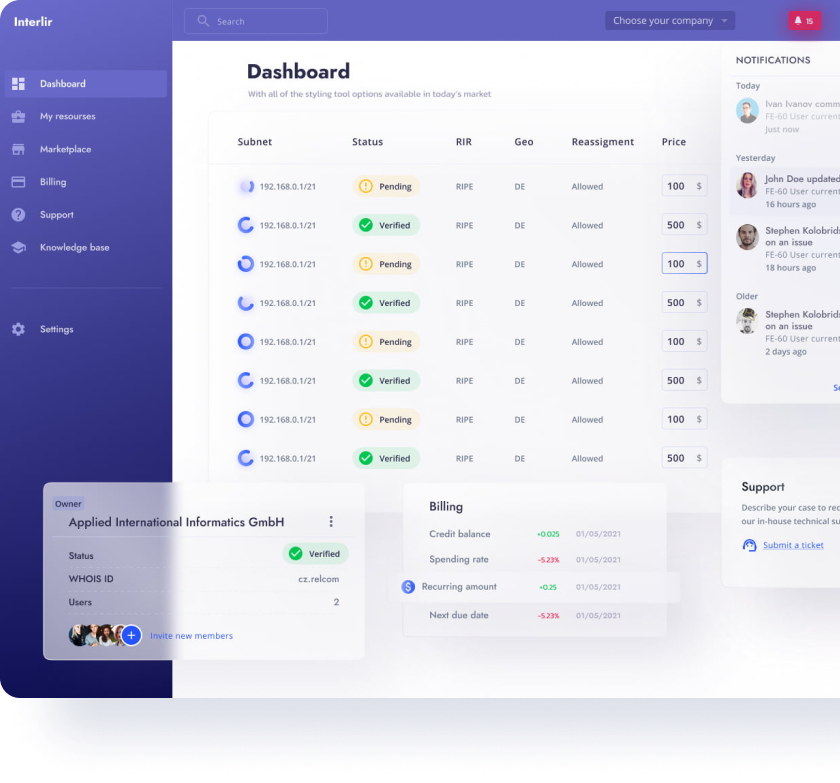
Effective abuse handling depends on verified contacts, prompt investigation, and clear responsibilities between resource owners and users. Contact InterLIR to discuss IPv4 leasing, lease-out services, and support for maintaining block reputation. The platform provides complaint notifications and reputation-checking workflows that can help teams coordinate incidents and review returned address space.

Evgeny Sevastyanov
Client Support Teamleader

A Beginner’s Guide to Subnetting IPv4 and IPv6 Addresses Subnetting is a critical

Why IPv4 Leasing Is Becoming the Smart Choice for Businesses in 2025 1. Introduction
As CEO of InterLIR, I’ve witnessed firsthand how network isolation strategies

What is an ASN? ASN stands for Autonomous System Number. It is a unique identifier

Anycast DNS: A Leader’s Guide to Protecting Your Digital Infrastructure Executive

RPKI Certification: A Leader’s Guide to Internet Routing Security Executive

Executive Summary: What You Need to Know 🎯 Strategic Importance – Internet

When AWS DynamoDB failed in October 2025, thousands of businesses discovered that

Executive Summary: What You Need to Know 🎯 IP reputation directly impacts your
Live chat is provided by Intercom and is loaded only after you enable it. You can also contact us without enabling the chat.