

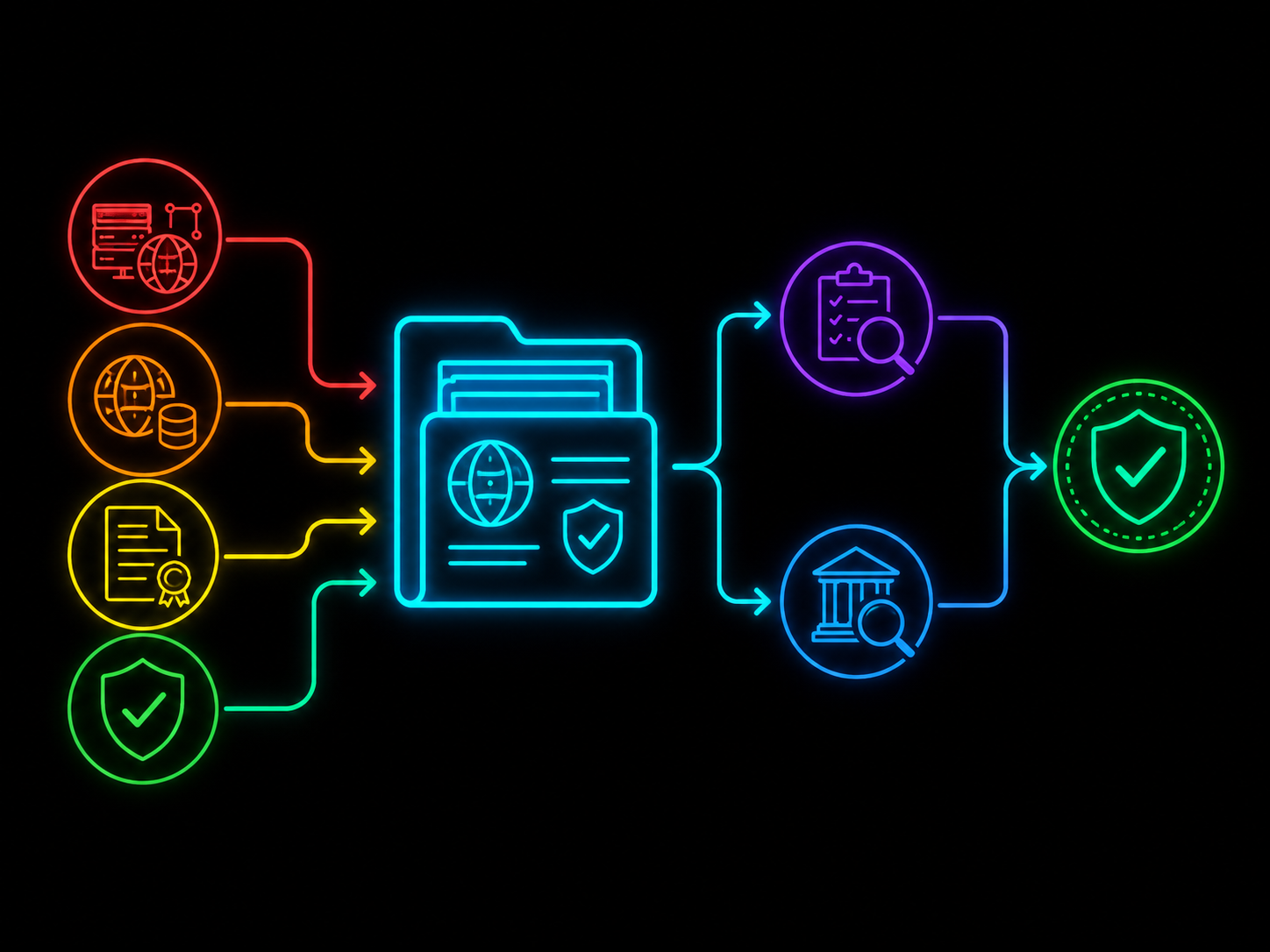
IPv4 ownership documentation helps organizations prove control over address resources and maintain accurate records during reviews. Internal teams use this information for asset management, while external auditors require evidence of legitimate ownership and operational rights. Proper documentation reduces disputes, supports compliance, and simplifies verification procedures.
IPv4 ownership audit documentation is a structured collection of records that proves an organization’s rights to use and manage IPv4 resources. It includes registration records, transfer agreements, routing authorization, and other evidence required for internal and external verification processes.
Why is IPv4 ownership documentation important for audits?
Organizations often manage IPv4 resources across multiple teams, providers, and locations. Without clear documentation, it can be difficult to confirm who controls specific address ranges and whether current usage matches official records.
Proper documentation supports:
- ownership verification: confirming legal and operational control of IP resources;
- asset tracking: maintaining accurate IPv4 inventories;
- audit preparation: providing evidence for internal and external reviews;
- risk management: reducing uncertainty about address rights.
Companies that require additional IPv4 resources can review Rent IPv4 Addresses options when evaluating address management strategies.
What documents prove IPv4 ownership?
The required evidence depends on how an organization obtained its IPv4 resources. A complete documentation package should show the history of the address block and confirm the organization’s current rights.
Common documents include:
- registration records from the relevant RIR database;
- purchase or transfer agreement documents;
- allocation and assignment records;
- invoices or contractual records;
- authorization documents for network operations.
These materials create an ownership history that can be reviewed during audits.
How do registration records and WHOIS information support verification?
Public registry information provides an important reference point for ownership checks. WHOIS records and RIR databases contain details about organizations associated with IPv4 resources.
However, registry information alone may not always show the complete ownership history. Auditors may also review:
- historical registration changes;
- transfer records;
- organizational documentation;
- agreements between involved parties.
Combining public data with internal records creates stronger evidence for verification.
What role does a transfer agreement play in IPv4 ownership audits?
A transfer agreement documents the legal movement of IPv4 resources between organizations. It helps establish the relationship between the previous holder and the current resource owner.
A valid agreement usually contains:
- Identification of the involved organizations.
- Details of the transferred IPv4 block.
- Transfer date and conditions.
- Responsibilities of each party.
- Confirmation of resource rights.
Maintaining these records supports the chain of custody for IP assets.
How should companies maintain an IPv4 asset register?
An asset register provides an internal view of all IPv4 resources controlled by an organization. It connects technical information with ownership and operational data.
A useful register should include:
- IPv4 ranges and prefix information;
- responsible departments or teams;
- current usage status;
- acquisition history;
- related contracts;
- routing information.
Regular updates help organizations detect missing records and prepare for future audits.
What is route authorization and why is it needed?
Route authorization confirms that an organization has permission to announce specific IPv4 prefixes through its network infrastructure. Auditors may review routing information to verify that operational usage matches ownership documentation.
Important checks include:
- confirming authorized origin ASNs;
- reviewing BGP announcements;
- validating routing relationships;
- checking alignment between records and actual network use.
This process helps prevent unauthorized announcements and incorrect resource usage.
How does the IPv4 ownership verification process work?
A structured verification process usually combines technical, administrative, and contractual checks.
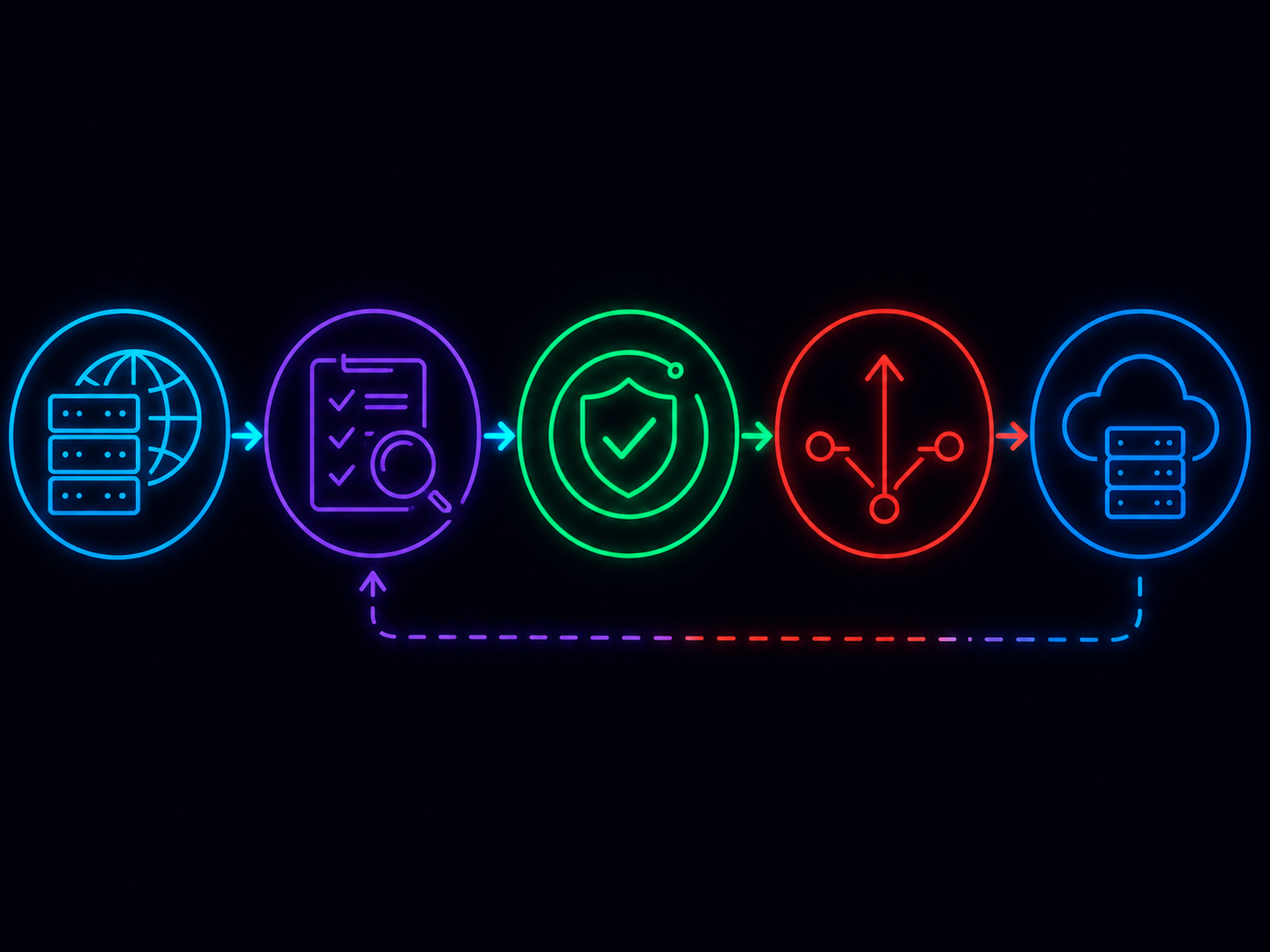
A typical workflow includes:
- Collecting ownership documents and registration information.
- Comparing records across internal systems and public databases.
- Reviewing transfer history and agreements.
- Confirming routing authorization.
- Recording audit results and updating documentation.
This approach supports both routine reviews and detailed due diligence procedures.
What questions should companies consider about IPv4 ownership audits?
What is IPv4 ownership audit documentation?
It is a collection of records that proves control, usage rights, and history of IPv4 resources.
Is WHOIS enough to prove IPv4 ownership?
No. WHOIS provides important registration data, but additional evidence such as agreements and internal records may be required.
Why is chain of custody important for IPv4 resources?
It shows how address rights moved between organizations and helps confirm the legitimacy of current ownership.
What should companies keep for external audits?
They should maintain registration records, contracts, transfer documents, routing authorization details, and asset inventory information.
How can companies improve IPv4 ownership documentation practices?
Organizations should maintain accurate ownership records, update asset registers, and preserve evidence that confirms address rights throughout the resource lifecycle. To explore IPv4 management, transfer support, or resource planning options, contact InterLIR and receive assistance with your IP documentation requirements.