Reverse DNS changes affect mail reputation, logging, abuse handling, and customer trust. Automation can reduce manual work, but it must not bypass approvals, naming policy, ownership checks, or rollback planning.
rDNS automation is the controlled use of scripts, APIs, or workflow systems to create, change, and remove reverse DNS records. It helps teams automate updates, manage each PTR record, protect DNS security, and keep dns change management tied to approval, verification, logs, and audit evidence.
Reverse DNS maps an IP address back to a name. A wrong value can break mail delivery, confuse security tools, or hide the real owner of an address. This is why automation should not mean “anyone can change anything.”
A safe control workflow keeps speed and governance together. It checks who requested the change, which address is affected, which service owns it, and whether the name follows policy. It also records the result.
The workflow should verify:
A reverse tool should validate before it writes. It should not only accept an IP address and a hostname. It must compare the request with IPAM, DNS, customer records, and routing state.
Useful validation checks include:
This design supports secure management because every automated update has a reason, owner, and evidence trail.
A bulk records update is useful during migration, customer onboarding, mail platform rollout, or data center move. It is also dangerous. One wrong file can rewrite hundreds of PTR records.
Before bulk execution, use staged controls:
The system should create an automated log for every record. The log should include requester, approver, old value, new value, timestamp, source system, and rollback status.
DNS change management links technical updates with business accountability. It tells auditors why a record changed, who approved it, and whether the change matched policy. It also helps incident teams understand whether an unexpected rDNS value is a compromise, a mistake, or an old migration artifact.
For leased IPv4 space, roles must be clear. Teams that lease IPv4 addresses should know who manages reverse delegation and PTR records. If the range becomes long-term infrastructure, teams can compare leasing with Buy IPv4 Addresses.
rDNS is not an authentication system, but it influences trust decisions. Mail systems, abuse desks, scanners, and partners often review PTR names during investigation. Weak controls can help an attacker disguise infrastructure or damage a tenant’s reputation.
Security checks should include:
Automation should also prevent stale data. Retired addresses should not keep old names. Reassigned addresses should not inherit another customer’s identity.
A corporate strategy for rDNS should define naming rules, delegation policy, lifecycle states, and integration points. It should connect IPAM, DNS, ticketing, SIEM, monitoring, and billing.
The goal is repeatability. New addresses should receive correct records. Retired addresses should lose records. Customer changes should be traceable. Auditors should see a consistent process, not a chain of manual edits.
Can PTR record updates be fully automated?
Yes, but only for approved patterns. Sensitive names, delegated zones, and high-risk customer changes should keep human review.
What is the main risk in bulk rDNS updates?
The main risk is wide impact from one bad input file. Dry-run, backup, batching, and rollback reduce that risk.
Does rDNS affect email delivery?
It can. Many mail systems check PTR records as one reputation and identity signal.
Should IPAM control rDNS automation?
IPAM should be the source of ownership and allocation data. DNS systems should still enforce syntax, zone, and security rules.
If your team needs IPv4 space with clear delegation, lease tracking, PTR planning, or automation-ready lifecycle control, contact InterLIR. The company provides infrastructure for IPv4 leasing, buying, lease-out, and marketplace workflows, so teams can connect address resources with DNS governance, routing, and operational controls.

Evgeny Sevastyanov
Support Team Leader

A Beginner’s Guide to Subnetting IPv4 and IPv6 Addresses Subnetting is a critical

Why IPv4 Leasing Is Becoming the Smart Choice for Businesses in 2025 1. Introduction
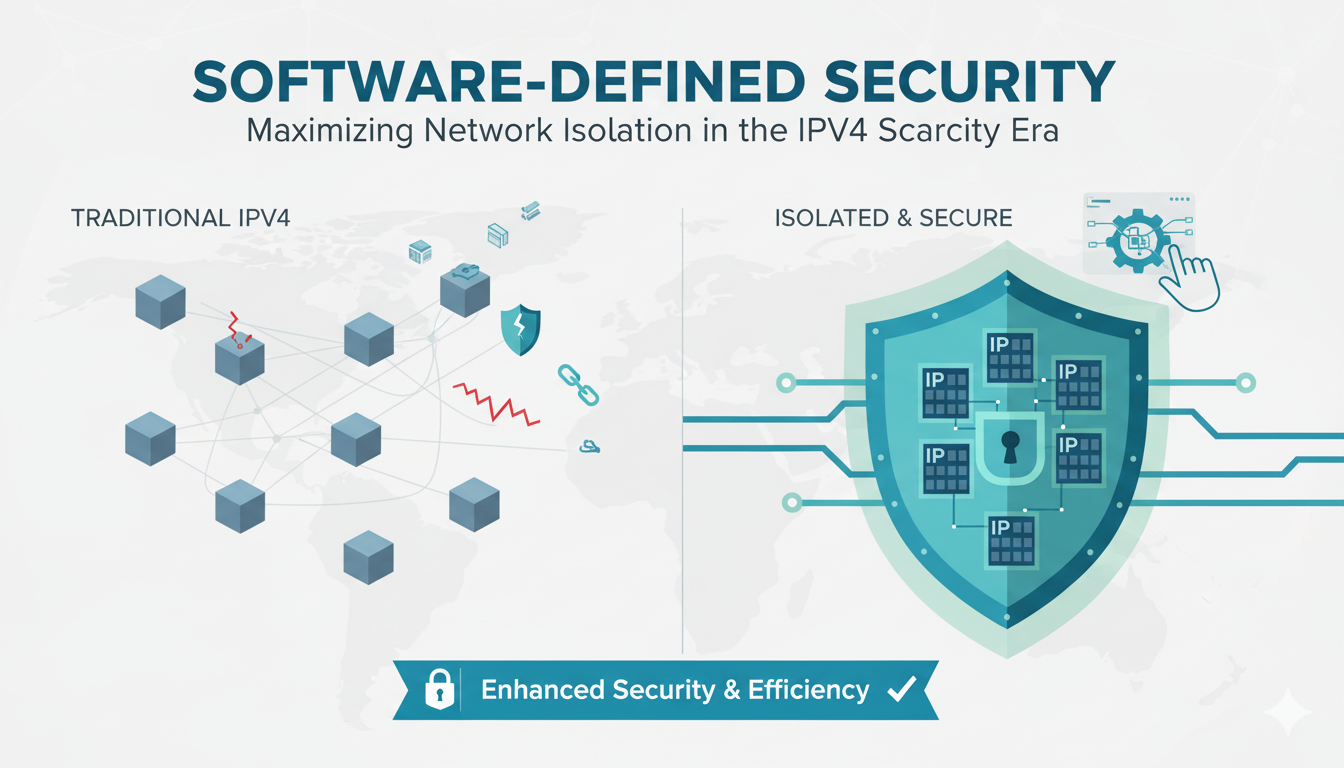
As CEO of InterLIR, I’ve witnessed firsthand how network isolation strategies

What is an ASN? ASN stands for Autonomous System Number. It is a unique identifier

Anycast DNS: A Leader’s Guide to Protecting Your Digital Infrastructure Executive

RPKI Certification: A Leader’s Guide to Internet Routing Security Executive

Executive Summary: What You Need to Know 🎯 Strategic Importance – Internet

When AWS DynamoDB failed in October 2025, thousands of businesses discovered that

Executive Summary: What You Need to Know 🎯 IP reputation directly impacts your
Live chat is provided by Intercom and is loaded only after you enable it. You can also contact us without enabling the chat.