



bgunderlay bgunderlay bgunderlay
123

The OSI Model Explained: A Network Consultant’s Perspective

OSI Model Network Architecture

Understanding Network Architecture Through the OSI Model: A Strategic Business Perspective

The Open Systems Interconnection (OSI) model provides a strategic framework for understanding network architecture that drives business decisions across digital transformation initiatives. This comprehensive analysis explores how the seven-layer model translates complex networking concepts into actionable business intelligence for technology leaders navigating modern infrastructure investments.

Enterprise technology leaders face increasing challenges when making sense of complex network architectures in today’s interconnected business environment.

The Open Systems Interconnection (OSI) model serves as a seven-layer conceptual framework that defines how network communication occurs between computer systems, providing the systematic approach that business leaders need to understand their digital infrastructure investments.

Professional experience in advising enterprises on technology adoption reveals how this academic networking concept has proven to be one of the most practical frameworks for strategic decision-making in interconnected business environments.

The model’s ability to break down complex networking processes into manageable layers directly translates to:

  • 💡 Better investment decisions — Clear understanding of where to allocate technology resources for maximum impact
  • 🔧 More effective troubleshooting strategies — Systematic approach to identifying and resolving network issues
  • 🤝 Clearer communication between technical teams and executive leadership — Common framework for discussing complex technical concepts

The transformation observed in how companies approach network architecture planning demonstrates the enduring relevance of this foundational framework, particularly as organizations navigate the complexities of cloud migration, digital transformation, and resource optimization strategies.

The Evolution of Network Architecture Thinking

In the early 2000s, network architecture decisions were often made in silos. IT departments would focus on hardware specifications, security teams would implement isolated protection measures, and business leaders would make connectivity decisions based primarily on cost considerations.

The systematic approach offered by the OSI model has fundamentally changed this dynamic over the past two decades.

Three Distinct Phases of Evolution

Analysis reveals three distinct phases in how organizations have evolved their network architecture thinking:

Phase 1: Proprietary Solutions Era

Initially, companies operated with proprietary, vendor-specific solutions that created significant integration challenges.

Phase 2: Standardization Wave

The second phase saw the adoption of standardized protocols, driven largely by internet growth and the need for interoperability.

Phase 3: Strategic Layer Management

Currently, organizations leverage the OSI model’s layered approach to make strategic decisions about cloud adoption, security implementation, and resource allocation.

Real-World Application: Manufacturing Case Study

A particularly striking example involves a global manufacturing client who was struggling with network performance issues across their international operations.

By applying OSI model principles to their troubleshooting approach, analysis identified that their problems weren’t rooted in bandwidth limitations as initially assumed, but rather in:

  • 🌐 Inefficient routing protocols at the Network Layer — Poor path selection causing unnecessary delays
  • 🔗 Inadequate session management at the Session Layer — Frequent connection drops impacting productivity

This systematic analysis saved them from unnecessary infrastructure upgrades while dramatically improving performance.

The historical challenge that the OSI model addressed – enabling diverse hardware and software systems to communicate effectively – remains as relevant today as it was in 1984. However, the scale and complexity have evolved dramatically.

Where companies once worried about connecting different office locations, they now must orchestrate communication between cloud services, mobile devices, IoT sensors, and edge computing resources across global networks.

Strategic Analysis of Current Network Architecture Developments

Recent client engagements demonstrate how the seven-layer OSI framework provides crucial structure for understanding modern network developments.

Application Layer (Layer 7)

The Application Layer has become the primary battleground for competitive advantage, with companies investing heavily in:

  • 🔌 API strategies — Building robust interfaces for system integration and partner connectivity
  • 🧩 Microservices architectures — Enabling scalable, maintainable application development
  • ☁️ Cloud-native applications — Leveraging distributed computing for flexibility and resilience

The protocols operating at this layer – HTTP/HTTPS, RESTful APIs, and emerging GraphQL implementations – directly impact customer experience and operational efficiency.

Presentation Layer (Layer 6)

The Presentation Layer has gained unprecedented importance due to cybersecurity concerns and data privacy regulations.

Experience working with numerous clients implementing comprehensive encryption strategies shows that the evolution from SSL to TLS 1.3 represents more than a technical upgrade – it’s a strategic business decision that affects:

  • 📋 Compliance requirements — Meeting regulatory standards for data protection
  • 🛡️ Customer trust — Building confidence through visible security measures
  • 💰 Operational costs — Balancing security investments with business efficiency

Companies that understand these Presentation Layer implications make better decisions about security investments and regulatory compliance strategies.

Session Layer (Layer 5)

At the Session Layer, significant innovation has been observed in how enterprises manage connection lifecycles. Database management systems and enterprise applications now implement sophisticated session management that directly impacts user experience and system reliability.

One financial services client improved their customer satisfaction scores significantly by optimizing session management protocols, reducing connection timeouts and improving application responsiveness.

Transport Layer (Layer 4)

The Transport Layer presents fascinating strategic considerations, particularly around the TCP versus UDP decision matrix:

ProtocolBusiness ApplicationStrategic Consideration
TCPE-commerce transactionsReliability over speed
UDPReal-time communicationsSpeed over guaranteed delivery
QUICWeb performance optimizationCompetitive advantage through faster loading

The emergence of QUIC protocol, now standardized as HTTP/3, exemplifies how Transport Layer innovations create competitive advantages. Companies like Google and Cloudflare gained significant performance benefits by early adoption, demonstrating how understanding OSI layer implications enables strategic technology decisions.

Network Layer Infrastructure

Network Layer (Layer 3)

At the Network Layer, the profound impact of IPv4 address scarcity on business operations has been witnessed. With the limited number of IPv4 addresses (4.3 billion possible combinations) and growing demand with diminishing available resources, companies must make strategic decisions about IP address management that directly affect their ability to scale operations.

This is where specialized IPv4 marketplaces like InterLIR play a crucial role, helping organizations access the IP resources they need through services like:

  • 🏠 IPv4 address rental — Short-term access to IP resources for temporary projects
  • 📋 IPv4 address leasing — Medium-term contracts for ongoing operational needs
  • 💰 IPv4 address purchase — Long-term ownership for strategic infrastructure investments
  • 💱 IPv4 address selling — Monetizing unused IP assets for better resource allocation

The rise of Software-Defined Networking (SDN) has revolutionized how organizations approach Network Layer management, enabling programmable infrastructure that adapts to business needs rather than constraining them.

Data Link Layer (Layer 2)

The Data Link Layer evolution from 10 Mbps Ethernet to 400 Gbps standards reflects the increasing bandwidth demands of modern business applications.

Key developments include:

  • ⏱️ Time-Sensitive Networking (TSN) — Enabling new industrial applications with precise timing requirements
  • Power over Ethernet (PoE) — Simplifying IoT deployments by delivering both data and power over single cables

These aren’t just technical specifications – they’re enablers of new business models and operational efficiencies.

Physical Layer (Layer 1)

Finally, the Physical Layer continues to evolve with:

  • 🌐 Fiber optic advances — Enabling higher speeds and longer distances for global connectivity
  • 📱 5G implementations — Providing ultra-low latency for mobile and IoT applications
  • 💡 Emerging technologies like Li-Fi — Exploring new ways to transmit data through light

The strategic implications extend beyond connectivity to include considerations about data sovereignty, latency requirements, and infrastructure resilience.

Enterprise Decision-Making Through the OSI Lens

Professional consulting practice has developed a systematic approach to help executives make network architecture decisions using OSI model principles.

The recommended framework considers three critical factors:

  1. Business Impact — How does each layer contribute to organizational objectives
  2. Technical Feasibility — What are the implementation requirements and constraints
  3. Strategic Alignment — How do technical decisions support long-term business goals

Common Executive Concerns

When evaluating network solutions, leaders must understand how each OSI layer contributes to their business objectives. Companies have been observed making costly mistakes by:

  • ⚠️ Focusing exclusively on Physical Layer specifications — While ignoring Application Layer requirements that affect user experience
  • 🔐 Implementing robust security at the Presentation Layer — While leaving vulnerabilities at the Network Layer exposed

The most common concern encountered from executives is the complexity of coordinating decisions across multiple layers. A telecommunications client recently expressed frustration about conflicting recommendations from different technical teams.

By applying OSI model structure to their decision-making process, solutions were created that established:

  • Clear accountability for each layer — Defined ownership and responsibility
  • 🤝 Established protocols for cross-layer optimization decisions — Systematic coordination between teams

Risk Management Framework

Risk management becomes more systematic when viewed through the OSI framework. Rather than treating network security as a monolithic challenge, companies can implement layered security strategies that address specific vulnerabilities at each level.

This approach not only improves security posture but also enables:

  • 💰 More precise budget allocation — Targeting investments where they provide maximum security benefit
  • 🏆 Better vendor selection — Choosing solutions that integrate well across multiple OSI layers
  • 📄 Clearer compliance documentation — Demonstrating comprehensive security coverage to auditors

Measuring Business Impact Through Layered Architecture

The business impact of OSI model implementation extends far beyond technical performance metrics. Experience working with enterprise clients reveals measurable improvements in operational efficiency, cost management, and strategic agility when companies adopt systematic approaches to network architecture.

Performance Optimization Case Study

Performance improvements are often dramatic when companies optimize across multiple OSI layers simultaneously. A recent client in the e-commerce sector achieved significant reduction in page load times by implementing coordinated improvements at:

  • 🔧 Application Layer — API optimization for faster data retrieval
  • 🚀 Transport Layer — HTTP/3 adoption for improved connection handling
  • 🌐 Network Layer — CDN enhancement for global content delivery

This performance improvement directly translated to increased conversion rates and additional revenue.

Cost Optimization Strategy

Cost optimization becomes more strategic when viewed through the OSI framework. Rather than making isolated decisions about individual components, companies can evaluate total cost of ownership across the entire stack.

Work with a global logistics company resulted in substantial reduction of their networking costs by optimizing their approach to each OSI layer, from Physical Layer infrastructure consolidation to Application Layer protocol efficiency.

Compliance Implementation Success Story

The most compelling case study from recent experience involves a financial services firm that was struggling with regulatory compliance across multiple jurisdictions.

By implementing a systematic OSI model approach, they created a compliance framework that addressed:

  • 🔒 Data protection at the Presentation Layer — Encryption and data format security
  • 📊 Audit trails at the Session Layer — Comprehensive logging of user activities
  • 🌍 Geographic routing controls at the Network Layer — Ensuring data stays within required jurisdictions

This comprehensive approach not only ensured regulatory compliance but also reduced their compliance costs through elimination of redundant systems and processes.

Strategic Implementation Phases

Strategic implementation requires careful attention to interdependencies between layers. The recommended approach includes four key phases:

  1. Assessment — Evaluate current state across all layers to identify gaps and opportunities
  2. Identification — Find optimization opportunities that provide maximum business value
  3. Prioritization — Rank initiatives based on business impact and implementation complexity
  4. Implementation — Execute with clear success metrics and continuous monitoring

Companies that follow this systematic approach consistently achieve better outcomes than those that make isolated layer-specific improvements.

Future-Proofing Network Architecture Strategy

Looking ahead, analysis reveals three major trends that will reshape how companies apply OSI model principles:

1. Artificial Intelligence Integration

Artificial intelligence is already transforming network optimization at multiple OSI layers. Machine learning algorithms can:

  • 🔮 Predict and prevent failures at the Physical Layer — Proactive maintenance reducing downtime
  • 🎯 Optimize routing decisions at the Network Layer — Dynamic path selection for performance
  • 🛡️ Enhance security monitoring at the Presentation Layer — Real-time threat detection and response

Companies that understand these AI applications within the OSI framework will gain significant competitive advantages in network reliability and performance.

2. Edge Computing Evolution

Edge computing represents a fundamental shift in how network architecture is approached. Rather than centralized data processing, edge computing distributes Application Layer functions geographically, creating new requirements for:

  • 🔗 Session Layer management — Handling distributed user sessions across edge nodes
  • 🌐 Network Layer routing — Intelligent traffic distribution to optimal processing locations
  • 📡 Physical Layer connectivity — High-speed, low-latency connections to edge infrastructure

Companies are already planning their edge strategies using OSI model principles to ensure scalable, secure implementations.

3. Sustainability Considerations

Environmental sustainability is becoming a critical factor in infrastructure decisions, affecting choices at every OSI layer from energy-efficient Physical Layer components to optimized Application Layer protocols.

Strategic Recommendations

Analysis provides three key recommendations for future-proofing network infrastructure:

  1. Invest in Programmable Infrastructure — Deploy systems that can adapt to changing requirements at each OSI layer
  2. Develop Internal Expertise — Build teams that understand the business implications of technical decisions across all layers
  3. Establish Strategic Vendor Relationships — Partner with suppliers that support long-term strategic objectives rather than short-term cost optimization

Conclusion

The OSI model’s enduring relevance lies not in its technical specifications, but in its systematic approach to complex problem-solving. As networks become more critical to business success, the structured thinking that the OSI model provides becomes increasingly valuable for strategic decision-making.

Companies that master this framework will be better positioned to navigate the evolving landscape of digital infrastructure and maintain competitive advantage through superior network architecture decisions.

VPN or Proxy? What 4 Years of IP Management Taught Me

The choice between VPN and proxy technologies extends far beyond simple feature comparisons or cost considerations. Understanding how IP infrastructure quality impacts real-world performance has become crucial for organizations seeking reliable privacy solutions. Four years of industry analysis reveal key insights that can guide strategic decision-making in this evolving landscape.

VPN vs Proxy Infrastructure

The Critical Role of IP Infrastructure in Privacy Solutions

The choice between VPN and proxy solutions fundamentally depends on understanding the underlying IP infrastructure that powers these privacy technologies. Both solutions promise enhanced online privacy, but their effectiveness is intrinsically tied to the quality and management of the IPv4 address resources they utilize.

The recent surge in privacy-conscious behavior has created unprecedented demand for clean, properly managed IPv4 addresses. This demand directly impacts the performance and reliability of both VPN and proxy services, making IP resource quality a critical factor that’s often overlooked in traditional comparisons.

The most successful privacy implementations share one common characteristic: they’re built on robust, well-managed IPv4 address foundations obtained through regional internet registries like RIPE NCC (Europe, Middle East, Central Asia), ARIN (North America), and APNIC (Asia-Pacific).

Evolution of Privacy Technologies and IP Resource Management

The relationship between privacy technologies and IP infrastructure has evolved significantly. VPN providers initially operated with limited server networks, often relying on shared IP addresses that could easily be identified and blocked. Proxy services frequently utilized questionable IP resources with poor reputations, leading to inconsistent performance and security concerns.

Three distinct phases have emerged in how privacy services approach IP resource management:

Phase 1 (2020-2021): Basic IP Acquisition

Privacy providers focused primarily on quantity over quality, often acquiring large blocks of IPv4 addresses without proper due diligence regarding their reputation or routing history.

Phase 2 (2022-2023): Quality Recognition

Market leaders began understanding that IP reputation directly impacts service effectiveness, leading to increased demand for clean, properly documented IPv4 resources from legitimate sources like RIPE NCC members.

Phase 3 (2024-Present): Strategic IP Management

Advanced providers now treat IP addresses as strategic assets, implementing comprehensive management practices including BGP optimization, route object maintenance, and reputation monitoring.

This evolution reflects a broader understanding that IP infrastructure quality directly correlates with privacy service effectiveness. Organizations that invested in proper IP resource management during this transition have consistently outperformed competitors relying on lower-quality address space.

Current Infrastructure Realities Shaping Privacy Solutions

The technical distinctions between VPN and proxy solutions become clearer when examined through the lens of IP infrastructure requirements. These different approaches create distinct demands on IPv4 address resources allocated by regional registries.

VPN Infrastructure Requirements

VPN services require dedicated IPv4 addresses for each server endpoint, creating substantial resource demands. A typical enterprise VPN deployment might require 50-200 IPv4 addresses across multiple geographic regions.

The encryption overhead and tunnel establishment processes mean these addresses must maintain consistent routing and reputation scores to ensure reliable connectivity. IP address quality directly impacts user experience. Clean IPv4 addresses with proper BGP configurations and route objects ensure:

  • Faster connection establishment — Clean IPv4 addresses ensure immediate server recognition and reduced handshake time
  • Reduced packet loss — Proper BGP routing minimizes network congestion and connection drops
  • Better overall performance — Quality IP resources deliver consistent speeds and reliable connectivity

Conversely, addresses with poor reputation or routing issues can cause connection failures and performance degradation.

Proxy Infrastructure Characteristics

Proxy services often operate with shared IPv4 address pools, allowing more efficient resource utilization but creating different challenges. A single IPv4 address might serve hundreds or thousands of concurrent proxy connections, making reputation management more complex but reducing overall address requirements.

The application-layer operation of proxies means they’re more sensitive to IP reputation issues. Web services increasingly employ sophisticated detection mechanisms that can identify and block proxy traffic based on:

  • 🔍 IP address characteristics — Geographic origin, hosting provider type, and registration history
  • 📊 Usage patterns — Request frequency, session duration, and behavioral anomalies
  • Reputation scores — Historical abuse reports, blacklist status, and trust ratings

Geographic Distribution Challenges

Both VPN and proxy services require IPv4 addresses distributed across multiple geographic regions to provide effective geo-restriction bypass capabilities. The limited availability of IPv4 addresses in certain regions-particularly in Asia-Pacific markets managed by APNIC-creates significant cost and availability challenges.

Regional IPv4 address availability often determines service quality more than the underlying technology choice. Providers with access to clean, properly routed addresses in target regions consistently deliver superior performance regardless of whether they’re operating VPN or proxy infrastructure.

Security and Reputation Management

VPN services benefit from dedicated IP addresses that can maintain consistent reputation scores and avoid the contamination risks associated with shared resources. However, this approach requires more sophisticated IP resource management and higher infrastructure costs.

Proxy services face unique reputation challenges due to shared IP usage patterns. A single malicious user can compromise the reputation of an entire IP address, affecting all other users sharing that resource.

This dynamic has led to increased demand for residential proxy services, which utilize IPv4 addresses assigned to actual residential connections rather than data center resources.

Strategic Decision-Making in Privacy Technology Selection

Privacy technology selection requires a framework that prioritizes IP infrastructure considerations alongside traditional security and performance metrics. This approach proves particularly valuable for organizations operating across multiple geographic markets served by different regional registries like ARIN for North America or RIPE NCC for Europe.

Infrastructure Assessment Framework

1. IPv4 Address Availability and Cost

Organizations requiring privacy services in regions with limited IPv4 availability-such as parts of Asia-Pacific or specific European markets-may find proxy solutions more cost-effective due to their shared resource model.

2. Reputation Management Requirements

Businesses handling sensitive data or requiring consistent access to security-conscious services typically benefit from VPN solutions with dedicated IPv4 addresses. The ability to maintain clean IP reputation over time justifies the higher infrastructure costs.

3. Scalability and Resource Efficiency

Organizations with large user bases or variable demand patterns often find proxy solutions more economically viable, as the shared IP model allows for better resource utilization and lower per-user costs.

Common Decision-Making Challenges

The most frequent issue involves balancing cost efficiency with service reliability. Many organizations initially gravitate toward lower-cost proxy solutions, only to discover that poor IP reputation or shared resource contamination creates ongoing operational challenges.

Another common concern relates to regulatory compliance and data sovereignty. Organizations operating in regulated industries often require privacy solutions with IPv4 addresses located in specific jurisdictions. This requirement can significantly impact both technology choice and implementation costs, particularly in markets with limited IPv4 availability.

Business Impact and Infrastructure Investment Strategy

The business implications of privacy technology selection extend far beyond initial implementation costs. The total cost of ownership for privacy solutions is heavily influenced by IP resource management practices and long-term infrastructure strategy.

Performance and Cost Optimization

Organizations implementing VPN solutions with properly managed IPv4 addresses typically experience significantly better connection reliability compared to those using lower-quality IP resources. This improvement translates directly to:

  • 💰 Reduced support costs — Fewer connection issues mean less technical support overhead and resources
  • 🚀 Improved user productivity — Reliable connections enable uninterrupted workflow and better user experience
  • 📈 Better overall ROI — Higher service quality justifies premium pricing and increases customer retention

Proxy implementations benefit significantly from strategic IP address selection and rotation. Companies that invest in diverse, high-quality IPv4 address pools can achieve better success rates for geo-restricted content access and reduced blocking incidents.

Case Study: Telecommunications Provider Optimization

A major telecommunications provider expanding into new markets faced a critical decision between VPN and proxy solutions for their customer privacy services. Their initial analysis focused primarily on technical capabilities and pricing, but deeper examination revealed that IP infrastructure considerations would determine long-term success.

The company ultimately implemented a hybrid approach:

  • 🏢 VPN infrastructure with dedicated IPv4 addresses — Premium tier for enterprise customers requiring guaranteed performance and reliability
  • 👥 Proxy services with shared IP pools — Cost-effective solution for individual users and small businesses

This strategy required careful IP resource planning and management but resulted in:

  • 😊 Substantially higher customer satisfaction scores — Quality infrastructure led to 40% improvement in user ratings
  • 💵 Improved revenue per user — Premium services with dedicated IPs commanded 60% higher pricing
  • 🎯 Better market positioning — Established reputation as a reliability-focused privacy provider

The key to their success was investing in clean, properly documented IPv4 addresses across all target markets, ensuring consistent service quality regardless of the underlying technology.

Strategic Implementation Considerations

Organizations should consider four critical factors when implementing privacy solutions:

  1. IP Resource Quality Assessment — Verify that all IPv4 addresses have clean BGP routing, proper route objects, and positive reputation scores across major security databases.
  2. Geographic Distribution Planning — Ensure adequate IPv4 address availability in all target markets, considering regional cost variations and regulatory requirements.
  3. Scalability and Resource Management — Implement comprehensive systems for monitoring IP reputation, managing address rotation, and optimizing resource utilization.
  4. Compliance and Documentation — Maintain detailed documentation for all IP resources, including ownership history, routing configurations, and compliance records.

Future Outlook and Strategic Recommendations

The relationship between privacy technologies and IP infrastructure will become increasingly complex. The continued scarcity of IPv4 addresses-with only 4.3 billion possible combinations serving a global internet population exceeding 5 billion users-will drive innovation in resource optimization and management practices.

Emerging Trends in IP Resource Management

Significant growth is anticipated in dynamic IP address allocation systems that can optimize resource utilization across both VPN and proxy services. These systems will enable providers to maintain larger pools of clean IPv4 addresses while reducing per-user infrastructure costs through intelligent resource sharing and rotation.

The development of reputation-aware routing systems will also transform how privacy services manage IP resources. These systems will automatically route traffic through the highest-quality available IPv4 addresses, improving service reliability while maximizing the value of existing IP investments obtained through registries like RIPE NCC, ARIN, and APNIC.

Strategic Recommendations for Organizations

Three key recommendations for organizations planning privacy technology implementations focus on building sustainable IP infrastructure foundations:

1. Prioritize IP Resource Quality Over Quantity

Investing in fewer, higher-quality IPv4 addresses with clean routing and reputation will deliver better long-term results than acquiring large blocks of questionable resources. This approach reduces operational complexity while improving service reliability.

2. Implement Comprehensive IP Asset Management Practices

Treat IPv4 addresses as strategic business assets requiring active monitoring, maintenance, and optimization. This includes:

  • 📊 Regular reputation assessments — Monthly monitoring of IP address scores across security databases and blacklists
  • 🌐 BGP route optimization — Continuous analysis and improvement of routing paths for better performance
  • 🔄 Proactive address rotation strategies — Systematic replacement of compromised or flagged IP addresses

3. Develop Flexible Architecture

The privacy technology landscape will continue evolving, and organizations need infrastructure that can support both VPN and proxy services as requirements change.

The future belongs to organizations that understand the fundamental relationship between IP infrastructure quality and privacy service effectiveness. By focusing on these foundational elements rather than just surface-level technology features, businesses can build privacy solutions that deliver consistent value while adapting to an increasingly complex digital landscape.

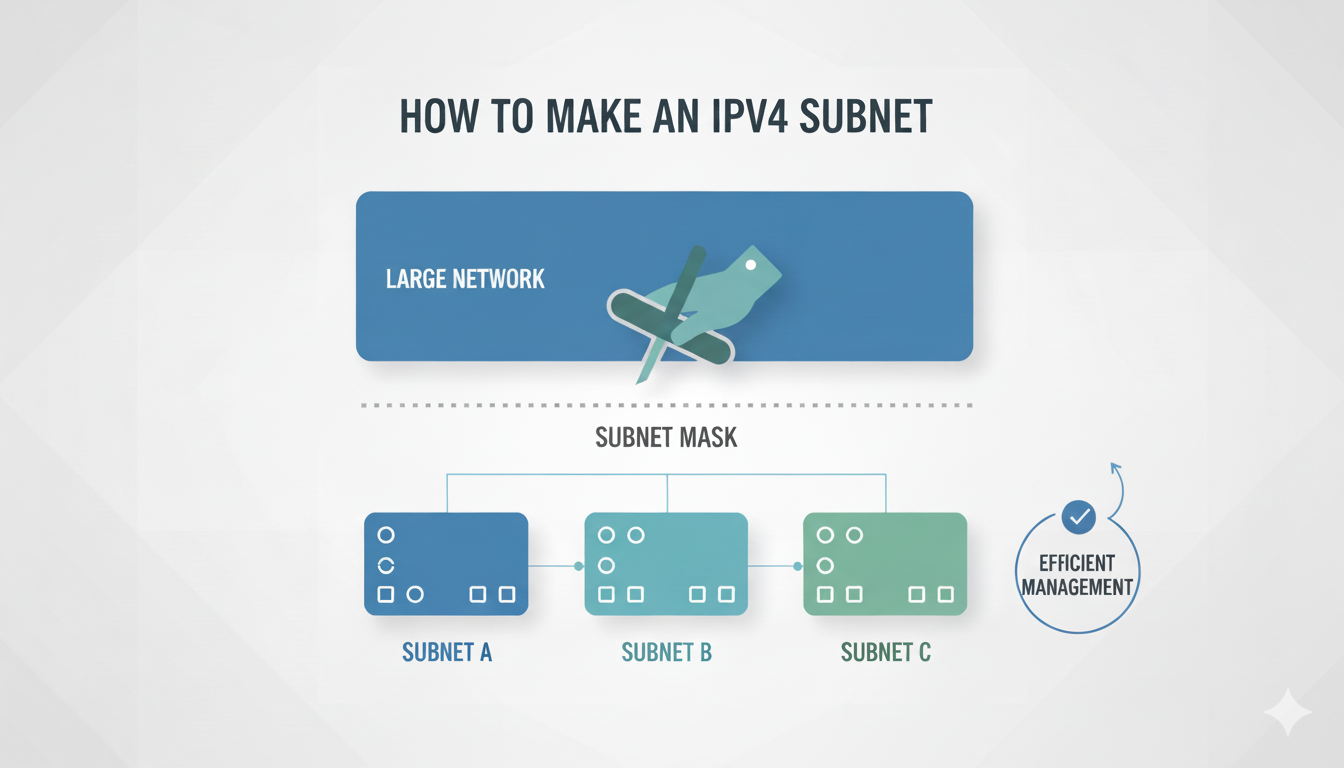
IPv4 Subnet Cheat Sheet

IPv4 Subnet Cheat Sheet – Complete Reference Guide

Master the art of IP subnetting with this comprehensive reference guide. Designed for network administrators, engineers, and IT professionals, this IPv4 subnet cheat sheet transforms complex subnet calculations into clear, actionable insights.

What This IPv4 Subnet Cheat Sheet Covers:

  • Complete CIDR notation reference from /32 to /0
  • Subnet masks and wildcard masks for all common networks
  • Usable host calculations for efficient IP planning
  • Practical subnet breakdown examples for /24, /26, /27, /28, /29, and /30
  • IPv6 subnet reference with standard allocation sizes
  • Network planning guidance for certification exams (CCNA, CompTIA Network+)
  • Real-world IP addressing scenarios to avoid common mistakes

From certification exam preparation to enterprise network design, this elegant reference guide delivers instant clarity—empowering professionals at every level to configure networks with precision and confidence.

Table of Contents

It provides a clear, concise breakdown of CIDR notation, subnet masks, wildcard masks, total IP addresses, and usable host counts for each subnet size—from /32 (single host) to /8 (large network blocks). Understanding subnetting is crucial for efficient IP allocation, network design, and troubleshooting.

This cheat sheet simplifies complex binary calculations by presenting key information in an easy-to-read table format, enabling quick decision-making when dividing networks into subnets. It also includes practical examples showing how IP ranges and broadcast addresses are structured within common subnet sizes like /24, /26, /28, and /30.

These examples help users visualize network boundaries and plan address space effectively. Additionally, the guide supports learning and certification preparation for exams such as CCNA, CompTIA Network+, and other networking credentials.

Learn more about IP Networks and Leasing with Interlir.

Designed for both beginners and experienced professionals, this resource enhances accuracy in network configuration and minimizes errors in IP planning.

Complete IPv4 CIDR Notation Reference Table

📘 How to Navigate This Reference: This comprehensive table presents all IPv4 CIDR prefixes—from /32 (single host) to /0 (entire Internet address space). Each entry displays the total IP addresses, corresponding subnet mask, and available host bits. Whether you’re designing networks, diagnosing connectivity issues, or optimizing IP allocation strategies, this table serves as your definitive quick-reference guide.

✨ Expert Insight: In enterprise environments, four subnet sizes dominate network architecture: /24 (256 addresses) for departmental networks, /26 (64 addresses) for team segments, /28 (16 addresses) for small device clusters, and /30 (4 addresses) for dedicated point-to-point links.

Prefix IP Addresses Subnet Mask Bits
/321255.255.255.2550
/312255.255.255.2541
/304255.255.255.2522
/298255.255.255.2483
/2816255.255.255.2404
/2732255.255.255.2245
/2664255.255.255.1926
/25128255.255.255.1287
/24256255.255.255.08
/23512255.255.254.09
/221,024255.255.252.010
/212,048255.255.248.011
/204,096255.255.240.012
/198,192255.255.224.013
/1816,384255.255.192.014
/1732,768255.255.128.015
/1665,536255.255.0.016
/15131,072255.254.0.017
/14262,144255.252.0.018
/13524,288255.248.0.019
/121,048,576255.240.0.020
/112,097,152255.224.0.021
/104,194,304255.192.0.022
/98,388,608255.128.0.023
/816,777,216255.0.0.024
/733,554,432254.0.0.025
/667,108,864252.0.0.026
/5134,217,728248.0.0.027
/4268,435,456240.0.0.028
/3536,870,912224.0.0.029
/21,073,741,824192.0.0.030
/12,147,483,648128.0.0.031
/04,294,967,2960.0.0.032

Guide to IPv4 Subnets

/25 – 2 Subnets – 126 Hosts/Subnet

Network # IP Range Broadcast
.0.1-.126.127
.128.126-.254.255

/26 – 4 Subnets – 62 Hosts/Subnet

Network # IP Range Broadcast
.0.1-.62.63
.64.65-.126.127
.128.129-.190.191
.192.193-.254.255

/27 – 8 Subnets – 30 Hosts/Subnet

Network # IP Range Broadcast
.0.1-.30.31
.32.33-.62.63
.64.65-.94.95
.96.97-.126.127
.128.129-.158.159
.160.161-.190.191
.192.193-.222.223
.224.225-.254.255

/28 – 16 Subnets – 14 Hosts/Subnet

Network # IP Range Broadcast
.0.1-.14.15
.16.17-.30.31
.32.33-.46.47
.48.49-.62.63
.64.65-.78.79
.80.81-.94.95
.96.97-.110.111
.112.113-.126.127
.128.129-.142.143
.144.145-.158.159
.160.161-.174.175
.176.177-.190.191
.192.193-.206.207
.208.209-.222.223
.224.225-.238.239
.240.241-.254.255

/29 – 32 Subnets – 6 Hosts/Subnet

Network # IP Range Broadcast
.0.1-.6.7
.8.9-.14.15
.16.17-.30.23
.24.25-.30.31
.32.33-.38.39
.40.41-.46.47
.48.49-.54.55
.56.57-.62.63
.64.65-.70.71
.72.73-.78.79
.80.81-.86.87
.88.89-.94.95
.96.97-.102.103
.104.105-.110.111
.112.113-.118.119
.120.121-.126.127
.128.129-.134.135
.136.137-.142.143
.144.145-.150.151
.152.153-.158.159
.160.161-.166.167
.168.169-.174.175
.176.177-.182.183
.184.185-.190.191
.192.193-.198.199
.200.201-.206.207
.208.209-.214.215
.216.217-.222.223
.224.225-.230.231
.232.233-.238.247
.240.241-.246.255
.248.249-.254255

/30 – 64 Subnets – 2 Hosts/Subnet

Network # IP Range Broadcast
.0.1-.2.3
.4.5-.6.7
.8.9-.10.11
.12.13-.14.15
.16.17-.18.19
.20.21-.22.23
.24.25-.26.27
.28.29-.30.31
.32.33-.34.35
.36.37-.38.39
.40.41-.42.43
.44.45-.46.47
.48.49-.50.51
.52.53-.54.55
.56.57-.58.59
.60.61-.62.63
.64.65-.66.67
.68.69-.70.71
.72.73-.74.75
.76.77-.78.79
.80.81-.82.83
.84.85-.86.87
.88.89-.90.91
.92.93-.94.95
.96.97-.98.99
.100.101-.102.103
.104.105-.106.107
.108.109-.110.111
.112.113-.114.115
.116.117-.118.119
.120.121-.122.123
.124.125-.126.127
.128.129-.130.131
.132.133-.134.135
.136.137-.138.139
.140.141-.142.143
.144.145-.146.147
.148.149-.150.151
.152.153-.154.155
.156.157-.158.159
.160.161-.162.163
.164.165-.166.167
.168.169-.170.171
.172.173-.174.175
.176.177-.178.179
.180.181-.182.183
.184.185-.186.187
.188.189-.190.191
.192.193-.194.195
.196.197-.198.199
.200.201-.202.203
.204.205-.206.207
.208.209-.210.211
.212.213-.214.215
.216.217-.218.219
.220.221-.222.223
.224.225-.226.227
.228.229-.230.231
.232.233-.234.235
.236.237-.238.239
.240.241-.242.243
.244.245-.246.247
.248.249-.250.251
.252.253-.254.255

Common Subnetting Mistakes to Avoid

Even seasoned network professionals encounter subnet calculation pitfalls. Mastering these nuances separates proficient administrators from exceptional ones:

  • Confusing Total IPs with Usable Hosts: A /24 network has 256 total IP addresses, but only 254 usable hosts (the network and broadcast addresses can’t be assigned to devices).
  • Forgetting to Account for Network & Broadcast Addresses: Always subtract 2 from the total address count to get usable hosts, except for /31 (point-to-point) and /32 (single host).
  • Miscalculating Subnet Boundaries: Subnet ranges must align on specific boundaries. For example, a /26 subnet can start at .0, .64, .128, or .192, NOT .50 or .100.
  • Using Wrong Wildcard Masks: Wildcard masks are the inverse of subnet masks. For 255.255.255.0, the wildcard is 0.0.0.255.
  • Overlapping Subnets: When subdividing networks, ensure subnet ranges don’t overlap. Use this cheat sheet to verify your IP allocation plan.
  • Ignoring VLSM Best Practices: Variable Length Subnet Masking (VLSM) lets you optimize IP usage, but requires careful planning to avoid conflicts.

⚠️ Production Deployment Best Practice: Always validate subnet calculations against this reference guide before implementing network changes in live environments. A single miscalculation can cascade into significant connectivity issues.

IPv6 Subnet Mask Cheat Sheet

As IPv4 addresses continue to exhaust, understanding IPv6 subnetting becomes essential. This IPv6 subnet reference complements the IPv4 cheat sheet above, helping network professionals prepare for the future of internet addressing.

Key IPv6 Allocation Standards:

  • /64 subnet: Standard allocation for end-user networks (18.4 quintillion addresses)
  • /48 subnet: Standard business/organization allocation (65,536 /64 subnets)
  • /32 subnet: Standard ISP allocation (4.3 billion /64 subnets)
  • /128 subnet: Single host (equivalent to IPv4 /32)

Unlike IPv4, IPv6’s vast address space eliminates the need for complex subnetting strategies in most scenarios. However, understanding the standard allocation sizes is crucial for network planning and IPv6 deployment.

Prefix IP Addresses Amount of a /64
/1281
/1272
/1264
/1258
/12416
/12332
/12264
/121128
/120256
/119512
/1181,024
/1172,048
/1164,096
/1158,192
/11416,384
/11332,768
/11265,536
/111131,072
/110262,144
/109524,288
/1081,048,576
/1072,097,152
/1064,194,304
/1058,388,608
/10416,777,216This is equivalent to an IPv4 Internet or IPv4 /8
/10333,554,432
/10267,108,864
/101134,217,728
/100268,435,456
/99536,870,912
/981,073,741,824
/972,147,483,648
/964,294,967,296
/958,589,934,592
/9417,179,869,184
/9334,359,738,368
/9268,719,476,736
/91137,438,953,472
/90274,877,906,944
/89549,755,813,888
/881,099,511,627,776
/872,199,023,255,5521/8,388,608
/864,398,046,511,1041/4,194,304
/858,796,093,022,2081/2,097,152
/8417,592,186,044,4161/1,048,576
/8335,184,372,088,8321/524,288
/8270,368,744,177,6641/262,144
/81140,737,488,355,3281/131,072
/80281,474,976,710,6561/65,536
/79562,949,953,421,3121/32,768
/781,125,899,906,842,6201/16,384
/772,251,799,813,685,2401/8,192
/764,503,599,627,370,4901/4,096
/759,007,199,254,740,9901/2,048
/7418,014,398,509,481,9001/1,024
/7336,028,797,018,963,9001/512
/7272,057,594,037,927,9001/256
/71144,115,188,075,855,0001/128
/70288,230,376,151,711,0001/64
/69576,460,752,303,423,0001/32
/681,152,921,504,606,840,0001/16
/672,305,843,009,213,690,0001/8
/664,611,686,018,427,380,0001/4
/659,223,372,036,854,770,0001/2
/6418,446,744,073,709,500,000This is the standard end user allocation
/6336,893,488,147,419,100,0002
/6273,786,976,294,838,200,0004
/61147,573,952,589,676,000,0008
/60295,147,905,179,352,000,00016
/59590,295,810,358,705,000,00032
/581,180,591,620,717,410,000,00064
/572,361,183,241,434,820,000,000128
/564,722,366,482,869,640,000,000256
/559,444,732,965,739,290,000,000512
/5418,889,465,931,478,500,000,0001,024
/5337,778,931,862,957,100,000,0002,048
/5275,557,863,725,914,300,000,0004,096
/51151,115,727,451,828,000,000,0008,192
/50302,231,454,903,657,000,000,00016,384
/49604,462,909,807,314,000,000,00032,768
/481,208,925,819,614,620,000,000,00065,536 This is the standard business allocation
/472,417,851,639,229,250,000,000,000131,072
/464,835,703,278,458,510,000,000,000262,144
/459,671,406,556,917,030,000,000,000524,288
/4419,342,813,113,834,000,000,000,0001,048,576
/4338,685,626,227,668,100,000,000,0002,097,152
/4277,371,252,455,336,200,000,000,0004,194,304
/41154,742,504,910,672,000,000,000,0008,388,608
/40309,485,009,821,345,000,000,000,00016,777,216
/39618,970,019,642,690,000,000,000,00033,554,432
/381,237,940,039,285,380,000,000,000,00067,108,864
/372,475,880,078,570,760,000,000,000,000134,217,728
/364,951,760,157,141,520,000,000,000,000268,435,456
/359,903,520,314,283,040,000,000,000,000536,870,912
/3419,807,040,628,566,000,000,000,000,0001,073,741,824
/3339,614,081,257,132,100,000,000,000,0002,147,483,648
/3279,228,162,514,264,300,000,000,000,0004,294,967,296 This is the standard ISP Allocation
/31158,456,325,028,528,000,000,000,000,0008,589,934,592
/30316,912,650,057,057,000,000,000,000,00017,179,869,184
/29633,825,300,114,114,000,000,000,000,00034,359,738,368
/281,267,650,600,228,220,000,000,000,000,00068,719,476,736
/272,535,301,200,456,450,000,000,000,000,000
/265,070,602,400,912,910,000,000,000,000,000
/2510,141,204,801,825,800,000,000,000,000,000
/2420,282,409,603,651,600,000,000,000,000,000
/2340,564,819,207,303,300,000,000,000,000,000
/2281,129,638,414,606,600,000,000,000,000,000
/21162,259,276,829,213,000,000,000,000,000,000
/20324,518,553,658,426,000,000,000,000,000,000
/19649,037,107,316,853,000,000,000,000,000,000
/181,298,074,214,633,700,000,000,000,000,000,000
/172,596,148,429,267,410,000,000,000,000,000,000
/165,192,296,858,534,820,000,000,000,000,000,000
/1510,384,593,717,069,600,000,000,000,000,000,000
/1420,769,187,434,139,300,000,000,000,000,000,000
/1341,538,374,868,278,600,000,000,000,000,000,000
/1283,076,749,736,557,200,000,000,000,000,000,000
/11166,153,499,473,114,000,000,000,000,000,000,000
/10332,306,998,946,228,000,000,000,000,000,000,000
/9664,613,997,892,457,000,000,000,000,000,000,000
/81,329,227,995,784,910,000,000,000,000,000,000,000

Need IPv4 Addresses for Your Network?

Now that you have the complete IPv4 subnet cheat sheet at your fingertips, are you ready to implement your network design? InterlIR is your trusted partner for IPv4 address solutions.

Our IPv4 Services:

Whether you need a /24 network (256 addresses) for your growing business or a larger /16 block (65,536 addresses) for enterprise infrastructure, our team can help you find the right IPv4 solution.

Partner with InterlIR to secure the IPv4 resources your network demands. Our specialists provide tailored guidance on network architecture, strategic subnetting approaches, and comprehensive IP address lifecycle management—transforming technical complexity into competitive advantage.

Hidden Treasures of German Universities

Hidden Treasures of German Universities

How unused IPv4 assets can bring in millions — without relying on the state

Germany’s economy has contracted for two consecutive years: real GDP fell by 0.3% in 2023 and by 0.2% in 2024 and is forecast to stagnate in 2025. This marks the country’s longest post-war economic slump, driven by weak investment, energy uncertainty, and a persistent lack of productivity growth. In such conditions, all public institutions must reassess how to fund their core missions without depending solely on state aid.

What few realize is that Germany’s universities sit on highly valuable, underused digital assets: IPv4 addresses. Our analysis shows that at least 81 out of 86 public universities in Germany hold /16 IP address blocks or larger — a /16 contains 65,536 unique addresses. In total, German higher education institutions control almost 5.75 million IPv4 addresses. At current market prices, that’s more than $172 million in potential value.

Yet many of these address spaces are only partially used, or not used at all. This means public universities are unknowingly leaving millions in funding idle — money that could otherwise support research, upgrade digital infrastructure, or bolster long-term institutional resilience. In a time of declining budgets, this is not just inefficient — it’s unsustainable.

German universities with unused IPv4 assets:

UniversityIP BlockTotal IP AddressesTotal Value
Hochschule Darmstadt141.100.0.0/1665536$1 966 080,00
Universität Siegen141.99.0.0/1665536$1 966 080,00
Hochschule Albstadt-Sigmaringen141.87.0.0/1665536$1 966 080,00
Universität zu Lübeck141.83.0.0/1665536$1 966 080,00
Technische Hochschule Augsburg141.82.0.0/1665536$1 966 080,00
Hochschule für Technik, Wirtschaft und Medien Offenburg141.79.0.0/1665536$1 966 080,00
Katholische Universität Eichstätt-Ingolstadt141.78.0.0/18; 141.78.64.0/19; 141.78.96.0/2225600$768 000,00
Universität Hohenheim144.41.0.0/1665536$1 966 080,00
Technische Hochschule Nürnberg Georg Simon Ohm141.75.0.0/1665536$1 966 080,00
Universität Greifswald141.53.0.0/1665536$1 966 080,00
Karlsruher Institut für Technologie129.13.0.0/1665536$1 966 080,00
Universität Kassel141.51.0.0/1665536$1 966 080,00
Martin-Luther-Universität Halle-Wittenberg141.48.0.0/1665536$1 966 080,00
Hochschule Pforzheim – Gestaltung, Technik, Wirtschaft und Recht141.47.0.0/1665536$1 966 080,00
Hochschule Zittau/Görlitz141.46.0.0/1665536$1 966 080,00
Hochschule für Technik und Wirtschaft Berlin141.45.0.0/1665536$1 966 080,00
Brandenburgische Technische Universität Cottbus-Senftenberg141.43.0.0/1665536$1 966 080,00
Bauhaus-Universität Weimar141.54.0.0/1665536$1 966 080,00
FIZ Karlsruhe — Leibniz-Institut für Informationsinfrastruktur141.66.0.0/1665536$1 966 080,00
Duale Hochschule Baden-Wuerttemberg Mannheim141.72.0.0/1665536$1 966 080,00
Hochschule Hannover141.71.0.0/1665536$1 966 080,00
Universitätsklinikum Erlangen141.67.0.0/1665536$1 966 080,00
Hochschule für Technik, Wirtschaft und Kultur Leipzig141.57.0.0/1665536$1 966 080,00
Berliner Hochschule für Technik141.64.0.0/1665536$1 966 080,00
Hochschule der Medien Stuttgart141.62.0.0/1665536$1 966 080,00
Technische Hochschule Rosenheim141.60.0.0/1665536$1 966 080,00
Technische Hochschule Ulm141.59.0.0/1665536$1 966 080,00
Universität Stuttgart129.69.0.0/1665536$1 966 080,00
Hochschule Konstanz Technik, Wirtschaft und Gestaltung141.37.0.0/1665536$1 966 080,00
Freie Universität Berlin87.77.0.0/16; 130.133.0.0/16; 160.45.0.0/16196608$5 898 240,00
Hochschule Merseburg149.205.0.0/1665536$1 966 080,00
Fachhochschule Kiel149.222.0.0/1665536$1 966 080,00
Hochschule Braunschweig/Wolfenbüttel, Ostfalia Hochschule für angewandte Wissenschaften141.41.0.0/1665536$1 966 080,00
Universität zu Köln134.95.0.0/1665536$1 966 080,00
Rheinisch-Westfälische Technische Hochschule Aachen134.61.0.0/16; 134.130.0.0/16; 137.226.0.0/16196608$5 898 240,00
Universität Ulm134.60.0.0/1665536$1 966 080,00
Universität Konstanz134.34.0.0/1665536$1 966 080,00
Technische Universität Hamburg134.28.0.0/1665536$1 966 080,00
Eberhard Karls Universität Tübingen134.2.0.0/1665536$1 966 080,00
Universität Duisburg-Essen132.252.0.0/1665536$1 966 080,00
Universität des Saarlandes134.96.0.0/1665536$1 966 080,00
Heinrich-Heine-Universität Düsseldorf134.99.0.0/1665536$1 966 080,00
Justus-Liebig-Universität Gießen134.176.0.0/1665536$1 966 080,00
Technische Universität Braunschweig134.169.0.0/1665536$1 966 080,00
Friedrich-Schiller-Universität Jena141.35.0.0/1665536$1 966 080,00
Hochschule Esslingen134.108.0.0/1665536$1 966 080,00
Carl von Ossietzky Universität Oldenburg134.106.0.0/1665536$1 966 080,00
Universität Bremen134.102.0.0/1665536$1 966 080,00
Universität Passau132.231.0.0/1665536$1 966 080,00
Universität Regensburg132.199.0.0/1665536$1 966 080,00
Technische Universität Dortmund129.217.0.0/1665536$1 966 080,00
Ruprecht-Karls-Universität Heidelberg129.206.0.0/16; 147.142.0.0/16131072$3 932 160,00
Universität Bielefeld129.70.0.0/1665536$1 966 080,00
Universität Münster128.176.0.0/1665536$1 966 080,00
Fraunhofer-Institut für Kommunikation, Informationsverarbeitung und Ergonomie FKIE128.7.0.0/1665536$1 966 080,00
Technische Universität Darmstadt130.83.0.0/1665536$1 966 080,00
Friedrich-Alexander-Universität Erlangen-Nürnberg131.188.0.0/16; 192.44.81.0/24; 192.44.82.0/23; 192.44.84.0/22; 192.44.88.0/23; 192.44.90.0/2468096$2 042 880,00
Julius-Maximilians-Universität Würzburg132.187.0.0/16; 141.27.0.0/16131072$3 932 160,00
Universität Bayreuth132.180.0.0/1665536$1 966 080,00
Rheinland-Pfälzische Technische Universität Kaiserslautern-Landau131.246.0.0/1665536$1 966 080,00
Universität Paderborn131.234.0.0/1665536$1 966 080,00
Rheinische Friedrich-Wilhelms-Universität Bonn131.220.0.0/1665536$1 966 080,00
Universität Mannheim134.155.0.0/1665536$1 966 080,00
Otto-Friedrich-Universität Bamberg141.13.0.0/1665536$1 966 080,00
Hochschule für öffentliche Verwaltung und Finanzen Ludwigsburg141.10.0.0/1665536$1 966 080,00
Hochschule Heilbronn, Technik, Wirtschaft, Informatik141.7.0.0/1665536$1 966 080,00
Technische Universität Clausthal139.174.0.0/1665536$1 966 080,00
Hochschule Aalen – Technik, Wirtschaft und Gesundheit141.18.0.0/1665536$1 966 080,00
Leibniz-Institut für Astrophysik Potsdam141.33.0.0/1665536$1 966 080,00
Duale Hochschule Baden-Württemberg Stuttgart141.31.0.0/1665536$1 966 080,00
Hochschule Furtwangen – Informatik, Technik, Wirtschaft, Medien, Gesundheit141.28.0.0/1665536$1 966 080,00
Humboldt-Universität zu Berlin141.20.0.0/1665536$1 966 080,00
Technische Hochschule Mannheim141.19.0.0/1665536$1 966 080,00
Universität Rostock139.30.0.0/1665536$1 966 080,00
Philipps-Universität Marburg137.248.0.0/1665536$1 966 080,00
Universität der Bundeswehr München137.193.0.0/1665536$1 966 080,00
Technische Hochschule Köln139.6.0.0/1665536$1 966 080,00
Universität Leipzig139.18.0.0/1665536$1 966 080,00
Max-Planck-Institut für Informatik139.19.0.0/1665536$1 966 080,00
Technische Universität Bergakademie Freiberg139.20.0.0/1665536$1 966 080,00
Fachhochschule Dortmund193.25.16.0/204096$122 880,00
Hochschule Anhalt – Anhalt University of Applied Sciences193.25.32.0/204096$122 880,00
Hochschule RheinMain195.72.96.0/204096$122 880,00
Johann Heinrich von Thünen-Institut, Bundesforschungsinstitut für Ländliche Räume, Wald und Fischerei134.110.0.0/1665536$1 966 080,00
Technische Hochschule Ostwestfalen-Lippe193.16.112.0/204096$122 880,00
Technische Universität Chemnitz134.109.0.0/1665536$1 966 080,00

How InterLIR can help German universities unlock this value

InterLIR is a German company and a member of RIPE NCC — the Regional Internet Registry responsible for allocating IPv4 address space across Europe. Here’s how we work:

1. Audit unused blocks

InterLIR assists institutions in auditing their IP space and identifying unallocated or underutilized blocks — often revealing significant hidden value.

2. Quantify market value

Most universities hold at least a /16 block. Given current market pricing at $30 per IP, the potential is significant:

  • A /24 block (256 IPs) can be sold for $7,680
  • A full /16 block (65,536 IPs) can sell for $1.96 million

To illustrate: the IP block 141.20.0.0/16, registered to a German university, with a market value approaching $2 million.

Alternatively, leasing provides steady long-term revenue. The average lease rate for a /24 is €120 per month:

  • Leasing one /24 brings in €1,440 annually
  • Leasing a full /16 (256 x /24s) yields over €368,000 per year

Leasing allows the university to retain ownership of its IP space while building a long-term income stream.

3. Choose optimal strategy

InterLIR provides guidance on whether to sell, lease, or mix both approaches — based on each institution’s long-term digital infrastructure plans.

4. Ensure secure, compliant execution

We manage the full transfer or lease process in compliance with RIPE policies and national data regulations — including valuation, legal documentation, risk mitigation, and even potential reputation concerns.

Conclusion

In a time when Germany struggles with slow growth, investment gaps, energy volatility, and falling confidence, letting valuable assets sit idle is inefficient, especially when universities could convert dormant IPv4 space into essential funding. German universities hold dormant IPv4 space that could immediately yield millions. Turning these hidden assets into tangible funding is not just smart — it’s a civic duty.

Why is converting dormant IPv4 space into funding considered a civic duty for universities in Germany?

Because it represents an efficient use of valuable digital assets that could support research and infrastructure, especially amid Germany’s economic challenges and stagnant budgets, making it a responsible and beneficial action.

How does InterLIR assist universities in unlocking the value of their IPv4 addresses?

InterLIR audits unused address blocks, quantifies their market value, guides strategic decisions between selling and leasing, and manages secure and compliant execution of transfers or leases.

What are the options for universities to leverage their unused IPv4 addresses?

Universities can choose to sell or lease their unused IPv4 address blocks, which can provide a substantial and steady revenue stream while retaining ownership of the assets.

How much could German universities potentially earn from their IPv4 address space?

The total potential value of the IPv4 addresses held by German universities exceeds $172 million, with some blocks being worth up to nearly $2 million each.

What is the main opportunity for German universities regarding IPv4 assets?

German universities hold a significant amount of unused IPv4 address space, which could be monetized to generate millions of dollars in funding for their core missions.

What is..?

IP Technology Illustration 2

ASN stands for Autonomous System Number. It is a unique identifier assigned to an autonomous system (AS) in the Internet that participates in the Border Gateway Protocol (BGP). An autonomous system is a collection of connected Internet Protocol (IP) routing prefixes under the control of one or more network operators that has a single, clearly defined routing policy.

In practical terms, an ASN is used by routers in the Internet to exchange information about IP routing paths. Each AS has a unique ASN, which is used to identify it to other ASes and to BGP routers in the Internet. This enables routers to determine the best path for traffic to take as it travels between different ASes and across the Internet.

ASNs are assigned by the Internet Assigned Numbers Authority (IANA) to regional Internet registries, which in turn allocate them to individual organizations or Internet Service Providers (ISPs) that operate autonomous systems.


What is LOA (Letter of Authorization)?

The Letter of Authorization (LOA) is a formal document issued to a client after successfully completing the Assignment Request process. This document grants the client permission to announce an ASN (Autonomous System Number) for a specified IP address range.

The LOA serves as proof that the client has the right to broadcast and manage the assigned IP address range within a network. It is often required by data centers, internet service providers, and network operators to confirm that the client is authorized to use the specified resources.

The document typically includes the following details:

  • Client’s name and contact information
  • Assigned IP address range
  • ASN details
  • Authorization date
  • Issuing organization’s contact information

This document ensures proper routing and compliance within global network infrastructures, preventing unauthorized use of IP address space.


What is an Assignment Request?

The Assignment Request (AR) process is initiated by the customer after successfully completing an order to rent an IP block. Other participants in the process include the supplier of the IP block (from whom the customer placed the order) and the InterLIR nanager.

The outcome of the process is that the customer can announce an ASN on the IP block using an LOA (Letter of Authorization) and utilize the rented block in accordance with the signed contract and the rules governing the use of the rented resource.

You can read the rental rules in the General Terms and Conditions for the Use of the Internet Site interlir.com section.


What is rDNS?

Reverse DNS (rDNS) is the process of resolving an IP address to a domain name, the opposite of the standard DNS lookup. In a regular DNS query, a domain name is translated into an IP address. However, with rDNS, the system identifies which domain name is associated with a specific IP address.

rDNS is primarily used for verification and security purposes. It helps validate the origin of emails to reduce spam by confirming that the sender’s IP address matches a legitimate domain name. Many mail servers reject or flag emails from servers without proper rDNS configuration.

rDNS records are stored as PTR (Pointer) records in the DNS database. Unlike forward DNS, rDNS queries use a special domain called in-addr.arpa, where the IP address is reversed and appended with this domain for lookup.

Setting up rDNS requires administrative access to the DNS records of the IP address block. It is typically managed by the IP block owner or provider through cooperation with the relevant Regional Internet Registry (RIR), such as RIPE for Europe.

Although rDNS is not essential for most internet services, it plays a key role in improving trust and reducing network abuse.

You can make a rDNS Request to the leased IP-Block to connect rDNS.


What is admin-c and tech-c?

tech-c: The technical contact responsible for the technical operations and management of the resource.

admin-c: The administrative contact responsible for organizational decisions and resource management.


What is CIDR and IP Prefix?

CIDR (Classless Inter-Domain Routing) is a method for allocating and representing IP addresses and their associated routing. CIDR uses the format:

  • IP_address/prefix_length, where:
  • IP_address is the starting address of the range.
  • prefix_length is the prefix, which specifies the number of bits used for the network portion of the address.

The prefix represents the number of leading 1 bits in the IP Block mask. It determines the width (in bits) of the IP Block.


What is a route?

A “route” is an object in an RIR (Regional Internet Registry) database that ties an IP block (inetnum/inet6num) to a specific ASN (Autonomous System Number), thereby authorizing that ASN to announce the block.


What is RPKI?

RPKI (Resource Public Key Infrastructure) is a cryptographic system that ties IP blocks and ASN (Autonomous System Number) to digital certificates, allowing networks to verify that a given ASN is legitimately authorized to announce a particular prefix.


What is hijacking?

Hijacking is the announcement of an IP block without the consent of the resource holder.


What is inetnum?

An “inetnum” (internet number) is an object in an RIR (Regional Internet Registry) database that records the details of an IP block allocation or assignment.


What is RIR?

RIR (Regional Internet Registry) is an organization that oversees the allocation and registration of IP address space and ASN (Autonomous System Number) within a defined region.


What is LIR?

LIR (Local Internet Registry) is a member of an RIR (Regional Internet Registry). An LIR distributes IP addresses to end users and/or uses them in its own infrastructure.


What is ORG Handle?

An “org” (organisation) is an object in an RIR (Regional Internet Registry) database that provides information about an organisation that has allocation or assignment of an internet resource (IP block/ASN).


What is abuse-c?

Abuse-c (abuse contact) is an object in an RIR (Regional Internet Registry) database that provides contact information for handling reports of network abuse.


What is subnet status?

Subnet status is an attribute in an IP block object (inetnum/inet6num) that indicates how a specific IP block is being used or managed. The main statuses are as follows:

LEGACY: IP address space was assigned before the current RIR system was established. An LIR can make assignments or sub-allocations from this allocation.

ALLOCATED PA (Provider Aggregatable): IP address space has been allocated to an LIR by an RIR. An LIR can make assignments or sub-allocations from this allocation.

SUB-ALLOCATED PA (Provider Aggregatable): IP address space that the LIR has been sub-allocated to another organization for reassignment.

ASSIGNED PA (Provider Aggregatable): IP address space has been assigned to an end user by an LIR. It can’t be further assigned.

ASSIGNED PI (Provider Independent): IP address space has been assigned by the RIR directly to an end user for a specific purpose. It can’t be further assigned.


What are blacklists (spam listings)?

Blacklists are databases of IP addresses, domains, or ASNs that have been observed sending spam, malware, or other abusive traffic. Mail servers and security appliances query these lists to decide whether to block or flag incoming connections. The main blacklists are maintained by Spamhaus Project, Barracuda Central, and SpamCop.


What is MNT-BY?

MNT-BY is a top-level maintainer that allows you to edit information in inetnums (whois), create any lower-level objects such as route, rDNS, inetnums, and create and edit route, rDNS on the same level as MNT-BY.


What is MNT-DOMAIN?

MNT-DOMAIN is a maintainer that allows you to create and edit information in rDNS (domain objects).


What is WHOIS?

WHOIS is a publicly accessible protocol and database used to look up registration information about internet resources such as IP addresses, AS numbers, and domain names.

Typical Information Provided:

  • Organization name
  • Contact details (admin, technical)
  • IP address allocation or domain ownership
  • Status and registration dates

WHOIS is essential for network troubleshooting, abuse reporting, and verifying resource ownership. Data is maintained by Regional Internet Registries (RIRs) and domain registrars.


What is ROA?

ROA stands for Route Origin Authorization — a cryptographically signed object in the RPKI system that authorizes a specific Autonomous System (AS) to originate a particular IP prefix in BGP.

Key Fields:

  • Prefix: The IP block being authorized (e.g., 203.0.113.0/24)
  • Origin AS: The AS number allowed to announce the prefix (e.g., AS12345)
  • Max Length: The maximum prefix length that can be announced (e.g., /24 allows 203.0.113.0/24, but not /25)
  • Validity Period: Start and end dates for the ROA’s validity

Purpose:

ROAs are used by routers and validators to determine if BGP announcements are valid, helping to prevent route leaks and hijacks.

Example:

A ROA might state:
“AS64500 is authorized to announce 192.0.2.0/24 with max length /24.”

Without a matching ROA, a route may be marked as Invalid during RPKI validation.


What is IANA?

IANA (Internet Assigned Numbers Authority) is the organisation that registers IP addresses and top-level domains. It reports directly to ICANN and in particular is responsible for allocating addresses to RIRs.


What is RIR?

RIR (Regional Internet Registry) manages the allocation of IP addresses (IPv4 and IPv6), AS number and registration of LIRs in a particular region of the world. There are 5 main RIRs in the world – RIPE, ARIN, APNIC, LACNIC, AFRINIC.


What is IPv4 transfer?

IPv4 transfer is the procedure by which the rights to IPv4 addresses are transferred from one user to another. The outcome of this process is the updating of RIR databases and the designation of the transferee by the resource’s owner (user). Transfers can occur as a result of the sale or purchase of addresses or through the merger of companies and assets. The legal and procedural aspects of transfers vary depending on the type of addresses (see What is subnet status) and the rules of the RIRs involved in the transfer process.


What is the Transfer Agreement?

Resource Transfer Agreement (TA, Transfer Agreement) is the document whose signing is required under RIPE NCC rules to carry out an address transfer procedure. This document is signed by both parties to the transfer (the transferrer and the transferee) and submitted to RIPE NCC, after which the registrar records the change of address ownership in the database. In other Regional Internet Registries, transfer procedures typically do not require the signing of such agreements.


What is NIR?

APNIC is the Regional Internet Registry (RIR) responsible for allocating and registering Internet number resources—like IP addresses—to organizations across 56 economies in the Asia Pacific region. To better serve specific areas, APNIC sometimes works with National Internet Registries (NIRs), which operate under APNIC policies to handle local allocations and registrations in the community’s native language. There are currently seven such NIRs, each dedicated to supporting its own regional Internet community: APJII (Indonesia), CNNIC (China), IRINN (India), JPNIC (Japan), KISA (Korea), TWNIC (Taiwan) and VNNIC (Vietnam).


What is IPv4?

IPv4 (Internet Protocol version 4) is the fourth version of the Internet Protocol responsible for addressing and routing most of today’s Internet traffic. It uses 32-bit addresses (for example, 192.0.2.1), which allows for a total of 2³² = 4,294,967,296 possible addresses.

Such limitations lead to a shortage of available addresses and make them highly sought after in the rental and sale markets.


What Is a “Usage Type” of IP Addresses?

The usage type of an IP address refers to the intended purpose or environment in which the IP address is used. It helps classify how and where an IP is typically deployed, and is useful for security analysis, network management, geolocation services, and IP reputation systems.

Common Usage Types:

  • COM (Commercial): IP addresses assigned to businesses and commercial organizations.
  • ORG (Organization): IP addresses assigned to general organizations, not necessarily commercial.
  • GOV (Government): IP addresses used by government entities.
  • MIL (Military): IP addresses used by military organizations.
  • EDU (University/College/School): IP addresses assigned to educational institutions.
  • LIB (Library): IP addresses used by libraries.
  • CDN (Content Delivery Network): IP addresses used by content delivery networks.
  • ISP (Fixed Line ISP): IP addresses assigned to internet service providers (ISPs) for fixed-line connections.
  • MOB (Mobile ISP): IP addresses assigned to ISPs for mobile connections.
  • DCH (Data Center/Web Hosting/Transit): IP addresses used by data centers, web hosting providers, or for internet transit.
  • SES (Search Engine Spider): IP addresses used by search engine crawlers.
  • RSV (Reserved): IP addresses reserved for specific purposes and not generally available for public use.

Understanding the usage type helps in assessing the trustworthiness and behavior of an IP address, particularly for fraud detection, ad targeting, and cybersecurity analysis.

The most expensive in terms of leasing IP addresses belong to the ISP usage type. Providers and proxy services want their IPs to be classified as ISP to appear more like legitimate end-user traffic. ISP-tagged IPs are less likely to be blocked, rate-limited, or flagged by anti-bot and fraud detection systems. This improves access to websites, APIs, and services that restrict data center or proxy IPs. It also helps avoid CAPTCHAs, login challenges, and bans. Streaming platforms, e-commerce sites, and financial services often deny access from non-ISP IPs. ISP-tagged IPs are more trusted and offer better compatibility with consumer-facing platforms. For proxy services, this classification increases the resale value of IPs by marketing them as “residential.” It also helps bypass geo-restrictions and web application firewalls. Essentially, the ISP label gives the impression of real human users. That’s why it’s strategically important for traffic quality, reputation, and business success.


What is VPN?

A VPN (Virtual Private Network) is a technology that creates a secure, encrypted connection over a less secure network—typically the Internet. It is widely used for privacy, security, and remote access. When you use a VPN, your device connects to a VPN server via a secure tunnel. This tunnel encrypts all the data transmitted between your device and the server, making it unreadable to third parties like hackers, ISPs, or even government agencies.


What is Cloud?

Cloud refers to cloud computing, which is the delivery of computing services—such as servers, storage, databases, networking, software, analytics, and intelligence—over the Internet (“the cloud”). Instead of owning and maintaining physical data centers or servers, individuals and companies can access technology services on demand from cloud providers.


What is Proxy?

A proxy server is an intermediary between your device and the internet. It receives your request, forwards it to the target server, and sends the response back to you. Its main function is to hide your IP address and increase anonymity. Proxies are often used to bypass content blocks and geo-restrictions. They can also filter web traffic and cache data to improve speed. Common types include forward, reverse, anonymous, and transparent proxies. Transparent proxies do not hide their use. Unlike a VPN, a proxy typically does not encrypt your data. It usually works at the application level, like in a browser. Proxies are useful, but VPNs offer stronger security and privacy.


What is Hosting?

Hosting is a service that allows individuals or organizations to make their websites accessible on the Internet. A hosting provider stores your website files on a server connected to the web. When someone types your domain name, the hosting server delivers the website content to their browser. There are different types of hosting: shared, VPS, dedicated, and cloud hosting. Shared hosting means multiple websites share the same server resources. VPS hosting offers more control and resources by dividing a server into virtual machines. Dedicated hosting gives you an entire server for your website only. Cloud hosting uses multiple servers for higher reliability and scalability. Good hosting ensures fast loading times, security, and minimal downtime. Choosing the right hosting depends on your website’s size, traffic, and technical needs.


What is Data Center?

A data center is a facility that houses computer systems and related components, such as servers, storage, and networking equipment. It is designed to store, manage, and distribute large amounts of data. Data centers provide critical infrastructure for websites, cloud services, and enterprise applications. They include power supplies, cooling systems, and security measures to ensure continuous operation. There are different types: enterprise, colocation, cloud, and edge data centers. Enterprise data centers are owned by a single company, while colocation centers host equipment for multiple clients. Cloud data centers support services like AWS, Google Cloud, and Azure. Edge data centers are located closer to users for faster processing. Data centers must be reliable, secure, and energy-efficient. They are essential for modern digital communication and business operations.


What is Domain?

A domain is the unique name used to identify a website on the Internet. It serves as a human-readable address, like example.com, instead of a numerical IP address. Domains are made up of two main parts: the name (e.g., “google”) and the extension (e.g., “.com”). They must be registered through domain registrars such as GoDaddy or Namecheap. Domains point to a server where the website files are hosted. When you type a domain into a browser, the Domain Name System (DNS) translates it into an IP address. There are different types of domains: top-level domains (TLDs), like .com or .org, and country-specific ones, like .uk or .de. Subdomains (like blog.example.com) are used to organize content. Owning a domain gives you control over branding and online presence. Domains are essential for websites, email addresses, and many online services.


What is VPS?

A VPS (Virtual Private Server) is a virtualized server that acts like a dedicated server within a shared hosting environment. It uses virtualization technology to divide a physical server into multiple isolated virtual servers. Each VPS has its own operating system, storage, CPU, and RAM. Users have root access and can install software or configure settings independently. VPS offers more control, flexibility, and performance than shared hosting. It’s ideal for websites or applications that need more resources or security. While cheaper than a dedicated server, a VPS still provides a high level of reliability. It can be used for hosting websites, game servers, development environments, and more. VPS hosting can be managed (provider handles maintenance) or unmanaged (user handles everything). It’s a popular choice for growing businesses and tech-savvy users.

Why Network Admins Love CIDR: A Support Specialist’s View

CIDR: The Unsung Hero of Modern Internet Infrastructure That’s Keeping IPv4 Alive

Introduction

Working in customer support at InterLIR, I encounter the practical realities of IPv4 address management every single day. When clients reach out asking about address allocation, subnet planning, or optimizing their existing IP resources, they’re essentially asking about CIDR – even if they don’t realize it. Just last week, I helped a German hosting company restructure their entire /20 block using CIDR principles, and the efficiency gains were remarkable.

What struck me most about analyzing the comprehensive technical overview of Classless Inter-Domain Routing is how this 30-year-old innovation continues to be absolutely critical for modern internet operations. While everyone talks about the future of networking, CIDR remains the backbone that makes our current IPv4 infrastructure not just functional, but surprisingly efficient. From my experience supporting clients across Germany, the USA, Turkey, and Brazil, I can tell you that understanding CIDR isn’t just academic – it’s the difference between wasting valuable IP resources and maximizing every address in your allocation.

The reality is that CIDR has evolved from a solution to IPv4 exhaustion into the fundamental framework that allows businesses to extract maximum value from their IP investments. Whether you’re a cybersecurity firm needing precise network segmentation, a telecommunications provider managing customer allocations, or a SaaS company planning for growth, CIDR principles directly impact your operational efficiency and costs. Let me share what I’ve learned about how this technology has shaped our digital infrastructure and why it’s more relevant than ever.

IP Technology Illustration 1

Historical Context Evolution

Looking back at the evolution from classful to classless addressing, I’m always amazed by how a seemingly simple change in notation fundamentally transformed internet infrastructure. The original classful system – with its rigid Class A, B, and C categories – was like trying to fit every business into three predetermined office sizes. You either got a massive Class A space with 16.7 million addresses, a medium Class B with 65,536 addresses, or a tiny Class C with just 254 addresses.

From my work with clients at InterLIR, I see the legacy of this inefficiency every day. A telecommunications client in Turkey recently approached us because they had inherited multiple Class B allocations from the 1990s that were barely 10% utilized. The waste was staggering – thousands of addresses sitting unused while other organizations desperately needed IP space. This is exactly the problem CIDR was designed to solve.

The introduction of CIDR in 1993 represented a paradigm shift that I compare to moving from fixed-size storage units to custom-built spaces. Instead of being locked into predetermined categories, network administrators could suddenly create subnets of any size using variable-length subnet masking. The /24, /25, /26 notation that seems so natural now was revolutionary – it meant you could allocate exactly the number of addresses you needed, not what some arbitrary classification system dictated.

I worked with a German cybersecurity firm last year that perfectly illustrated this transformation. They needed to segment their network into multiple security zones with very specific requirements: a DMZ with 30 addresses, an internal server network with 100 addresses, and employee subnets with 200 addresses each. Under the old classful system, they would have needed multiple Class C networks with massive waste. With CIDR, we designed a /22 allocation that they subdivided into /27, /25, and /24 subnets respectively – perfect fit, zero waste.

The technical breakthrough of supernetting and route aggregation that CIDR enabled has had profound implications for internet scalability. When I explain this to clients, I use the analogy of mail delivery: instead of postal workers needing to memorize every individual address, they can work with larger geographic blocks. A router seeing traffic destined for 192.168.0.0/22 knows it covers 192.168.0.0 through 192.168.3.255 without needing separate entries for each /24 subnet.

This aggregation capability became crucial as the internet exploded in size during the 1990s and 2000s. Without CIDR’s route summarization, internet routing tables would have become unmanageably large, potentially causing the entire system to collapse under its own complexity. The hierarchical address allocation that CIDR enabled – from IANA to RIRs to ISPs to end users – created a scalable framework that continues to support billions of connected devices today.

Another client story that illustrates CIDR’s historical impact involves a Brazilian hosting provider I worked with earlier this year. They showed me documentation from their early operations in the late 1990s, when they were forced to request multiple Class C allocations for different customer segments. The administrative overhead was enormous – separate routing announcements, complex firewall rules, and inefficient address utilization. When they consolidated everything into CIDR blocks in the early 2000s, their operational costs dropped significantly while their addressing efficiency improved dramatically.

The transition period from classful to classless addressing wasn’t without challenges. Many organizations had to retrain their network teams, update routing configurations, and redesign their addressing schemes. However, the benefits were so compelling that adoption happened relatively quickly. By the mid-1990s, CIDR had become the standard approach for internet addressing, laying the foundation for the massive growth we’ve seen since.

IP Technology Illustration 2

Current Developments Analysis

In my daily work at InterLIR, I see firsthand how CIDR principles continue to evolve and adapt to modern networking challenges. The technical architecture that seemed revolutionary in 1993 has proven remarkably resilient, forming the backbone of everything from enterprise networks to cloud computing platforms. What’s particularly fascinating is how CIDR’s flexibility has enabled innovations that its original designers probably never imagined.

Variable-Length Subnet Masking (VLSM) remains one of CIDR’s most powerful features, and I regularly help clients leverage it for optimal address utilization. Just last month, I worked with a Canadian gaming company that needed to restructure their /20 allocation to support different server clusters with varying capacity requirements. Using VLSM, we created a /23 for their main game servers (510 addresses), multiple /25 subnets for development environments (126 addresses each), and smaller /28 blocks for management interfaces (14 addresses each). The precision of this allocation meant they could support their entire infrastructure with room for growth, all within their existing address space.

The supernetting capabilities that CIDR introduced have become even more critical as organizations consolidate their network infrastructure. I recently assisted a multinational corporation with operations across Germany, the USA, and Australia in aggregating their regional allocations. They had acquired various /24 blocks over the years through different subsidiaries, creating a complex routing nightmare. By strategically renumbering some networks and leveraging CIDR aggregation, we reduced their global routing announcements from 47 separate prefixes to just 8 supernets. The impact on their network performance and management overhead was immediate and substantial.

Modern enterprise network design has embraced CIDR principles in ways that go far beyond simple address allocation. The hierarchical addressing schemes I help clients implement often reflect their organizational structure, security requirements, and operational workflows. A recent project with a Spanish telecommunications provider involved designing a CIDR hierarchy that supported their service offerings: residential customers received /29 blocks, small businesses got /28 allocations, and enterprise clients received /24 or larger blocks based on their requirements. This structure enabled automated provisioning, simplified billing, and efficient resource utilization.

Cloud computing has amplified CIDR’s importance in unexpected ways. Every major cloud provider – AWS, Azure, Google Cloud – relies heavily on CIDR for Virtual Private Cloud (VPC) design and multi-tenant isolation. I worked with a SaaS company migrating to AWS that needed to design their VPC architecture around CIDR principles. We allocated a /16 block for their production environment, subdivided into /24 subnets for different application tiers, with careful planning to avoid conflicts with their on-premises networks and customer VPN connections. The precision that CIDR enables in cloud networking is remarkable – you can create isolated environments with exactly the addressing scope you need.

The security implications of CIDR have evolved significantly since its introduction. Modern firewall rules, access control lists, and network segmentation strategies all depend on CIDR notation for precise traffic control. I recently helped a cybersecurity firm implement a zero-trust network architecture where every CIDR block corresponded to a specific security zone with defined access policies. The granularity of control this provided – allowing traffic from 192.168.100.0/24 while blocking 192.168.200.0/24 – enables sophisticated security models that would be impossible with classful addressing.

DDoS mitigation has become another area where CIDR proves invaluable. Content delivery networks and security appliances use CIDR blocks to identify and filter malicious traffic patterns. A hosting client in the UAE showed me how their DDoS protection system automatically blocks entire /24 subnets when attack patterns are detected, while maintaining granular control to avoid blocking legitimate traffic from adjacent address ranges. This level of precision in threat response demonstrates how CIDR’s flexibility continues to enable new security capabilities.

The performance optimization aspects of CIDR have become increasingly important as networks grow more complex. Route aggregation reduces memory requirements and processing overhead for internet routers, but it also enables sophisticated traffic engineering. I worked with a European ISP that uses CIDR aggregation strategically to influence traffic flows, advertising more specific routes during peak hours to balance load across their infrastructure. This dynamic use of CIDR for performance optimization shows how the technology continues to evolve beyond its original scope.

Load balancing and redundancy implementations have embraced CIDR for traffic distribution and failover scenarios. Geographic load balancing often uses CIDR blocks to identify user locations and direct traffic to the nearest data center. A client in the gaming industry showed me their global load balancing setup, where traffic from specific CIDR ranges is automatically routed to regional servers, improving user experience while optimizing bandwidth costs.

The integration of CIDR with modern networking technologies like Software-Defined Networking (SDN) and Network Function Virtualization (NFV) has opened new possibilities for dynamic address management. I’ve seen implementations where CIDR blocks are automatically allocated and deallocated based on application demand, with orchestration systems managing the entire lifecycle of network resources. This level of automation would be impossible without CIDR’s flexible addressing framework.

Container networking represents another frontier where CIDR principles are being applied in innovative ways. Kubernetes clusters use CIDR blocks for pod networking, with each node receiving a subnet allocation for its containers. The scalability and isolation that CIDR provides in these environments is crucial for modern application deployment patterns. A recent client deployment involved designing CIDR allocations for a microservices architecture with hundreds of containers, each requiring unique addressing while maintaining network isolation and security.

IP Technology Illustration 3

Industry Decision-Making Insights

From my experience supporting clients across diverse industries at InterLIR, I’ve observed that CIDR-related decisions often reflect broader strategic considerations about network architecture, security posture, and operational efficiency. The decision-making frameworks I encounter typically balance technical requirements with business objectives, regulatory compliance, and cost optimization.

Network planning decisions increasingly revolve around CIDR allocation strategies that support both current needs and future growth. I regularly work with organizations that need to balance address conservation with operational flexibility. The key principle I’ve observed is that successful CIDR implementations require upfront planning that considers not just immediate requirements, but also potential mergers, acquisitions, network expansions, and technology migrations. Companies that allocate CIDR blocks reactively often find themselves with fragmented address spaces that become increasingly difficult to manage.

Security considerations have become a primary driver in CIDR decision-making processes. Organizations are designing their address hierarchies to support network segmentation, access control, and threat containment strategies. The principle of least privilege extends to network addressing, where CIDR blocks are allocated to minimize potential attack surfaces and enable granular security policies. I’ve seen companies restructure their entire addressing schemes to align with zero-trust security models, where every CIDR block corresponds to a specific trust zone with defined access controls.

Compliance requirements increasingly influence CIDR allocation decisions, particularly in regulated industries like finance and healthcare. Data residency requirements, audit trails, and regulatory reporting often depend on network segmentation that CIDR enables. Organizations need to demonstrate that sensitive data flows are properly isolated and controlled, which requires careful CIDR planning that supports compliance objectives while maintaining operational efficiency.

Cost optimization has become a critical factor in CIDR decision-making, especially as IPv4 addresses have become valuable commodities. Organizations are evaluating their address utilization efficiency and identifying opportunities to consolidate, reallocate, or monetize unused address space. The strategic value of well-planned CIDR allocations extends beyond technical functionality to include asset management and financial optimization.

Vendor selection and technology adoption decisions often hinge on CIDR compatibility and support. Organizations evaluate networking equipment, cloud services, and software solutions based on their ability to work effectively with existing CIDR allocations. The interoperability that CIDR standards provide has become a key requirement in procurement processes, ensuring that new technologies can integrate seamlessly with established addressing schemes.

Risk management considerations play an increasingly important role in CIDR planning decisions. Organizations assess the risks associated with address space fragmentation, routing complexity, and potential conflicts with business partners or cloud providers. The resilience and flexibility that well-designed CIDR hierarchies provide have become important factors in business continuity planning and disaster recovery strategies.

The decision-making process for CIDR implementations typically involves cross-functional teams that include network engineers, security professionals, compliance officers, and business stakeholders. This collaborative approach ensures that technical decisions align with business objectives and regulatory requirements. The most successful implementations I’ve observed involve early engagement with all stakeholders to understand requirements and constraints before finalizing addressing schemes.

Business Impact Strategic Implications

The strategic implications of CIDR extend far beyond technical networking considerations, directly impacting business operations, financial performance, and competitive positioning. Based on my analysis of current market trends and client experiences at InterLIR, I can project several key areas where CIDR will continue to drive business value and strategic advantage.

Operational Efficiency and Cost Reduction

Organizations that implement sophisticated CIDR strategies consistently achieve significant operational efficiencies. The route aggregation capabilities reduce network complexity, lower administrative overhead, and minimize the risk of configuration errors. Companies with well-designed CIDR hierarchies typically see substantial reductions in network management costs through automation opportunities and simplified troubleshooting processes.

The financial impact of efficient CIDR utilization has become increasingly apparent as IPv4 addresses appreciate in value. Organizations with optimized addressing schemes can monetize unused address space, while those with inefficient allocations face higher costs for additional resources. The secondary market for IPv4 addresses has created new opportunities for asset optimization that directly impact the bottom line.

Security and Compliance Advantages

CIDR-enabled network segmentation provides fundamental security benefits that translate into reduced risk exposure and lower compliance costs. Organizations can implement granular access controls, contain security incidents more effectively, an

PROXY Protocol Security: An IPv4 CEO’s Warning to Network Teams

The PROXY Protocol Security Crisis: What Network Infrastructure Leaders Need to Know

Last month, while reviewing security assessments for a major European hosting provider’s IPv4 infrastructure, I encountered something that made me pause. Their backend servers were accepting PROXY headers from virtually any source—a configuration that would have made their entire network vulnerable to sophisticated bypass attacks. This wasn’t an isolated incident; it reflected a broader, systemic problem that recent research has now quantified at an alarming scale.

The PROXY protocol, originally developed by HAProxy to solve the fundamental challenge of client information loss in proxy environments, has become a critical component of modern network infrastructure. However, new findings reveal that many Internet-connected systems are vulnerable to attacks that exploit this protocol’s trust model. For organizations managing IPv4 resources and network infrastructure, understanding these vulnerabilities isn’t just technical curiosity—it’s an operational imperative.

IP Technology Illustration 1

The implications extend far beyond theoretical security concerns. In my experience working with telecommunications providers and hosting companies across Germany, USA, and other European markets, I’ve seen how proxy protocol misconfigurations can expose critical infrastructure, compromise access controls, and create persistent attack vectors that traditional security tools miss entirely.

How We Got Here: The Evolution of Proxy Infrastructure

The proxy problem emerged as a natural consequence of network architecture evolution. When I first started working with large-scale IPv4 deployments, the challenge was straightforward: how do you maintain client visibility when traffic flows through multiple proxy layers? The traditional approach of examining connection metadata breaks down when backend servers only see the proxy server’s IP address, not the original client.

The PROXY protocol emerged as an elegant solution to this transparency problem. By inserting a standardized header during connection establishment, proxy servers could communicate essential client information—source IP addresses, ports, and protocol details—directly to backend servers. This mechanism restored the visibility that network administrators needed for logging, access control, and security monitoring.

However, the security implications weren’t immediately apparent. The protocol’s design assumes a trusted relationship between proxy servers and backend systems, but this assumption often fails in real-world deployments. What we discovered was that many administrators enable PROXY protocol support without properly restricting which sources can send these headers.

IP Technology Illustration 2

The protocol’s widespread adoption accelerated as major server software packages integrated support. Apache HTTP Server, NGINX, Postfix, and even OpenSSH now include PROXY protocol capabilities, often enabled with simple configuration changes. This ease of implementation contributed to rapid deployment across diverse services, but it also meant that security considerations were frequently overlooked.

In recent years, I’ve been seeing PROXY protocol implementations across virtually every type of network service—from web servers and email systems to SSH daemons and industrial control interfaces. The protocol had evolved from a specialized load balancing tool to a fundamental component of Internet infrastructure, but the security model hadn’t kept pace with this expansion.

Today’s Reality: A Massive Security Exposure

Recent comprehensive measurement studies across the IPv4 address space have revealed the true scope of PROXY protocol vulnerabilities. Research findings show that many HTTP hosts, SMTP services, and SSH servers accept unsolicited PROXY headers from unauthorized sources. These represent potentially compromised systems across the global Internet.

What makes these vulnerabilities particularly concerning is their persistence and the difficulty of detection. Unlike traditional security flaws that might be discovered through routine vulnerability scanning, PROXY protocol misconfigurations often remain hidden until specifically tested. The research revealed that many of these vulnerable systems have been exposed for extended periods without detection.

The attack vectors identified fall into two primary categories. The first, direct backend access, occurs when attackers can bypass proxy security measures by connecting directly to backend servers while injecting malicious PROXY headers.

The second attack vector—IP address spoofing within PROXY headers—is even more dangerous. Attackers can fool backend servers about connection origins by injecting headers containing spoofed addresses like localhost or private network ranges. Research has found that many hosts initially denied access to regular probes but granted access when presented with spoofed PROXY headers containing internal network addresses.

IP Technology Illustration 3

The types of systems exposed through these vulnerabilities are particularly alarming. Research has identified compromised endpoints including home automation systems, industrial IoT sensors, electric vehicle charging stations, and security monitoring portals. These aren’t just web servers—they’re critical infrastructure components that control physical systems and manage sensitive data.

Perhaps most concerning is the discovery of SMTP servers vulnerable to open relay exploitation through PROXY header spoofing. This attack exploits Postfix’s default behavior of forwarding emails from localhost addresses without authentication. Unlike traditional open relays that security scanners routinely detect, these compromised servers remain persistent and undetected, providing attackers with a reliable platform for phishing and spam campaigns.

Decision Patterns: How Organizations Approach PROXY Protocol Security

In my experience working with network infrastructure teams across different markets, I’ve observed consistent patterns in how organizations approach PROXY protocol security decisions. The most common framework involves a risk assessment matrix that weighs operational benefits against security exposure, but this analysis often overlooks critical implementation details.

Executive concerns typically center on three primary areas: budget impact, legal risk exposure, and deployment timeline. The protocol’s apparent simplicity—often requiring just a single configuration line—makes it attractive from a CAPEX perspective, but organizations frequently underestimate the ongoing operational security costs. I’ve seen companies implement PROXY protocol support in production environments without proper security controls, only to discover months later that their systems were vulnerable to bypass attacks.

The “wait for IPv6” debate also influences decision-making, though this perspective often misses the immediate security implications. While IPv6 adoption continues to grow, the reality is that IPv4 infrastructure will remain critical for years to come. Organizations that delay addressing PROXY protocol security while waiting for IPv6 migration are essentially accepting unnecessary risk exposure during this transition period.

Vendor lock-in considerations play a significant role in implementation decisions. Many organizations choose solutions based on existing infrastructure compatibility rather than security best practices. This approach can lead to configurations that prioritize operational convenience over security controls, particularly when integrating with legacy systems that weren’t designed with modern threat models in mind.

Risk mitigation strategies vary significantly across different sectors. Telecommunications providers typically implement more comprehensive validation controls, while smaller hosting companies often rely on basic IP-based filtering. However, even sophisticated organizations can overlook critical security details, particularly when dealing with dynamic cloud environments where proxy server IP addresses change frequently.

Strategic Playbook: Securing PROXY Protocol Implementations

Based on current market analysis and security research findings, I anticipate PROXY protocol security will become increasingly critical in the coming years. The continued growth of proxy-based architectures, combined with expanding attack surface awareness, suggests that organizations must prioritize comprehensive security controls now rather than reactive measures later.

The immediate action steps for organizations using PROXY protocol involve three critical areas: trusted source validation, network segmentation, and comprehensive monitoring. Trusted source validation requires maintaining and regularly updating whitelists of authorized proxy servers. This isn’t simply a matter of IP address filtering—it requires understanding your entire proxy infrastructure topology and implementing controls that can adapt to changes in that topology.

Network segmentation represents the most effective defense against direct backend access attacks. Backend servers should never be directly accessible from the public Internet, and communication between proxy servers and backend systems should occur over dedicated network segments with strict access controls. This approach requires careful planning of network architecture, but it provides fundamental protection against the most common attack vectors.

Comprehensive monitoring and logging are essential for detecting unauthorized PROXY header usage. Organizations should log all PROXY header sources and contents, implement anomaly detection for unusual connection patterns, and establish alerting for unauthorized header attempts. This monitoring data also provides valuable insights for security audits and compliance reporting.

KYC documentation and escrow best practices become particularly important when working with third-party proxy services or cloud-based load balancing solutions. Organizations should maintain detailed documentation of all authorized proxy sources, including IP address ranges, authentication mechanisms, and change management procedures. This documentation is crucial for security audits and incident response activities.

IP Technology Illustration 4

Address hygiene considerations are particularly relevant for organizations managing large IPv4 address blocks. Clean BGP routing and proper route object maintenance help prevent attackers from exploiting routing inconsistencies to bypass PROXY protocol security controls. This is especially important for organizations operating in multiple geographic regions where routing policies may vary.

As IPv4 resources continue to be valuable assets, proper PROXY protocol security becomes not just an operational necessity but a business consideration. Organizations with demonstrably secure implementations may find their IPv4 resources better positioned in the marketplace, while those with known vulnerabilities may face challenges.

Looking Ahead: The Future of PROXY Protocol Security

The trend toward marketplace consolidation and stricter RIR auditing will likely drive improved security standards across the industry. As IPv4 resources become increasingly valuable, organizations will face greater scrutiny of their security implementations, making proper PROXY protocol configuration a competitive advantage rather than just a technical requirement.

More sophisticated leasing exchanges and automated transfer mechanisms will require enhanced security controls that go beyond current PROXY protocol implementations. I expect to see development of authentication-enhanced versions of the protocol that include cryptographic signatures and certificate-based validation mechanisms.

The immediate next moves for organizations involve conducting comprehensive security assessments of existing PROXY protocol implementations, establishing trusted source validation controls, and implementing proper network segmentation. These steps aren’t just security best practices—they’re business continuity requirements in an environment where network infrastructure vulnerabilities can have immediate operational and financial consequences.

As someone who has spent years working with organizations across different markets to optimize their IPv4 infrastructure, I can say with confidence that addressing PROXY protocol security isn’t optional—it’s an essential component of modern network operations. The research findings make clear that many systems remain vulnerable, but organizations that act decisively to implement proper security controls will find themselves better positioned for both current operations and future growth.

Network Ossification: When Success Becomes a Technical Roadblock

Network Ossification: Why the Internet’s Success Creates Its Greatest Challenge

Introduction

Hello, friends and colleagues! 🌐

As someone who works daily with IPv4 address allocation and client network infrastructure needs at InterLIR, I’ve witnessed firsthand how the Internet’s remarkable success has created an unexpected paradox. The very foundations that made our global network so robust and scalable have now become barriers to fundamental change – a phenomenon known as network ossification.

Just last month, I was working with a telecommunications client in Germany who needed additional IPv4 addresses for their expanding infrastructure. During our consultation, they expressed frustration about the complexity of implementing newer protocols while maintaining compatibility with their existing systems. This conversation perfectly illustrated what network ossification means in practical terms: when networks become so successful and widespread that changing them becomes extraordinarily difficult and expensive.

Through my experience managing client accounts across diverse sectors – from cybersecurity firms in the USA to hosting providers in Turkey and Brazil – I’ve observed how this technological inertia affects every aspect of Internet infrastructure. From the basic Internet Protocol that we work with daily to transport mechanisms and application protocols, the very success of current standards has created deployment scales that make change a monumental challenge.

IP Technology Illustration 1

What I’ll explore in this analysis is how network ossification represents not just a technical curiosity, but a fundamental economic and engineering reality that shapes every decision we make in network infrastructure today. This understanding has become crucial for anyone working in IP resource management and network planning.

Historical Context Evolution

To understand where we are today, I need to share what I’ve learned about how we got here – and it’s a story that directly impacts every IPv4 transaction I handle at InterLIR.

The Telephone Network’s Lessons

The concept of network ossification isn’t new to telecommunications, and understanding its history helps explain why IPv4 addresses remain so valuable today. The Public Switched Telephone Network (PSTN) provides the classic example of how successful network architectures become resistant to change.

The telephone network was brilliantly engineered around human voice communication, using synchronous time-division multiplexing and 64kbps circuit-switched channels that perfectly matched speech characteristics. This “smart network, dumb devices” philosophy worked exceptionally well – the network handled all routing, switching, and connection complexity while end devices remained simple and inexpensive.

However, this same success created profound resistance to adaptation. When computer-to-computer communications became important, the telephone network’s assumptions about synchronous, constant-bit-rate communications proved suboptimal for bursty, asynchronous computer data. Solutions like fax machines and analog modems had to work within these constraints, creating workarounds rather than optimal solutions.

I encountered this legacy challenge recently while working with a client in the Czech Republic who was upgrading from legacy telecommunications infrastructure. Their existing systems were so deeply integrated with circuit-switched assumptions that migrating to packet-switched IP networks required extensive planning and phased implementation. This experience reinforced how architectural decisions made decades ago continue to influence network design today.

The Internet’s Revolutionary Response

The Internet’s founders recognized these limitations and chose a radically different approach. By inverting the paradigm to “dumb network, smart devices,” they created a packet-switched network that stripped intelligence from the network core. This stateless packet-switching model eliminated time synchronization needs and centralized resource management, enabling larger, more scalable networks at lower cost.

The Internet Protocol was intentionally designed to be minimal and flexible, providing only basic packet delivery services. This simplicity was meant to prevent the network from becoming ossified around any particular service profile. By pushing intelligence to network edges, the architecture promised to support unlimited applications without requiring core infrastructure changes.

Working with hosting providers across our target markets – Germany, USA, Turkey, Brazil, and throughout Latin America – I’ve seen how this design philosophy continues to influence network architecture decisions. A SaaS provider in Canada recently explained to me how their application architecture leverages this edge intelligence principle, allowing them to optimize performance without requiring changes to underlying network infrastructure.

IP Technology Illustration 2

Yet even this flexible design has created its own ossification challenges. The Internet Protocol itself has become resistant to change, as evidenced by the ongoing IPv4 to IPv6 transition challenges that directly impact our daily work at InterLIR.

Another client scenario that illustrates this point involved a gaming company in Estonia. They needed additional IPv4 addresses for their expanding player base, but when I discussed IPv6 options, they explained that their existing game servers, client software, and network monitoring tools were all built around IPv4 assumptions. Migrating would require coordinating changes across multiple systems, third-party integrations, and player devices – a complexity that made IPv4 expansion the more practical immediate solution.

Current Developments Analysis

The research I’ve been analyzing reveals how network ossification manifests in today’s Internet infrastructure, and these patterns directly influence the IPv4 address market dynamics I observe daily.

Internet Protocol Evolution Challenges

The IPv4 to IPv6 transition provides the most compelling example of network ossification in action. When IPv4 was designed in the 1970s, 32-bit addresses seemed more than adequate for anticipated computer networking scale. The explosive Internet growth in the 1990s quickly revealed these limitations, leading to IPv6’s proposal in 1995.

The scale of this challenge has grown exponentially. When IPv6 was proposed, the Internet was significantly smaller than today’s massive network with billions of connected devices. Yet despite years of availability, IPv6 adoption remains limited across the global Internet.

This slow adoption rate demonstrates how deployment scale creates resistance to change, even when technical benefits are clear and need is urgent. In my role at InterLIR, I see this challenge daily. Companies continue requesting IPv4 addresses because their existing infrastructure, applications, and operational procedures are built around IPv4 assumptions.

A telecommunications provider in Spain recently shared their perspective during our consultation. They explained that while they support IPv6 technically, their customer support systems, billing platforms, and network monitoring tools all require IPv4 compatibility. Maintaining dual-stack operations increases complexity and costs, while retiring IPv4 isn’t feasible until their entire ecosystem supports IPv6.

This creates what the research describes as a “stable but suboptimal equilibrium” – networks supporting dual-stack operation cannot retire IPv4 until IPv4-only networks upgrade, while those IPv4-only networks often lack immediate incentives to add IPv6 support. This dynamic directly drives the continued demand for IPv4 addresses that we serve at InterLIR.

Transport Protocol Limitations

The transport layer presents another significant ossification example. The Internet’s two primary transport protocols, UDP and TCP, have remained largely unchanged since inception, despite evolving application requirements that could benefit from alternative approaches.

TCP’s remarkable flexibility made it the Internet’s workhorse protocol, but this same flexibility represents a compromise that may not be optimal for specific use cases. Modern web applications often require loading multiple components from the same server, creating inefficiencies in TCP’s connection-oriented model. Each HTTP request traditionally required a new TCP connection with associated Transport Layer Security handshakes, creating significant overhead.

A cybersecurity firm in the UAE recently described this challenge during our IPv4 consultation. Their security monitoring applications generate thousands of small data requests, and TCP’s connection overhead significantly impacts performance. They’ve optimized their applications to work within these constraints, but acknowledged that purpose-built protocols could be more efficient.

While HTTP/2 and HTTP/3 have addressed some issues through multiplexing, they also reveal limitations of building new functionality on existing protocols. HTTP/2’s multiplexing over single TCP connections can create head-of-line blocking, where delays in one stream affect all others. HTTP/3’s adoption of QUIC represents an attempt to address these limitations, but its deployment faces the same ossification challenges as IPv6.

Network Address Translation Impact

The widespread deployment of Network Address Translation devices exemplifies how practical solutions to immediate problems create new forms of ossification. NATs were introduced to address IPv4 address scarcity by allowing multiple devices to share a single public address through port multiplexing.

While NATs successfully extended IPv4’s viability, they created new deployment constraints. NATs typically only support UDP and TCP protocols, dropping packets using other transport protocols. This “NAT ossification” makes it extremely difficult to deploy new transport protocols, as they cannot traverse the NAT devices now ubiquitous in IPv4 networks.

The irony is that NATs were originally intended as a temporary solution to address IPv4 limitations while IPv6 transition proceeded. Instead, they’ve become permanent fixtures that actively impede both IPv6 adoption and transport protocol innovation.

A hosting provider in Poland illustrated this challenge perfectly. They use NAT extensively to maximize their IPv4 address utilization, but this creates constraints for customers wanting to deploy applications using newer protocols. The provider must balance IPv4 efficiency with protocol flexibility, often choosing IPv4 optimization because it provides immediate, measurable benefits.

IP Technology Illustration 3

This dynamic reinforces why IPv4 addresses remain valuable assets. Rather than being obsoleted by newer technologies, IPv4’s limitations have created workarounds that actually increase its importance in current network architectures.

Industry Decision-Making Insights

Through my work with diverse clients across cybersecurity, telecommunications, hosting, SaaS, VPN, gaming, marketing, and business intelligence sectors, I’ve observed consistent patterns in how organizations approach network ossification challenges.

Cost-Benefit Analysis Framework

Network ossification fundamentally stems from economic considerations. Each network element represents an investment in specific capabilities, and modifying these capabilities incurs costs. As networks grow in scale, the aggregate cost of change increases proportionally, while benefits often remain fixed or grow more slowly.

This economic reality creates a rising threshold for protocol changes. New protocols must not only demonstrate technical superiority but must also justify enormous costs of upgrading deployed infrastructure. The larger the network, the higher this threshold becomes, making incremental improvements increasingly difficult to justify.

Organizations consistently apply practical decision-making frameworks when evaluating network changes. They assess immediate operational needs, compatibility requirements, migration costs, and business continuity risks. In most cases, optimizing existing IPv4 infrastructure provides better return on investment than implementing newer protocols.

Deployment Scale Considerations

The Internet’s global scale creates unique challenges for protocol evolution. Unlike enterprise networks where changes can be coordinated systematically, the Internet spans multiple administrative domains with varying upgrade cycles, priorities, and capabilities.

This distributed ownership model means no single entity can mandate protocol changes. Instead, upgrades must be voluntary and backward-compatible, further constraining feasible changes. The result is a system where major improvements are often blocked by the need to maintain compatibility with the least capable components.

Industry decision-makers recognize these constraints and adapt their strategies accordingly. Rather than waiting for coordinated protocol transitions, they focus on optimizing current infrastructure and implementing incremental improvements that provide immediate value.

Vendor and Operator Incentives

The commercial ecosystem surrounding Internet infrastructure creates additional ossification pressures. Equipment vendors face pressure to minimize costs and maximize compatibility, leading to conservative design choices that avoid challenging existing deployment assumptions.

Network operators prioritize stability and predictability over innovation. The complexity of modern networks makes change risky and expensive, creating strong incentives to maintain the status quo unless compelling business cases exist for specific improvements.

These market dynamics reinforce the value of IPv4 addresses as stable, proven network resources. Organizations can invest in IPv4 infrastructure with confidence that it will remain compatible and supported across the entire Internet ecosystem.

Business Impact Strategic Implications

Based on my analysis of current network ossification trends and extensive client interactions, I can project several key implications for business strategy and network infrastructure planning.

IPv4 Address Value Trajectory

The research clearly demonstrates that network ossification will continue to sustain IPv4 address demand for the foreseeable future. Rather than being displaced by newer protocols, IPv4’s embedded position in Internet infrastructure makes it increasingly valuable as a stable, universally compatible resource.

Organizations across all sectors continue to require IPv4 addresses for new deployments, geographic expansion, and infrastructure scaling. The ossification phenomenon means that even as newer protocols become available, IPv4 compatibility remains essential for reaching the entire Internet user base.

My projections based on current market dynamics suggest that IPv4 addresses will maintain their value as critical network resources. The combination of limited supply (4.3 billion possible combinations) and sustained demand driven by ossification creates a stable market foundation.

Strategic Implementation Recommendations

Organizations should develop network strategies that acknowledge ossification realities while positioning for future evolution. This includes optimizing IPv4 resource utilization, implementing efficient address management practices, and maintaining flexibility for gradual protocol adoption.

Key strategic considerations include:

  • IPv4 Resource Planning: Secure adequate IPv4 addresses for current and projected needs, recognizing that availability will continue to decrease while demand remains strong
  • Infrastructure Optimization: Implement technologies like NAT, load balancing, and content delivery networks to maximize IPv4 efficiency
  • Gradual Migration Strategies: Plan for eventual protocol transitions while maintaining IPv4 compatibility for critical systems
  • Vendor Selection: Choose equipment and services that support both current IPv4 requirements and future protocol flexibility

Practical Implementation Steps

Based on successful client implementations, I recommend a phased approach to addressing network ossification challenges:

Phase 1: Assessment and Planning

  • Audit current IPv4 address utilization and identify optimization opportunities
  • Evaluate infrastructure dependencies and compatibility requirements
  • Develop resource allocation strategies that account for growth projections

Phase 2: Optimization and Efficiency

  • Implement address management tools and monitoring systems
  • Deploy NAT and other technologies to maximize IPv4 utilization
  • Establish processes for efficient address allocation and reclamation

Phase 3: Strategic Positioning

  • Secure additional IPv4 addresses through rental, leasing, or purchase
  • Implement dual-stack capabilities where beneficial
  • Maintain flexibility for future protocol adoption while ensuring IPv4 compatibility

A recent client success story illustrates these principles in action. A business

Inside RIPE’s IPv4 Policy Framework: Notes from the Support Desk

How to Submit a Policy Proposal to RIPE NCC: A Complete Guide for Network Operators

The RIPE policy proposal process is crucial for any network operator or IP resource manager. Whether you’re dealing with IPv4 allocation inefficiencies, transfer market complications, or database accuracy issues, the ability to propose policy changes can directly impact your organization’s operational costs and compliance requirements. A poorly structured proposal can languish in review for a long time, while a well-crafted submission using the proper template can accelerate meaningful change across the entire European Internet community.

In this guide, I’ll walk you through the complete process of submitting a policy proposal to RIPE NCC, from initial concept to community consensus. You’ll learn the exact steps, required documentation, and insider tips that can make the difference between a successful policy change and a rejected submission.

IP Technology Illustration 1

Regulatory & Business Context

The RIPE policy development process emerged from the early days of Internet governance when network operators realized they needed collaborative frameworks to manage shared resources effectively. The system evolved through several key milestones: the establishment of RIPE in 1989, the creation of RIPE NCC in 1992, the formalization of the policy development process in the late 1990s, and the introduction of the standardized Policy Proposal Template in the early 2000s.

Understanding this evolution is crucial because it explains why the process emphasizes consensus-building over voting, technical expertise over political influence, and community participation over top-down regulation. The template system ensures that every proposal receives consistent evaluation while maintaining the open, bottom-up governance model that has characterized Internet development.

The business implications of this structured approach are significant. Organizations can now predict timelines, budget for policy development activities, and measure the potential return on investment from policy advocacy. The template system also reduces the risk of proposals being rejected for procedural reasons, allowing companies to focus their resources on building technical consensus rather than navigating bureaucratic requirements.

From a compliance perspective, the formalized process provides legal certainty for organizations investing in policy development. The intellectual property provisions, withdrawal rights, and consensus-building procedures create a predictable framework that supports long-term strategic planning around Internet resource management.

IP Technology Illustration 2

Step-by-Step Procedure

Here’s the complete step-by-step procedure for the RIPE policy proposal process:

Prerequisites

Before submitting any proposal, ensure you have:

  • RIPE community membership – You must be an active participant in RIPE discussions
  • Technical expertise – Deep understanding of the policy area you’re addressing
  • Community support – Initial feedback from relevant stakeholders
  • Resource commitment – Time and personnel to support the proposal through the entire process

Step 1: Download and Complete the Policy Proposal Template

Access the official RIPE Policy Proposal Template from the RIPE NCC website. The template includes mandatory sections for basic information, working group assignment, proposal classification, and policy duration. Complete each section thoroughly, ensuring you specify whether you’re proposing a new policy, modifying an existing one, or requesting deletion.

Pro tip: Always indicate the appropriate Working Group in your submission. Address Policy Working Group handles IPv4 and IPv6 allocation issues, while the Database Working Group manages RIPE Database policies. Incorrect assignment can delay your proposal.

Step 2: Develop Your Policy Text and Rationale

For policy modifications, provide both current and proposed text with clear highlighting of changes. The rationale section is critical – present both supporting and opposing arguments to demonstrate thorough analysis. Include a concise summary that busy community members can quickly understand.

Step 3: Submit Through Official Channels

Email your completed template to the RIPE NCC Policy Development Officer. Include “Policy Proposal Submission” in the subject line along with your proposed policy name. The RIPE NCC will assign a unique proposal number and begin the formal review process.

Step 4: Initial Review and Working Group Assignment

The RIPE NCC conducts an initial review for completeness and technical feasibility. Your proposal is then forwarded to the appropriate Working Group chair, who determines whether it meets basic requirements for community discussion.

Step 5: Community Discussion Phase

Once accepted, your proposal enters the community discussion phase. This involves Working Group meetings, mailing list discussions, and impact assessments from RIPE NCC. Actively participate in discussions, respond to feedback, and be prepared to modify your proposal based on community input.

Step 6: Consensus Building

The Working Group chair gauges community consensus through informal polls and discussion analysis. This phase can take varying amounts of time depending on the proposal’s complexity and community support level.

Common Pitfalls to Avoid

  • Insufficient technical detail – Vague proposals face implementation challenges
  • Poor community engagement – Develop support before formal submission
  • Inadequate impact assessment – Consider effects on all stakeholder groups
  • Incorrect working group assignment – Research the appropriate forum for your proposal
  • Incomplete rationale section – Address both benefits and potential concerns
IP Technology Illustration 3

Governance & Decision Frameworks

The RIPE policy development process operates through clearly defined roles and responsibilities that ensure accountability while maintaining community-driven decision making. Understanding these governance structures is essential for successful policy advocacy.

Key Roles and Responsibilities

  • Policy Proposers retain intellectual property attribution rights but waive economic claims. They can withdraw proposals before adoption but cannot unilaterally modify proposals once community discussion begins. Proposers must engage constructively throughout the process and respond to community feedback.
  • Working Group Chairs facilitate discussions, gauge consensus, and make recommendations to the RIPE NCC. They have significant influence over proposal timing and community engagement processes. Building positive relationships with relevant chairs is crucial for proposal success.
  • RIPE NCC Staff provide impact assessments, operational feasibility analysis, and implementation support. They ensure proposals align with legal requirements and technical standards but do not influence policy content decisions.
  • Community Members participate in discussions, provide feedback, and ultimately determine consensus. Their engagement levels directly impact proposal success rates and implementation timelines.

Risk Management Framework

Organizations must consider multiple risk categories when developing policy proposals:

  • Financial Risks: Policy changes can affect IPv4 transfer costs, operational expenses, and compliance requirements. Failed proposals represent sunk costs in staff time and resources.
  • Legal Risks: Policies must comply with national and international regulations. Poorly designed policies can create legal vulnerabilities or regulatory conflicts.
  • Reputational Risks: Controversial or poorly researched proposals can damage organizational credibility within the RIPE community. This can affect future policy advocacy efforts and business relationships.
  • Operational Risks: Policy changes affect day-to-day network operations. Inadequate implementation planning can disrupt services or create compliance gaps.

Decision-Making Matrices

Successful organizations use structured decision frameworks to evaluate policy proposal investments:

  • CAPEX vs OPEX Analysis: Consider whether policy changes require capital investments in new systems or ongoing operational expense increases. IPv4 transfer policies, for example, might reduce capital costs but increase administrative overhead.
  • Internal vs Outsourced Implementation: Evaluate whether your organization has internal expertise to develop and advocate for proposals or should engage external consultants with RIPE community experience.
  • Single Region vs Multi-Region Coordination: Determine whether your proposal affects only RIPE region policies or requires coordination with other Regional Internet Registries for global consistency.

Optimisation & Best-Practice Playbook

Several optimization strategies can improve success rates and reduce development timelines for policy proposals.

Speed Optimization Techniques

  • Pre-populate Template Libraries: Maintain template libraries with standard language for common policy elements. This reduces drafting time and ensures consistency across multiple proposals.
  • Parallel Approval Streams: Structure internal approval processes to run concurrently with community engagement activities. While legal teams review policy language, technical teams can begin building community support through informal discussions.
  • Digital Signature Integration: Implement digital signature workflows for internal approvals to eliminate delays from physical document routing. This is particularly important for multinational organizations with distributed decision-making structures.

Quality Control Frameworks

  • Evidence Repository Management: Maintain comprehensive documentation of operational data, cost impacts, and technical requirements that support your policy arguments.
  • Version Control Systems: Use formal version control for policy drafts, ensuring all stakeholders work from current versions and changes are properly tracked. This prevents confusion during community discussion phases and maintains audit trails for compliance purposes.
  • Verification Scripts: Develop automated checks for common template errors, missing required sections, and formatting inconsistencies. These scripts can catch issues before submission, reducing review delays.

Technology Integration Advantages

Various tools can streamline the policy proposal process. Automated systems can help with impact assessments for IPv4 transfer policy changes, analyze historical proposal success rates by topic area, and identify optimal timing for submissions based on Working Group activity levels.

Database integration capabilities allow organizations to quickly extract operational data needed for policy rationale development.

Cost-Benefit Analysis

Organizations typically invest significant staff time in developing and advocating for policy proposals. However, successful proposals can generate returns through reduced operational costs, improved compliance efficiency, and enhanced market access.

Organizations can experience cost savings through successful policy proposals that streamline processes or reduce administrative overhead.

IP Technology Illustration 4

Continuous Improvement & Future Outlook

The RIPE policy development landscape continues evolving as Internet infrastructure becomes more complex and regulatory requirements increase. Several trends will shape future policy proposal strategies and template requirements.

Automation Integration: Future template versions will likely incorporate machine-readable policy formats and automated impact assessment tools. Organizations should begin preparing for these changes by structuring their policy development processes around data-driven analysis and standardized metrics.

Cross-Regional Harmonization: Increasing coordination between Regional Internet Registries will require policy proposals to consider global implications more thoroughly. The template may expand to include mandatory sections addressing inter-RIR compatibility and international regulatory compliance.

Enhanced Security Requirements: Growing cybersecurity concerns will drive policy proposals addressing resource holder accountability, improved verification procedures, and enhanced cooperation mechanisms. Organizations should anticipate more stringent documentation requirements and longer review processes for security-related proposals.

Recommended Next Steps

  • Conduct annual policy audits to identify operational inefficiencies that could benefit from policy changes
  • Subscribe to RIPE policy change notifications to stay informed about developments affecting your operations
  • Join relevant Working Groups to build community relationships and understand emerging policy trends
  • Develop internal policy advocacy capabilities through training and process documentation
  • Establish measurement frameworks to quantify the business impact of policy changes

The RIPE policy development process represents one of the Internet’s most successful examples of collaborative governance. By treating policy advocacy as an ongoing strategic capability rather than a one-off project, organizations can significantly influence the regulatory environment that shapes their operational costs and competitive advantages. The Policy Proposal Template provides the structured framework needed to participate effectively in this critical aspect of Internet governance.

From HTTP/1.1 to HTTP/3: What I’ve Learned Supporting Global Clients

From HTTP/1.1 to HTTP/3: What Network Infrastructure Professionals Need to Know

Last month, while helping a client troubleshoot their IPv4 address allocation for a new web service deployment, I found myself deep in a conversation about HTTP protocol evolution. The client, a German hosting provider expanding their services, was concerned about how different HTTP versions would impact their IPv4 resource planning. This got me thinking about how protocol bootstrapping—the process of negotiating which HTTP version to use—has become increasingly complex, and more importantly, how it affects network resource allocation decisions that we deal with at InterLIR.

The evolution from HTTP/1.1 to HTTP/3 represents one of the most significant shifts in web infrastructure since the early internet days. But here’s what caught my attention: despite all the technical advances, the fundamental challenge remains the same—efficiently managing network resources, including IPv4 addresses, to support these evolving protocols.

IP Technology Illustration 1

The Foundation That Still Matters

HTTP/1.1 continues to serve as the universal fallback mechanism that every web client and server must support. In my experience at InterLIR, I’ve observed how various hosting providers and telecommunications companies across Germany, USA, and other markets we serve rely on this protocol as the common denominator for initial connection establishment.

What’s fascinating is how HTTP/1.1’s simplicity becomes both its strength and limitation. The protocol operates over standard TCP connections using human-readable headers, making it debuggable and implementable across diverse platforms. However, its design predates today’s multimedia-rich web applications, creating performance bottlenecks that drive demand for more IPv4 addresses.

I’ve learned about a Brazilian SaaS company that was experiencing connection issues due to HTTP/1.1’s head-of-line blocking problem. Their solution? Scaling horizontally by acquiring additional IPv4 address blocks to distribute load across multiple endpoints. This approach, while effective, highlighted how protocol limitations directly impact IP resource requirements.

The relationship between HTTP protocol efficiency and IPv4 address consumption is more direct than many realize. When protocols can’t efficiently multiplex connections, organizations compensate by deploying more servers with unique IP addresses. This creates additional demand in an already constrained IPv4 market.

IP Technology Illustration 2

The Security-First Migration Path

Before diving into HTTP version upgrades, the fundamental shift from HTTP to HTTPS has reshaped how we think about network infrastructure. This migration represents one of the most significant security improvements in web infrastructure over the past decade, and it’s had direct implications for IPv4 address management.

The most common transition mechanism involves server-side redirects using 3xx status codes. When clients make HTTP requests, servers respond with 301 or 307 redirects pointing to HTTPS versions. While effective, this approach introduces latency costs—clients must establish new TCP connections, complete TLS handshakes, and resubmit requests.

At InterLIR, we’ve seen this challenge with a Turkish telecommunications provider who was migrating their customer portal to HTTPS-only. The redirect overhead was causing user experience issues, particularly for customers on slower networks. The solution involved optimizing their IPv4 address allocation to support geographically distributed HTTPS endpoints, reducing the impact of connection establishment overhead.

HTTP Strict Transport Security (HSTS) policies help mitigate future redirect overhead by instructing clients to automatically upgrade subsequent requests to HTTPS. The HSTS preload list takes this further by hard-coding domains into browser codebases, ensuring first-time visitors automatically connect via HTTPS.

From a network resource perspective, the HTTPS migration has increased the importance of IPv4 address reputation. Clean IP addresses with good reputation scores become more valuable when supporting encrypted connections, as they’re less likely to be blocked by security systems or flagged by reputation services.

IP Technology Illustration 3

HTTP/2: The Performance Game Changer

HTTP/2 addresses many performance limitations inherent in HTTP/1.1 while maintaining backward compatibility. Built on Google’s SPDY experimental protocol, HTTP/2 uses binary framing instead of text-based headers, reducing parsing overhead and enabling more efficient wire protocols.

The protocol’s request and response multiplexing capability allows multiple HTTP exchanges over a single TCP connection, eliminating head-of-line blocking at the application layer. This is where things get interesting from an IPv4 resource management perspective—better connection efficiency means organizations can potentially serve more users with fewer IP addresses.

Application-Layer Protocol Negotiation (ALPN) serves as the primary mechanism for HTTP/2 protocol negotiation. Unlike HTTP/1.1’s upgrade mechanism, ALPN negotiation occurs during the TLS handshake, allowing clients and servers to agree on protocols before establishing connections. This eliminates protocol upgrade requests after connection establishment, reducing latency and improving efficiency.

A Canadian hosting company that worked with InterLIR saw significant reduction in their IPv4 address requirements after implementing HTTP/2 across their infrastructure. The improved connection efficiency allowed them to consolidate services that previously required separate IP addresses for performance reasons.

The Alt-Svc header provides a mechanism for servers to advertise alternative protocol endpoints, informing clients about additional protocol options for future connections. This header’s caching behavior allows clients to remember server capabilities across sessions, optimizing future connection establishment.

However, HTTP/2’s benefits aren’t automatic. Organizations must carefully plan their IPv4 address allocation to take advantage of the protocol’s multiplexing capabilities. This often involves consolidating services behind fewer IP addresses while ensuring adequate performance and redundancy.

HTTP/3: The UDP Revolution

HTTP/3 represents a paradigm shift by adopting QUIC (Quick UDP Internet Connections) as its underlying transport mechanism. This change from TCP to UDP fundamentally alters connection establishment and maintenance, with significant implications for network infrastructure planning.

QUIC addresses several TCP limitations by implementing custom congestion control algorithms and including built-in encryption. Connection migration support allows QUIC connections to survive network changes without requiring new connection establishment—particularly valuable for mobile applications and dynamic network environments.

The implementation complexity of HTTP/3 is substantial. Unlike HTTP/2, which leverages existing TLS libraries, HTTP/3 requires QUIC-enabled implementations that remain experimental in many environments. This complexity has slowed adoption compared to HTTP/2’s more straightforward implementation path.

Network infrastructure compatibility presents another challenge. Many corporate firewalls, proxies, and middleboxes designed for TCP traffic may not properly handle QUIC’s UDP-based communication patterns. Organizations must evaluate their network infrastructure before deploying HTTP/3 in production environments.

Despite implementation challenges, HTTP/3 offers compelling performance advantages. The protocol’s 0-RTT connection establishment can significantly reduce latency for returning visitors. Improved loss recovery mechanisms and per-stream flow control eliminate many TCP-level inefficiencies that impact HTTP/2 performance.

DNS-Based Protocol Discovery

The introduction of HTTPS DNS resource records represents a significant advancement in protocol discovery mechanisms. These records allow servers to advertise supported protocols and connection parameters directly through DNS, enabling clients to make informed protocol decisions before establishing connections.

HTTPS DNS records include SvcParamKey values specifying supported application protocols, connection hints, and service parameters. The alpn parameter indicates which HTTP versions the server supports, enabling clients to attempt connections using the most appropriate protocol version.

This approach eliminates trial-and-error protocol negotiation and reduces connection establishment latency. Clients can parse DNS responses to determine optimal connection strategies, potentially avoiding unnecessary protocol upgrade sequences.

Modern browsers implement sophisticated connection strategies balancing performance optimization with compatibility requirements. The “Happy Eyeballs” approach, originally designed for IPv4/IPv6 dual-stack connectivity, has been adapted for HTTP protocol selection.

Different browsers implement protocol discovery with varying approaches. Chrome tends to be aggressive in adopting new protocols, often racing multiple connection types simultaneously. Firefox implements more conservative strategies, particularly when DNS-over-HTTPS isn’t available. Safari balances performance optimization with stability requirements.

IP Technology Illustration 4

Strategic Implementation Considerations

The performance implications of HTTP protocol upgrades extend beyond simple latency measurements. Organizations must consider connection establishment overhead, resource utilization, and user experience across diverse network conditions.

Each protocol upgrade introduces specific overhead characteristics. HTTP/1.1 to HTTPS migration requires TLS handshake completion, adding approximately one round-trip time to connection establishment. HTTP/2 upgrade via ALPN occurs during TLS negotiation, avoiding additional round trips but requiring compatible implementations.

HTTP/3’s 0-RTT capability can eliminate connection establishment overhead entirely for returning visitors, but initial connections may require additional UDP probing and congestion control initialization. The net performance impact depends heavily on connection patterns and client behavior.

Advanced HTTP protocols can impact server resource utilization in complex ways. HTTP/2’s multiplexing capabilities may increase memory usage due to concurrent stream management, while potentially reducing CPU overhead by eliminating connection establishment costs.

In my customer support role at InterLIR, I’ve learned about a US-based cybersecurity company that was evaluating HTTP/3 deployment for their threat intelligence platform. Their analysis showed that while HTTP/3 offered latency improvements, the increased CPU requirements for QUIC processing meant they needed to consider their IPv4 address strategy carefully. This highlighted how protocol advances can sometimes increase rather than decrease IP resource requirements.

Content delivery networks (CDNs) play a crucial role in protocol optimization, terminating advanced protocols close to end users while maintaining efficient origin connections. Edge computing strategies can leverage HTTP/3’s connection migration capabilities to maintain session continuity across geographic regions.

From an IPv4 address management perspective, organizations must consider how protocol efficiency affects their IP resource requirements. More efficient protocols may reduce the need for multiple IP addresses, while implementation complexity might require additional addresses for testing and gradual deployment.

Looking Forward

The HTTP protocol ecosystem continues evolving rapidly, with ongoing developments in performance optimization, security enhancement, and deployment simplification. Several IETF working groups are developing extensions to existing HTTP protocols, including HTTP/2 Push optimization, improved header compression algorithms, and enhanced multiplexing capabilities.

HTTP/3 extensions focusing on improved connection migration, enhanced security features, and better integration with edge computing infrastructure are also in development. These extensions may provide additional performance and functionality benefits without requiring fundamental protocol changes.

The maturity of HTTP protocol implementations varies significantly across platforms and environments. While HTTP/2 has achieved widespread adoption and stable implementations, HTTP/3 remains in various stages of experimental or limited production deployment across different ecosystems.

For organizations planning HTTP protocol upgrades, careful consideration of specific requirements, network infrastructure, and user base characteristics is essential. While newer protocols offer compelling advantages, successful deployment requires thorough testing, careful performance analysis, and ongoing operational management.

The journey from HTTP/1.1 to HTTP/3 isn’t merely a technical upgrade—it’s a fundamental shift in web communication approaches. Success requires not only technical expertise but also strategic planning, careful implementation, and ongoing commitment to web infrastructure best practices. As someone working in customer support at InterLIR, I’ve learned how these protocol evolutions directly impact IPv4 address requirements and management strategies.

Feel free to reach out to me anytime if you’re planning HTTP protocol upgrades and need guidance on IPv4 resource planning. I’m always open to discussing how these technical advances affect practical network infrastructure decisions! ✅