





In recent years, the internet has become less free around the world. This trend is reflected not only in high-profile cases of complete internet shutdowns, but also in the systematic expansion of government control mechanisms — from restrictions on individual platforms to stricter legislation governing users and service providers. Internet censorship has become systemic, affecting both users and international platforms. This has inevitably led to increased demand for VPN services and IP addresses.
Service Interruptions and Restrictions
According to Freedom House, global internet freedom has declined for the fourteenth consecutive year. The Freedom on the Net 2024 report documents a deterioration in conditions in 27 of the 72 countries surveyed. This includes the expansion of censorship practices, increased pressure on technology companies, criminal prosecution for online speech, and manipulation of the digital information environment, particularly during election periods. Even in countries where direct bans are not imposed, mechanisms of control and surveillance continue to expand.
Another significant trend is the rise in so-called internet shutdowns — deliberate disruptions or severe restrictions on internet access imposed by authorities. The Access Now coalition reports that in 2024 alone, at least 296 such incidents were recorded across 54 countries. This represents one of the highest annual totals since systematic monitoring began in the mid-2010s. Shutdowns most commonly occur in the context of protests, elections, or armed conflicts.
At the same time, the nature of these restrictions is evolving. Whereas authorities previously often resorted to complete nationwide shutdowns, they are now increasingly employing more targeted measures. These include blocking specific social media platforms and messaging apps, throttling traffic to particular services, restricting VPN access, and imposing regional or temporary bans. Such measures are harder to detect and challenge, yet their impact on freedom of expression and access to information can be equally significant.
Overall, the trend of recent years is clear: state interference in the digital sphere is intensifying. Although the scale and forms of restrictions vary by region, aggregated international data point to a sustained global increase in internet censorship and service-blocking practices.
Growth in Demand for VPNs
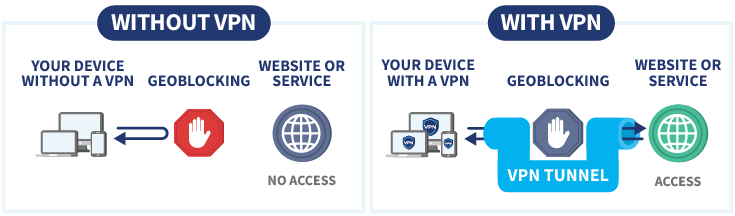
Waves of new restrictions have directly correlated with surges in interest in VPN services. Users began actively searching for ways to bypass restrictions. Indirect evidence of rising demand has included intensified enforcement against VPN services: the national regulators restricted access to hundreds of circumvention tools, and dozens of VPN applications were removed from major app stores.
The world VPN market includes both international commercial VPN providers (such as NordVPN, Surfshark, ExpressVPN, and Proton VPN) and circumvention tools like Psiphon. Self-hosted solutions — which allow users to set up personal VPN servers (for example, via Amnezia) — occupy a distinct niche, as they are generally less vulnerable to the mass blocking of shared public IP addresses.
VPN providers most commonly rely on servers located in the United States, the United Kingdom, the Netherlands, Germany, France, Switzerland, Canada, the Nordic countries, Singapore, and Japan. These jurisdictions are typically chosen due to their developed infrastructure, connection quality, legal environment, and content availability.
Why VPN Growth Is Driving Demand for IP Addresses
The expansion of the VPN user base directly increases the need for large pools of public IP addresses. Each user effectively accesses the internet through a VPN provider’s IP address. When too many users share a single address, its reputation can quickly deteriorate: websites trigger captchas more frequently, financial institutions flag traffic as suspicious, and streaming platforms block overloaded IPs.
Another important factor is the continuous rotation of IP addresses in response to blocking measures. When government filters restrict known VPN subnets at scale, providers must expand their infrastructure, connect new address ranges, and distribute traffic across different data centres and autonomous systems. In this context, IP addresses become a consumable resource: some are blacklisted or lose their reputation over time, requiring constant replenishment of IP pools.
As the VPN audience grows, both server capacity and IP capacity must scale accordingly. In many cases, it is more efficient for providers to lease large IP blocks from hosting companies and address resellers than to rely solely on their own allocations. This effect becomes particularly visible during sudden spikes in demand — when a new wave of restrictions triggers mass VPN adoption, and services must rapidly increase the number of “clean” IP addresses to maintain performance and stability.
Conclusion
Widespread blocking and restrictions on internet services in various countries are fueling demand for VPN solutions. In turn, the expansion of the VPN market is increasing the need to lease and rotate substantial volumes of IP addresses. As a result, tighter internet controls are creating a chain reaction that affects not only end users but also the global IP address and infrastructure market.