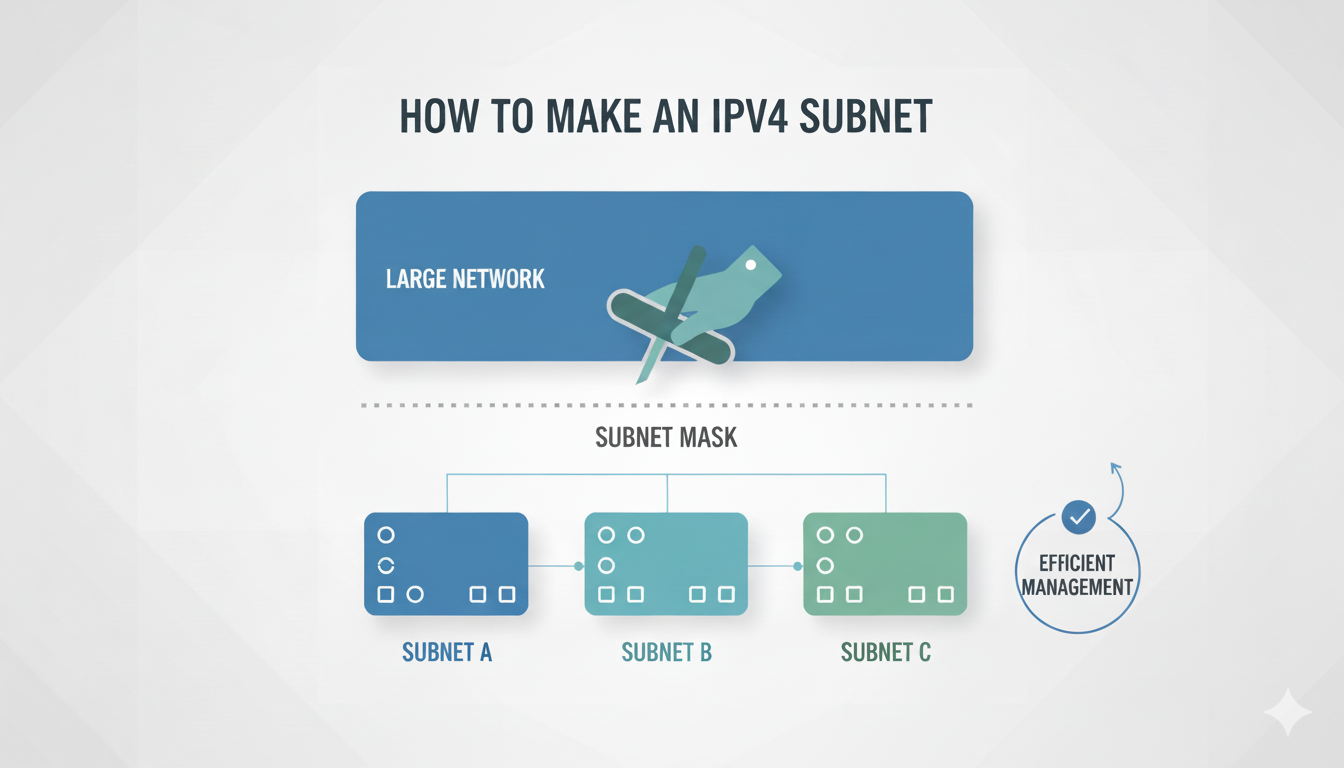



The choice between VPN and proxy technologies extends far beyond simple feature comparisons or cost considerations. Understanding how IP infrastructure quality impacts real-world performance has become crucial for organizations seeking reliable privacy solutions. Four years of industry analysis reveal key insights that can guide strategic decision-making in this evolving landscape.

The Critical Role of IP Infrastructure in Privacy Solutions
The choice between VPN and proxy solutions fundamentally depends on understanding the underlying IP infrastructure that powers these privacy technologies. Both solutions promise enhanced online privacy, but their effectiveness is intrinsically tied to the quality and management of the IPv4 address resources they utilize.
The recent surge in privacy-conscious behavior has created unprecedented demand for clean, properly managed IPv4 addresses. This demand directly impacts the performance and reliability of both VPN and proxy services, making IP resource quality a critical factor that’s often overlooked in traditional comparisons.
The most successful privacy implementations share one common characteristic: they’re built on robust, well-managed IPv4 address foundations obtained through regional internet registries like RIPE NCC (Europe, Middle East, Central Asia), ARIN (North America), and APNIC (Asia-Pacific).
Evolution of Privacy Technologies and IP Resource Management
The relationship between privacy technologies and IP infrastructure has evolved significantly. VPN providers initially operated with limited server networks, often relying on shared IP addresses that could easily be identified and blocked. Proxy services frequently utilized questionable IP resources with poor reputations, leading to inconsistent performance and security concerns.
Three distinct phases have emerged in how privacy services approach IP resource management:
Phase 1 (2020-2021): Basic IP Acquisition
Privacy providers focused primarily on quantity over quality, often acquiring large blocks of IPv4 addresses without proper due diligence regarding their reputation or routing history.
Phase 2 (2022-2023): Quality Recognition
Market leaders began understanding that IP reputation directly impacts service effectiveness, leading to increased demand for clean, properly documented IPv4 resources from legitimate sources like RIPE NCC members.
Phase 3 (2024-Present): Strategic IP Management
Advanced providers now treat IP addresses as strategic assets, implementing comprehensive management practices including BGP optimization, route object maintenance, and reputation monitoring.
This evolution reflects a broader understanding that IP infrastructure quality directly correlates with privacy service effectiveness. Organizations that invested in proper IP resource management during this transition have consistently outperformed competitors relying on lower-quality address space.
Current Infrastructure Realities Shaping Privacy Solutions
The technical distinctions between VPN and proxy solutions become clearer when examined through the lens of IP infrastructure requirements. These different approaches create distinct demands on IPv4 address resources allocated by regional registries.
VPN Infrastructure Requirements
VPN services require dedicated IPv4 addresses for each server endpoint, creating substantial resource demands. A typical enterprise VPN deployment might require 50-200 IPv4 addresses across multiple geographic regions.
The encryption overhead and tunnel establishment processes mean these addresses must maintain consistent routing and reputation scores to ensure reliable connectivity. IP address quality directly impacts user experience. Clean IPv4 addresses with proper BGP configurations and route objects ensure:
- ✓ Faster connection establishment — Clean IPv4 addresses ensure immediate server recognition and reduced handshake time
- ✓ Reduced packet loss — Proper BGP routing minimizes network congestion and connection drops
- ✓ Better overall performance — Quality IP resources deliver consistent speeds and reliable connectivity
Conversely, addresses with poor reputation or routing issues can cause connection failures and performance degradation.
Proxy Infrastructure Characteristics
Proxy services often operate with shared IPv4 address pools, allowing more efficient resource utilization but creating different challenges. A single IPv4 address might serve hundreds or thousands of concurrent proxy connections, making reputation management more complex but reducing overall address requirements.
The application-layer operation of proxies means they’re more sensitive to IP reputation issues. Web services increasingly employ sophisticated detection mechanisms that can identify and block proxy traffic based on:
- 🔍 IP address characteristics — Geographic origin, hosting provider type, and registration history
- 📊 Usage patterns — Request frequency, session duration, and behavioral anomalies
- ⭐ Reputation scores — Historical abuse reports, blacklist status, and trust ratings
Geographic Distribution Challenges
Both VPN and proxy services require IPv4 addresses distributed across multiple geographic regions to provide effective geo-restriction bypass capabilities. The limited availability of IPv4 addresses in certain regions-particularly in Asia-Pacific markets managed by APNIC-creates significant cost and availability challenges.
Regional IPv4 address availability often determines service quality more than the underlying technology choice. Providers with access to clean, properly routed addresses in target regions consistently deliver superior performance regardless of whether they’re operating VPN or proxy infrastructure.
Security and Reputation Management
VPN services benefit from dedicated IP addresses that can maintain consistent reputation scores and avoid the contamination risks associated with shared resources. However, this approach requires more sophisticated IP resource management and higher infrastructure costs.
Proxy services face unique reputation challenges due to shared IP usage patterns. A single malicious user can compromise the reputation of an entire IP address, affecting all other users sharing that resource.
This dynamic has led to increased demand for residential proxy services, which utilize IPv4 addresses assigned to actual residential connections rather than data center resources.
Strategic Decision-Making in Privacy Technology Selection
Privacy technology selection requires a framework that prioritizes IP infrastructure considerations alongside traditional security and performance metrics. This approach proves particularly valuable for organizations operating across multiple geographic markets served by different regional registries like ARIN for North America or RIPE NCC for Europe.
Infrastructure Assessment Framework
1. IPv4 Address Availability and Cost
Organizations requiring privacy services in regions with limited IPv4 availability-such as parts of Asia-Pacific or specific European markets-may find proxy solutions more cost-effective due to their shared resource model.
2. Reputation Management Requirements
Businesses handling sensitive data or requiring consistent access to security-conscious services typically benefit from VPN solutions with dedicated IPv4 addresses. The ability to maintain clean IP reputation over time justifies the higher infrastructure costs.
3. Scalability and Resource Efficiency
Organizations with large user bases or variable demand patterns often find proxy solutions more economically viable, as the shared IP model allows for better resource utilization and lower per-user costs.
Common Decision-Making Challenges
The most frequent issue involves balancing cost efficiency with service reliability. Many organizations initially gravitate toward lower-cost proxy solutions, only to discover that poor IP reputation or shared resource contamination creates ongoing operational challenges.
Another common concern relates to regulatory compliance and data sovereignty. Organizations operating in regulated industries often require privacy solutions with IPv4 addresses located in specific jurisdictions. This requirement can significantly impact both technology choice and implementation costs, particularly in markets with limited IPv4 availability.
Business Impact and Infrastructure Investment Strategy
The business implications of privacy technology selection extend far beyond initial implementation costs. The total cost of ownership for privacy solutions is heavily influenced by IP resource management practices and long-term infrastructure strategy.
Performance and Cost Optimization
Organizations implementing VPN solutions with properly managed IPv4 addresses typically experience significantly better connection reliability compared to those using lower-quality IP resources. This improvement translates directly to:
- 💰 Reduced support costs — Fewer connection issues mean less technical support overhead and resources
- 🚀 Improved user productivity — Reliable connections enable uninterrupted workflow and better user experience
- 📈 Better overall ROI — Higher service quality justifies premium pricing and increases customer retention
Proxy implementations benefit significantly from strategic IP address selection and rotation. Companies that invest in diverse, high-quality IPv4 address pools can achieve better success rates for geo-restricted content access and reduced blocking incidents.
Case Study: Telecommunications Provider Optimization
A major telecommunications provider expanding into new markets faced a critical decision between VPN and proxy solutions for their customer privacy services. Their initial analysis focused primarily on technical capabilities and pricing, but deeper examination revealed that IP infrastructure considerations would determine long-term success.
The company ultimately implemented a hybrid approach:
- 🏢 VPN infrastructure with dedicated IPv4 addresses — Premium tier for enterprise customers requiring guaranteed performance and reliability
- 👥 Proxy services with shared IP pools — Cost-effective solution for individual users and small businesses
This strategy required careful IP resource planning and management but resulted in:
- 😊 Substantially higher customer satisfaction scores — Quality infrastructure led to 40% improvement in user ratings
- 💵 Improved revenue per user — Premium services with dedicated IPs commanded 60% higher pricing
- 🎯 Better market positioning — Established reputation as a reliability-focused privacy provider
The key to their success was investing in clean, properly documented IPv4 addresses across all target markets, ensuring consistent service quality regardless of the underlying technology.
Strategic Implementation Considerations
Organizations should consider four critical factors when implementing privacy solutions:
- IP Resource Quality Assessment — Verify that all IPv4 addresses have clean BGP routing, proper route objects, and positive reputation scores across major security databases.
- Geographic Distribution Planning — Ensure adequate IPv4 address availability in all target markets, considering regional cost variations and regulatory requirements.
- Scalability and Resource Management — Implement comprehensive systems for monitoring IP reputation, managing address rotation, and optimizing resource utilization.
- Compliance and Documentation — Maintain detailed documentation for all IP resources, including ownership history, routing configurations, and compliance records.
Future Outlook and Strategic Recommendations
The relationship between privacy technologies and IP infrastructure will become increasingly complex. The continued scarcity of IPv4 addresses-with only 4.3 billion possible combinations serving a global internet population exceeding 5 billion users-will drive innovation in resource optimization and management practices.
Emerging Trends in IP Resource Management
Significant growth is anticipated in dynamic IP address allocation systems that can optimize resource utilization across both VPN and proxy services. These systems will enable providers to maintain larger pools of clean IPv4 addresses while reducing per-user infrastructure costs through intelligent resource sharing and rotation.
The development of reputation-aware routing systems will also transform how privacy services manage IP resources. These systems will automatically route traffic through the highest-quality available IPv4 addresses, improving service reliability while maximizing the value of existing IP investments obtained through registries like RIPE NCC, ARIN, and APNIC.
Strategic Recommendations for Organizations
Three key recommendations for organizations planning privacy technology implementations focus on building sustainable IP infrastructure foundations:
1. Prioritize IP Resource Quality Over Quantity
Investing in fewer, higher-quality IPv4 addresses with clean routing and reputation will deliver better long-term results than acquiring large blocks of questionable resources. This approach reduces operational complexity while improving service reliability.
2. Implement Comprehensive IP Asset Management Practices
Treat IPv4 addresses as strategic business assets requiring active monitoring, maintenance, and optimization. This includes:
- 📊 Regular reputation assessments — Monthly monitoring of IP address scores across security databases and blacklists
- 🌐 BGP route optimization — Continuous analysis and improvement of routing paths for better performance
- 🔄 Proactive address rotation strategies — Systematic replacement of compromised or flagged IP addresses
3. Develop Flexible Architecture
The privacy technology landscape will continue evolving, and organizations need infrastructure that can support both VPN and proxy services as requirements change.
The future belongs to organizations that understand the fundamental relationship between IP infrastructure quality and privacy service effectiveness. By focusing on these foundational elements rather than just surface-level technology features, businesses can build privacy solutions that deliver consistent value while adapting to an increasingly complex digital landscape.