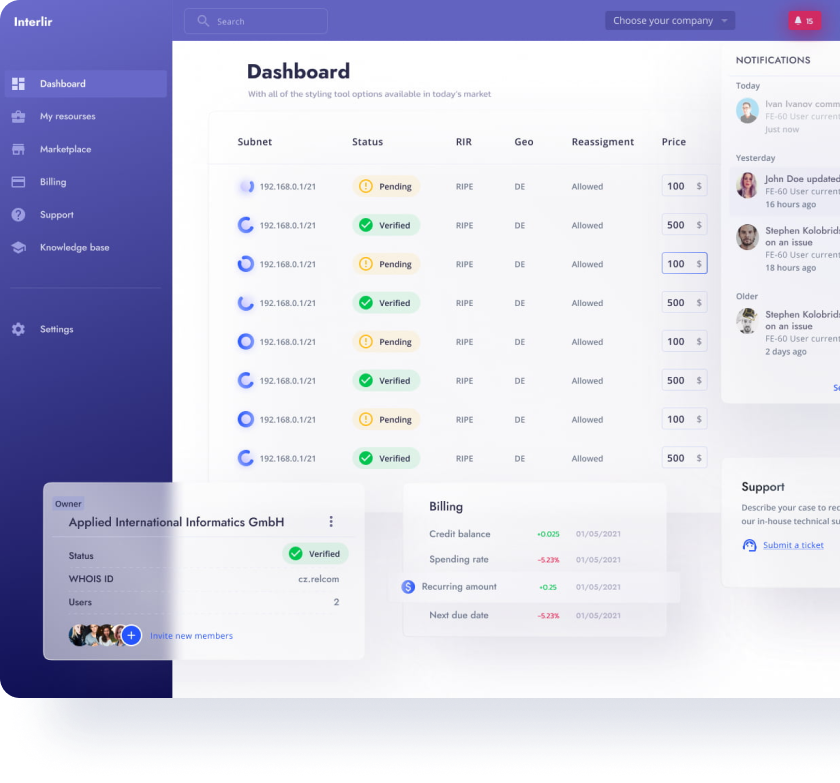
Even if you don’t plan to sell your IPv4 network, there are still ways to make money from it. You can rent out any unused IP addresses or sell the IP address space to others. There are many opportunities available to generate additional income even if you plan to continue using it in the near future. Moreover, if there is ever a shortage of IPv4 addresses and their prices rise significantly, you will be pleased that you have acquired knowledge of how to make money from your IPv4 network ahead of time.
Understanding how to monetize your IP network is crucial for capitalizing on unused IPv4 addresses. IP monetization strategies offer a path to generate significant revenue, particularly in times of IPv4 address scarcity. Exploring the concept of IP monetization reveals various methods to optimize financial returns from your network resources.
The significance of IP monetization cannot be overstated, especially against the backdrop of the rapid internet expansion and the resultant IPv4 address depletion. Specialists in IP monetization, such as InterLIR, play a pivotal role in facilitating public IP address sharing solutions, ensuring businesses can effectively monetize their IPv4 networks.
Monetizing your IP network involves more than just understanding its potential; it’s about actively leveraging unused IPv4 spaces to create additional income. Whether through direct sales or renting, the process of IP monetization is streamlined with expert guidance, allowing for secure and profitable transactions.
Why is IP monetization essential?
The Internet is growing rapidly, and as a result, there is a shortage of available IP addresses due to the depletion of IPv4 reserves for internet service providers. This has made it crucial for businesses to find solutions to share IP addresses and monetize them effectively. InterLIR is a qualified expert in IP monetization and specializes in implementing public IP address sharing solutions to ensure you can efficiently monetize your IPv4 network.
We provide personalized consulting services and workshops tailored to meet each client’s specific needs. With over two decades of experience, our team has a proven track record of helping businesses seamlessly share public IP addresses. Our flexible approach and customer support without additional costs ensure that our clients receive personalized attention from start to finish. If you need assistance getting started or have questions about specific features, we are always here to help.
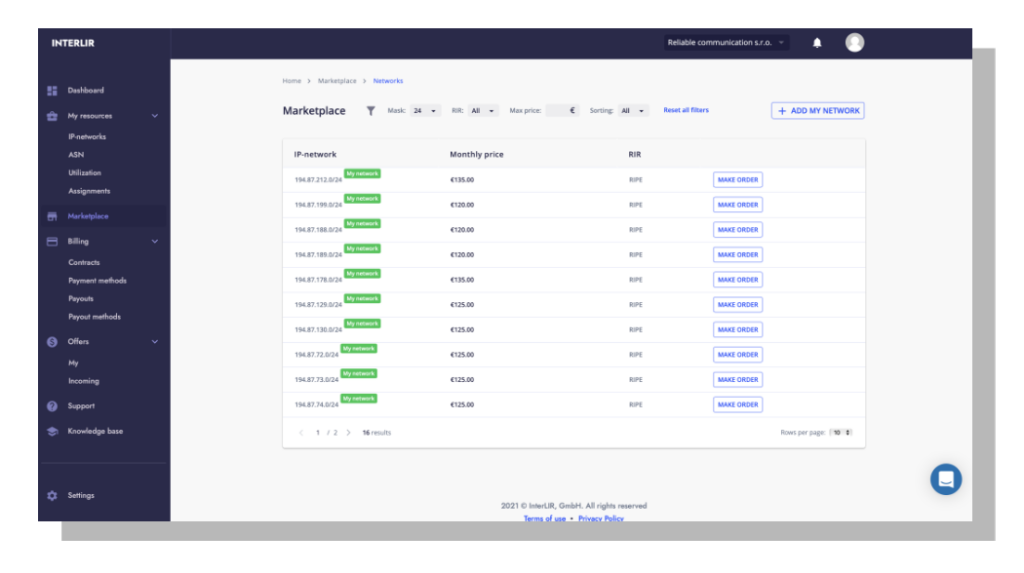
As a business owner, you understand the importance of having an IP address for your company’s online activities. It plays a vital role in various functions, including sending and receiving data and video conferencing. However, many businesses are not aware that they can use their IP address in multiple ways to generate additional revenue. By acquiring a pool of distinct IP addresses, you can leverage your online presence and turn it into a lucrative income source. Let’s explore the ways to achieve this.
There are several misconceptions about IP address management that people commonly believe. Firstly, many think that only one company is responsible for maintaining IP address space, when in reality, there are five Regional Internet Registries (RIRs) that manage and allocate blocks of IP addresses based on specific policies. Secondly, some believe that obtaining an IPv4 address block for their business is easy, but this is not always the case as RIRs have set policies for allocation. Thirdly, some think they can avoid adopting IPv6 by getting enough IPv4 addresses, which is not sustainable in the long run as businesses grow.Another common misconception is that monetizing an IP network is difficult. However, InterLIR provides a solution for increasing revenue by selling or leasing unused IP addresses safely and easily. InterLIR offers an automated and secure way to lease out IP address space, and payment is made immediately to your own bank account after each transfer or renewal. This removes the barriers to monetizing IP address space and makes it a simple process.
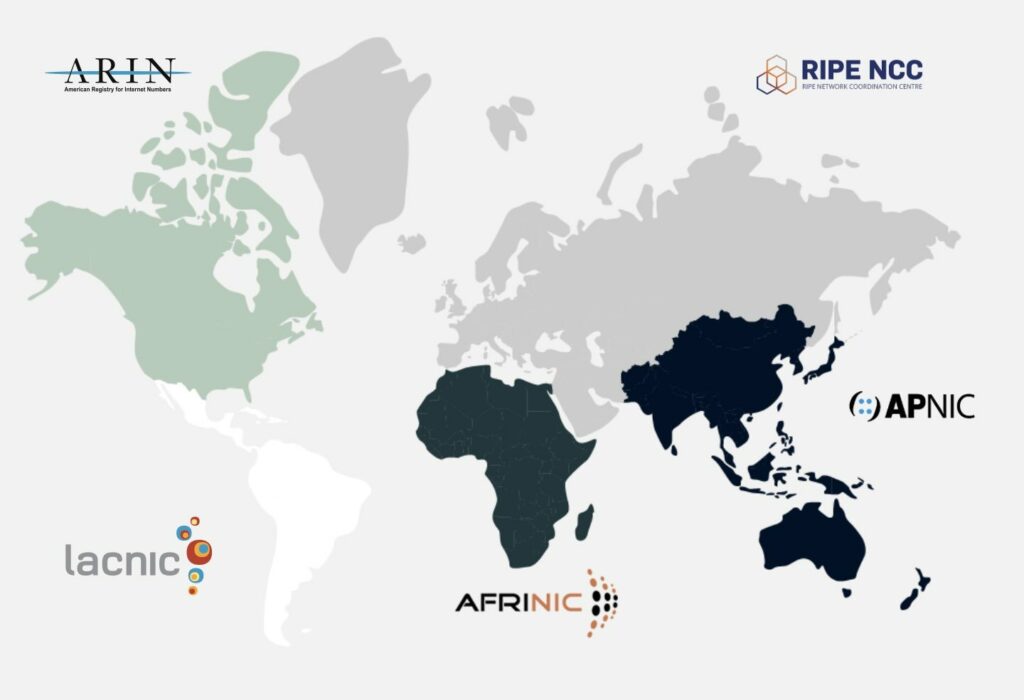
An organization that specializes in managing publicly routable IP address ranges worldwide is known as a Regional Internet Registry (RIR). RIRs allocate smaller portions of their range to Local Internet Registries (LIRs), which then provide those portions to end-users. There are five RIRs, namely ARIN, RIPE NCC, APNIC, LACNIC, and AfriNIC. You can monetize your existing IPv4 network by selling unused IP addresses within your network through a broker, who will manage aspects of transferring ownership and registration. The process for selling or leasing IP address space varies by country and region, with some countries allowing businesses outside their borders to manage sales or leases of unused IP addresses on behalf of their clients without requiring regulatory approval. In Germany, businesses can transfer ownership of unused IP addresses without approval from a regulatory agency. Each country has a governing agency overseeing IP address allocations, usually a non-profit organization established for that purpose and includes national RIRs and LIRs. An intermediary must either operate from within a country or be incorporated there to broker transfers of IP address space.
When looking to monetize your IPv4 network, the most crucial decision to make is how to market it effectively. If you do not currently have a network, there are resources available on how to buy one. However, if you already have a network, there are two primary methods to monetize your IP address space. The first option involves selling them directly as part of a larger package, such as a colocation service or multi-homing agreement. The second option is to sell them through brokers or auctions, which can be more complicated due to fluctuating prices and unpredictable returns, but can provide better visibility into your monthly earnings. The most profitable approach, however, is leasing out your unused IPv4 networks through the InterLIR IPv4 marketplace, which offers competitive pricing and allows you to maintain your network while generating revenue.
A common question regarding network monetization is whether it’s better to sell IP address blocks or sub-allocate them. The question arises when you own an IP address block and have already used some portion of it for your primary purposes. For instance, your company may be using a /16 IP address block for internal purposes and sub-allocating a smaller /22 block to other internal networks. When you exhaust your IP address space, what options do you have?
1) Release unused address space back into RIR
2) Sell sub allocated unused IP addresses
3) Reserve those IP addresses for future
One of the most common questions about monetizing your network is whether to sell your IP address blocks or sub-allocate them. If you choose to release unused IP addresses back to the RIR, it means you have no further use for them. On the other hand, if you choose to sub-allocate those unused addresses to another party, you must ensure that you provide documentation showing ownership of those IP addresses and track their usage to prevent them from being exhausted again. You must keep a record of all transactions involving your IP address block. Failure to do so may lead to problems during an audit by an external auditor or RIR representative. It’s important to maintain records indicating how often each individual block within that block has been allocated. InterLIR can help manage RIR databases for you by signing a management agreement and setting our maintainer interlir-mnt.
If you have acquired a substantial pool of IP addresses, you may be wondering how to turn it into a profitable venture. One option is to monetize your IP pool and generate income by leasing out the addresses. However, before making a decision, it’s important to consider some key factors, such as the cost/benefit ratio.
Choosing the right method to monetize your IPv4 network is crucial. You have the flexibility to determine the approach that aligns with your goals and has a positive impact on your company’s financial performance.
You can monetize unused IPv4 addresses primarily through two strategies: selling them for a one-time capital payment or leasing them to generate recurring revenue. Selling provides a large, immediate cash injection, while leasing creates a predictable, long-term income stream. To begin, you should conduct an audit of your IP space to identify surplus blocks. An experienced IP broker like InterLIR can then help you determine the market value of your assets and connect you with qualified buyers or lessees.
The choice between leasing and selling depends on your organization’s financial goals.
In today’s digital economy, IP monetization is essential because it allows organizations to unlock the hidden value in their digital assets. For many businesses, especially those with legacy network infrastructure, unused IPv4 addresses represent millions of dollars in dormant capital. Monetizing these assets can provide crucial funding for innovation, digital transformation, infrastructure upgrades, or operational expenses, all without taking on debt or seeking external investment. It turns a non-performing asset into a strategic financial tool. Understanding the basics of GDPR compliance in IP address management is also a key part of this process.
Regional Internet Registries (RIRs), like RIPE NCC in Europe or ARIN in North America, are non-profit organizations that manage the allocation and registration of Internet number resources (including IPv4 and IPv6 addresses and ASNs) within their specific geographic regions. They are responsible for developing and enforcing the policies that govern how these resources are managed. Any legitimate sale or lease of IPv4 addresses must comply with their policies, which also cover processes like ASN registration, to ensure the transfer is officially recognized and valid.
InterLIR provides comprehensive, end-to-end services to help you monetize your IP network. As an officially recognized RIPE NCC broker, we guide you through every step, from auditing and valuation to strategy and transaction management. We ensure the entire process is fully compliant with RIR policies, whether you decide to sell or lease out your IPv4 addresses, guaranteeing a secure and legitimate transfer.
One of the biggest misconceptions is that legacy IPv4 addresses assigned to an organization decades ago are “locked” and cannot be monetized. In reality, all RIRs have established policies that permit the transfer of these valuable assets. Another common misconception is underestimating their worth; due to extreme scarcity, the market value of IPv4 addresses has soared, turning what was once a simple operational tool into a significant financial asset. Many organizations are simply unaware that they are sitting on a digital goldmine.
“Sub-allocating” is often used interchangeably with leasing. The decision to sell or lease depends on your strategic objectives. Sell if you need immediate capital for a high-cost project. Lease if your goal is to generate a stable, long-term income stream while retaining ownership. To make an informed choice, it helps to first understand what IP blocks are and how they work, as this will clarify the nature of the asset you are managing.

Alexander Timokhin
COO

A Beginner’s Guide to Subnetting IPv4 and IPv6 Addresses Subnetting is a critical

Why IPv4 Leasing Is Becoming the Smart Choice for Businesses in 2025 1. Introduction
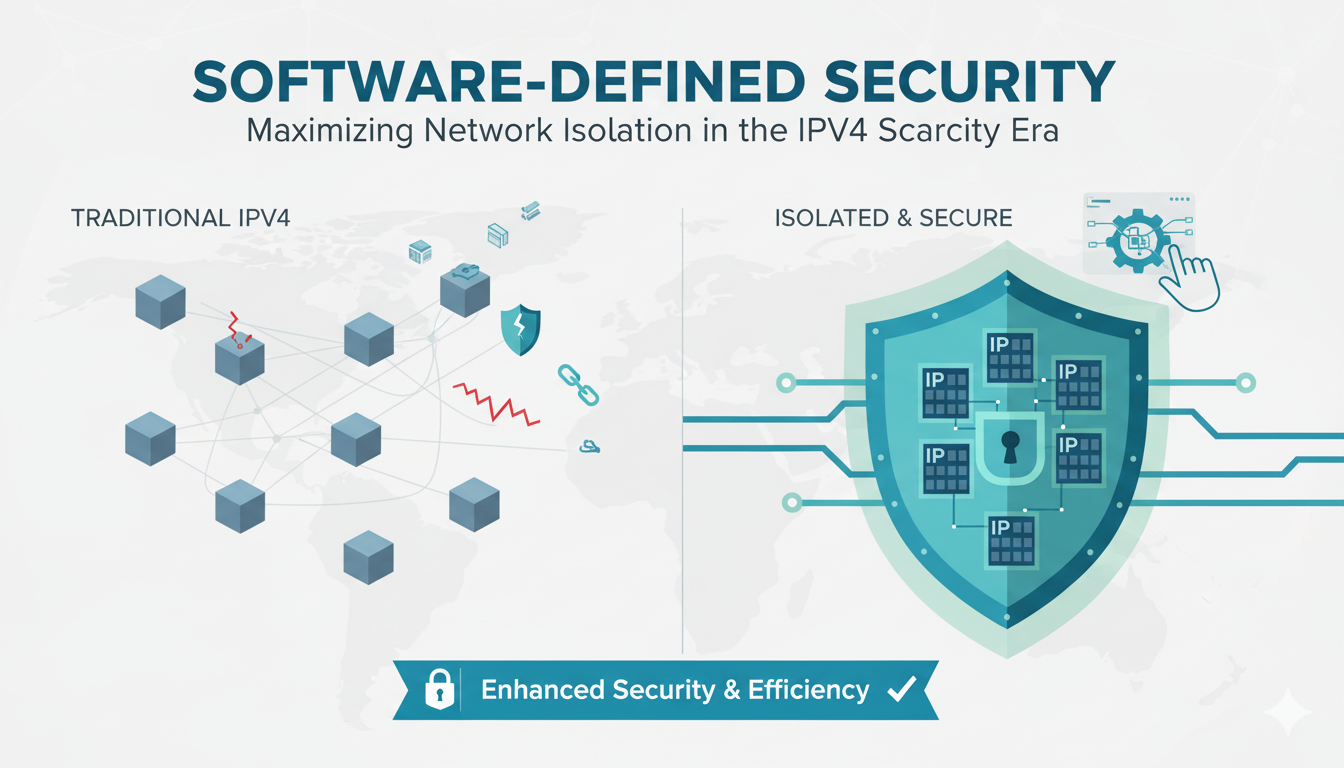
As CEO of InterLIR, I’ve witnessed firsthand how network isolation strategies

What is an ASN? ASN stands for Autonomous System Number. It is a unique identifier

Anycast DNS: A Leader’s Guide to Protecting Your Digital Infrastructure Executive

RPKI Certification: A Leader’s Guide to Internet Routing Security Executive

Executive Summary: What You Need to Know 🎯 Strategic Importance – Internet

When AWS DynamoDB failed in October 2025, thousands of businesses discovered that

Executive Summary: What You Need to Know 🎯 IP reputation directly impacts your
Live chat is provided by Intercom and is loaded only after you enable it. You can also contact us without enabling the chat.