An IP block refers to a range of IP addresses that are grouped together under a specific address space. IP addresses are the unique numerical identifiers for devices connected to a network, and IP blocks are used in various ways to manage these addresses. They serve important roles in networking, security, and digital communication. This article will explore what IP blocks are, how they function, and their practical uses in network management.

An IP block is essentially a batch of IP addresses that are treated as a single unit. IP blocks are defined by a subnet, which is used to divide large IP address spaces into smaller segments. These blocks can contain a few addresses or thousands, depending on the size of the block.
IP blocks are described using Classless Inter-Domain Routing (CIDR) notation. For example, an IP block in CIDR notation might look like this: 192.168.0.0/24. This indicates that the block contains 256 addresses, starting from 192.168.0.0 to 192.168.0.255. The number after the slash represents the number of bits that are fixed for the network portion, with the rest available for host addresses.
| IP Block | CIDR Notation | Number of Addresses |
| 192.168.0.0/24 | /24 | 256 |
| 10.0.0.0/16 | /16 | 65,536 |
| 172.16.0.0/12 | /12 | 1,048,576 |
IP address blocking involves prohibiting access to certain IP addresses or IP ranges based on preset rules. This practice is widely used to prevent unauthorized users or harmful entities from interacting with a network or website.
| Blocked Region | IP Address Range | Reason |
| Country A | 123.45.0.0/16 | License Restrictions |
| Country B | 98.76.128.0/17 | Suspicious Activity |
| Continent X | 182.255.0.0/8 | Data Privacy Regulations |
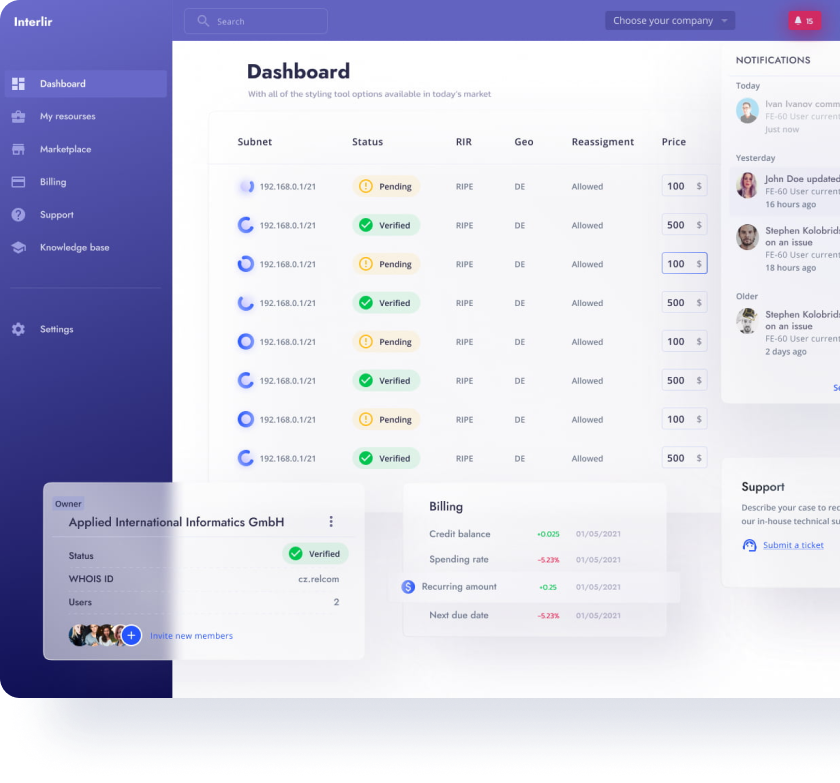
Large organizations and ISPs manage vast IP address spaces, and segmenting these addresses into IP blocks makes administration easier. By assigning IP blocks to specific regions, departments, or services, network administrators can localize problems, isolate network segments, and ensure smoother operation of the overall network.
ISPs often lease or assign blocks of IP addresses to their customers. In this process, businesses purchasing IP blocks may receive several hundred or even thousands of IP addresses depending on their requirements. As IPv4 address space becomes increasingly scarce, these blocks are leased at a premium, making efficient management essential.
Some content delivery networks (CDNs) use IP blocks to control who can access certain services based on geographical location. This is common in media streaming, where access may be restricted based on licensing agreements in different countries.
While IP blocks are useful for structuring and managing networks, they also come with certain challenges:
| Feature | IPv4 | IPv6 |
| Address Size | 32-bit | 128-bit |
| Available Address Blocks | Limited, nearing exhaustion | Vast, almost unlimited |
| Notation Example | 192.168.1.0/24 | 2001:0db8::/32 |
| Use in IP Blocking | Common, but limited in scope | Larger blocks, more granularity |
IP blocks play a fundamental role in networking, providing structure to the distribution and management of IP addresses. They help route data efficiently, secure networks, and manage resources within both large organizations and ISPs. As the digital world transitions to IPv6, the importance of understanding and managing IP blocks remains essential, particularly in the evolving landscape of internet security and address scarcity. The flexible and powerful nature of IP blocks will continue to be a cornerstone of internet architecture for years to come.

Alexander Timokhin
COO

A Beginner’s Guide to Subnetting IPv4 and IPv6 Addresses Subnetting is a critical

Why IPv4 Leasing Is Becoming the Smart Choice for Businesses in 2025 1. Introduction
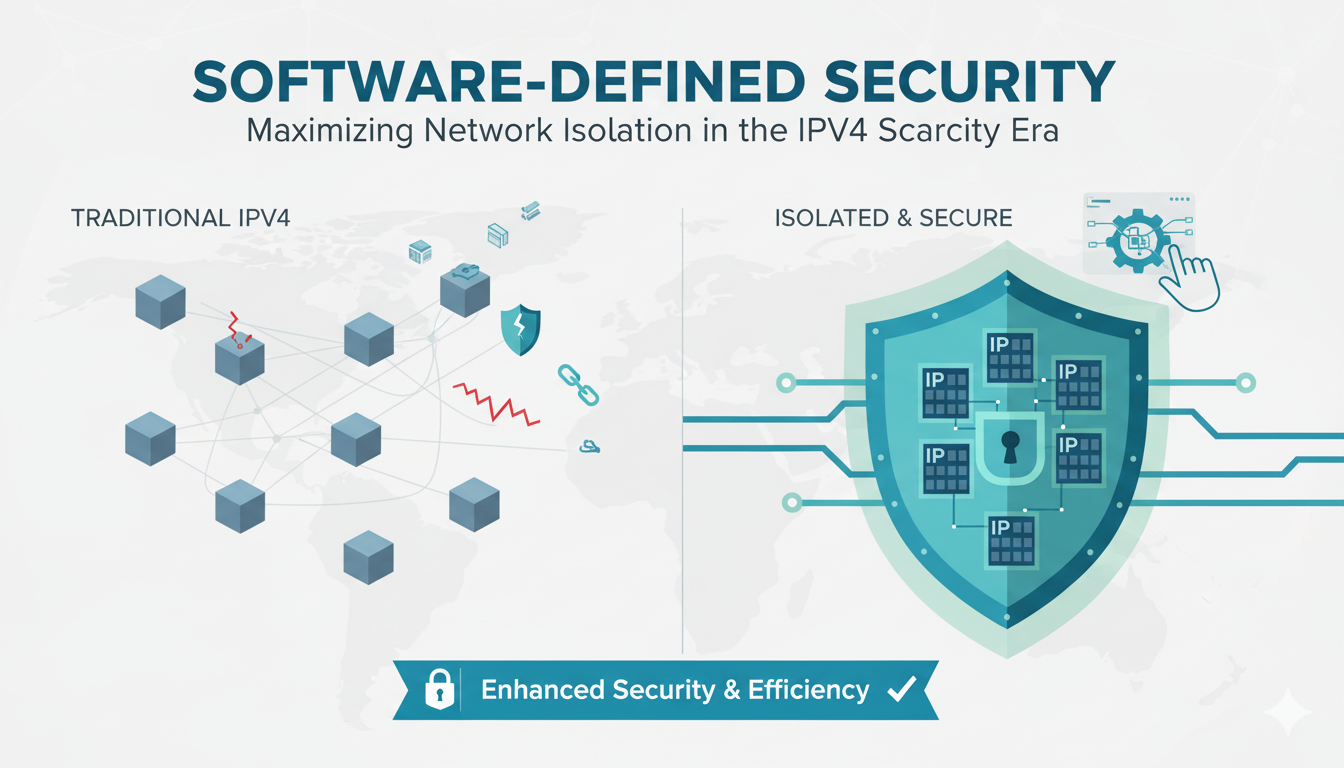
As CEO of InterLIR, I’ve witnessed firsthand how network isolation strategies

What is an ASN? ASN stands for Autonomous System Number. It is a unique identifier

Anycast DNS: A Leader’s Guide to Protecting Your Digital Infrastructure Executive

RPKI Certification: A Leader’s Guide to Internet Routing Security Executive

Executive Summary: What You Need to Know 🎯 Strategic Importance – Internet

When AWS DynamoDB failed in October 2025, thousands of businesses discovered that

Executive Summary: What You Need to Know 🎯 IP reputation directly impacts your
Live chat is provided by Intercom and is loaded only after you enable it. You can also contact us without enabling the chat.