Exploring the future of IP address allocation and management
Introduction
The evolution of IP addressing is a critical aspect of the internet’s development and functionality. Here’s a more detailed look into its evolution.
The evolution of IP addressing
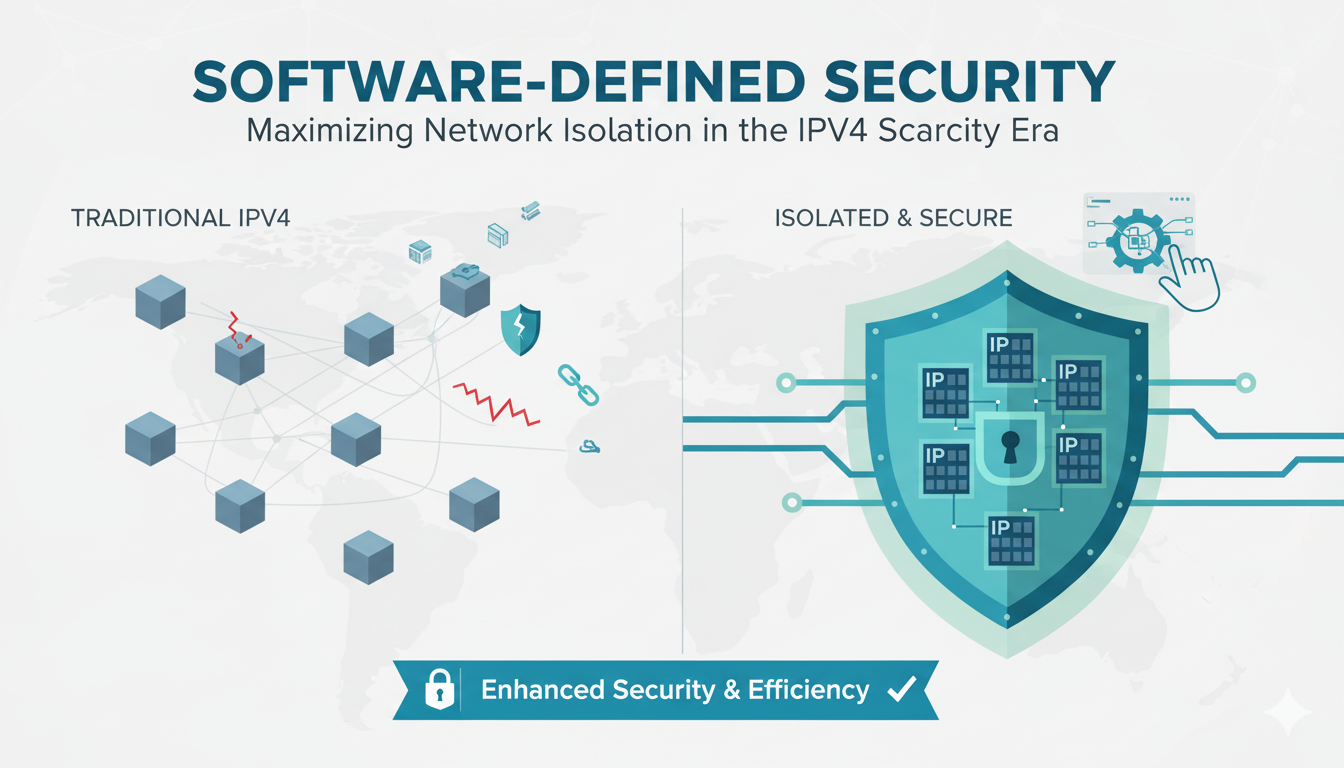
Origins and IPv4: The original IP address system, IPv4, was established in the early days of the internet. This system uses 32-bit addresses, allowing for approximately 4.3 billion unique addresses. Initially, this seemed like a vast pool of addresses, but with the explosive growth of the internet, it became apparent that this number would not suffice.
IPv4 address exhaustion: The exhaustion of IPv4 addresses has been a growing concern. As early as the 1990s, experts predicted that the available IPv4 addresses would run out. This is due to several factors, including the inefficient allocation of addresses and the exponential increase in devices needing IP addresses.
Address allocation in 2020 and beyond
Continued IPv4 exhaustion: By 2020, the pool of unallocated IPv4 addresses had significantly diminished. The Regional Internet Registries (RIRs) were managing the final pools of these addresses, with some focusing on address reclamation efforts. For instance, RIRs like APNIC and LACNIC had been actively re-designating previously “Reserved” addresses as “Available” to manage the scarcity.
Address reclamation and redistribution: RIRs undertook efforts to reclaim and redistribute IPv4 addresses. This included marking returned or recovered addresses as “reserved” for a period, allowing services time to adjust to the changes before these addresses were allocated again. The process reflected a major effort to manage the limited IPv4 resources efficiently.
Shift in allocation processes: The allocation processes for IPv4 addresses saw a shift, becoming more about transactions where addresses were traded between networks. These address transfers, essentially sales, entailed changes in registration details, recorded similarly to allocations or assignments by the registries.
Growth of the IPv4 transfer market: There was a notable increase in the number of registered IPv4 address transfers, both within and between RIRs. This market emerged as a secondary redistribution mechanism in response to IPv4 address exhaustion, encouraging the reuse of otherwise idle or inefficiently used address blocks.
Challenges in IPv4 allocation: The situation with IPv4 addresses became increasingly complex, making it difficult to talk about ‘allocations’ in the traditional sense. The market dynamics shifted to include sales and transfers, alongside traditional allocations from residual pools.
IPv6 adoption: The exhaustion of IPv4 and the challenges in its allocation have continued to drive the gradual adoption of IPv6. IPv6 offers a much larger address space and is seen as the long-term solution to address scarcity. However, the transition to IPv6 has been slower than anticipated, owing to factors like infrastructure upgrade costs and compatibility issues.
Fragmentation concerns: There were concerns about the potential fragmentation of the IPv4 internet into disconnected parts, based on service cones of content distribution servers. This scenario might lead to a loss of the concept of a globally unique and coherent address pool.
IP Address management challenges
Handling IPv4 exhaustion: With the depletion of available IPv4 addresses, managing existing IPv4 networks has become increasingly complex. Organizations need to find ways to maximize the efficiency of their existing address space, often resorting to measures such as address reclamation and the use of Network Address Translation (NAT).
Transition to IPv6: While IPv6 addresses the limitations of IPv4, the transition to IPv6 brings its own set of challenges. These include upgrading infrastructure, ensuring compatibility between IPv4 and IPv6 systems, and training IT staff in IPv6 management.
Address space management: Efficiently managing a finite resource like IP addresses requires meticulous planning. This includes tracking and documenting address allocations, ensuring addresses are efficiently utilized, and avoiding conflicts and overlaps.
Security considerations: IPAM isn’t just about keeping track of addresses; it also involves ensuring the security of the network. This includes managing firewalls and network access controls, and monitoring IP address allocations for security threats.
Compliance and regulation: Compliance with various regulatory requirements, especially related to data privacy and security, can impact IPAM strategies. Organizations need to ensure that their IP address management practices align with these regulations.
Scalability and flexibility: As networks grow and evolve, IPAM solutions must be scalable and flexible enough to accommodate these changes. This includes managing larger address spaces, handling dynamic IP allocations, and integrating with cloud services.
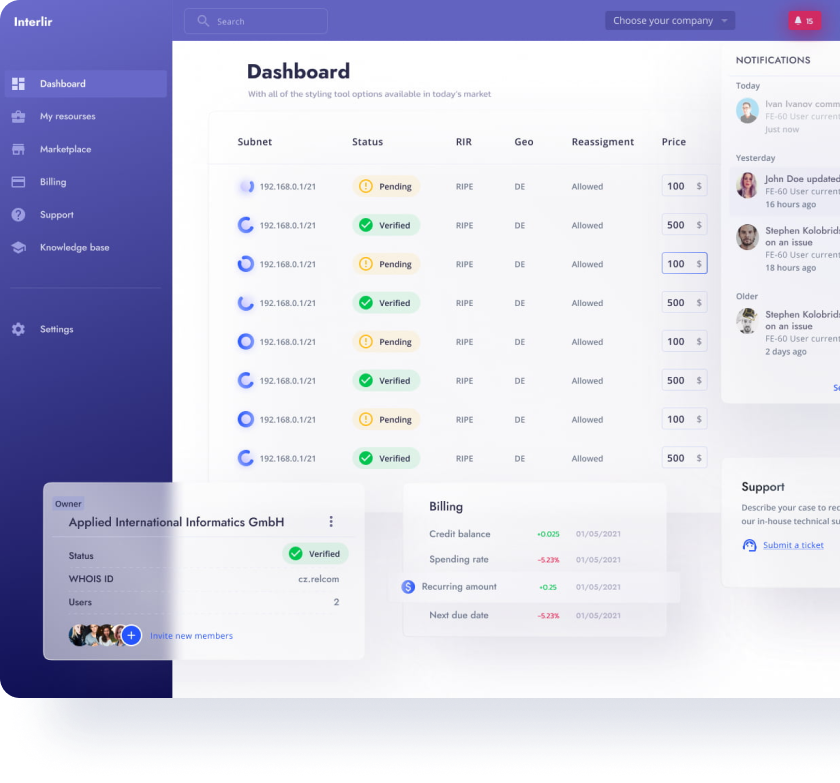
Automated IPAM solutions: Automating IPAM tasks can significantly improve efficiency and accuracy. However, implementing automated solutions requires careful planning and integration with existing systems.
Decentralization and edge computing: The rise of decentralized systems and edge computing adds complexity to IPAM. Managing IP addresses across distributed networks requires a more sophisticated approach to ensure consistency and reliability.
Future perspectives
Widespread adoption of IPv6: As IPv4 addresses continue to be scarce, the adoption of IPv6 is expected to accelerate. IPv6 not only provides a practically inexhaustible pool of IP addresses but also offers improved functionality in terms of routing, auto-configuration, and security. The transition to IPv6 is crucial for supporting the growth of the internet and the proliferation of IoT devices.
Enhanced IPAM tools and automation: The complexity and scale of modern networks will drive the need for more sophisticated IPAM tools. These tools will likely incorporate advanced features like AI and machine learning to automate routine tasks, provide predictive analytics, and enhance network security.
Integration with Cloud and Edge Computing: As cloud and edge computing continue to grow, IPAM strategies will need to adapt to manage distributed networks effectively. This might involve the development of new protocols and standards to ensure seamless IP address management across various platforms.
Security and compliance: With the increasing focus on cybersecurity and data privacy regulations, IPAM will play a critical role in ensuring network security and regulatory compliance. This includes managing access controls, monitoring network traffic, and ensuring that IP address allocations comply with legal requirements.
Handling of IoT and mobile devices: The exponential growth in IoT and mobile devices presents unique challenges in IP address management. The future of IPAM will involve strategies to efficiently allocate and manage IP addresses for a multitude of devices, often with dynamic and varying connectivity requirements.
Decentralization of networks: The trend towards decentralized networks, including blockchain technologies, will impact IP address management. IPAM solutions will need to evolve to manage more complex network topologies and ensure consistent network performance.
Network fragmentation concerns: There’s a possibility of the IPv4 internet fragmenting into disconnected parts due to exhaustion. Future IPAM strategies may need to address the challenges arising from such fragmentation.
Research and development: Ongoing research in network technologies and IPAM will continue to drive innovations. This might include the development of new protocols, management strategies, and security measures to address the evolving landscape of network infrastructure.
IP Address allocation trends
Year
IPv4 Address Allocation
2019
3.682 billion
2020
3.684 billion
2021
3.685 billion
2022
3.687 billion
In conclusion, the future of IP address allocation and management is set to be dynamic and will require continuous adaptation to technological changes and evolving network needs. The focus will be on developing solutions that are scalable, secure, and capable of supporting the diverse and growing demands of the digital world.