As the internet continues to expand and evolve, the scarcity of IPv4 addresses remains a pressing concern. Despite the gradual adoption of IPv6, IPv4 addresses are still in high demand across industries due to compatibility issues, existing infrastructure, and cost considerations. Leasing IPv4 addresses has emerged as a practical solution for businesses needing immediate access to IP resources. Let’s explore the key trends shaping the future of IPv4 leasing in 2025 and beyond.
The global pool of IPv4 addresses has been exhausted for years, yet the demand persists. Organizations expanding their digital presence often require additional IPv4 addresses for compatibility with legacy systems. As newer markets and industries, such as IoT and AI-driven solutions, grow, the demand for leased IPv4 addresses will likely rise, especially in regions still reliant on IPv4 networks.
IPv4 brokers and leasing platforms are becoming critical players in the IP address ecosystem. These entities streamline the leasing process, offering transparency, compliance with regional policies, and fraud prevention. In 2025, we anticipate more sophisticated platforms that integrate blockchain technology to ensure secure and verifiable transactions.
Different regions are experiencing varying levels of IPv4 scarcity, leading to diverse leasing trends. For instance:
In 2025, regional variations will drive tailored leasing strategies, including flexible pricing and term-based agreements.
The traditional model of leasing IPv4 addresses on a fixed-term basis is evolving. Subscription-based leasing, where businesses pay for addresses as a recurring service, is gaining popularity. This approach offers predictable costs and scalability, aligning with the as-a-service models prevalent in cloud computing and software services.
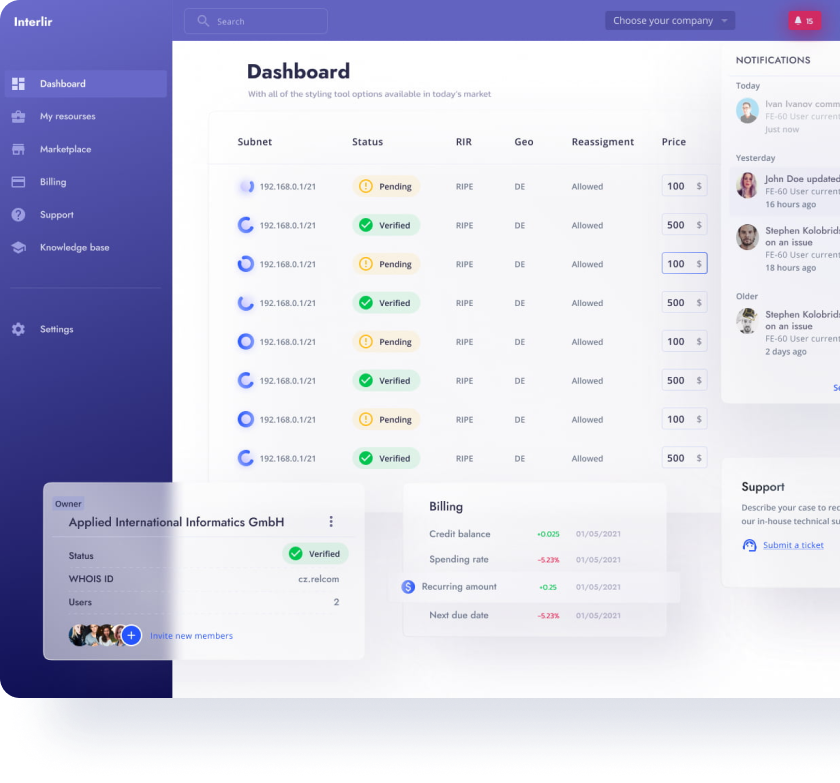
As IPv4 leasing becomes more widespread, the need for robust management and compliance tools is growing. Advanced dashboards, real-time IP utilization tracking, and automated renewal systems are likely to become standard features for leasing platforms. Additionally, tools ensuring compliance with RIR (Regional Internet Registry) policies will be essential to avoid penalties and address disputes.
Leasing IPv4 addresses is no longer just about traditional networking. In 2025, integration with cloud and hybrid infrastructures will play a pivotal role. Cloud providers are increasingly leasing IPv4 blocks to address their clients’ scaling needs. Similarly, hybrid environments require seamless IP integration across on-premises and cloud networks, creating a surge in short-term leasing demands.
The cost of IPv4 addresses has seen significant fluctuations over the years due to supply-demand dynamics. In the future, we expect gradual price stabilization driven by more structured leasing markets and regulatory oversight. However, speculative buying and leasing of IPv4 addresses will likely persist as a lucrative business model.
While IPv6 adoption is growing, full migration remains slow. Businesses often lease IPv4 addresses to maintain compatibility with existing IPv4-based systems and users. In the coming years, dual-stack configurations—where IPv4 and IPv6 coexist—will keep IPv4 leasing relevant.
Sustainability is becoming a priority across industries, including IP address management. Efficient leasing practices that minimize wastage and ensure optimal utilization of IPv4 resources will align with green IT goals. This may include leasing smaller subnets or dynamically reallocating unused addresses.
Artificial intelligence is set to revolutionize IPv4 leasing and management. AI-driven tools can predict leasing demands, detect potential IP conflicts, and optimize allocation processes. By 2025, AI-powered solutions will likely be integral to leasing platforms, improving efficiency and reducing overhead.
The future of IPv4 leasing is dynamic and filled with opportunities. As businesses continue to rely on IPv4 for their operational needs, innovative leasing strategies, advanced technologies, and compliance-focused practices will define the landscape. For organizations seeking scalable and cost-effective IP resources, leasing remains a practical and forward-looking choice.
Staying informed about these trends will be crucial for businesses navigating the evolving world of IPv4 leasing. Whether you’re an enterprise expanding your digital footprint or a broker facilitating IP transactions, understanding the future of IPv4 leasing will help you make informed decisions in this competitive space.

Alexander Timokhin
COO

A Beginner’s Guide to Subnetting IPv4 and IPv6 Addresses Subnetting is a critical

Why IPv4 Leasing Is Becoming the Smart Choice for Businesses in 2025 1. Introduction
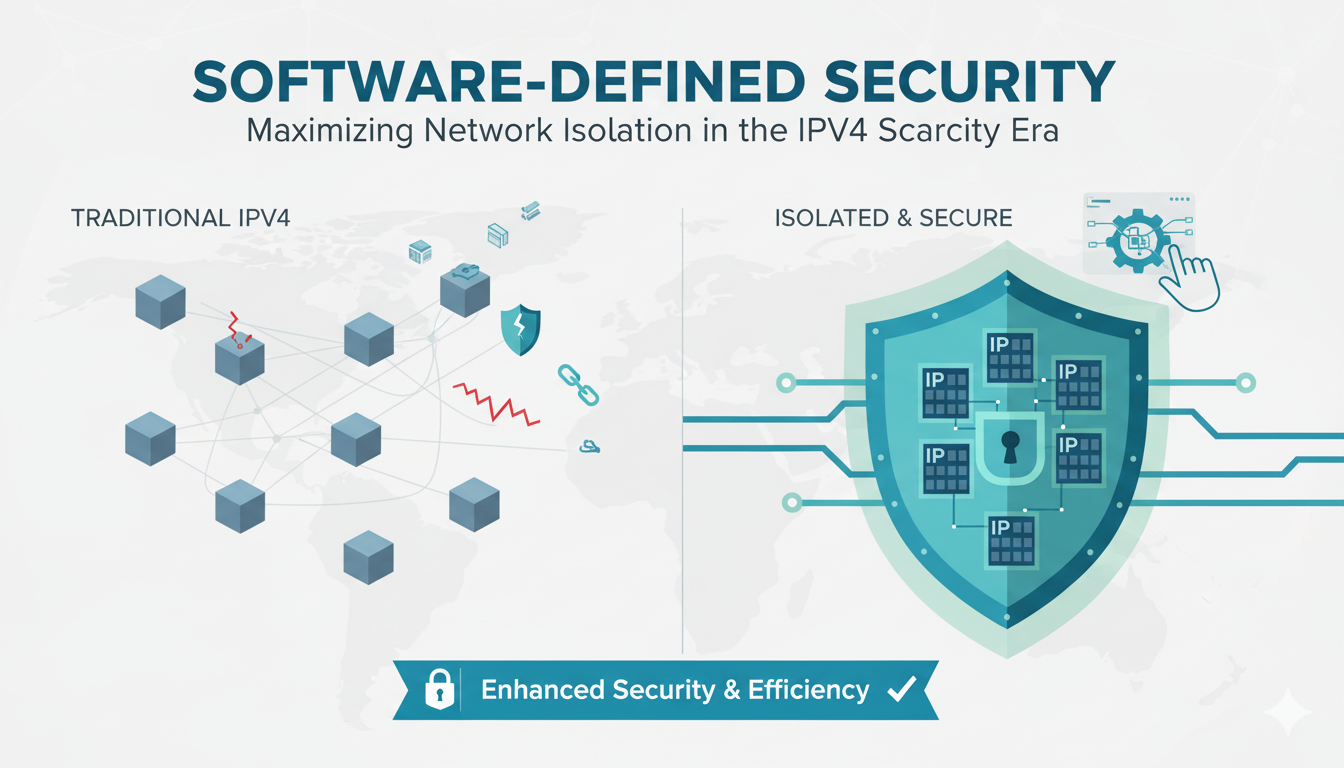
As CEO of InterLIR, I’ve witnessed firsthand how network isolation strategies

What is an ASN? ASN stands for Autonomous System Number. It is a unique identifier

Anycast DNS: A Leader’s Guide to Protecting Your Digital Infrastructure Executive

RPKI Certification: A Leader’s Guide to Internet Routing Security Executive

Executive Summary: What You Need to Know 🎯 Strategic Importance – Internet

When AWS DynamoDB failed in October 2025, thousands of businesses discovered that

Executive Summary: What You Need to Know 🎯 IP reputation directly impacts your
Live chat is provided by Intercom and is loaded only after you enable it. You can also contact us without enabling the chat.