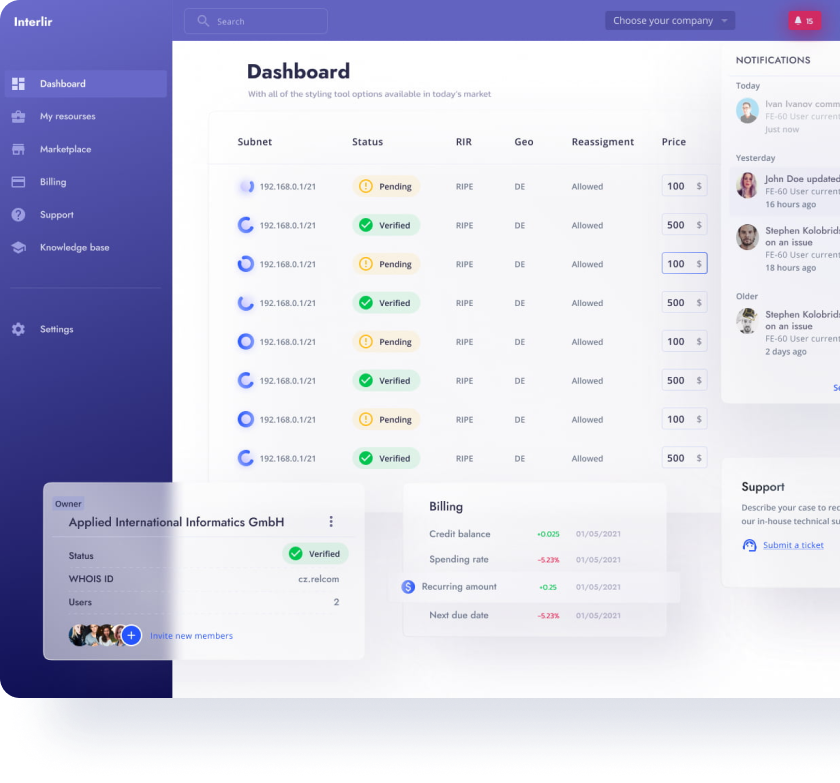
Efficient IP address management is crucial for businesses that rely on extensive networking resources. However, the costs associated with IP management can quickly escalate without proper oversight. The challenge lies in reducing these costs without compromising on performance, security, or scalability. This blog explores actionable strategies to streamline IP management expenses while maintaining operational efficiency.
Manual IP management is labor-intensive and prone to errors, leading to increased costs in troubleshooting and maintenance. Automation tools can significantly reduce these overheads by streamlining routine tasks such as allocation, auditing, and monitoring.
| Key Benefits of Automation | Description |
| Time Savings | Reduces manual effort for IP tracking. |
| Error Reduction | Minimizes misconfigurations and duplicate IPs. |
| Scalability | Supports growing networks without additional staffing costs. |
Organizations often use fragmented tools or legacy systems, resulting in inefficiencies and redundant costs. Consolidating these systems into a unified platform reduces complexity and licensing fees.
| Advantages of System Consolidation |
| Reduces maintenance overhead. |
| Eliminates redundant licenses. |
| Simplifies employee training. |
Underutilized IP addresses represent wasted resources. Regular audits can identify unused or poorly allocated IPs, enabling reallocation or monetization.
| Steps to Optimize Utilization | Potential Savings |
| Audit IP usage regularly. | Identify unused addresses to reclaim. |
| Implement subnetting strategies. | Reduce overhead for smaller deployments. |
| Lease unused IPv4 addresses. | Generate revenue from idle resources. |
While IPv4 addresses remain critical, transitioning to IPv6 can reduce dependency on costly IPv4 resources. A phased migration minimizes disruption and spreads costs over time.
| IPv6 Migration Benefits |
| Avoids high IPv4 leasing costs. |
| Future-proofs the network. |
| Reduces complexity in growing address spaces. |
For smaller businesses or those lacking in-house expertise, outsourcing IP management to MSPs can reduce operational costs while ensuring high efficiency.
| Benefits of MSPs |
| Reduces need for internal IT staff. |
| Provides access to advanced tools. |
| Ensures compliance with industry standards. |
Cost control requires a proactive approach to monitoring expenses associated with IP address management. Setting clear budgets and KPIs ensures that overspending is quickly identified and addressed.
| Cost Monitoring Tips |
| Use dashboards to track IP usage. |
| Set thresholds for resource allocation. |
| Regularly review software and licensing costs. |
Open-source IP management tools can deliver robust performance at a fraction of the cost of commercial solutions. However, they may require additional setup and support.
| Popular Open-Source Tools | Features |
| phpIPAM | Lightweight and flexible IPAM solution. |
| NetBox | Combines IP management with network design. |
Well-trained staff can reduce mismanagement and avoid costly errors. Investing in education about best practices for IP management ensures resources are used efficiently.
| Training Topics | Impact |
| Subnetting and allocation. | Avoids over-provisioning of IP resources. |
| Compliance and security. | Reduces risks of fines or breaches. |
| Tool utilization. | Maximizes value from management software. |
Cloud-based IP management services offer scalability and reduce the need for on-premises infrastructure. They are particularly beneficial for organizations managing hybrid or multi-cloud environments.
| Cloud-Based vs. On-Premises | Cloud-Based Advantages |
| Cost Savings | Eliminates hardware and maintenance expenses. |
| Scalability | Adapts to dynamic network needs. |
| Accessibility | Enables remote management from anywhere. |
Adopting a forward-looking approach helps prevent unnecessary expenses as your network grows. Investing in scalable systems, transitioning to IPv6, and maintaining a clean IP pool are all critical steps.
| Future Planning Goals | Benefits |
| Build IPv6 readiness. | Reduces long-term dependency on IPv4. |
| Maintain clean IP blocks. | Ensures higher market value and usability. |
| Invest in flexible tools. | Supports evolving business needs. |
Reducing IP management costs doesn’t have to come at the expense of efficiency or performance. By leveraging automation, optimizing resource utilization, and exploring cost-effective tools and strategies, businesses can achieve significant savings. Combining these approaches with forward-thinking planning ensures that your IP resources remain an asset, not a liability, in the long term.
Investing in efficiency today will not only reduce costs but also set the stage for sustainable growth in a connected world.

Alexander Timokhin
COO

A Beginner’s Guide to Subnetting IPv4 and IPv6 Addresses Subnetting is a critical

Why IPv4 Leasing Is Becoming the Smart Choice for Businesses in 2025 1. Introduction
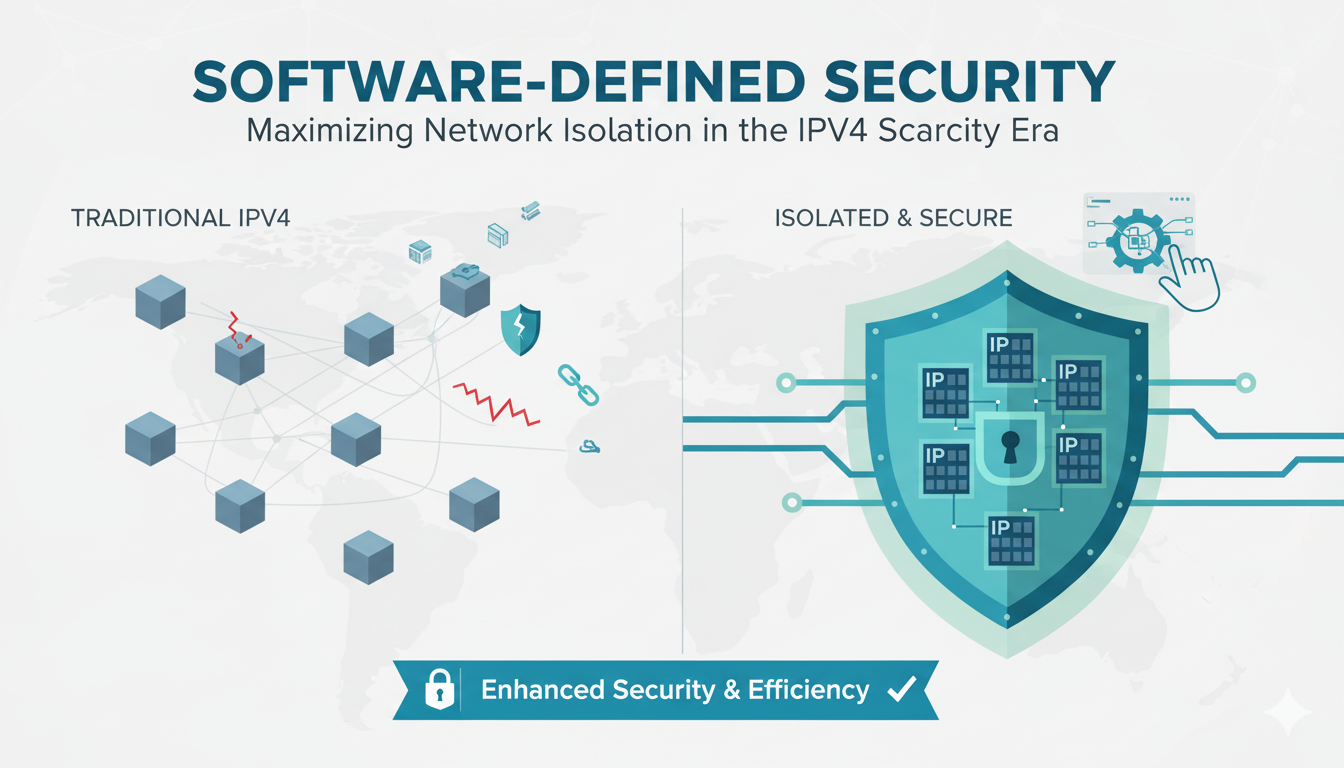
As CEO of InterLIR, I’ve witnessed firsthand how network isolation strategies

What is an ASN? ASN stands for Autonomous System Number. It is a unique identifier

Anycast DNS: A Leader’s Guide to Protecting Your Digital Infrastructure Executive

RPKI Certification: A Leader’s Guide to Internet Routing Security Executive

Executive Summary: What You Need to Know 🎯 Strategic Importance – Internet

When AWS DynamoDB failed in October 2025, thousands of businesses discovered that

Executive Summary: What You Need to Know 🎯 IP reputation directly impacts your
Live chat is provided by Intercom and is loaded only after you enable it. You can also contact us without enabling the chat.