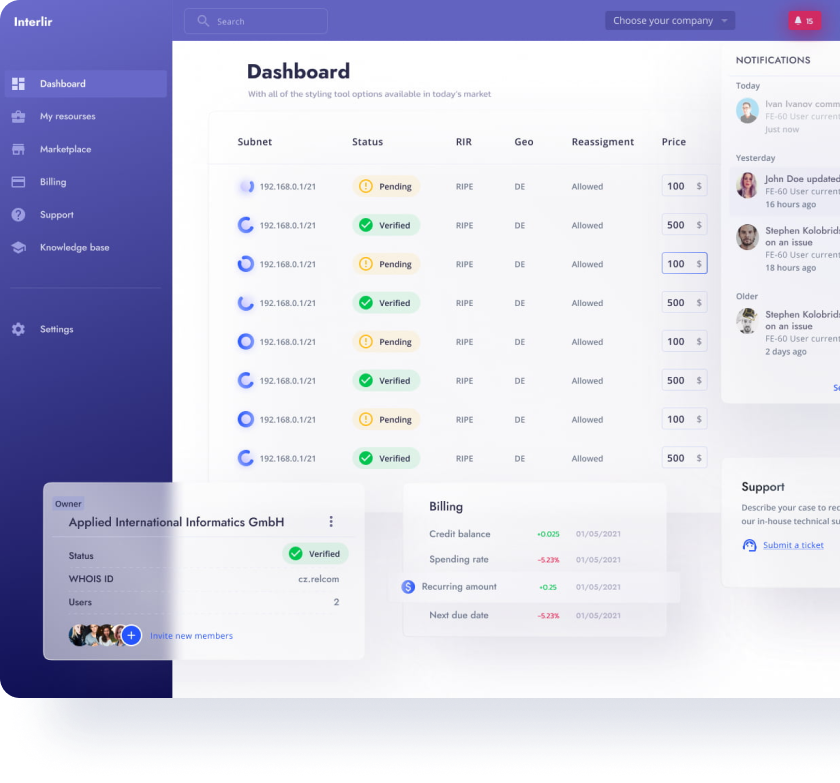
As the demand for IP addresses continues to grow, collaboration has become a key strategy for efficient utilization. Businesses, organizations, and ISPs are increasingly turning to partnerships to maximize the value of their IP resources, reduce costs, and stay competitive in a rapidly evolving digital landscape. Collaborative IP address utilization not only optimizes existing resources but also paves the way for innovative solutions to address shortages and inefficiencies.
The traditional approach of siloed IP address management is no longer sufficient in today’s interconnected world. Collaborative strategies offer multiple advantages:
| Model | Description | Examples |
| Leasing Partnerships | Organizations lease unused IP blocks to partners for temporary use. | An ISP leasing IPs to a cloud service provider. |
| Resource Sharing | Multiple entities pool their IP resources for joint usage. | Regional ISPs creating a shared IP pool. |
| Broker-Facilitated Collaboration | Brokers connect businesses needing IPs with those having surplus addresses. | Using IPv4 brokers to find leasing partners. |
| Research Alliances | Partners collaborate on IPv6 testing and adoption strategies. | Universities and enterprises testing IPv6. |
To build effective partnerships, organizations must address the following factors:
Partners should have complementary requirements. For instance, a company with seasonal demand spikes could collaborate with one that has surplus IPs during those periods.
Clear agreements, including usage rights, financial terms, and compliance responsibilities, are essential to avoid conflicts.
Partnerships must comply with RIR guidelines and applicable laws to ensure smooth operations.
Seamless integration of IP address management systems (IPAM) is crucial for avoiding conflicts and ensuring optimal utilization.
| Benefit | Impact |
| Cost Savings | Reduces the financial burden of acquiring new IP blocks. |
| Operational Flexibility | Provides access to additional IPs during peak demand periods. |
| Sustainability | Reduces wastage of unused IP resources. |
| Enhanced Innovation | Encourages shared development of future-ready solutions. |
An ISP with surplus IPv4 addresses partnered with a cloud provider experiencing rapid demand growth. Through a leasing agreement facilitated by a broker:
While partnerships offer significant benefits, challenges exist:
As the demand for IP addresses continues to rise, collaborative models will play a critical role in efficient resource management. Partnerships that prioritize transparency, innovation, and compliance can unlock new opportunities, ensuring sustainable growth for all parties involved.
By fostering collaboration, businesses can not only address immediate challenges like IPv4 scarcity but also position themselves as leaders in the transition to a more connected, IPv6-driven future.

Alexander Timokhin
COO

A Beginner’s Guide to Subnetting IPv4 and IPv6 Addresses Subnetting is a critical

Why IPv4 Leasing Is Becoming the Smart Choice for Businesses in 2025 1. Introduction
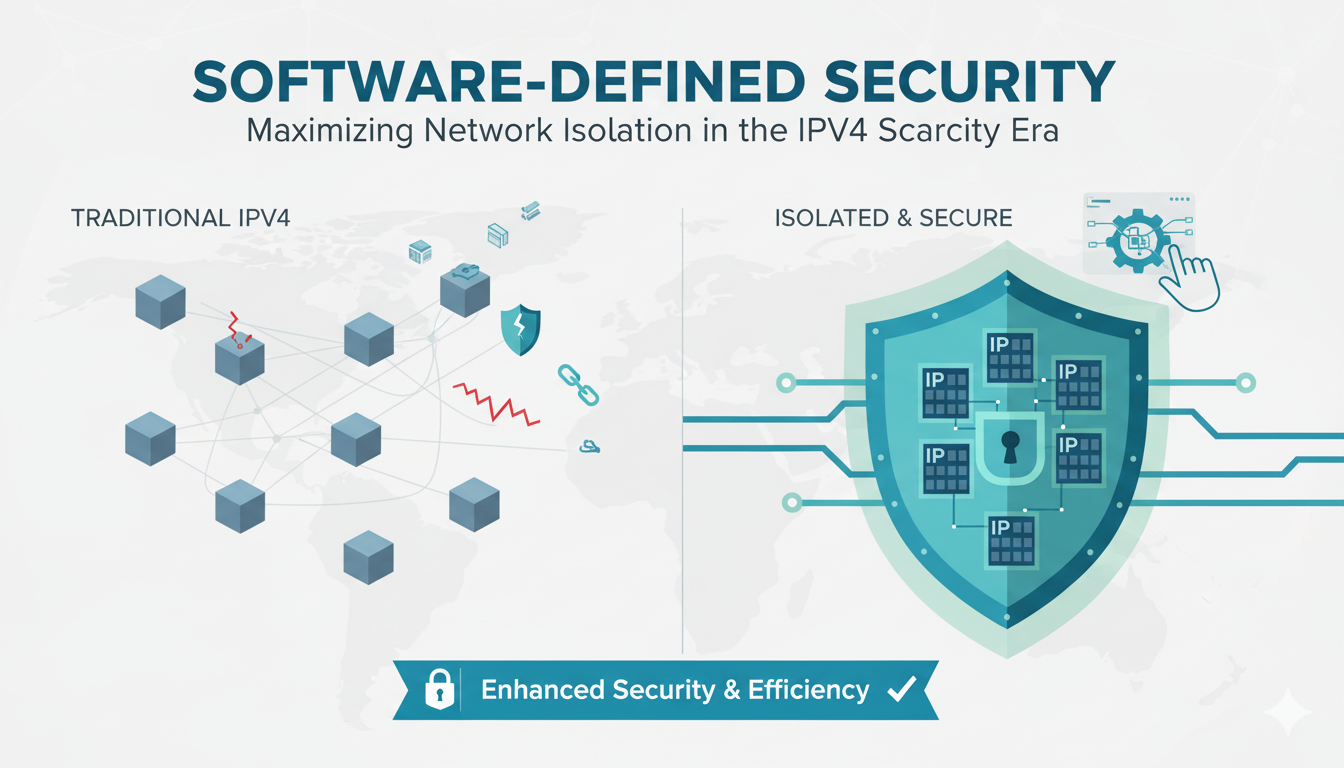
As CEO of InterLIR, I’ve witnessed firsthand how network isolation strategies

What is an ASN? ASN stands for Autonomous System Number. It is a unique identifier

Anycast DNS: A Leader’s Guide to Protecting Your Digital Infrastructure Executive

RPKI Certification: A Leader’s Guide to Internet Routing Security Executive

Executive Summary: What You Need to Know 🎯 Strategic Importance – Internet

When AWS DynamoDB failed in October 2025, thousands of businesses discovered that

Executive Summary: What You Need to Know 🎯 IP reputation directly impacts your
Live chat is provided by Intercom and is loaded only after you enable it. You can also contact us without enabling the chat.