As the global IPv4 address pool continues to dwindle, emerging markets have become significant players in the IPv4 transfer ecosystem. These regions are not only influencing the supply and demand dynamics but also shaping the policies and practices that govern the transfer market. This article explores the role of emerging markets in the IPv4 transfer ecosystem, the factors driving their participation, and the implications for businesses and the global internet.
The IPv4 transfer ecosystem facilitates the redistribution of IPv4 addresses through buying, selling, or leasing. This market-driven approach has emerged as a response to the exhaustion of the original IPv4 address pool managed by Regional Internet Registries (RIRs).
Emerging markets, particularly in Asia, Africa, and Latin America, are playing a growing role in the IPv4 transfer ecosystem due to their expanding internet penetration and digital infrastructure development.
Increased internet adoption and the proliferation of IoT devices in emerging markets are driving the demand for IPv4 addresses. These regions often rely on IPv4 due to slower IPv6 adoption.
Some emerging markets possess underutilized IPv4 resources due to historical allocations or slower digital transformation. These unused blocks are entering the transfer ecosystem, meeting demand in other regions.
Selling or leasing unused IPv4 addresses provides financial incentives for organizations in emerging markets, fueling participation in the transfer ecosystem.
| Factor | Impact on Emerging Markets | Examples |
| Internet Growth | Expanding connectivity drives demand | Increased demand in India, Brazil |
| IPv6 Adoption | Slower adoption sustains IPv4 reliance | Limited IPv6 deployment in Africa |
| Economic Conditions | Need for financial gains encourages sales | IPv4 monetization in LATAM regions |
| RIR Policies | Policies affect transfer accessibility | AFRINIC’s strict transfer rules |
The increasing involvement of emerging markets in the IPv4 transfer ecosystem has several implications:
As supply from underutilized IPv4 blocks enters the market, pricing can fluctuate. Emerging markets often balance supply and demand, influencing global pricing trends.
While some regions monetize their IPv4 resources, others face challenges in acquiring addresses due to financial constraints or limited access to transfer markets.
RIRs must account for the unique needs of emerging markets, balancing fair allocation with the growing reliance on transfers.
| Region | Demand Level | Supply Level | Key Drivers |
| North America | Moderate | Limited | Transition to IPv6, legacy exhaustion |
| Europe | Moderate | Active | IPv6 incentives, active trading |
| Asia-Pacific | High | Limited | Population density, IoT growth |
| Latin America | Growing | Moderate | Expanding internet infrastructure |
| Africa | Moderate | Significant | Unused allocations, slow deployment |
Organizations should audit their IPv4 resources to identify unused allocations and monetize them effectively.
While participating in IPv4 transfers, emerging markets must invest in IPv6 infrastructure to ensure long-term scalability.
Adhering to transfer policies ensures smooth transactions and minimizes risks.
Utilizing trusted IPv4 transfer platforms enables secure and transparent transactions.
Emerging markets will continue to play a pivotal role in the IPv4 transfer ecosystem. As internet penetration and digital transformation accelerate, these regions will influence supply, demand, and pricing trends. By adopting best practices and promoting IPv6 deployment, emerging markets can strike a balance between leveraging current opportunities and preparing for future needs.
The participation of emerging markets in the IPv4 transfer ecosystem highlights their importance in addressing global address scarcity. By contributing both demand and supply, these regions are shaping the dynamics of IPv4 allocation and transfer. As the ecosystem evolves, fostering collaboration and adopting forward-thinking strategies will be crucial for achieving a sustainable and equitable internet landscape.

Alexander Timokhin
COO

A Beginner’s Guide to Subnetting IPv4 and IPv6 Addresses Subnetting is a critical

Why IPv4 Leasing Is Becoming the Smart Choice for Businesses in 2025 1. Introduction
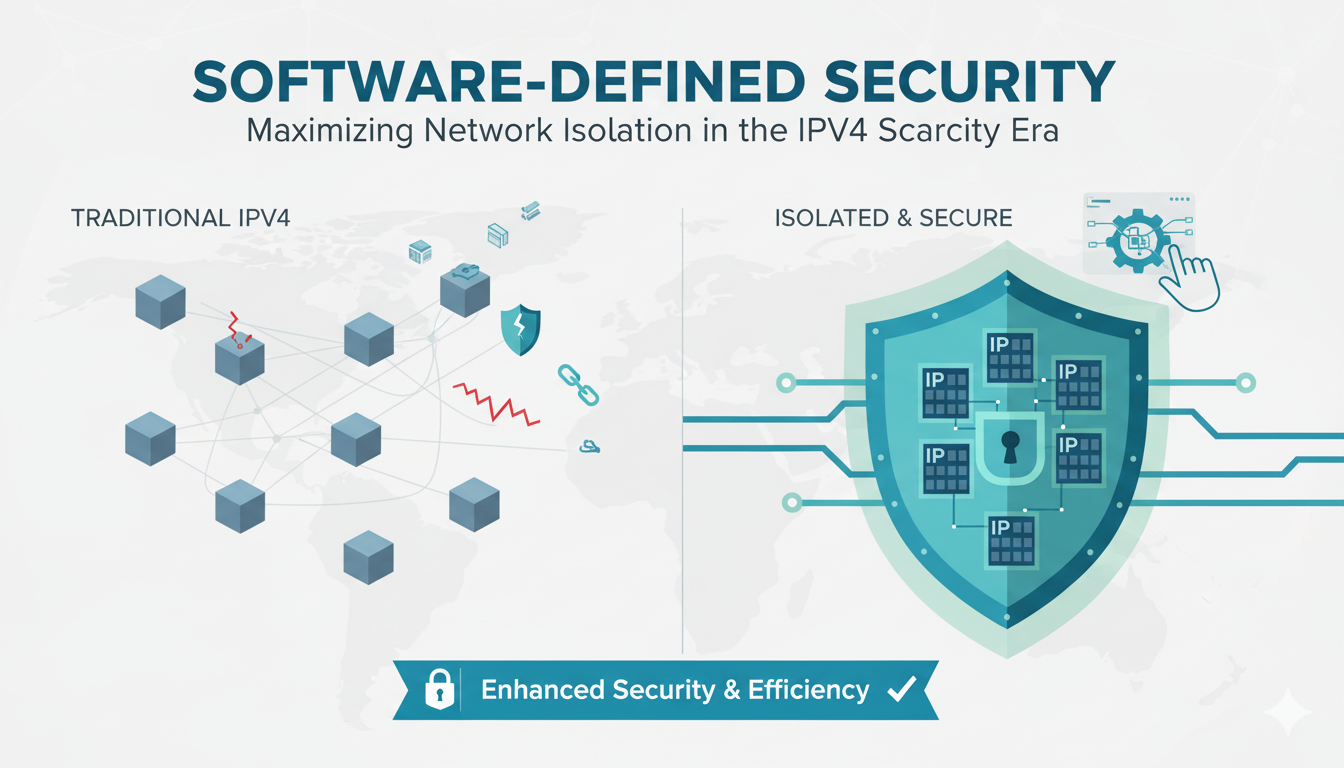
As CEO of InterLIR, I’ve witnessed firsthand how network isolation strategies

What is an ASN? ASN stands for Autonomous System Number. It is a unique identifier

Anycast DNS: A Leader’s Guide to Protecting Your Digital Infrastructure Executive

RPKI Certification: A Leader’s Guide to Internet Routing Security Executive

Executive Summary: What You Need to Know 🎯 Strategic Importance – Internet

When AWS DynamoDB failed in October 2025, thousands of businesses discovered that

Executive Summary: What You Need to Know 🎯 IP reputation directly impacts your
Live chat is provided by Intercom and is loaded only after you enable it. You can also contact us without enabling the chat.