In today’s interconnected world, managing internet traffic efficiently is critical for Internet Service Providers (ISPs), large enterprises, and other organizations managing substantial IP networks. A central player in this landscape is the Border Gateway Protocol (BGP), which enables routing decisions across the internet. BGP serves as the backbone for directing traffic between Autonomous Systems (ASes) and managing the vast network of IP addresses in use today.
This article will explore BGP’s fundamental role in IP address management, the challenges it addresses, and its significance for ISPs and enterprises.

BGP is the primary protocol used to exchange routing information between different ASes, which are collections of IP networks managed by one or more entities that present a unified routing policy to the internet. BGP enables these ASes to communicate and determine the best paths for routing traffic.
The BGP protocol supports two key types:
This protocol’s decision-making process is based on multiple factors, including path length, AS policies, and network performance. BGP allows networks to dynamically adapt to changing conditions, ensuring efficient traffic flow across the global internet.
One of BGP’s core functions is its ability to facilitate communication between ASes, which allows businesses and ISPs to route traffic efficiently. BGP manages the routing table of IP addresses, ensuring that data packets are directed through the most optimal path to reach their destination.
In environments where an organization or ISP controls multiple ASes, BGP helps ensure seamless communication by exchanging routing information between these systems. This is especially important for large networks with distributed infrastructure, where reliable traffic management is crucial.
Multihoming refers to the practice of connecting to multiple ISPs to provide redundancy and load balancing. BGP is critical in this context, as it manages the routes and ensures that traffic is split across different connections in a way that optimizes performance and resilience.
BGP’s ability to dynamically route traffic between multiple ISPs reduces the risk of downtime due to a single provider’s failure. Businesses benefit from this redundancy by ensuring that their online services remain available to users, even if one ISP faces connectivity issues.
Efficient management of IP address space is a growing challenge as IPv4 resources become more limited and IPv6 adoption remains incomplete. BGP aids in IP address allocation by aggregating routing announcements, reducing the size of global routing tables.
By grouping multiple IP addresses into a single BGP announcement, it minimizes the load on routers and ensures more efficient traffic handling. This process, known as “route aggregation” or “prefix aggregation,” allows ISPs to advertise a smaller set of IP prefixes, making global IP address management more scalable.
Despite its strengths, BGP is not without its challenges, particularly in the realm of security. BGP was designed with minimal security features, making it susceptible to attacks such as route hijacking, where malicious actors misroute traffic to gain access to sensitive data or disrupt services.
To mitigate these risks, several security measures and enhancements are recommended for ISPs and enterprises:
These security measures are essential for maintaining trust in the global routing infrastructure and ensuring that IP addresses are managed responsibly and securely.
BGP’s role in managing traffic for large organizations is not limited to ISPs. Enterprises with extensive global networks also rely on BGP to ensure efficient traffic flow and IP address management. Here are a few practical use cases:
| Use Case | Description |
| Traffic Load Balancing | BGP allows organizations to balance traffic across multiple data centers, optimizing performance and resource utilization. |
| Disaster Recovery | Enterprises use BGP to reroute traffic in case of an outage at one of their data centers, maintaining business continuity. |
| Global IP Management | BGP aids in managing global IP resources, allowing enterprises to consolidate routing information for efficient operations. |
| VPN and Private Networks | BGP is also used in Virtual Private Networks (VPNs) to ensure secure routing of data between different enterprise locations. |
These use cases highlight how enterprises can leverage BGP to manage IP addresses efficiently and ensure robust network performance.
BGP plays a pivotal role in the global management of IP addresses, supporting the internet’s vast network of ASes. Its ability to dynamically route traffic, manage IP allocations, and ensure redundancy makes it essential for ISPs and enterprises alike. However, with the growing importance of cybersecurity, securing BGP with measures such as RPKI and route filtering is critical to maintaining the integrity of IP address management.
As organizations continue to expand their digital infrastructure, BGP will remain a fundamental tool in optimizing IP address management, ensuring efficient traffic routing, and maintaining global internet stability.

Alexander Timokhin
COO

A Beginner’s Guide to Subnetting IPv4 and IPv6 Addresses Subnetting is a critical

Why IPv4 Leasing Is Becoming the Smart Choice for Businesses in 2025 1. Introduction
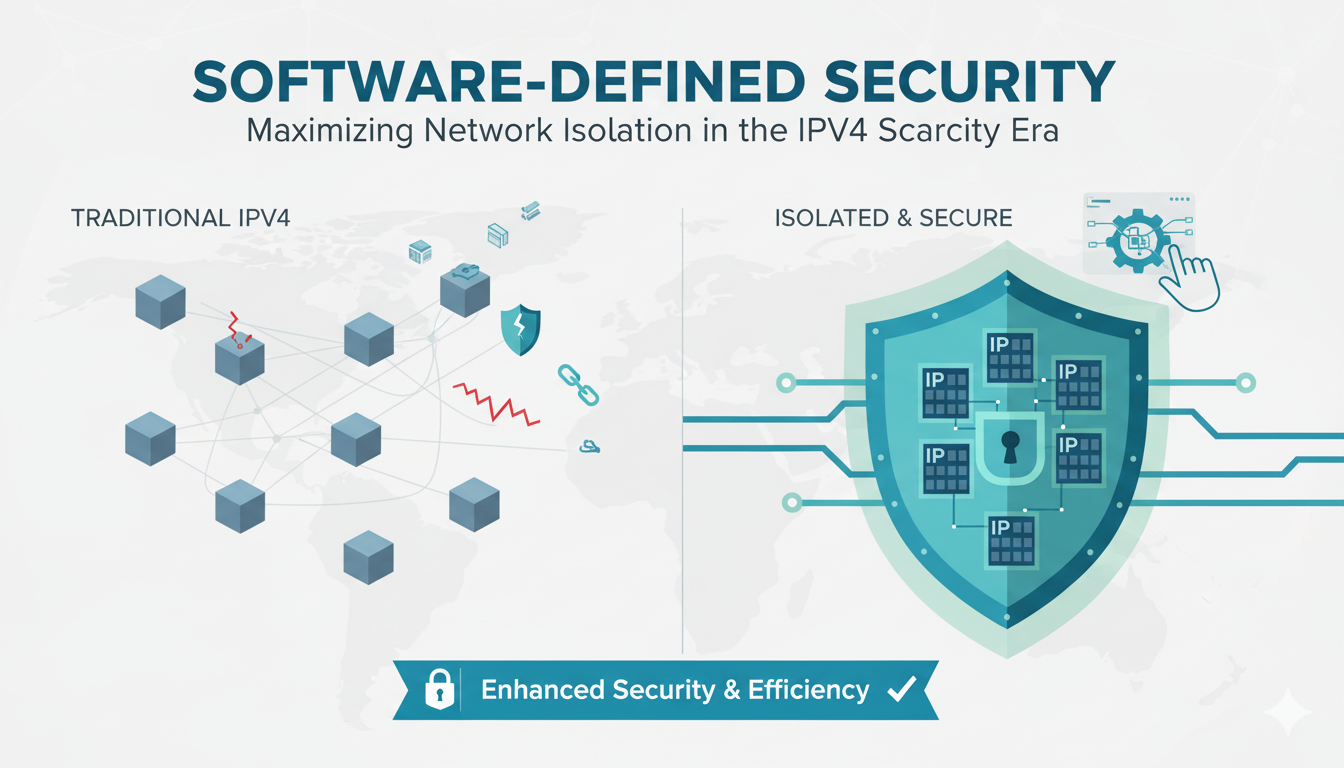
As CEO of InterLIR, I’ve witnessed firsthand how network isolation strategies

What is an ASN? ASN stands for Autonomous System Number. It is a unique identifier

Anycast DNS: A Leader’s Guide to Protecting Your Digital Infrastructure Executive

RPKI Certification: A Leader’s Guide to Internet Routing Security Executive

Executive Summary: What You Need to Know 🎯 Strategic Importance – Internet

When AWS DynamoDB failed in October 2025, thousands of businesses discovered that

Executive Summary: What You Need to Know 🎯 IP reputation directly impacts your
Live chat is provided by Intercom and is loaded only after you enable it. You can also contact us without enabling the chat.