As the availability of IPv4 addresses diminishes, their value continues to rise, leading businesses to explore the buying and selling of these limited resources. Understanding the IPv4 transfer process is crucial for ensuring compliance with regulations and maximizing the potential value of IP transactions. This guide provides a step-by-step overview of how to legally buy and sell IPv4 addresses, highlighting key considerations and best practices.

The scarcity of IPv4 addresses, driven by the exponential growth of the internet, particularly with IoT devices, has created a marketplace where IPv4 addresses are increasingly treated as valuable assets. This has led to the development of an active secondary market where businesses can buy, sell, and lease these addresses. Entities that no longer require a large allocation of IP addresses, such as legacy organizations or data centers, can sell their surplus addresses, while newer or expanding businesses may need to purchase them.
Given the complexity and the potential value of IPv4 addresses, working with a reputable broker is essential. Brokers assist both buyers and sellers in navigating the technical, legal, and regulatory aspects of the transaction. Brokers often have networks of potential buyers and sellers, which can help expedite the transfer process.
The RIR reviews the documentation to ensure that the transfer complies with all relevant policies, including validation of ownership and justification for the transfer.
Once both parties have met the eligibility criteria and the RIR has approved the transfer, a contract is drafted to define the terms of the sale. This includes:
Contracts must also stipulate the conditions under which the transfer can be canceled or disputed.
Using an escrow service is highly recommended during the financial transaction. The escrow service acts as a neutral third party, holding the funds until both parties have fulfilled their obligations. This ensures that the buyer receives the IP addresses and the seller receives payment without risk of fraud or breach of contract.
After the financial transaction is complete, the RIR finalizes the transfer by updating the registry to reflect the new ownership of the IPv4 addresses. The buyer now legally owns the addresses and can begin using them in their network infrastructure.
Following the transfer, buyers should configure their network to incorporate the new IPv4 addresses. This includes updating DNS settings, configuring routing protocols such as BGP (Border Gateway Protocol), and ensuring that any necessary security protocols are in place to protect the newly acquired IP addresses.
The legality of IPv4 transfers is governed by the policies of regional Internet registries. While buying and selling IPv4 addresses is generally legal, there are strict rules in place to prevent abuse, such as IP hoarding or speculative trading. It’s important to consult with legal counsel or a professional broker to ensure compliance with the relevant regulations in your region.
Some regions may impose restrictions on the number of IP addresses that can be transferred, or may require a “waiting period” between the allocation of IP addresses and their eligibility for transfer.
| Step | Action | Description |
| 1. Eligibility Check | Confirm buyer and seller eligibility | Both parties must meet RIR requirements for transferring IP addresses. |
| 2. Broker Involvement | Choose a reliable broker | Brokers facilitate the transfer, ensuring compliance and mitigating risks. |
| 3. RIR Approval | Submit transfer request to the RIR | Documentation is reviewed by the RIR to ensure compliance with transfer policies. |
| 4. Contract Negotiation | Draft and sign a sales contract | The contract outlines the terms of the sale, including price, deadlines, and conditions for the transfer. |
| 5. Payment via Escrow | Use escrow services to safeguard the transaction | Escrow services protect both parties by holding funds until the transfer is complete. |
| 6. Transfer Registration | Complete the transfer with the RIR | The RIR updates its registry to reflect the new ownership of the IPv4 addresses. |
| 7. Post-Transfer Setup | Configure the network to use the newly acquired addresses | Update DNS, BGP, and other network settings to incorporate the new IPv4 addresses. |
The transfer of IPv4 addresses is a vital process for many businesses navigating the current IP address market. With the right approach, including adherence to RIR policies, use of professional brokers, and secure financial transactions, businesses can legally buy and sell IP addresses, ensuring their network’s scalability and continuity. As IPv4 scarcity continues to drive up demand, understanding the legalities and best practices around these transfers is more important than ever.
By following these steps, organizations can navigate the complex but essential process of IPv4 transfers, securing valuable internet resources in a competitive market.

Alexander Timokhin
COO

A Beginner’s Guide to Subnetting IPv4 and IPv6 Addresses Subnetting is a critical

Why IPv4 Leasing Is Becoming the Smart Choice for Businesses in 2025 1. Introduction
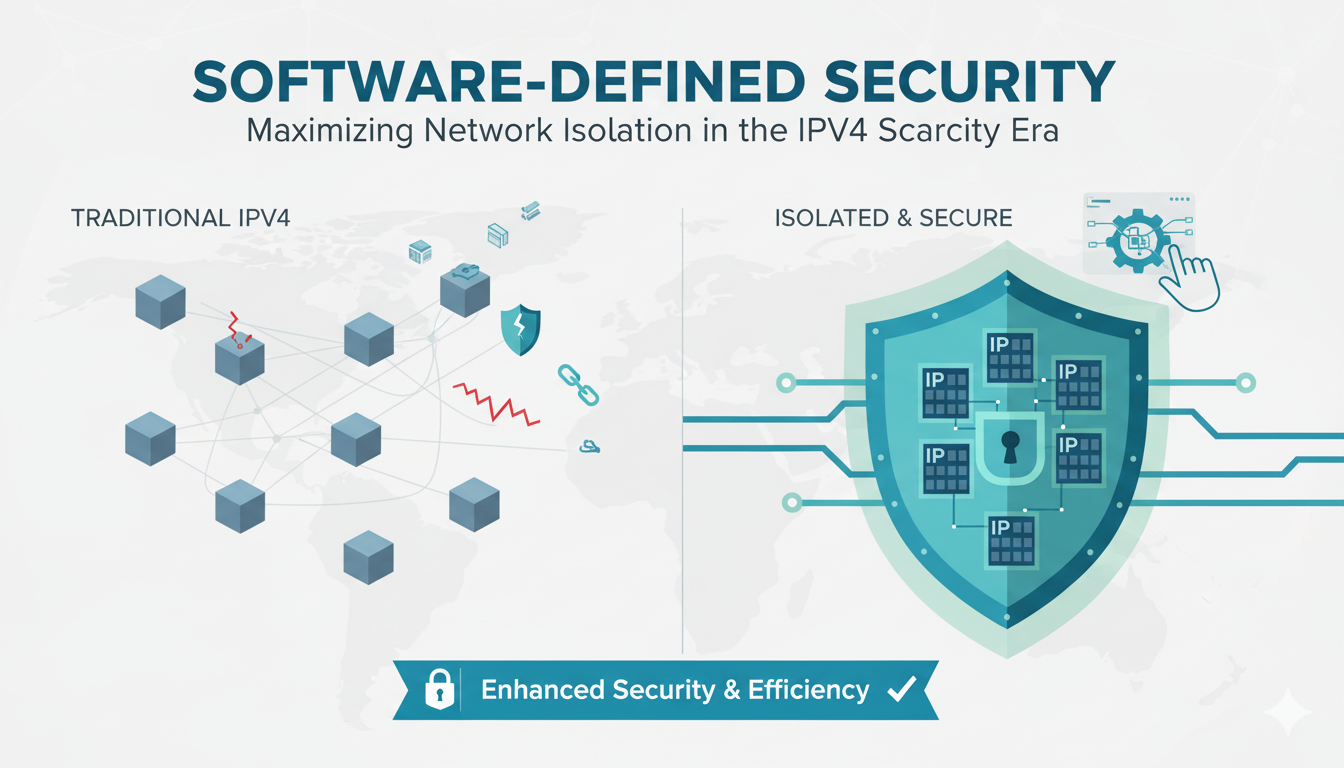
As CEO of InterLIR, I’ve witnessed firsthand how network isolation strategies

What is an ASN? ASN stands for Autonomous System Number. It is a unique identifier

Anycast DNS: A Leader’s Guide to Protecting Your Digital Infrastructure Executive

RPKI Certification: A Leader’s Guide to Internet Routing Security Executive

Executive Summary: What You Need to Know 🎯 Strategic Importance – Internet

When AWS DynamoDB failed in October 2025, thousands of businesses discovered that

Executive Summary: What You Need to Know 🎯 IP reputation directly impacts your
Live chat is provided by Intercom and is loaded only after you enable it. You can also contact us without enabling the chat.