Introduction
Organizations often choose to deploy networking equipment and software from different vendors to leverage the best-of-breed solutions, avoid vendor lock-in, and optimize costs. However, this heterogeneity also introduces significant challenges for IP address management (IPAM).

IPAM in multi-vendor environments involves integrating and managing IP addresses across devices and systems from different vendors, each with its own unique configurations, protocols, and data models. This can lead to inconsistencies, complexities, and potential conflicts that can hinder network performance, security, and scalability. Effective IPAM in multi-vendor networks requires a strategic approach that addresses these challenges and ensures seamless interoperability between different vendor solutions.
A multi-vendor network environment is one where an organization uses networking equipment and software from multiple vendors, rather than relying on a single vendor for all its networking needs. This approach offers several advantages:
However, multi-vendor environments also present several challenges:
| Pros | Cons |
| Cost Savings | Increased complexity in management and troubleshooting |
| Flexibility and Choice | Potential for interoperability issues between different vendor solutions |
| Avoiding Vendor Lock-In | Requires expertise in multiple vendor-specific technologies and protocols |
| Access to Best-of-Breed Technologies | Potential for higher support and maintenance costs |
Despite these challenges, the benefits of multi-vendor networks often outweigh the drawbacks, especially for larger organizations with complex networking needs. By adopting effective IPAM strategies and best practices, organizations can overcome the challenges of multi-vendor environments and reap the rewards of flexibility, choice, and cost savings.
Managing IP addresses in a multi-vendor network environment presents a unique set of challenges that stem from the inherent differences between vendors’ products and technologies. These challenges can hinder efficient IPAM and potentially lead to network issues if not addressed properly.
Each vendor may have its own proprietary data models and formats for storing and representing IP address information. This lack of standardization can make it difficult to integrate IPAM data from different vendors into a centralized system, requiring manual effort and potential data inconsistencies.
Different vendors may implement IPAM protocols (e.g., DHCP, DNS) and configurations differently. This can lead to compatibility issues, where IP addresses allocated by one vendor’s device may not be recognized or properly utilized by another vendor’s device. Additionally, configuring and troubleshooting IPAM settings across different vendor platforms can be time-consuming and require specialized knowledge.
In multi-vendor environments, obtaining a unified view of IP address utilization and network topology can be challenging. Each vendor’s management interface may provide only a partial view of the network, making it difficult to identify and resolve IP address conflicts, track usage patterns, and optimize resource allocation.
Managing IP addresses across multiple vendor-specific tools and interfaces can significantly increase the complexity of IPAM. This can lead to increased administrative overhead, longer troubleshooting times, and a higher risk of errors.
Overcoming the challenges of IPAM in multi-vendor environments requires a combination of strategic planning, technological solutions, and best practices.
Implementing a standardized IPAM solution that can integrate with devices and systems from different vendors is crucial. This provides a centralized platform for managing IP addresses, ensuring consistent data models, and simplifying administration. Look for IPAM solutions that support a wide range of vendors and offer features like automated discovery, allocation, and conflict resolution.
Leverage open standards and APIs (Application Programming Interfaces) to facilitate interoperability between different vendor solutions. This allows you to integrate IPAM data and functionality across your network, regardless of the vendor.
Network automation and orchestration tools can streamline IPAM processes by automating repetitive tasks, such as IP address allocation, configuration updates, and compliance checks. This reduces manual effort, minimizes errors, and improves efficiency in multi-vendor environments.
Consider using vendor-agnostic IPAM tools that are designed to work with a wide range of devices and protocols. These tools can abstract the complexities of different vendor implementations, providing a unified interface for managing IP addresses across your network.
By adopting these strategies, organizations can effectively manage IP addresses in their multi-vendor network environments, ensuring seamless interoperability, scalability, and efficient resource utilization.

Alexey Shkittin
CEO

A Beginner’s Guide to Subnetting IPv4 and IPv6 Addresses Subnetting is a critical

Why IPv4 Leasing Is Becoming the Smart Choice for Businesses in 2025 1. Introduction
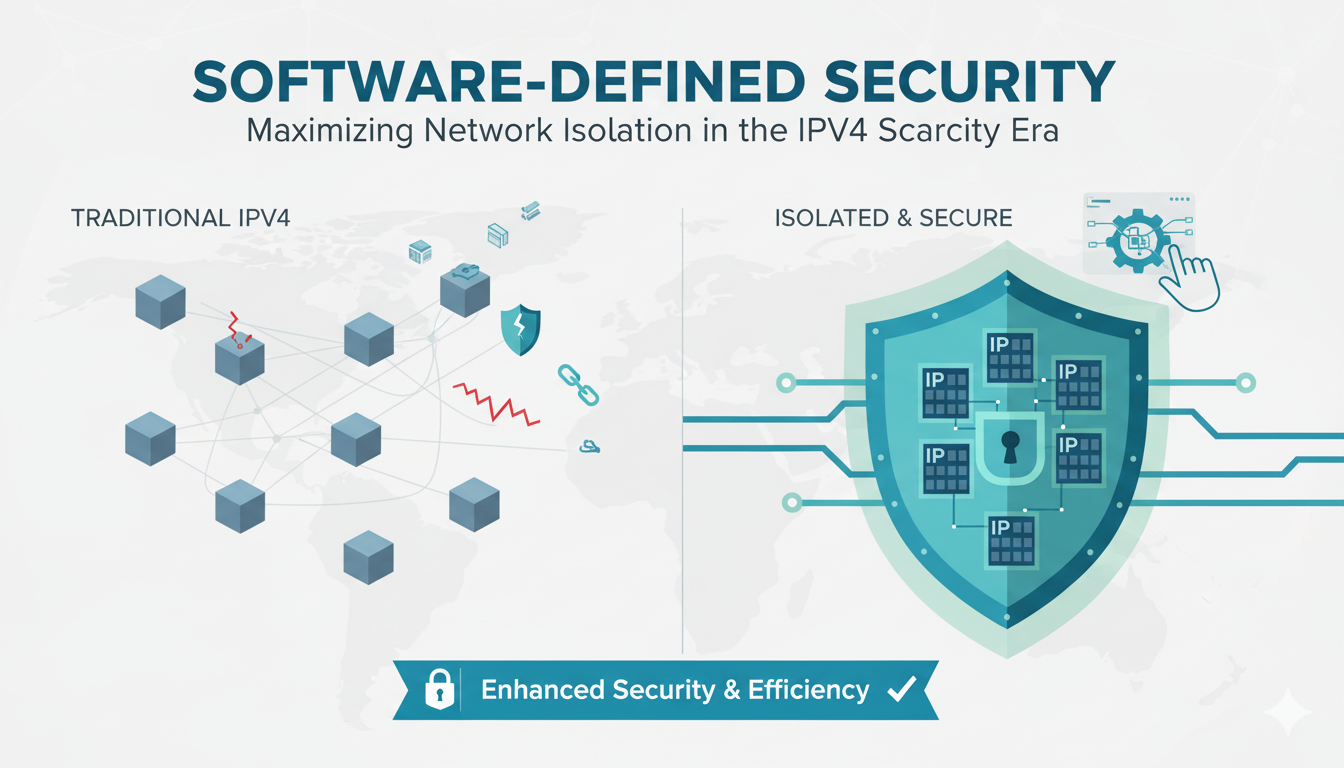
As CEO of InterLIR, I’ve witnessed firsthand how network isolation strategies

What is an ASN? ASN stands for Autonomous System Number. It is a unique identifier

Anycast DNS: A Leader’s Guide to Protecting Your Digital Infrastructure Executive

RPKI Certification: A Leader’s Guide to Internet Routing Security Executive

Executive Summary: What You Need to Know 🎯 Strategic Importance – Internet

When AWS DynamoDB failed in October 2025, thousands of businesses discovered that

Executive Summary: What You Need to Know 🎯 IP reputation directly impacts your
Live chat is provided by Intercom and is loaded only after you enable it. You can also contact us without enabling the chat.