The fifth-generation mobile network (5G) is poised to revolutionize the way we connect to the internet. With its increased speed, reduced latency, and massive connectivity capabilities, 5G will enable a wide range of new applications and services. However, the rapid adoption of 5G also presents significant challenges for network operators and businesses, particularly in terms of IP address management.
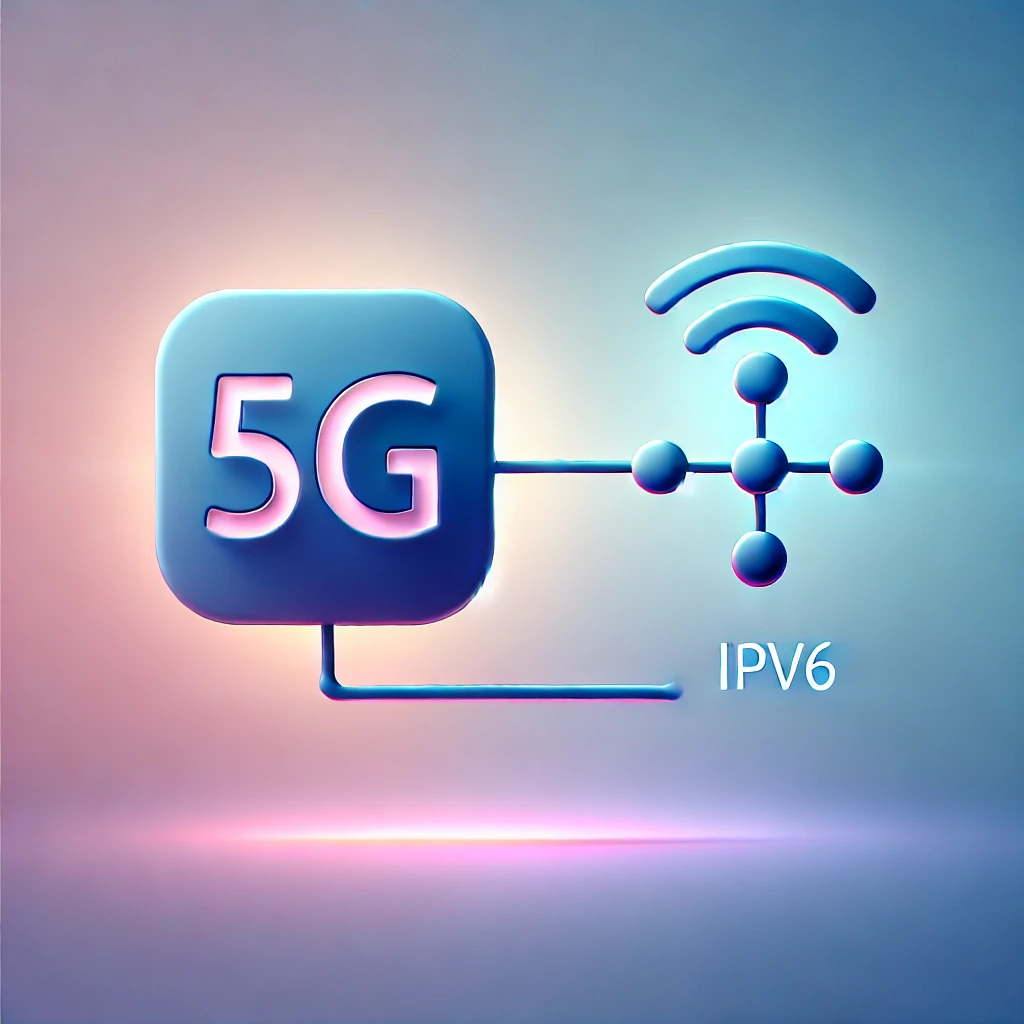
5G networks offer several key advantages over previous generations of mobile networks:
These features will drive a surge in demand for IP addresses. As more devices connect to the internet and new applications emerge, businesses will need to allocate and manage IP addresses effectively to meet the growing demand.
| Feature | 4G | 5G |
| Data rates | Up to 1 Gbps | Up to 10 Gbps |
| Latency | 20-50 ms | 1-10 ms |
| Devices connected per square kilometer | 10,000 | 1 million |
As you can see from the table, 5G offers significant improvements in terms of speed, latency, and capacity. These advancements will drive a much higher demand for IP addresses.
IPv4, the original internet addressing protocol, has a limited address space. This can pose significant challenges in a 5G environment where billions of devices may need to connect to the internet simultaneously.
Some of the key challenges associated with IPv4 in 5G networks include:
To address these challenges, it is essential to transition to IPv6, the next-generation internet addressing protocol.
IPv6 offers several advantages over IPv4, making it well-suited for 5G networks:
By transitioning to IPv6, businesses and network operators can ensure that their networks are prepared for the demands of 5G and can avoid the challenges associated with IPv4 exhaustion.
To illustrate the benefits of IPv6 in 5G networks, let’s examine a few case studies:
These case studies demonstrate the value of IPv6 in 5G networks and the benefits it can offer businesses and organizations.
While IPv6 offers significant benefits, there are also challenges associated with its adoption:
To address these challenges, businesses and network operators should:
By addressing these challenges and following best practices, businesses can successfully transition to IPv6 and reap the benefits of this technology in their 5G networks.
As 5G networks continue to expand and evolve, the demand for IP addresses will only increase. IPv6 is the essential technology for meeting this demand and ensuring the success of 5G.
By understanding the benefits of IPv6 and addressing the challenges associated with its adoption, businesses and network operators can position themselves for success in the 5G era.

Alexei Krylov Nikiforov
Sales manager

A Beginner’s Guide to Subnetting IPv4 and IPv6 Addresses Subnetting is a critical

Why IPv4 Leasing Is Becoming the Smart Choice for Businesses in 2025 1. Introduction
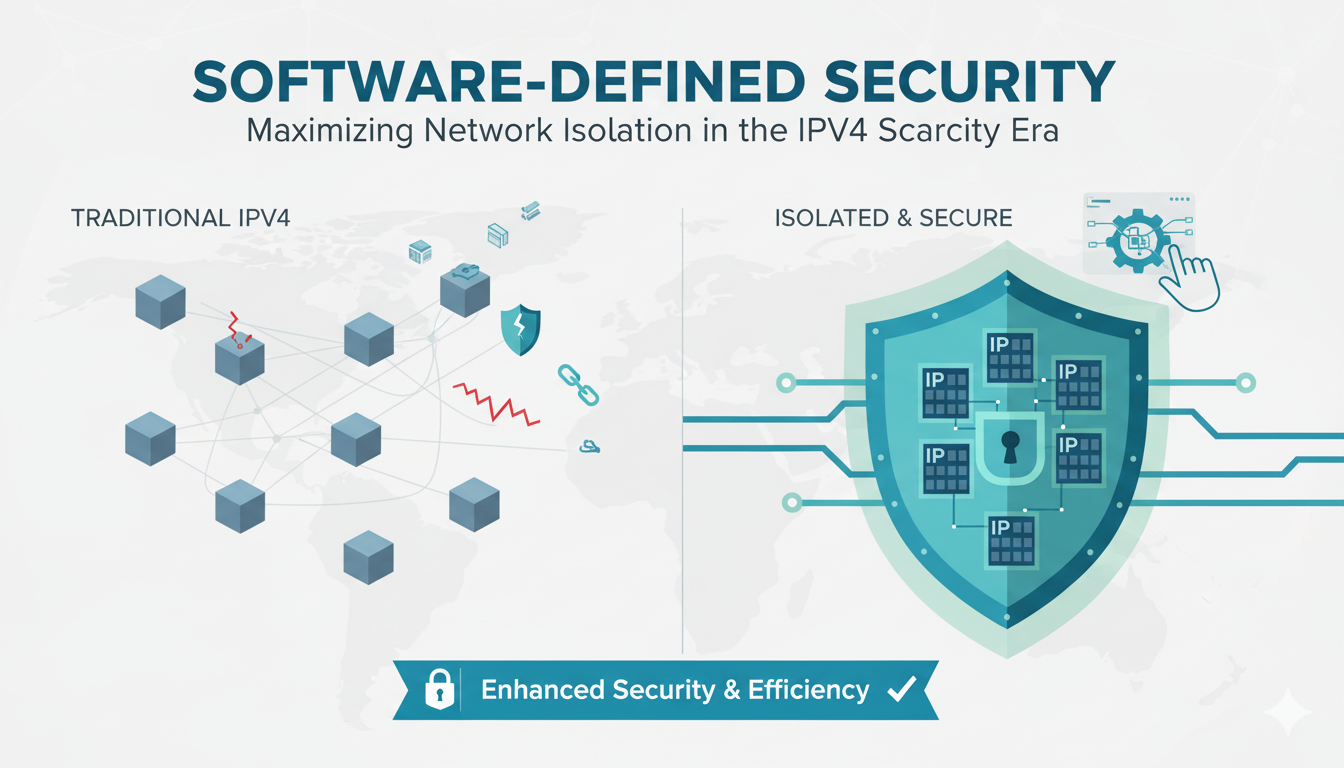
As CEO of InterLIR, I’ve witnessed firsthand how network isolation strategies
What is an ASN? ASN stands for Autonomous System Number. It is a unique identifier

Anycast DNS: A Leader’s Guide to Protecting Your Digital Infrastructure Executive

RPKI Certification: A Leader’s Guide to Internet Routing Security Executive

Executive Summary: What You Need to Know 🎯 Strategic Importance – Internet

When AWS DynamoDB failed in October 2025, thousands of businesses discovered that

Executive Summary: What You Need to Know 🎯 IP reputation directly impacts your
Live chat is provided by Intercom and is loaded only after you enable it. You can also contact us without enabling the chat.