The Economics of IP Addresses: Pricing and ROI for Businesses
In today’s digital landscape, IP addresses are the lifeblood of business operations. They are the unique identifiers that enable devices to communicate over the internet, facilitating everything from website hosting to cloud services, e-commerce transactions to remote work. As businesses increasingly rely on digital infrastructure, the value of IP addresses has skyrocketed, making them a critical asset for companies of all sizes.
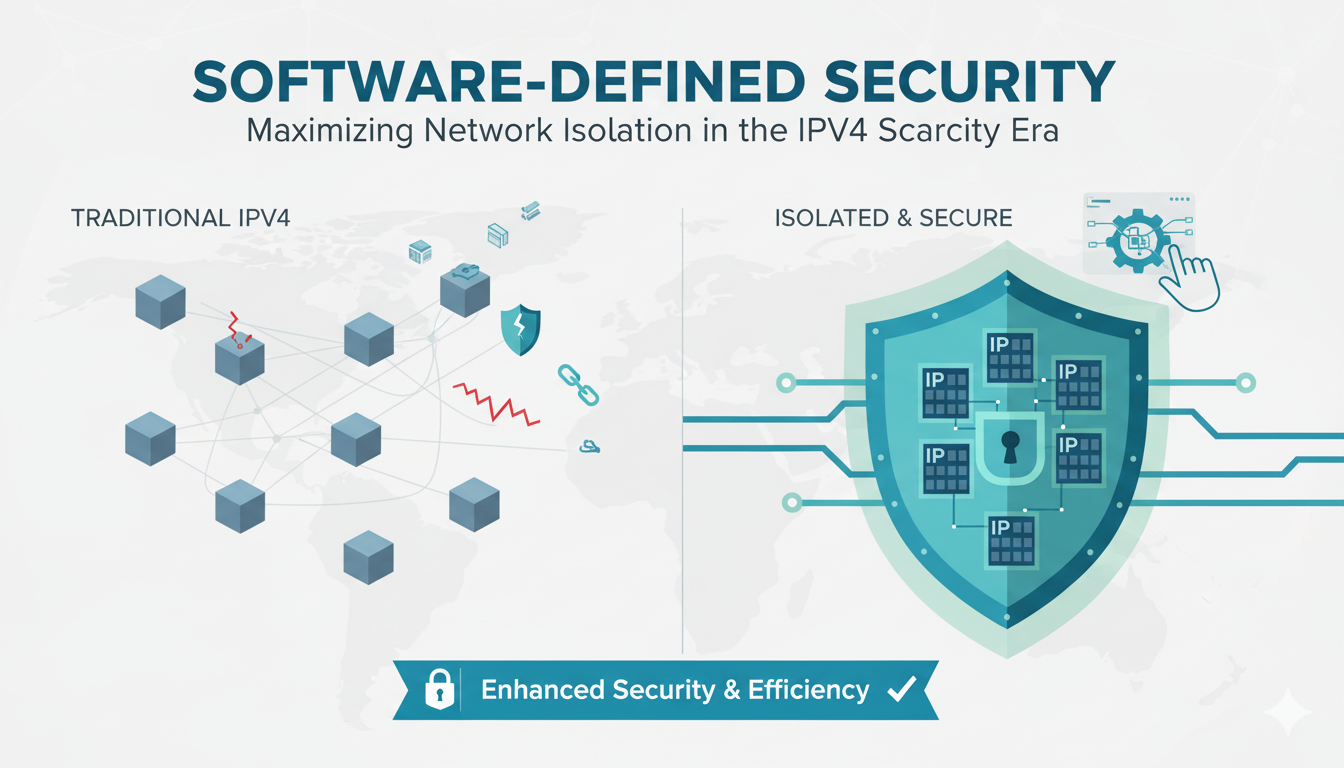
The IP address market, however, is not without its complexities. The scarcity of IPv4 addresses, coupled with the growing adoption of IPv6, has created a dynamic and evolving landscape. Understanding the economics of IP addresses – the factors that influence their pricing, the various ways businesses utilize them, and the potential return on investment (ROI) – is essential for making informed decisions and maximizing the value of this finite resource.
Factors Influencing IP Address Costs
The cost of IP addresses is not static; it fluctuates based on a variety of factors, making it a dynamic and often complex market. Understanding these factors is crucial for businesses to make informed decisions about acquiring and managing IP addresses.
Type of IP Address:
IPv4 vs. IPv6: IPv4 addresses, due to their scarcity, are considerably more expensive than the abundant IPv6 addresses. However, the transition to IPv6 is still ongoing, and many businesses still rely on IPv4 for various reasons.
Static vs. Dynamic: Static IP addresses, which remain constant, are typically more expensive than dynamic IP addresses, which can change over time. Static IPs are often preferred for services that require consistent accessibility, such as web servers or VPNs.
Regional Internet Registries (RIRs):
The world is divided into five RIRs, each responsible for allocating IP addresses in their respective regions. Prices can vary significantly between RIRs due to differences in supply and demand, regional policies, and market conditions.
Market Supply and Demand:
The fundamental economic principle of supply and demand heavily influences IP address pricing. As the demand for IPv4 addresses continues to outpace the limited supply, prices are driven up. Conversely, if more IPv4 addresses become available through reclamation or other means, prices may decrease.
IP Address Quality:
Not all IP addresses are created equal. “Clean” IP addresses, those with no history of spam or abuse, are generally more valuable than those with a questionable reputation. The cleanliness of an IP address can affect its usability for certain services and may even impact email deliverability.
Block Size:
IP addresses are often sold in blocks of various sizes. Larger blocks may command a higher price per address due to their scarcity and the convenience they offer for network management.
Transfer Policy:
Each RIR has its own transfer policy, which can impact the cost and complexity of acquiring IP addresses from a different region or owner.
Comparison IP Address Prices
RIR Region
IPv4 /24 Block (Average Price)
IPv6 /48 Block (Average Price)
ARIN (North America)
$20-$30
$0.01-$0.10
RIPE NCC (Europe)
$15-$25
$0.01-$0.10
APNIC (Asia Pacific)
$25-$35
$0.01-$0.10
LACNIC (Latin America)
$15-$25
$0.01-$0.10
AFRINIC (Africa)
$10-$20
$0.01-$0.10
Note: These are average prices and can vary significantly depending on the specific circumstances of the transaction.
How Businesses Utilize IP Addresses
IP addresses are not just technical jargon; they are the foundation upon which many critical business operations are built. Their usage spans across various aspects of a company’s digital infrastructure, directly impacting its functionality, reach, and security. Here’s how businesses leverage IP addresses:
Web Hosting and Service Delivery:
Websites and Web Applications: Every website or web application requires a unique IP address to be accessible on the internet. Businesses often need multiple IP addresses to host different websites or applications, or to implement load balancing for increased performance and reliability.
Email Servers: Email servers use IP addresses to send and receive emails. Businesses with their own email domains typically need dedicated IP addresses for their email servers to ensure deliverability and reputation management.
DNS Servers: Domain Name System (DNS) servers translate domain names (e.g., “[invalid URL removed]”) into IP addresses, enabling users to access websites and services. Businesses may host their own DNS servers or use third-party DNS providers.
Cloud Computing and Virtualization:
Virtual Machines (VMs): In cloud environments, virtual machines are assigned IP addresses to communicate with each other and with the outside world. Businesses using cloud services often need a pool of IP addresses to accommodate their dynamic computing needs.
Virtual Private Networks (VPNs): VPNs use IP addresses to create secure tunnels over the internet, allowing employees to access company resources remotely. Businesses may need dedicated IP addresses for their VPN servers or client endpoints.
Internet of Things (IoT):
Connected Devices: The Internet of Things encompasses a vast array of devices, from smart thermostats and security cameras to industrial sensors and medical equipment. Each of these devices needs an IP address to communicate with other devices and with central management systems.
Security and Compliance:
Firewalls and Access Control: IP addresses are used to implement firewalls and access control lists (ACLs), allowing businesses to control traffic flow and protect their networks from unauthorized access.
Geolocation and Content Delivery: IP addresses can be used to determine the location of users and devices, enabling businesses to deliver localized content or comply with regional regulations.
Cybersecurity: Monitoring and analyzing IP address traffic patterns can help businesses detect and prevent cyber attacks.
Examples of Companies Utilizing IP Addresses:
Amazon: Uses massive pools of IP addresses for its cloud computing services (AWS), e-commerce platform, and content delivery network (CDN).
Google: Requires a vast number of IP addresses for its search engine, cloud services (GCP), and various other online products.
Facebook: Utilizes numerous IP addresses for its social networking platform, data centers, and content delivery infrastructure.
Netflix: Relies on IP addresses for content delivery, user authentication, and regional licensing compliance.
Tesla: Employs IP addresses for its electric vehicles to communicate with charging stations, receive software updates, and enable autonomous driving features.
Calculating ROI on IP Address Investments
Investing in IP addresses can be a significant financial decision for businesses. To ensure a wise investment, it’s crucial to understand the potential return on investment (ROI) and how to calculate it.
Costs Associated with IP Addresses
Direct Costs:
Purchasing: Buying IP addresses outright involves a substantial upfront cost, but it gives you full ownership and control over the asset.
Leasing: Leasing IP addresses is a more flexible and affordable option, especially for short-term needs. However, it involves recurring payments and doesn’t offer ownership.
Transfer Fees: Acquiring IP addresses through transfers from other entities may involve additional fees.
Indirect Costs:
Management and Maintenance: Managing IP addresses requires technical expertise and resources, including IP address management (IPAM) software, network infrastructure, and personnel.
Compliance: Ensuring compliance with regional regulations and industry standards can incur additional costs.
Security: Protecting IP addresses from unauthorized use or abuse requires investments in security measures like firewalls, intrusion detection systems, and vulnerability scanning.
Potential Benefits of IP Address Investments
Improved Performance and Reliability:
Having enough IP addresses ensures that your services are always available and accessible, leading to improved customer satisfaction and retention.
Load balancing across multiple IP addresses can enhance the performance and responsiveness of your applications and services.
Expanded Business Opportunities:
Acquiring additional IP addresses can enable you to launch new services, expand into new markets, or accommodate business growth.
IP addresses can be a valuable asset for companies looking to establish a stronger online presence or expand their customer base.
Reduced Risks:
Owning or leasing clean IP addresses with a good reputation can help mitigate the risk of email deliverability issues, service disruptions, and security breaches.
Having a sufficient pool of IP addresses can help you avoid costly downtime and service interruptions caused by IP address exhaustion or conflicts.
Calculating ROI
Calculating the ROI on IP address investments requires careful consideration of both the costs and benefits involved. Here’s a simplified approach:
Estimate Total Costs: Sum up all the direct and indirect costs associated with acquiring and managing your IP addresses over a specific period (e.g., one year).
Quantify Benefits: Determine the monetary value of the benefits you expect to gain from your IP address investment. This could include:
Increased revenue from new services or customers.
Cost savings from improved efficiency, reduced downtime, or avoided security breaches.
Intangible benefits like improved brand reputation or customer satisfaction.
Calculate ROI: Subtract the total costs from the total benefits and divide the result by the total costs. Multiply by 100 to express the ROI as a percentage.
Formula:
ROI = (Total Benefits – Total Costs) / Total Costs * 100%
Example:
If a company invests $50,000 in IP addresses and expects to gain $75,000 in benefits over one year, the ROI would be:
ROI = ($75,000 – $50,000) / $50,000 * 100% = 50%
Important Considerations:
Timeframe: ROI calculations should be based on a specific timeframe, such as one year, three years, or five years.
Assumptions: Be realistic about your assumptions regarding costs and benefits. Consider factors like market fluctuations, technological changes, and potential risks.
Consult with Experts: If you’re unsure about how to calculate ROI or need assistance with IPAM strategy, consult with experts in the field.
IP Address Management Strategies
Effective IP address management (IPAM) is essential for businesses to optimize their network performance, ensure security, and maximize the return on their IP address investments. Here are some key strategies that businesses can employ:
Buying vs. Leasing:
Buying: Purchasing IP addresses outright provides complete ownership and control. This is ideal for long-term needs and offers stability, but it requires a significant upfront investment.
Leasing: Leasing IP addresses offers flexibility and is more cost-effective for short-term or fluctuating needs. However, it involves ongoing costs and doesn’t provide ownership.
Hybrid Approach: Many businesses adopt a hybrid approach, buying a core set of IP addresses for critical services and leasing additional addresses to accommodate temporary or seasonal demands.
Utilizing IP Address Pools:
Efficient Allocation: IP address pools allow you to group and manage IP addresses more efficiently. You can allocate addresses from a pool to specific devices or services based on their needs, ensuring optimal utilization.
Subnetting: Subnetting involves dividing a network into smaller subnetworks, each with its own IP address range. This helps organize your network, improve security, and manage traffic flow more effectively.
IP Address Reclamation: Regularly review your IP address utilization and reclaim unused addresses to avoid wastage and ensure that your pool is always sufficient for your needs.
Implementing IPv6:
Future-Proofing: Transitioning to IPv6 is crucial for future-proofing your network. IPv6 offers a vastly larger address space than IPv4, ensuring that you won’t run out of addresses as your business grows and more devices connect to the internet.
Dual-Stack: A dual-stack approach allows you to run both IPv4 and IPv6 concurrently, providing a smooth transition for your existing infrastructure and applications.
Security: IPv6 includes built-in security features like IPsec, which can enhance the security of your network and protect against various threats.
Monitoring and Optimizing Usage:
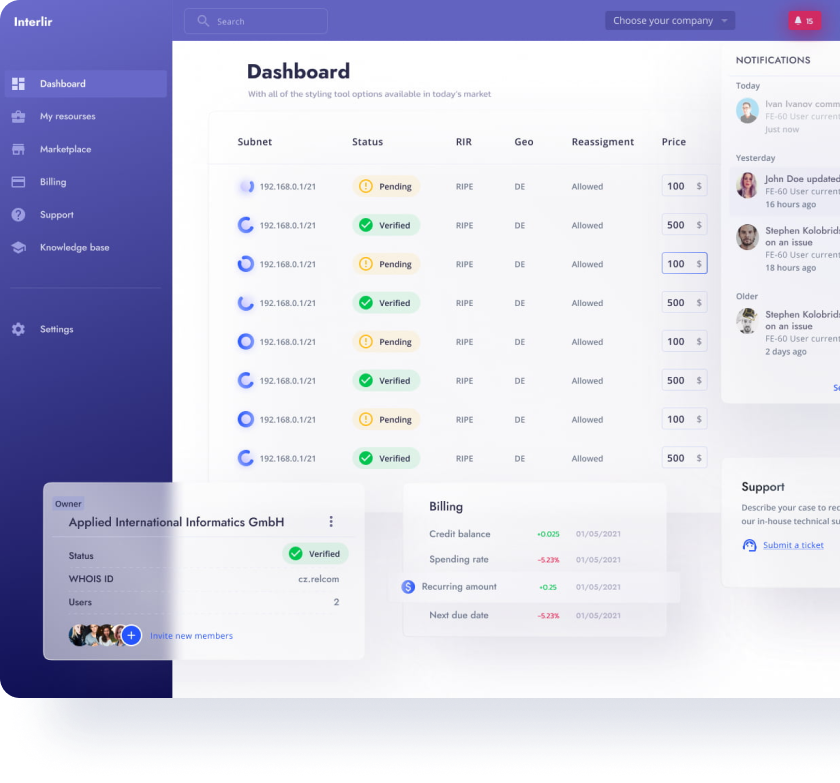
IPAM Software: Utilize IPAM software to track IP address allocations, monitor usage patterns, and identify potential issues like address conflicts or exhaustion.
Network Monitoring: Implement network monitoring tools to track traffic flow, detect anomalies, and optimize network performance.
Regular Audits: Conduct regular audits of your IP address usage to identify inefficiencies, optimize allocations, and ensure compliance with policies and regulations.
Checklist for Developing an Effective IPAM Strategy:
Assess Your Needs: Determine your current and future IP address requirements based on your business goals, growth projections, and technology roadmap.
Choose the Right Approach: Decide whether buying, leasing, or a hybrid approach is best suited for your needs and budget.
Create an IP Address Plan: Develop a comprehensive IP address plan that includes subnetting, address allocation policies, and a plan for transitioning to IPv6.
Implement IPAM Tools: Choose and implement IPAM software that aligns with your needs and integrates with your existing network infrastructure.
Monitor and Optimize: Continuously monitor your IP address usage, optimize allocations, and adapt your strategy as your business evolves.
The Future of IP Address Economics
The landscape of IP address economics is poised for significant transformation in the coming years, driven by technological advancements, evolving business needs, and the ongoing transition from IPv4 to IPv6. Here’s a glimpse into what the future holds:
The Rise of IPv6 and its Impact:
Increased Adoption: The depletion of IPv4 addresses will inevitably accelerate the adoption of IPv6. As more businesses and service providers embrace IPv6, the market dynamics will shift, with IPv6 addresses becoming more readily available and potentially less expensive than their IPv4 counterparts.
Shifting Value Proposition: The value of IPv4 addresses may decline as IPv6 becomes the dominant protocol. However, there will likely still be a demand for IPv4 addresses for legacy systems and for specific use cases where IPv6 is not yet fully supported.
New Opportunities: The widespread adoption of IPv6 will open up new opportunities for businesses, such as simplified network management, improved security, and enhanced support for emerging technologies like the Internet of Things (IoT).
Emerging Technologies and their Influence:
Blockchain: Blockchain technology has the potential to revolutionize IP address management by providing a decentralized and transparent ledger for tracking IP address ownership and usage. This could lead to more efficient and secure IP address transactions, potentially disrupting traditional IP address markets.
Decentralized Networks: The rise of decentralized networks, like those based on blockchain or peer-to-peer (P2P) technology, could challenge the centralized model of IP address allocation and management. This could lead to more democratized access to IP addresses and new economic models for their distribution.
Market Trends and Predictions:
Increased Demand for IP Addresses: As the internet continues to grow and more devices connect to the network, the overall demand for IP addresses, both IPv4 and IPv6, is expected to increase. This could drive up prices for IPv4 addresses in the short term but may eventually lead to price stabilization as IPv6 adoption becomes more widespread.
Regional Variations: The economics of IP addresses may vary significantly across different regions, depending on factors like local regulations, market maturity, and the pace of IPv6 adoption. Businesses will need to consider these regional differences when developing their IPAM strategies.
New Business Models: The evolving IP address landscape may give rise to new business models, such as IP address leasing platforms, marketplaces for buying and selling IP addresses, and consulting services specializing in IPAM for 5G and other emerging technologies.