In today’s fast-evolving digital landscape, the management of Internet Protocol version 4 (IPv4) addresses has become a critical concern for many organizations. As we edge closer to the depletion of IPv4 addresses, businesses are faced with a pivotal decision: whether to lease or purchase IPv4 addresses. This choice is not one-size-fits-all; it hinges on various factors including the organization’s needs, financial considerations, and long-term strategies.

Leasing IPv4 Addresses offers a pathway for businesses seeking flexibility and cost-effectiveness. It is particularly advantageous for organizations with fluctuating network demands or those undergoing transitions to IPv6. The leasing model is underscored by its no long-term commitment, allowing for easy scaling up or down based on current requirements.
Advantages of Leasing:
However, leasing comes with its challenges, such as potential renewal costs and the uncertainty of lease terms due to the lessor’s changing needs.
Purchasing IPv4 Addresses, conversely, might suit organizations seeking long-term stability and control over their network resources. Purchasing provides outright ownership, meaning no worries about future availability or lease renewals.
Advantages of Purchasing:
The downside? High initial costs and the rigidity in terms of scalability and adaptability to changing needs.
Let’s break down the financial implications with a comparison:
| Subnet Size | Leasing Price (Annual) | Buying Price (One-time) |
| /24 | $128.00 | $12,800.00 |
| /23 | $256.00 | $25,600.00 |
| /22 | $512.00 | $51,200.00 |
| /21 | $1,024.00 | $102,400.00 |
| /20 | $2,048.00 | $204,800.00 |
| /19 | $4,096.00 | $409,600.00 |
| /18 | $8,192.00 | $819,200.00 |
| /17 | $16,384.00 | $1,638,400.00 |
| /16 | $32,768.00 | $3,276,800.00 |
This table illustrates the clear financial difference between leasing and buying, emphasizing the lower annual cost of leasing compared to the substantial one-time investment of purchasing.
When to Consider Leasing:
When to Consider Purchasing:
The decision between leasing and purchasing IPv4 addresses boils down to your organization’s immediate needs, financial health, and future growth plans. It’s essential to weigh the flexibility and cost-effectiveness of leasing against the stability and control offered by purchasing.
Before making a decision, consider conducting a comprehensive review of your network demands, budget constraints, and long-term business strategies. This holistic approach will guide you in determining which option—leasing or purchasing—best aligns with your organization’s objectives, ensuring that you make the most informed and strategic choice for your IPv4 address management needs.
Remember, in the digital age, a well-thought-out IP strategy is crucial for maintaining seamless and uninterrupted online services. Whether you decide to lease or purchase, ensure that your decision supports your organization’s overall digital infrastructure and growth trajectory.

Alexey Shkittin
CEO

A Beginner’s Guide to Subnetting IPv4 and IPv6 Addresses Subnetting is a critical

Why IPv4 Leasing Is Becoming the Smart Choice for Businesses in 2025 1. Introduction
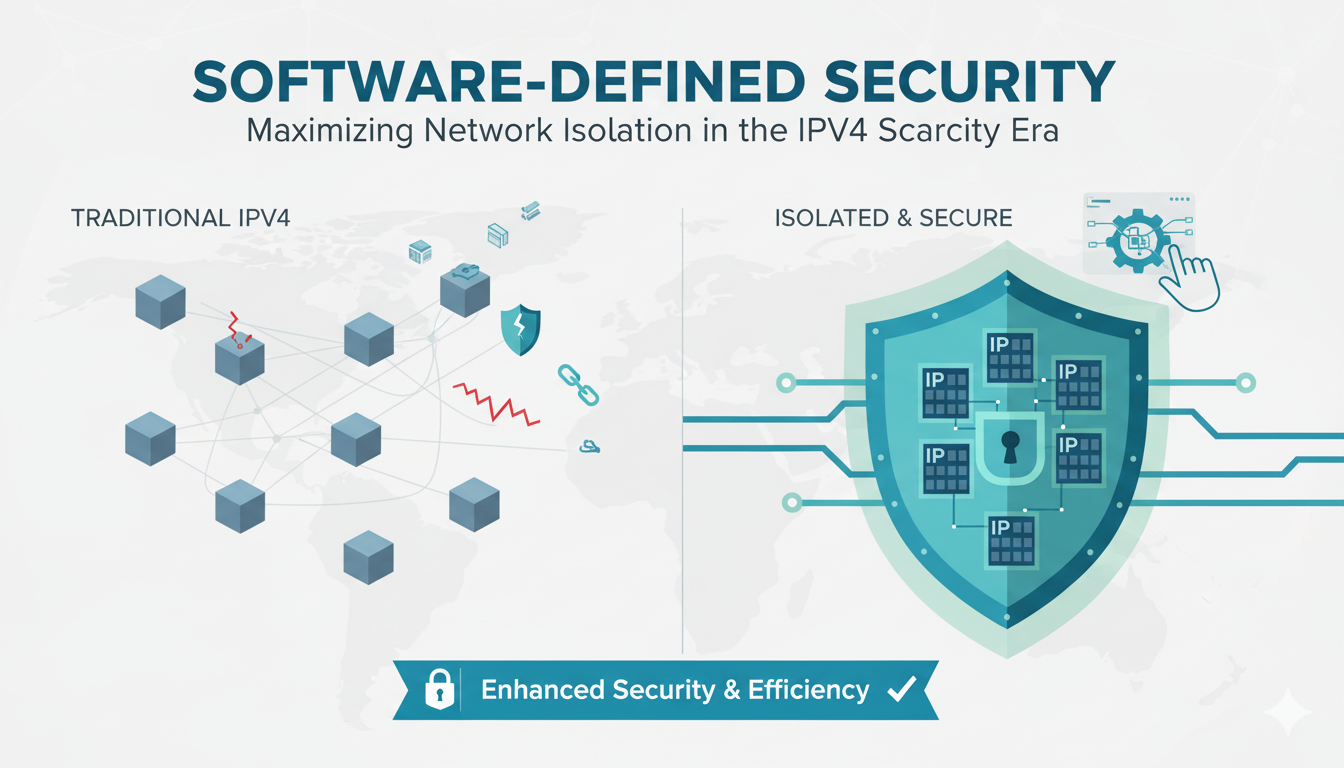
As CEO of InterLIR, I’ve witnessed firsthand how network isolation strategies

What is an ASN? ASN stands for Autonomous System Number. It is a unique identifier

Anycast DNS: A Leader’s Guide to Protecting Your Digital Infrastructure Executive
RPKI Certification: A Leader’s Guide to Internet Routing Security Executive

Executive Summary: What You Need to Know 🎯 Strategic Importance – Internet

When AWS DynamoDB failed in October 2025, thousands of businesses discovered that

Executive Summary: What You Need to Know 🎯 IP reputation directly impacts your
Live chat is provided by Intercom and is loaded only after you enable it. You can also contact us without enabling the chat.