bgunderlay bgunderlay bgunderlay

IP Transfers: Between ARIN, RIPE & APNIC

In today’s interconnected world, Internet Protocol (IP) addresses are crucial for the operation of networks. However, with the exhaustion of IPv4 addresses, organizations often find themselves needing to transfer IP resources within and between different regions. This article outlines the procedures and policies for transferring IP addresses between the American Registry for Internet Numbers (ARIN), Réseaux IP Européens Network Coordination Centre (RIPE NCC), and Asia-Pacific Network Information Centre (APNIC).

1. Understanding IP Transfer Policies

Each Regional Internet Registry (RIR) has specific policies governing the transfer of IP addresses. These policies ensure that transfers are conducted legally and responsibly, preserving the integrity and utility of IP address space.

2. Types of Transfers

Transfers can be categorized into intra-RIR (within the same RIR) and inter-RIR (between different RIRs). Intra-RIR transfers are generally more straightforward, subject to each RIR’s individual policies. Inter-RIR transfers, however, require compliance with policies of both the source and the recipient RIRs.

3. Transfer Requirements and Restrictions

ARIN:

  1. Requires the source to be the current rights holder and not involved in disputes.
  2. Imposes a 12-month restriction after receiving a transfer, allocation, or assignment from ARIN.
  3. Specifies that transferred IP addresses must be operationally used.

RIPE NCC:

  1. Allows the transfer of complete or partial IP address blocks to RIPE members or entities with a contractual relationship with a RIPE member.
  2. Enforces a 24-month hold period for newly received scarce resources.
  3. Requires updates in the RIPE Database to reflect the transfer.

APNIC:

  1. Demands that the source has the proper authority over the IP addresses.
  2. Stipulates that the recipient must demonstrate a legitimate need for the resources based on current APNIC policies.
  3. Provides an IPv4 Transfer Listing Service to facilitate finding potential transfer candidates.

4. Steps for Inter-RIR Transfers

  1. Initiation: The source organization initiates the transfer request through their respective RIR’s online platform.
  2. Approval: Both RIRs involved must evaluate and approve the transfer based on their policies.
  3. Documentation: Parties may need to provide legal and operational documents supporting the transfer.
  4. Completion: Upon approval and fulfillment of all conditions, the RIRs update their records to reflect the transfer.

5. Considerations for Effective IP Transfer

  1. Due Diligence: Verify the legitimacy and authority of the parties involved in the transfer.
  2. Compliance: Ensure that all transfer activities comply with the policies of the respective RIRs.
  3. Record-Keeping: Maintain accurate and updated records of the transfer in both RIR databases.
  4. Legal Advice: Consider obtaining legal counsel to navigate the complexities of international transfers.

Summary of Transfer Policies

RIRTransfer TypesHold PeriodDocumentation RequiredPolicy Compliance
ARINIntra-RIR, Inter-RIR12 monthsOfficer Acknowledgement LetterRSA, current policies
RIPE NCCIntra-RIR, Inter-RIR24 monthsTransfer reflected in RIPE DatabaseRIPE policies, usage rules
APNICIntra-RIR, Inter-RIR, Merger-AcquisitionNone specifiedJustification for needAPNIC policies, operational use

Conclusion

Transferring IP addresses between ARIN, RIPE NCC, and APNIC involves navigating complex regulatory landscapes. By understanding the specific requirements and procedures of each RIR, organizations can effectively manage their IP resources and ensure seamless network operations across regions.

Alexei Krylov Nikiforov

Sales manager

    Ready to get started?

    Articles
    A Beginner’s Guide to Subnetting IPv4 and IPv6 Addresses (2026 Update)
    A Beginner’s Guide to Subnetting IPv4 and IPv6 Addresses (2026 Update)

    A Beginner’s Guide to Subnetting IPv4 and IPv6 Addresses Subnetting is a critical

    More
    IPv4 Leasing Revolution: Why Smart Businesses Are Ditching Ownership in 2025
    IPv4 Leasing Revolution: Why Smart Businesses Are Ditching Ownership in 2025

    Why IPv4 Leasing Is Becoming the Smart Choice for Businesses in 2025 1. Introduction
    More
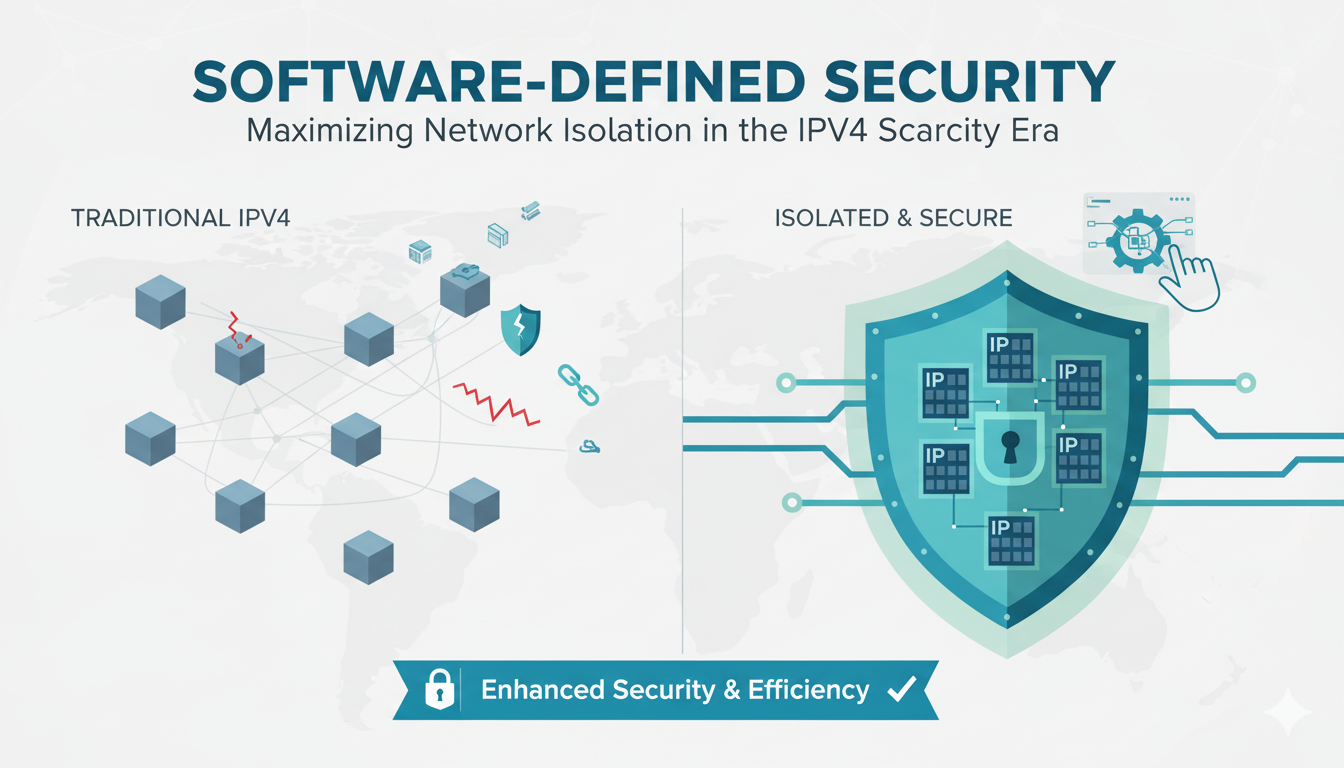
    Network Isolation Revolution: IPv4 Marketplace Insights for Enterprise Security
    Network Isolation Revolution: IPv4 Marketplace Insights for Enterprise Security

      As CEO of InterLIR, I’ve witnessed firsthand how network isolation strategies

    More
    What is ASN?
    What is ASN?

    What is an ASN? ASN stands for Autonomous System Number. It is a unique identifier

    More
    How Anycast DNS Actually Works (And Why Your Network Needs It)
    How Anycast DNS Actually Works (And Why Your Network Needs It)

    Anycast DNS: A Leader’s Guide to Protecting Your Digital Infrastructure Executive

    More
    Why RPKI Matters: Securing Your Company’s Internet Traffic
    Why RPKI Matters: Securing Your Company’s Internet Traffic

    RPKI Certification: A Leader’s Guide to Internet Routing Security Executive

    More
    Why RIPE Address Policy Matters for Your Company’s Digital Future
    Why RIPE Address Policy Matters for Your Company’s Digital Future

    Executive Summary: What You Need to Know 🎯 Strategic Importance – Internet

    More
    AWS Outages: The CEO’s Guide to Preventing Downtime & Protecting Revenue
    AWS Outages: The CEO’s Guide to Preventing Downtime & Protecting Revenue

      When AWS DynamoDB failed in October 2025, thousands of businesses discovered that

    More
    What I Wish CEOs Knew About Managing IP Reputation Risk
    What I Wish CEOs Knew About Managing IP Reputation Risk

    Executive Summary: What You Need to Know 🎯 IP reputation directly impacts your

    More
    How to Create a Subnet and Configure Routing
    How to Create a Subnet and Configure Routing

    Mastering Subnetting and Routing for Modern Networks Why Subnetting Matters in Today’s

    More