As the digital world continues to expand, the transition from IPv4 to IPv6 has become a critical consideration for organizations worldwide. With the Internet Assigned Numbers Authority (IANA) announcing the depletion of IPv4 addresses, the need to adopt IPv6 is more urgent than ever.

IPv4, with its 32-bit addressing scheme, has served the internet well since the 1970s. However, the exponential growth of internet-connected devices has made the larger address space of IPv6 a necessity. IPv6, utilizing 128-bit addresses, offers an undecillion unique addresses, ensuring global connectivity for centuries to come. Beyond the vast address space, IPv6 introduces enhancements in security, efficiency, and direct device-to-device connectivity, eliminating the need for Network Address Translation (NAT) and simplifying network configurations.
Transitioning to IPv6 sooner rather than later positions organizations to leverage the protocol’s benefits, including:
A successful transition to IPv6 requires careful planning and consideration of various factors, including hardware and software compatibility, address planning, and the adoption of dual-stacking for coexistence with IPv4. Key steps in the transition process include:
| Challenge | Solution |
| Compatibility | Upgrade or patch network devices and software to support IPv6. |
| Address Management | Utilize IPAM tools to handle the vast number of IPv6 addresses and simplify network management tasks. |
| Dual-Stack Complexity | Implement dual-stacking methodically, ensuring devices are correctly configured for both IPv4 and IPv6 coexistence. |
Transitioning to IPv6 is not merely a technical necessity but a strategic advantage, positioning organizations for growth and innovation in the evolving digital landscape. By understanding the benefits, addressing the challenges, and following a structured approach to implementation, your network can seamlessly transition to IPv6, ensuring continued connectivity, security, and competitiveness in the internet’s next era.
In conclusion, preparing your network for IPv6 requires a proactive approach, leveraging tools like IPAM and dual-stacking to navigate the transition efficiently. As IPv4 addresses become increasingly scarce, the move to IPv6 is inevitable. By planning and acting now, your organization can ensure a smooth transition, maintaining and enhancing your network’s connectivity and functionality in the IPv6 future.

Evgeny Sevastyanov
Client Support Teamleader

A Beginner’s Guide to Subnetting IPv4 and IPv6 Addresses Subnetting is a critical

Why IPv4 Leasing Is Becoming the Smart Choice for Businesses in 2025 1. Introduction
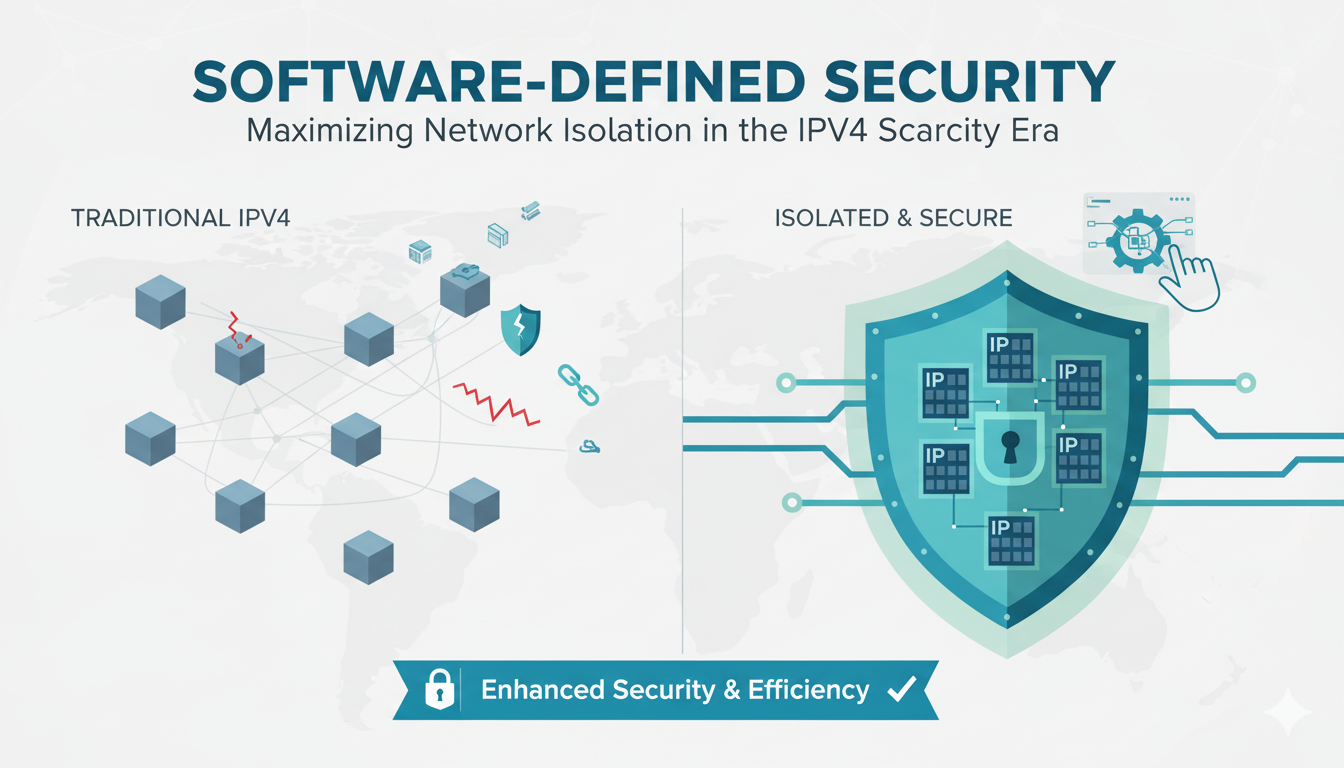
As CEO of InterLIR, I’ve witnessed firsthand how network isolation strategies

What is an ASN? ASN stands for Autonomous System Number. It is a unique identifier

Anycast DNS: A Leader’s Guide to Protecting Your Digital Infrastructure Executive

RPKI Certification: A Leader’s Guide to Internet Routing Security Executive

Executive Summary: What You Need to Know 🎯 Strategic Importance – Internet

When AWS DynamoDB failed in October 2025, thousands of businesses discovered that

Executive Summary: What You Need to Know 🎯 IP reputation directly impacts your
Live chat is provided by Intercom and is loaded only after you enable it. You can also contact us without enabling the chat.