bgunderlay bgunderlay bgunderlay

Subnet Mask: An Introductory Guide to Subnetting Basics

A subnet mask is a 32-bit number that segregates the IP address into network and host portions. This separation is essential for creating smaller, manageable subnetworks within a larger network. Subnet masks operate by setting the network bits to ‘1’ and the host bits to ‘0’. For example, with an IP address of 192.168.1.0 and a subnet mask of 255.255.255.0, the first three octets (255.255.255) represent the network address, and the last octet (.0) is reserved for host addresses.

The Purpose of Subnetting

Subnetting, facilitated by subnet masks, serves multiple purposes:

  1. Improved Network Performance. By dividing a large network into smaller subnets, subnetting minimizes traffic, reduces congestion, and enhances performance.
  2. Enhanced Security. Subnetting allows network administrators to control access and segregate parts of the network, thus enhancing security.
  3. Efficient IP Address Management. Subnetting maximizes the usage of IP addresses, preventing wastage in large networks.

Subnetting in Network Design

Subnetting is integral to network design for its ability to:

  1. Streamline Routing. Subnets enable more efficient routing of data by reducing the complexity of routing tables.
  2. Organize Network Structure. Subnetworks can be organized logically, such as by department or usage type, simplifying management.

Methods of Subnetting

There are two primary methods of subnetting:

  1. Fixed Length Subnetting (Classful). Here, all subnets have the same size, with an equal number of hosts.
  2. Variable Length Subnetting (Classless). This allows for subnets of varying sizes, optimizing the use of IP addresses.

Fixed Length vs. Variable Length Subnetting

FeatureFixed Length SubnettingVariable Length Subnetting
UniformitySame size for all subnetsDifferent sizes for subnets
IP Address UtilizationLess efficientMore efficient
FlexibilityLimitedHigh
ComplexityLowerHigher

How to Create Subnet Mask

To create a subnet mask, you can follow these general steps:

  1. Understand the IP Addressing Scheme. Before creating a subnet mask, it’s important to understand the IP addressing scheme being used, including the class of the IP address and the default subnet mask associated with it.
  2. Determine the Number of Subnets and Hosts. Identify the number of subnets and hosts required for your network, as this will influence the subnet mask you need to create.
  3. Convert to Binary. Convert the default subnet mask or the portion of the IP address that represents the network portion into binary. This will help you visualize the bits that need to be borrowed to create subnets.
  4. Borrow Bits for Subnetting. Borrow a sufficient number of bits from the host portion of the IP address to create the required number of subnets. The number of bits borrowed will depend on the number of subnets needed.
  5. Determine the New Subnet Mask. Once you have borrowed the necessary bits, convert the binary back to decimal to determine the new subnet mask. The additional bits will be reflected in the subnet mask as “on” or set bits.
  6. Apply CIDR Notation. Finally, express the subnet mask using Classless Inter-Domain Routing (CIDR) notation, which appends the number of subnet mask bits to the network address. For example, an IPv4 address with its associated CIDR notation might look like 192.168.0.1/23, where “/23” indicates the subnet mask.

By following these steps, you can create a subnet mask tailored to your specific network requirements, enabling efficient IP address allocation and effective network management.

Best Practices for Subnetting

To effectively implement subnetting, consider the following best practices:

  1. Plan Thoroughly. Understand your network’s needs and design your subnetting scheme accordingly.
  2. Use Hierarchical Design. Structure your network in logical layers for easier management.
  3. Document Everything. Keep detailed records of your subnetting strategy for future reference and adjustment.

Conclusion

Subnet masks and subnetting are essential tools in modern IP networking, offering improved performance, enhanced security, and efficient IP address management. Whether it’s through fixed length or variable length subnetting, understanding and implementing these concepts effectively is crucial for optimizing network infrastructure.

Evgeny Sevastyanov

Client Support Teamleader

    Ready to get started?

    Articles
    A Beginner’s Guide to Subnetting IPv4 and IPv6 Addresses (2026 Update)
    A Beginner’s Guide to Subnetting IPv4 and IPv6 Addresses (2026 Update)

    A Beginner’s Guide to Subnetting IPv4 and IPv6 Addresses Subnetting is a critical

    More
    IPv4 Leasing Revolution: Why Smart Businesses Are Ditching Ownership in 2025
    IPv4 Leasing Revolution: Why Smart Businesses Are Ditching Ownership in 2025

    Why IPv4 Leasing Is Becoming the Smart Choice for Businesses in 2025 1. Introduction
    More
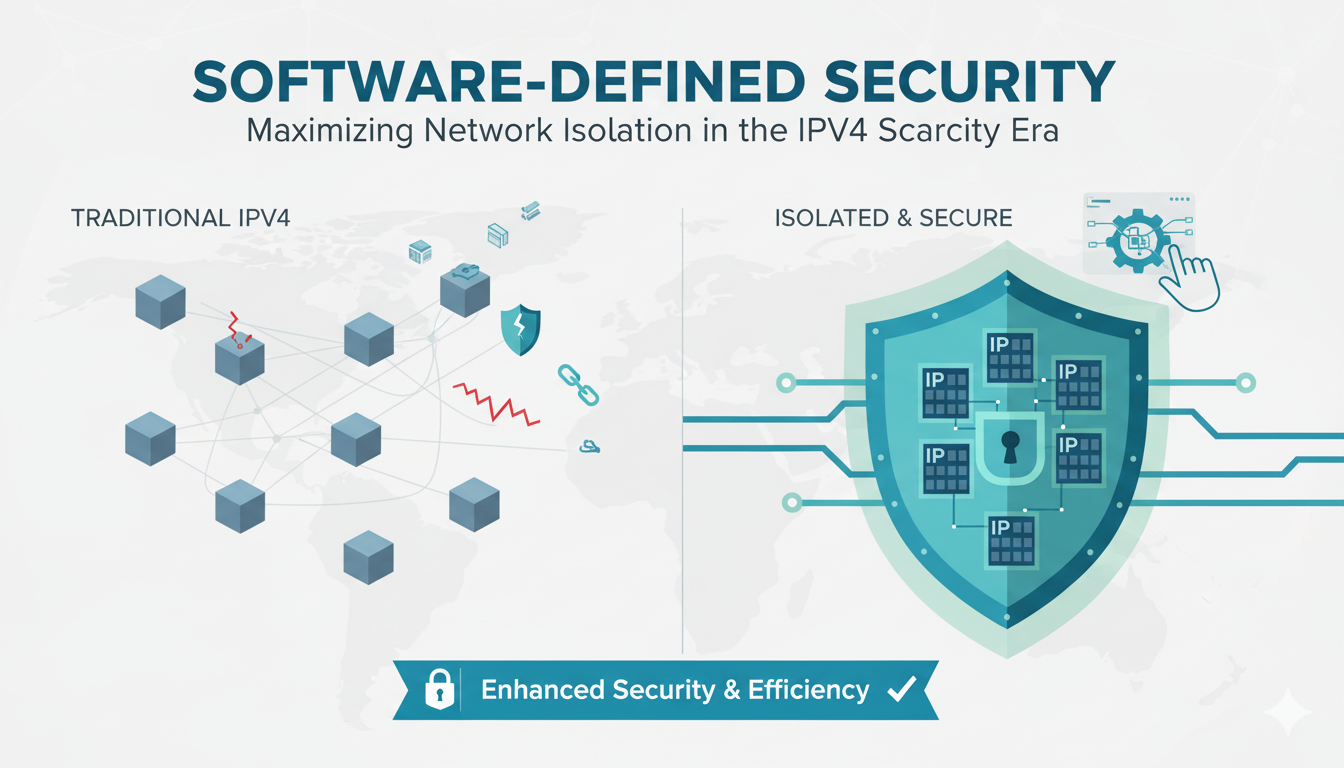
    Network Isolation Revolution: IPv4 Marketplace Insights for Enterprise Security
    Network Isolation Revolution: IPv4 Marketplace Insights for Enterprise Security

      As CEO of InterLIR, I’ve witnessed firsthand how network isolation strategies

    More
    What is ASN?
    What is ASN?

    What is an ASN? ASN stands for Autonomous System Number. It is a unique identifier

    More
    How Anycast DNS Actually Works (And Why Your Network Needs It)
    How Anycast DNS Actually Works (And Why Your Network Needs It)

    Anycast DNS: A Leader’s Guide to Protecting Your Digital Infrastructure Executive

    More
    Why RPKI Matters: Securing Your Company’s Internet Traffic
    Why RPKI Matters: Securing Your Company’s Internet Traffic

    RPKI Certification: A Leader’s Guide to Internet Routing Security Executive
    More
    Why RIPE Address Policy Matters for Your Company’s Digital Future
    Why RIPE Address Policy Matters for Your Company’s Digital Future

    Executive Summary: What You Need to Know 🎯 Strategic Importance – Internet

    More
    AWS Outages: The CEO’s Guide to Preventing Downtime & Protecting Revenue
    AWS Outages: The CEO’s Guide to Preventing Downtime & Protecting Revenue

      When AWS DynamoDB failed in October 2025, thousands of businesses discovered that

    More
    What I Wish CEOs Knew About Managing IP Reputation Risk
    What I Wish CEOs Knew About Managing IP Reputation Risk

    Executive Summary: What You Need to Know 🎯 IP reputation directly impacts your

    More
    How to Create a Subnet and Configure Routing
    How to Create a Subnet and Configure Routing

    Mastering Subnetting and Routing for Modern Networks Why Subnetting Matters in Today’s

    More