bgunderlay bgunderlay bgunderlay

Navigating IPv4 Leasing: Essential Tips for Lessees

In the ever-evolving landscape of network infrastructure, the leasing of IPv4 addresses has emerged as a strategic solution for organizations seeking to scale their networks without the significant upfront costs associated with purchasing IP addresses.
The primary reason for considering IPv4 leasing is the scarcity of available IPv4 addresses. With the exhaustion of IPv4 address space, organizations are increasingly turning to leasing as a viable option to meet their networking requirements. IPv4 offers approximately 4.3 billion addresses, many of which are already in use or reserved for specific purposes, making it essential for lessees to assess their specific needs before initiating the leasing process.

What is IPv4 Leasing and How Does It Work?

IPv4 leasing is a process where organizations can rent IP addresses from a provider for a specified period, instead of purchasing them outright. This approach offers flexibility and cost savings, making it an appealing choice for organizations with immediate needs, smaller businesses, and those looking to scale their networks without significant upfront investments. When leasing IP addresses, the provider takes care of maintenance and technical support for the leased address space, relieving the lessee from the burden of setting up or managing the necessary equipment.

Essential Tips for Lessees

1. Familiarize with Current Policies

It is imperative for lessees to have a comprehensive understanding of the current policies and regulations governing IPv4 leasing. Organizations should ensure compliance with the policies outlined in the ARIN’s Number Resource Policy Manual to avoid any potential regulatory issues.

2. Record Keeping and Compliance

Upon leasing IPv4 address space, lessees must adhere to policies pertaining to reallocations/reassignments and ensure that the leased IP space is accurately recorded. This practice is essential for maintaining transparency and complying with regulatory requirements.

3. Evaluate the Benefits of Leasing

Lessees should carefully evaluate the significant benefits of leasing IPv4 resources as opposed to purchasing them. These benefits include cost-effectiveness, scalability, and flexibility for network expansion, making IPv4 leasing a highly advantageous solution for organizations.

4. Consider Long-Term Strategies

While leasing IPv4 addresses can address immediate networking needs, organizations should also consider long-term strategies, including the transition to IPv6. This ensures sustainability and scalability for future network growth, aligning with the evolving landscape of IP address management.

How to Choose the Right IPv4 Leasing Provider for Your Organization

In 2024, numerous providers and brokers offer IPv4 leasing services. The following criteria should be evaluated to select the most suitable IPv4 lease provider:

  1. Reputation: Research and assess the provider’s reputation within the industry. Look for customer reviews and testimonials to gauge the quality of their services.
  2. Service Offering: Evaluate the range of services offered by the provider. A reputable provider should offer a variety of IP block sizes, subnet validation procedures, accessibility to subnets from Regional Internet Registries, and rich availability of subnet sizes and geolocations.
  3. Security Measures: Implement robust security measures to protect your leased IP addresses from cyber threats. The provider should offer IP address abuse management services and additional IP address management services to ensure the security of the leased addresses.
  4. IPv4 and IPv6 Options: As IPv4 addresses are running out and IPv6 is becoming the new standard, it’s important to ensure that the leasing provider offers both IPv4 and IPv6 options to meet your organization’s future needs.
  5. Cost-Effectiveness: Consider the pricing of the IP address space offered by the provider. The cost of leasing IPv4 addresses can vary significantly based on market demand and supply, so it’s important to choose a provider that offers competitive and reasonable pricing.
  6. Technical Support: Ensure that the provider offers high-quality technical support to address any issues or concerns related to the leased IP addresses.
  7. Legal Compliance: Verify that the provider complies with legal and regulatory guidelines related to IP address leasing.

What Are the Different Types of IPv4 Leasing Agreements?

The types of IPv4 leasing agreements can vary based on the terms and conditions negotiated between the lessor (provider) and the lessee (renter). Some common types of IPv4 leasing agreements include:

  1. Short-Term Leases: These agreements allow lessees to rent IP addresses for a short duration, such as a few months, to meet temporary or immediate networking needs.
  2. Long-Term Leases: Long-term agreements enable lessees to rent IP addresses for an extended period, which may be suitable for organizations with ongoing or predictable address requirements.
  3. Lease-to-Own: Some providers offer lease-to-own options, allowing lessees to convert the leased addresses into a permanent ownership arrangement after a specified period.
  4. Customized Agreements: Providers may offer customized lease agreements tailored to the specific needs of the lessee, including unique terms, pricing, and renewal options.

How to Negotiate an IPv4 Leasing Agreement with a Provider

Negotiating an IPv4 leasing agreement with a provider involves several key steps to ensure a smooth and mutually beneficial arrangement. 

  1. Choose the Right IP Broker or Provider: Select a reputable and reliable IPv4 lease provider or broker. Research their reputation, service offerings, and customer reviews to gauge the quality of their services.
  2. Prequalification Checks: The leasing process may involve prequalification checks to ensure that the lessee meets the necessary criteria and requirements for the lease agreement.
  3. Setting Up the Agreement: Once the provider is chosen, the next step involves setting up the leasing agreement. This includes negotiating the terms, such as the number of IP addresses needed, geographic location, and contract duration.
  4. Payment Facilitation: The provider typically creates invoices and facilitates the smooth transfer of funds between the parties involved in the leasing agreement.
  5. Issue of Letter of Authorization (LOA): Upon receiving payment, the lessor (provider) issues a Letter of Authorization (LOA) to the lessee. The lessee can then instruct their Internet Service Provider (ISP) to configure the leased IP addresses for their use.
  6. Access to Leased IP Addresses: After the agreement is finalized and the first payment is made, the lessee gains access to the leased IPv4 address space, typically within a short timeframe, such as 24 hours.
  7. Terms and Conditions: The terms and conditions of the leasing agreement, including pricing, duration, and any additional services, should be clearly defined and agreed upon by both parties.
  8. Legal Compliance and Documentation: Ensure that the leasing agreement complies with relevant laws and regulations. The provider should provide standard transaction documents and handle the reassignment of IP addresses at the relevant Regional Internet Registry (RIR).

What Are the Costs of IPv4 Leasing

The costs associated with IPv4 leasing can vary based on market demand, supply, and the terms of the lease agreements. The average lease price per IPv4 address was approximately $0.50 to $0.59 in 2022, offering a cost-effective solution for organizations compared to the average sale price of around $50 per IP address in the same year.

Providers may offer fixed monthly fees for leasing IPv4 addresses, with prices starting at around €0.50/IP monthly on a two-year agreement, and slight discounts possible based on longer terms and/or larger orders. Additionally, the cost of leasing IPv4 addresses can be influenced by factors such as the size of the IP block, geographic location, and the duration of the lease agreement.

It’s important for organizations to carefully consider the pricing and terms offered by IPv4 lease providers to ensure a cost-effective and efficient leasing experience. By evaluating the average market prices and the specific terms of the lease agreements, organizations can make informed decisions when engaging in IPv4 leasing arrangements.

What Is the Difference Between Fixed Fees and Variable Fees for IPv4 Leasing

AspectFixed FeesVariable Fees
Cost StructureSet, predetermined amountCan fluctuate based on various factors
StabilityConstant over a specific periodSubject to market fluctuations
PredictabilityKnown cost structureLess predictable, market-dependent
ExamplesMonthly fee for leasing IPv4 addressesMarket-driven pricing based on supply and demand
Suitable forOrganizations seeking price stabilityOrganizations open to market variations
Risk ToleranceLower risk due to fixed costsHigher risk due to potential price changes
Decision FactorsBudget planning, cost controlMarket analysis, cost optimization
Long-Term CommitmentMay offer price advantages on longer-term agreementsMay offer flexibility for shorter-term needs
Market Demand InfluenceLess influenced by market demandDirectly influenced by market dynamics

Alexander Timokhin

COO

    Ready to get started?

    Articles
    A Beginner’s Guide to Subnetting IPv4 and IPv6 Addresses (2026 Update)
    A Beginner’s Guide to Subnetting IPv4 and IPv6 Addresses (2026 Update)

    A Beginner’s Guide to Subnetting IPv4 and IPv6 Addresses Subnetting is a critical

    More
    IPv4 Leasing Revolution: Why Smart Businesses Are Ditching Ownership in 2025
    IPv4 Leasing Revolution: Why Smart Businesses Are Ditching Ownership in 2025

    Why IPv4 Leasing Is Becoming the Smart Choice for Businesses in 2025 1. Introduction
    More
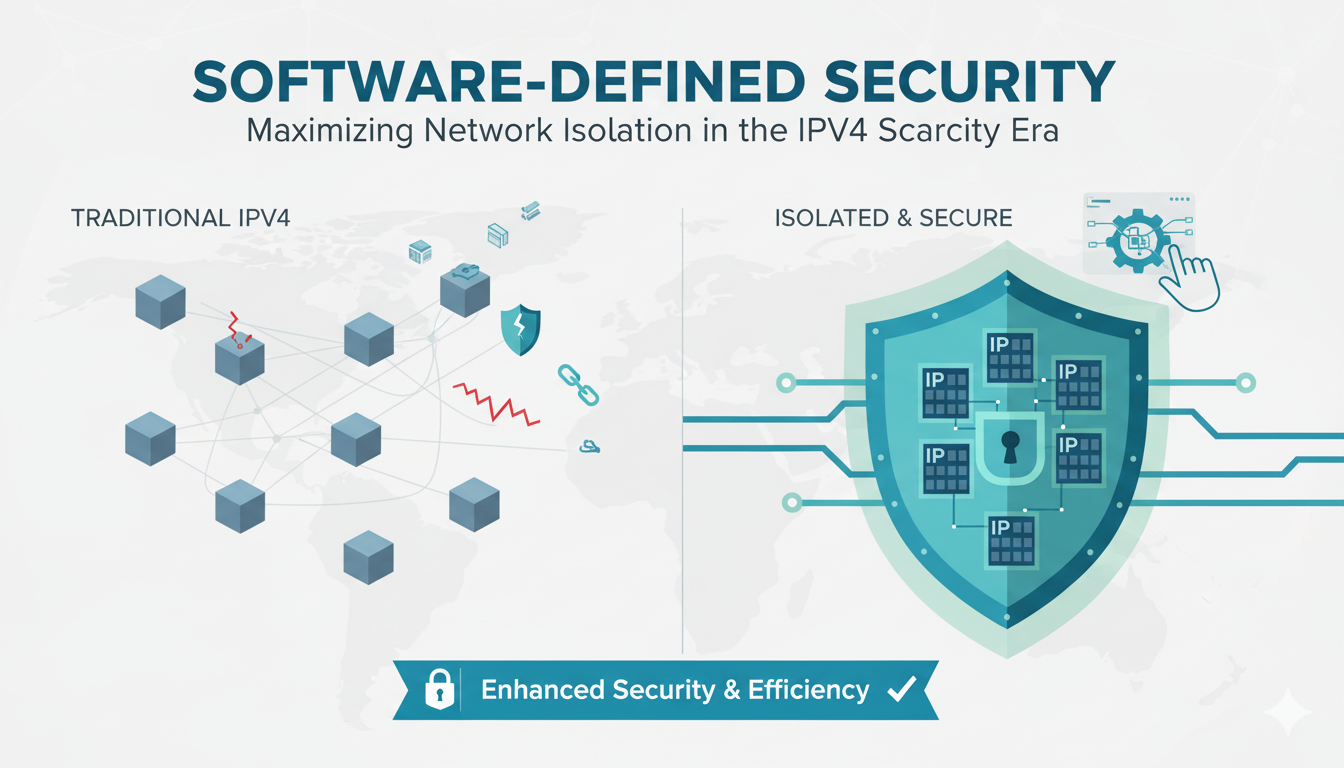
    Network Isolation Revolution: IPv4 Marketplace Insights for Enterprise Security
    Network Isolation Revolution: IPv4 Marketplace Insights for Enterprise Security

      As CEO of InterLIR, I’ve witnessed firsthand how network isolation strategies

    More
    What is ASN?
    What is ASN?

    What is an ASN? ASN stands for Autonomous System Number. It is a unique identifier

    More
    How Anycast DNS Actually Works (And Why Your Network Needs It)
    How Anycast DNS Actually Works (And Why Your Network Needs It)

    Anycast DNS: A Leader’s Guide to Protecting Your Digital Infrastructure Executive

    More
    Why RPKI Matters: Securing Your Company’s Internet Traffic
    Why RPKI Matters: Securing Your Company’s Internet Traffic

    RPKI Certification: A Leader’s Guide to Internet Routing Security Executive

    More
    Why RIPE Address Policy Matters for Your Company’s Digital Future
    Why RIPE Address Policy Matters for Your Company’s Digital Future

    Executive Summary: What You Need to Know 🎯 Strategic Importance – Internet

    More
    AWS Outages: The CEO’s Guide to Preventing Downtime & Protecting Revenue
    AWS Outages: The CEO’s Guide to Preventing Downtime & Protecting Revenue

      When AWS DynamoDB failed in October 2025, thousands of businesses discovered that

    More
    What I Wish CEOs Knew About Managing IP Reputation Risk
    What I Wish CEOs Knew About Managing IP Reputation Risk

    Executive Summary: What You Need to Know 🎯 IP reputation directly impacts your

    More
    How to Create a Subnet and Configure Routing
    How to Create a Subnet and Configure Routing

    Mastering Subnetting and Routing for Modern Networks Why Subnetting Matters in Today’s

    More