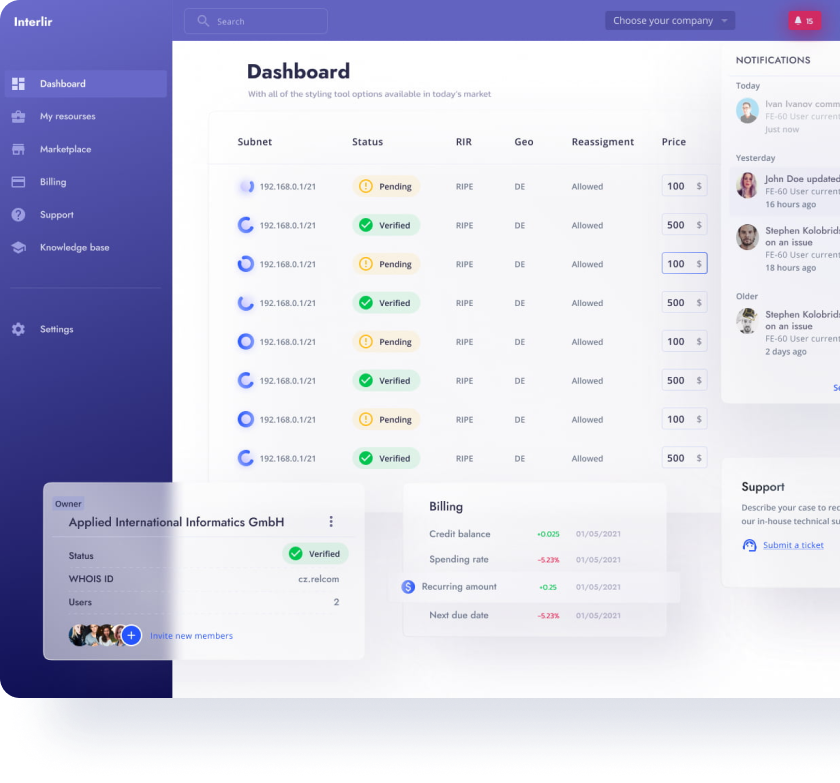
IP Address Management (IPAM) is a critical component of network administration, ensuring the efficient allocation, monitoring, and maintenance of IP addresses. Advanced techniques in IPAM involve the use of sophisticated tools and software to streamline IP address space management, DNS, and DHCP services.

Advanced Techniques in IPAM encompass a wide range of strategies and tools that enhance the efficiency, accuracy, and security of IP address management within complex network environments. These techniques go beyond basic IP address allocation and tracking, offering solutions for streamlined administration, automation, and integration with other network services. Here are some advanced techniques in IPAM:
These techniques enhance the management of IP address space, making it more efficient, reliable, and adaptable to the needs of modern networks.
Here is a comparison of some of the best IPAM tools available:
| IPAM Tool | Features and Capabilities | Pros | Cons |
| SolarWinds IP Address Manager (IPAM) | – Simplified DNS and DHCP integration – Compliance and auditing – Cloud management capabilities – Role-based access control – Effective troubleshooting | – Centralized platform for managing IP addresses – Robust features for IP address assignment – Clear view of the network’s IP address space – Aids in compliance and auditing – Critical device IP address reservations | – Not designed for home users, in-depth networking tool built for IT professionals |
| phpIPAM | – Automated IP Address Tracking – Alerting – Troubleshooting – Reporting – AutoDiscovery – Dependency Mapping – On-premise and Cloud DNS and DHCP support | – Simple and easy-to-use interface – Efficient IP address management – VLAN management and subnet scanning | – Geared towards smaller networks, may lack some advanced features |
| ManageEngine OpUtils | – Automated IP Address Tracking – Alerting – Troubleshooting – Reporting – AutoDiscovery – Dependency Mapping | – User-friendly interface – Efficient IP address management – Integration with DNS and DHCP servers | – May lack some advanced features |
| Infoblox IPAM (DHCP, DNS and IPAM) | – Automated IP Address Tracking – Alerting – Troubleshooting – Reporting – AutoDiscovery – Dependency Mapping | – Integration with DNS and DHCP servers – Efficient IP address management | – May lack some advanced features |
| NetBox | – IP address management (IPAM) – Supports complex network hierarchies | – User-friendly interface – Suitable for beginners | – May lack some advanced features |
| GestioIP | – Basic IP address management features – Cost-effective | – User-friendly interface – Suitable for beginners | – May lack some advanced features |
These tools offer a range of features and are suitable for different use cases, from basic IP address management to more advanced and comprehensive solutions. When choosing an IPAM tool, it’s important to consider the specific needs of the network and the level of expertise of the users who will be managing the IP addresses.
The pricing options for the top IPAM tools vary based on the features and capabilities offered.
Free and paid IPAM tools differ in several key aspects:
In summary, paid IPAM tools offer a broader feature set, scalability, commercial support, integration, and automation capabilities. Free IPAM tools are suitable for smaller networks and provide basic IP address management features at no cost. The choice between free and paid IPAM tools depends on the specific requirements and budget of the organization.

Evgeny Sevastyanov
Client Support Teamleader

A Beginner’s Guide to Subnetting IPv4 and IPv6 Addresses Subnetting is a critical

Why IPv4 Leasing Is Becoming the Smart Choice for Businesses in 2025 1. Introduction
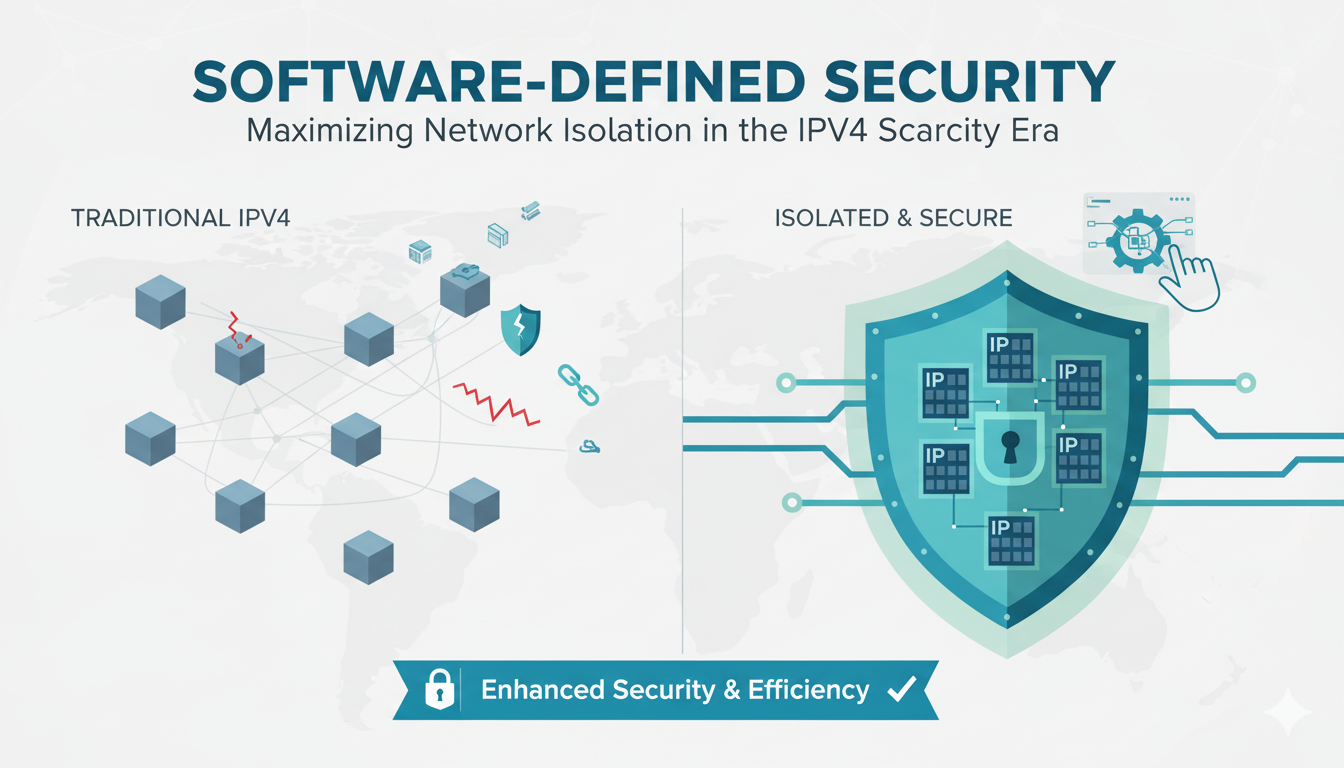
As CEO of InterLIR, I’ve witnessed firsthand how network isolation strategies

What is an ASN? ASN stands for Autonomous System Number. It is a unique identifier

Anycast DNS: A Leader’s Guide to Protecting Your Digital Infrastructure Executive

RPKI Certification: A Leader’s Guide to Internet Routing Security Executive

Executive Summary: What You Need to Know 🎯 Strategic Importance – Internet

When AWS DynamoDB failed in October 2025, thousands of businesses discovered that

Executive Summary: What You Need to Know 🎯 IP reputation directly impacts your
Live chat is provided by Intercom and is loaded only after you enable it. You can also contact us without enabling the chat.