BYOIP can provide control over IP ownership and network identity, but it is not suitable for every organization. Provider requirements, routing limitations, compliance obligations, and operational complexity can make this approach difficult to maintain. Companies should evaluate these factors before choosing a model for managing IP resources in cloud or hosting environments.
BYOIP limitations are technical restrictions that define when using your own IP addresses is unsuitable. They include provider requirements, routing constraints, compliance issues, and management complexity that can affect deployment decisions, infrastructure stability, security processes, and long-term network operations.
BYOIP allows organizations to announce their own IP prefixes through cloud or hosting providers. However, this model requires technical preparation, provider approval, and continuous management. Some companies may face conditions where BYOIP creates more complexity than value.
Common situations when organizations should avoid BYOIP include:
In these cases, provider-managed addressing may reduce operational risks and simplify infrastructure management.
BYOIP depends on coordination between IP owners and infrastructure providers. Cloud platforms usually define strict requirements for address verification, route announcements, and resource usage.
Important limitations include:
BYOIP does not remove network management duties. Organizations remain responsible for routing, reputation monitoring, and incident response.
BYOIP introduces additional responsibilities that can affect network operations. Companies need specialists who can manage routing, security controls, and infrastructure changes.
Key operational risks include:
Cloud providers define rules for accepting customer-owned IP ranges. These rules can affect deployment speed, available regions, and infrastructure options.
Before choosing BYOIP, organizations should review:
If these conditions create excessive complexity, companies may need a provider IP alternative.
Not every organization needs customer-owned IP resources. Provider-managed addressing can simplify deployment and reduce administrative tasks.
Possible fallback options include:
Companies that need additional IPv4 resources can review Rent IPv4 Addresses as an alternative infrastructure approach.
The decision depends on technical requirements, business goals, and available resources. Organizations should evaluate whether they can support the additional responsibilities created by BYOIP.
A practical assessment should include:
Why do some companies avoid BYOIP?
Companies may avoid BYOIP because of provider restrictions, operational complexity, compliance requirements, or limited network management resources.
Does BYOIP remove IP management responsibilities?
No. Organizations still manage routing, reputation monitoring, security processes, and incident response.
What happens after BYOIP eligibility failures?
A provider may reject the IP range, delay deployment, or request additional documentation.
Is IPv4 leasing an alternative to BYOIP?
Yes. IPv4 leasing provides access to address resources without requiring full ownership and routing management.
Organizations evaluating IP infrastructure options should compare BYOIP requirements, provider restrictions, and operational responsibilities before deployment. To explore IPv4 leasing, acquisition, or address management solutions, contact InterLIR and receive infrastructure support for your network requirements.

Vladislava Shadrina
Customer Account Manager

A Beginner’s Guide to Subnetting IPv4 and IPv6 Addresses Subnetting is a critical

Why IPv4 Leasing Is Becoming the Smart Choice for Businesses in 2025 1. Introduction
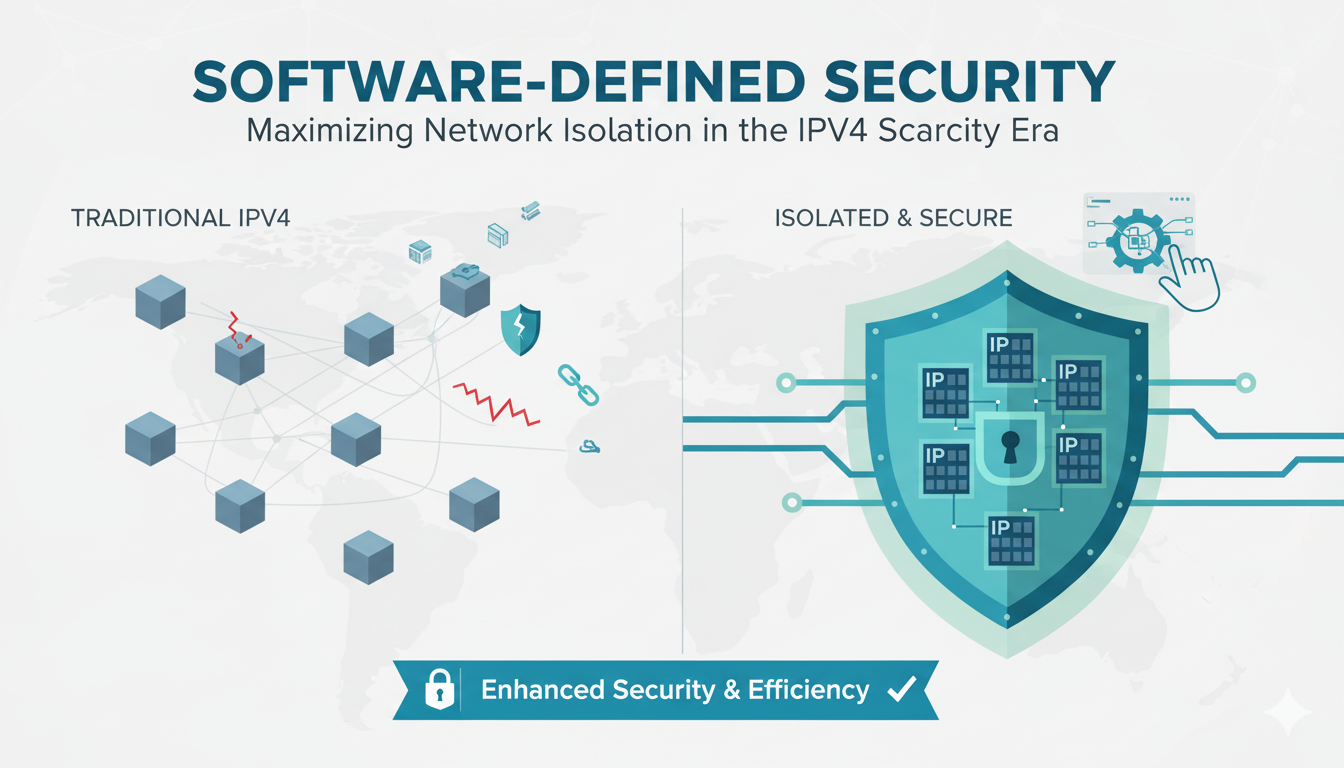
As CEO of InterLIR, I’ve witnessed firsthand how network isolation strategies

What is an ASN? ASN stands for Autonomous System Number. It is a unique identifier

Anycast DNS: A Leader’s Guide to Protecting Your Digital Infrastructure Executive

RPKI Certification: A Leader’s Guide to Internet Routing Security Executive

Executive Summary: What You Need to Know 🎯 Strategic Importance – Internet

When AWS DynamoDB failed in October 2025, thousands of businesses discovered that

Executive Summary: What You Need to Know 🎯 IP reputation directly impacts your
Live chat is provided by Intercom and is loaded only after you enable it. You can also contact us without enabling the chat.