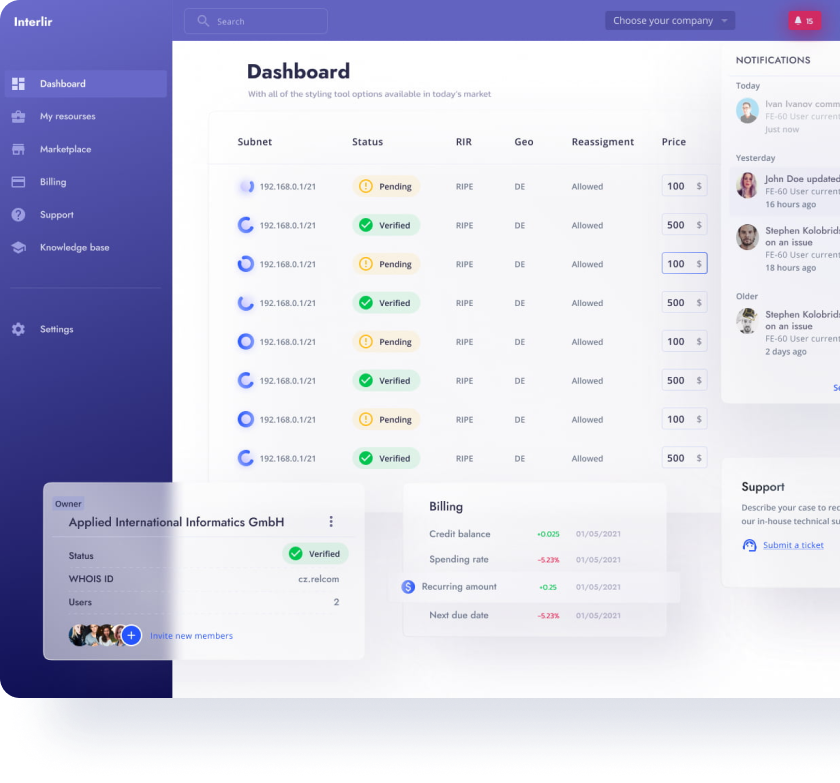
IPv4 resources are managed through structured allocation systems that define how address space is assigned between organizations and users. Reassignment allows existing IP resources to be provided to another customer while maintaining the original allocation structure. Understanding this process helps organizations manage address usage, registry records, and operational responsibilities correctly.
What is IPv4 reassignment is the process of assigning IPv4 addresses from an existing resource holder to another customer or downstream user according to regional internet registry policies. It updates usage records while keeping the original ownership and allocation relationship unchanged.
An IPv4 reassignment occurs when an organization controlling an IP address block assigns part of that resource to another entity for operational use. The original holder keeps responsibility for the address space, while the customer uses the assigned addresses for network services.
Reassignment is commonly used when:
The process changes address usage information but does not transfer ownership of the IP block.
The process depends on the organization structure and applicable RIR policy. Regional internet registries define requirements for maintaining accurate records about address usage.
A typical workflow includes:
Organizations that need additional IPv4 capacity can review Rent IPv4 Addresses options when planning network expansion.
The difference between reassignment and reallocation is important in IP resource management.
Reallocation usually changes responsibility for address space between organizations according to RIR procedures. Reassignment gives another user permission to operate addresses while the original organization remains responsible for the resource.
Main differences include:
This distinction helps organizations maintain correct address management practices.
Accurate records provide visibility into how IP addresses are used. The exact information depends on registry policies and the type of assignment.
Typical data includes:
Updated records help support troubleshooting, security reviews, and future resource management.
A WHOIS update reflects changes related to IPv4 usage information. After reassignment, responsible organizations may need to update database records according to applicable RIR requirements.
Accurate updates maintain:
Outdated information can create problems during technical investigations or future IP management activities.
The requirements depend on the applicable RIR policy and the role of the organization managing the address block. Resource holders usually need to document how addresses are assigned and used.
Common requirements include:
Proper documentation improves transparency and reduces administrative risks.
Suballocation and delegation describe different ways organizations distribute responsibility or usage of IP resources. They are connected with reassignment but represent separate management levels.
A typical structure may include:
Clear separation between these levels helps prevent confusion about resource control.
What is IPv4 reassignment used for?
IPv4 reassignment allows organizations to provide address space to customers or users while keeping control of the original allocation.
Does reassignment transfer IP ownership?
No. It only changes who uses specific addresses. Ownership remains with the original resource holder.
Why are WHOIS records important after reassignment?
They provide updated information about address usage, contacts, and responsible organizations.
What is the difference between assignment and reallocation?
Assignment provides usage rights to a customer, while reallocation changes responsibility for resource management between organizations.
Organizations working with IPv4 resources should maintain accurate records, follow RIR policies, and document customer assignments. To explore IPv4 leasing, resource management, or address planning options, contact InterLIR and receive support with your IP resource requirements.

Nikita Sinitsyn
Customer Service Specialist

A Beginner’s Guide to Subnetting IPv4 and IPv6 Addresses Subnetting is a critical

Why IPv4 Leasing Is Becoming the Smart Choice for Businesses in 2025 1. Introduction
As CEO of InterLIR, I’ve witnessed firsthand how network isolation strategies

What is an ASN? ASN stands for Autonomous System Number. It is a unique identifier

Anycast DNS: A Leader’s Guide to Protecting Your Digital Infrastructure Executive

RPKI Certification: A Leader’s Guide to Internet Routing Security Executive

Executive Summary: What You Need to Know 🎯 Strategic Importance – Internet

When AWS DynamoDB failed in October 2025, thousands of businesses discovered that

Executive Summary: What You Need to Know 🎯 IP reputation directly impacts your
Live chat is provided by Intercom and is loaded only after you enable it. You can also contact us without enabling the chat.