IP address leasing requires clear authorization between the resource owner, service provider, and network operator. A Letter of Authorization confirms that a party has permission to use or announce specific IP resources. Understanding LOA requirements helps organizations complete IPv4 leasing processes correctly and avoid routing or verification issues.
IP lease LOA is a formal authorization document used during IPv4 leasing to confirm permission for a lessee or network operator to use specific IP addresses. It identifies authorized parties, routing details, and approval conditions required for BGP announcements and resource verification.
An LOA (Letter of Authorization) is a document that confirms a network party has permission to perform specific actions with IP resources. In IPv4 leasing, the LOA usually allows a lessee to use leased address space and authorize routing operations through a specified network provider.
The document connects several technical and administrative elements:
An LOA does not transfer IP ownership. It only provides permission for defined actions during the lease period.
Organizations looking for additional IPv4 capacity can review Rent IPv4 Addresses options when planning network expansion.
Network operators use LOAs to verify that routing requests are legitimate. Since IPv4 resources remain associated with their original holders, providers need documentation showing that another organization has permission to use the addresses.
An LOA helps confirm:
Without proper authorization, a provider may reject BGP announcements or request additional verification.
A valid IP lease LOA should contain enough information for network verification. Requirements may vary between providers, but most documents include similar details.
Typical LOA information includes:
The document should clearly define which network is allowed to originate the announced prefix.
BGP allows networks to announce IP prefixes across the internet. However, routing systems need confidence that announcements come from authorized sources.
During IPv4 leasing, an LOA supports:
The LOA works together with other security and registry processes, including route validation mechanisms and ownership records.
Verification ensures that the document is accurate and connected to a legitimate leasing relationship. Network providers may review multiple details before accepting routing requests.
Common verification checks include:
Incomplete or outdated information can delay network activation or require additional documentation.
The validity period depends on the lease agreement and operational requirements. Some LOAs apply only to a specific deployment period, while others remain active for the duration of the leasing contract.
Organizations should update LOA documents when:
Keeping authorization records current reduces administrative issues during network operations.
An LOA template can simplify document preparation, but it must contain accurate information for each leasing case. Generic documents without correct address ranges, organizations, or routing details may not pass verification.
A practical LOA preparation process includes:
A properly completed template improves communication between resource holders and network operators.
What is an LOA in IPv4 leasing?
An LOA is an authorization document that confirms permission to use specific IP addresses and support routing activities during a lease period.
Does an LOA transfer ownership of IP addresses?
No. An LOA only grants authorization for approved actions. Ownership remains with the original resource holder.
Why does BGP require LOA verification?
BGP announcements must come from authorized sources to reduce routing errors and prevent unauthorized use of address space.
Who signs an IP lease LOA?
The document is usually signed by an authorized representative of the organization controlling the IP resources.
Organizations using leased IPv4 resources should prepare accurate LOA documents, verify routing requirements, and maintain current authorization records. To explore IPv4 leasing, address management, or infrastructure support options, contact InterLIR and receive assistance with your network resource requirements.

Vladislava Shadrina
Customer Account Manager

A Beginner’s Guide to Subnetting IPv4 and IPv6 Addresses Subnetting is a critical

Why IPv4 Leasing Is Becoming the Smart Choice for Businesses in 2025 1. Introduction
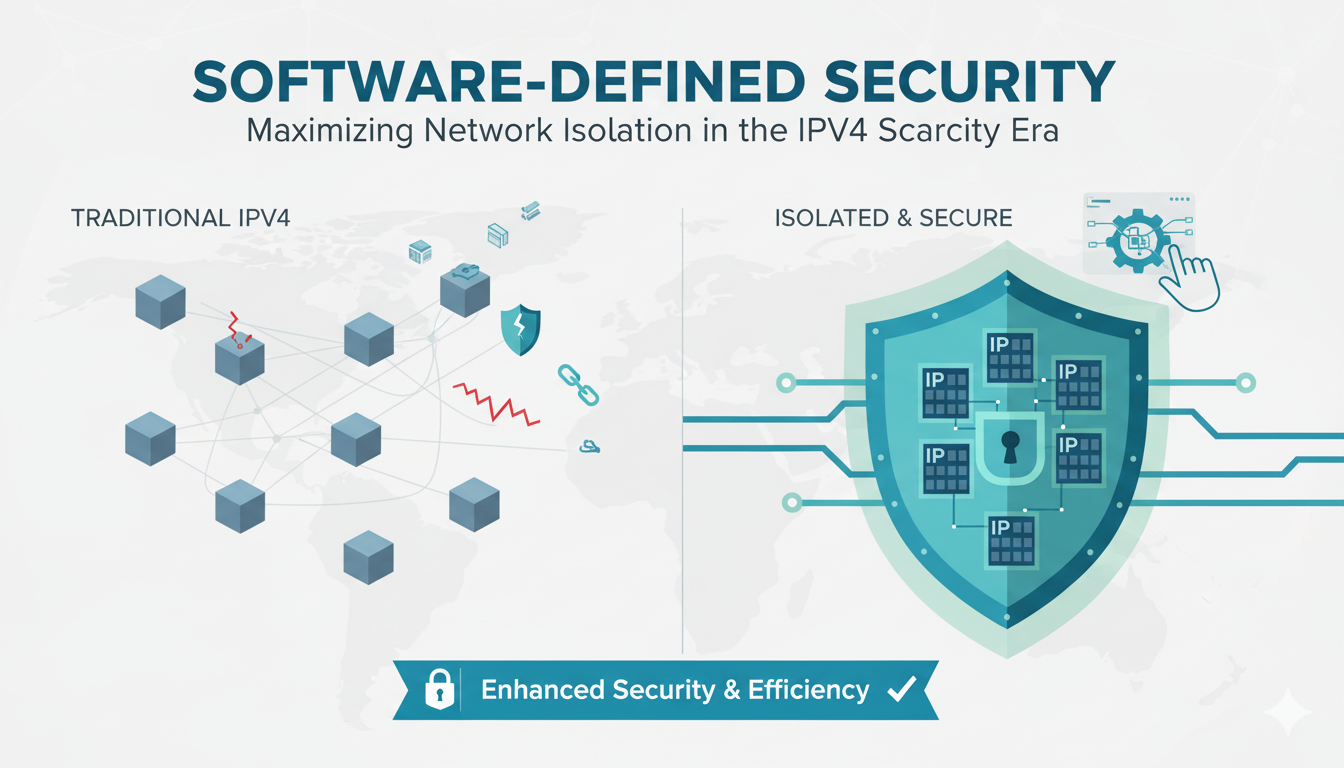
As CEO of InterLIR, I’ve witnessed firsthand how network isolation strategies

What is an ASN? ASN stands for Autonomous System Number. It is a unique identifier

Anycast DNS: A Leader’s Guide to Protecting Your Digital Infrastructure Executive

RPKI Certification: A Leader’s Guide to Internet Routing Security Executive

Executive Summary: What You Need to Know 🎯 Strategic Importance – Internet

When AWS DynamoDB failed in October 2025, thousands of businesses discovered that

Executive Summary: What You Need to Know 🎯 IP reputation directly impacts your
Live chat is provided by Intercom and is loaded only after you enable it. You can also contact us without enabling the chat.