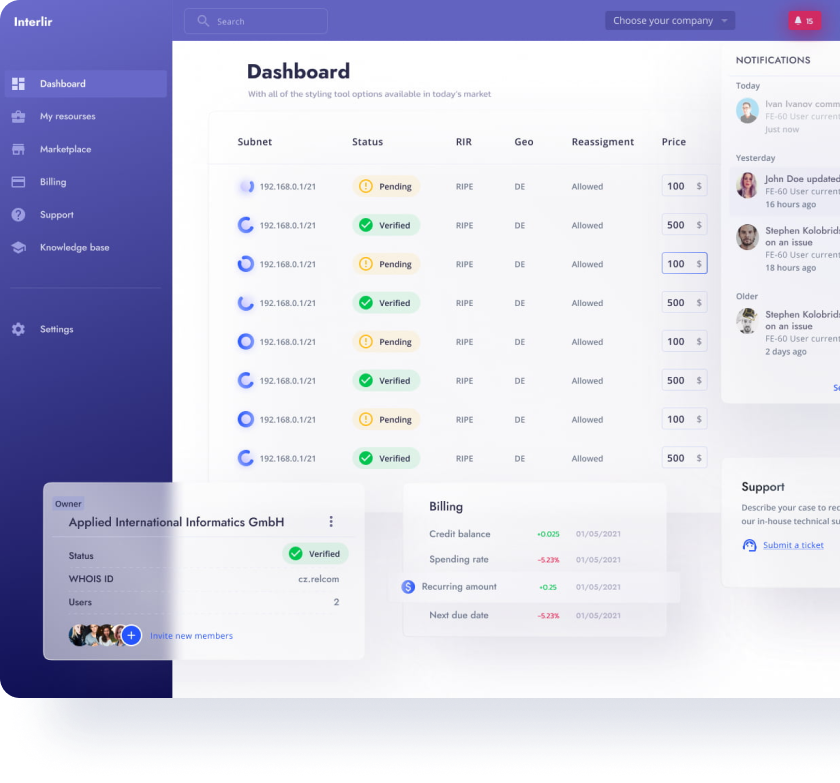
Production networks rely on multiple systems to manage IP resources, including DHCP servers, DNS services, and IP address management platforms. When these systems contain different information, administrators may lose visibility into address usage and encounter operational issues. Regular reconciliation helps maintain accurate records and improves network reliability.
Production DHCP DNS IPAM reconciliation is a process that compares and synchronizes address information across DHCP, DNS, and IPAM systems. It identifies data inconsistencies, removes outdated records, and improves inventory accuracy to maintain reliable IP resource management in production environments.
Large networks generate address data from multiple sources. DHCP assigns addresses to devices, DNS stores naming information, and IPAM tracks ownership and allocation details. Without synchronization, these systems can contain conflicting information.
Common problems include:
A structured reconciliation process helps organizations maintain data consistency and improve operational control.
Data mismatch cleanup begins with comparing records from different infrastructure systems. The goal is to identify differences and determine which source contains the most accurate information.
The main detection steps include:
Automated comparison tools can reduce manual work and help administrators detect issues faster.
A lease audit examines DHCP allocation data to confirm whether assigned addresses are still active and correctly recorded. This process helps identify unused resources and prevents inaccurate inventory information.
During an audit, administrators review:
Regular audits support better address utilization and reduce the risk of IP conflicts.
Inventory synchronization requires consistent processes between network management platforms. DHCP, DNS, and IPAM should exchange accurate information through reliable workflows and integrations.
Important synchronization practices include:
Organizations managing additional IPv4 resources can review Rent IPv4 Addresses options when expanding address capacity.
Inconsistent records usually appear because different systems are updated at different times or managed by separate teams. Manual changes and incomplete processes can increase the number of mismatches.
Common causes include:
Resolving these issues requires both technical tools and clear operational procedures.
A successful reconciliation process creates a reliable source of information about IP resources. It allows administrators to understand which addresses are allocated, available, reserved, or no longer used.
A practical workflow includes:
Maintaining consistency between systems improves troubleshooting, security monitoring, and capacity planning.
Why is DHCP DNS IPAM reconciliation important?
It helps organizations maintain accurate address records and reduce operational issues caused by inconsistent network data.
What is the most common IPAM data problem?
Common problems include stale records, duplicate IP assignments, and missing synchronization between management systems.
How often should companies perform lease audits?
The frequency depends on network size and change rates, but regular reviews help maintain accurate inventory information.
Can reconciliation be automated?
Yes. Integration tools and automated workflows can compare records and identify mismatches with less manual effort.
Organizations should maintain accurate DHCP, DNS, and IPAM records through regular reconciliation, automation, and monitoring processes. To explore IPv4 management, resource acquisition, or infrastructure support options, contact InterLIR and receive assistance with your IP resource planning and network operations.

Nikita Sinitsyn
Customer Service Specialist

A Beginner’s Guide to Subnetting IPv4 and IPv6 Addresses Subnetting is a critical

Why IPv4 Leasing Is Becoming the Smart Choice for Businesses in 2025 1. Introduction
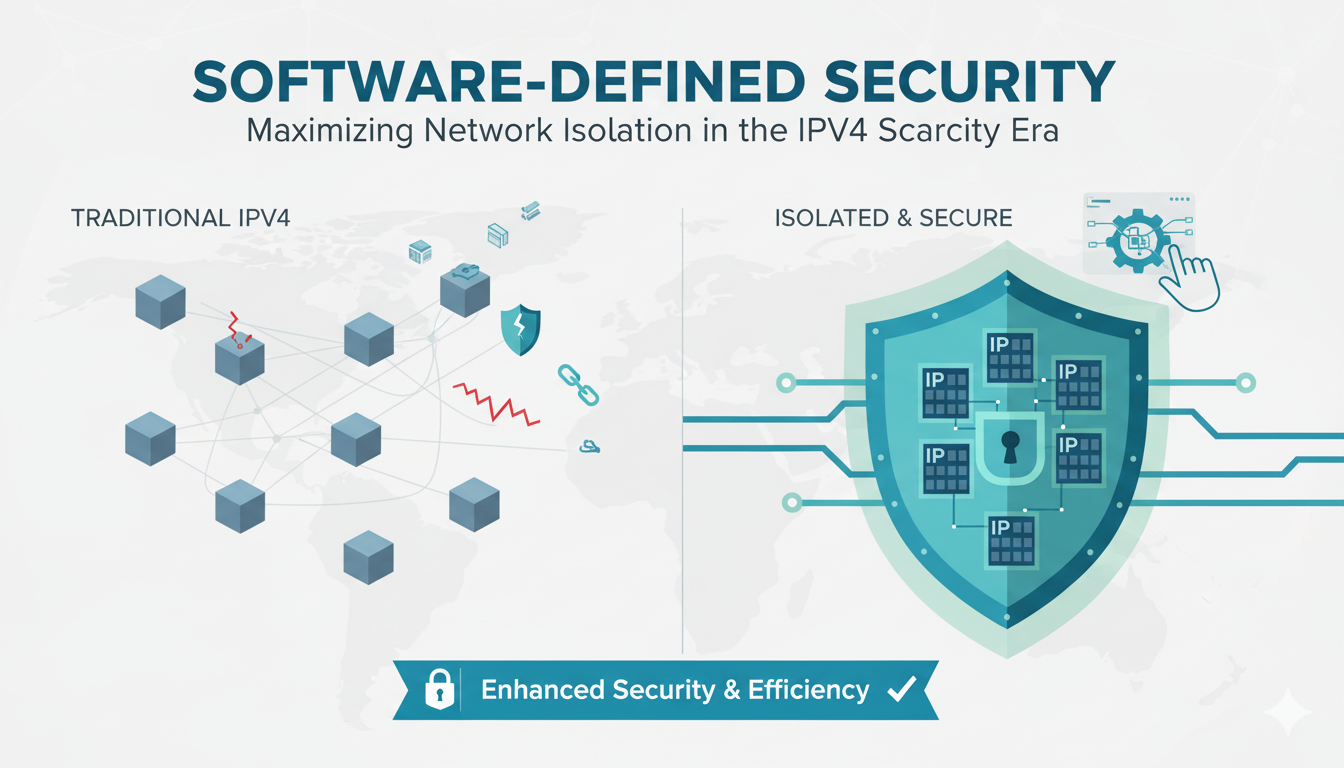
As CEO of InterLIR, I’ve witnessed firsthand how network isolation strategies

What is an ASN? ASN stands for Autonomous System Number. It is a unique identifier

Anycast DNS: A Leader’s Guide to Protecting Your Digital Infrastructure Executive

RPKI Certification: A Leader’s Guide to Internet Routing Security Executive

Executive Summary: What You Need to Know 🎯 Strategic Importance – Internet

When AWS DynamoDB failed in October 2025, thousands of businesses discovered that

Executive Summary: What You Need to Know 🎯 IP reputation directly impacts your
Live chat is provided by Intercom and is loaded only after you enable it. You can also contact us without enabling the chat.