Cross-border IPv4 transfers require coordination between regional internet registries, resource holders, and recipients. The timeline depends on registry procedures, document verification, approval steps, and communication between organizations. Understanding regional differences helps companies estimate processing time and prepare required information before starting an IPv4 transfer process.
Cross border IPv4 timeline is the expected duration of transferring IPv4 resources between organizations registered in different RIR regions. It includes documentation review, registry coordination, approval procedures, and waiting periods required to complete an inter RIR transfer.
The duration of an IPv4 transfer between RIR regions depends on several factors. Each registry follows its own policies, verification procedures, and communication processes. A transfer is not completed immediately after submission because both the source and recipient sides must complete required checks.
Typical processing stages include:
Organizations planning additional address capacity can review Rent IPv4 Addresses options while evaluating IPv4 resource requirements.
An inter RIR transfer involves multiple administrative systems. The timeline can change depending on document accuracy, registry workload, and the complexity of the transfer case.
The main factors affecting approval time include:
Missing information or incorrect records can create delays because registries may request clarification before continuing the review.
Different RIR regions use their own procedures for IPv4 transfers. The main principles are similar, but processing methods and communication steps may vary.
Organizations should consider differences between:
The actual duration depends on the specific case rather than only the registry region. Transfers involving additional checks may require a longer waiting period.
A cross-border IPv4 transfer usually follows a structured sequence. Understanding each stage helps organizations prepare documents and avoid unnecessary delays.
The typical workflow includes:
Each stage may require communication between multiple parties, which affects the overall duration.
Delays usually occur when information requires additional review or when organizations need to provide missing details. Cross-border transfers involve several administrative processes, so coordination quality directly affects completion time.
Common reasons for delays include:
Preparing documentation in advance helps reduce unnecessary waiting periods.
Companies should evaluate the complexity of the transfer before setting internal deadlines. A realistic timeline should include document preparation, registry review, communication time, and possible corrections.
A practical estimation approach includes:
The final duration depends on how quickly all participants complete required steps.
How long does an inter-RIR IPv4 transfer usually take?
The timeline varies by registry region, documentation quality, verification requirements, and communication speed between parties.
Do ARIN, RIPE, and APNIC have the same transfer process?
No. Each RIR has its own procedures, policies, and approval requirements for IPv4 transfers.
What causes the longest delays during IPv4 transfers?
The most common causes are incomplete documentation, verification issues, and delayed responses from involved organizations.
Can companies reduce IPv4 transfer waiting periods?
Yes. Preparing accurate documents and completing required checks before submission can help reduce unnecessary delays.
Organizations involved in IPv4 transfers should consider registry requirements, documentation accuracy, and regional coordination before starting the process. To explore IPv4 leasing, acquisition, or transfer support options, contact InterLIR and receive assistance with your IP resource management needs.

Evgeny Sevastyanov
Support Team Leader

A Beginner’s Guide to Subnetting IPv4 and IPv6 Addresses Subnetting is a critical

Why IPv4 Leasing Is Becoming the Smart Choice for Businesses in 2025 1. Introduction
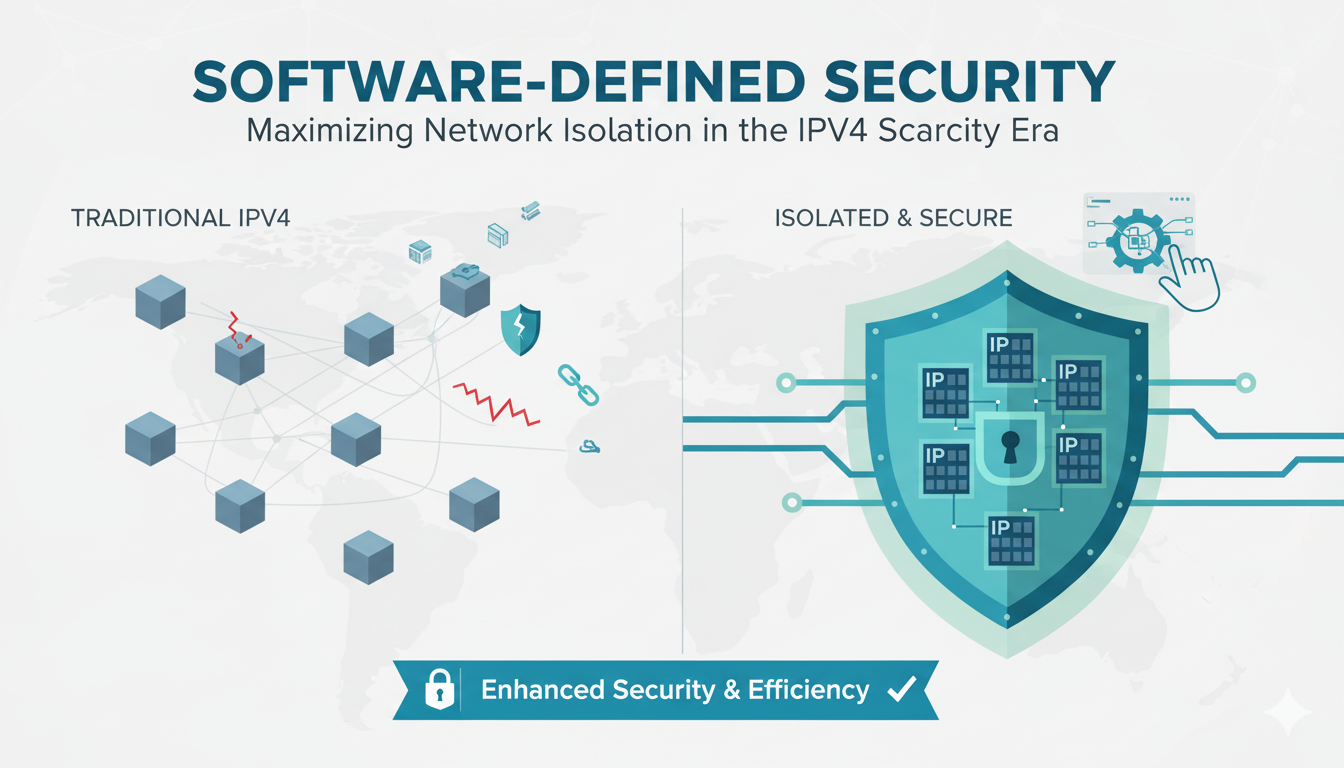
As CEO of InterLIR, I’ve witnessed firsthand how network isolation strategies

What is an ASN? ASN stands for Autonomous System Number. It is a unique identifier

Anycast DNS: A Leader’s Guide to Protecting Your Digital Infrastructure Executive

RPKI Certification: A Leader’s Guide to Internet Routing Security Executive

Executive Summary: What You Need to Know 🎯 Strategic Importance – Internet

When AWS DynamoDB failed in October 2025, thousands of businesses discovered that

Executive Summary: What You Need to Know 🎯 IP reputation directly impacts your
Live chat is provided by Intercom and is loaded only after you enable it. You can also contact us without enabling the chat.