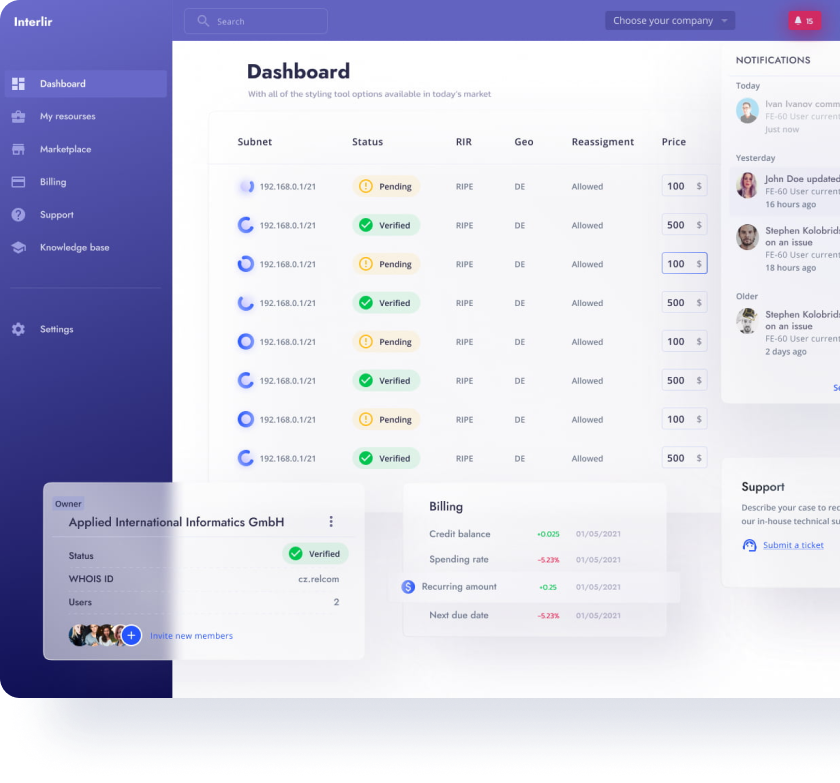
IPv4 shortages require organizations to manage address resources carefully and predict future requirements. A structured capacity planning approach helps teams understand current usage, estimate growth, and prevent unexpected address exhaustion. Templates provide a consistent method for tracking allocation, subnet utilization, and long-term network expansion.
IPv4 capacity planning template is a structured model used to track address resources, forecast future demand, and optimize allocation in an IPv4-constrained network. It combines inventory data, utilization metrics, growth estimates, and planning reports to support efficient address management.
A constrained network has limited address availability and requires careful resource management. Without planning, organizations may allocate subnets inefficiently, lose visibility into available space, or face unexpected exhaustion.
A capacity planning process helps teams monitor:
Organizations that require additional address resources can review Rent IPv4 Addresses options when expanding network capacity.
A practical template should provide a complete view of address usage and future requirements. The format can vary, but most organizations include similar data fields.
A useful model should contain:
A structured spreadsheet or database helps teams update information regularly and avoid manual tracking errors.
Utilization forecast analysis shows how quickly an organization consumes available address space. It allows network teams to identify future shortages before they affect deployment plans.
The forecasting process usually includes:
Accurate forecasting supports better decisions about subnet expansion, migration projects, and resource acquisition.
Efficient address allocation reduces wasted IPv4 space and improves visibility across the network. Poor allocation practices can create unused ranges while other segments approach exhaustion.
Common optimization methods include:
Space optimization helps organizations extend the useful life of existing IPv4 resources.
A planning report should provide measurable information for technical decisions. Regular reporting helps teams understand changes in resource availability and identify operational risks.
Important metrics include:
These measurements create a factual basis for future network planning.
Many organizations begin with a spreadsheet because it provides a simple way to organize address information. A well-designed spreadsheet can include inventory tables, allocation history, utilization calculations, and forecasting fields.
A basic planning workflow includes:
For larger environments, organizations may move from spreadsheets to specialized IP address management systems.
Why is an IPv4 capacity planning template important?
It helps organizations track address usage, forecast demand, and reduce the risk of unexpected IPv4 exhaustion.
What information should be included in an IPv4 planning model?
A model should include subnet details, allocation records, utilization data, growth estimates, and available capacity.
How often should companies update IPv4 capacity reports?
Updates depend on network growth, but regular reviews help maintain accurate inventory and forecasting data.
Can capacity planning reduce the need for new IPv4 resources?
Yes. Better allocation and optimization can improve existing resource usage, although growing networks may still require additional addresses.
Organizations operating under IPv4 limitations should combine accurate inventory management, forecasting methods, and allocation policies before expanding network resources. To explore IPv4 leasing, acquisition, or address management support, contact InterLIR and receive assistance with your network capacity planning requirements.

Vladislava Shadrina
Customer Account Manager

A Beginner’s Guide to Subnetting IPv4 and IPv6 Addresses Subnetting is a critical

Why IPv4 Leasing Is Becoming the Smart Choice for Businesses in 2025 1. Introduction
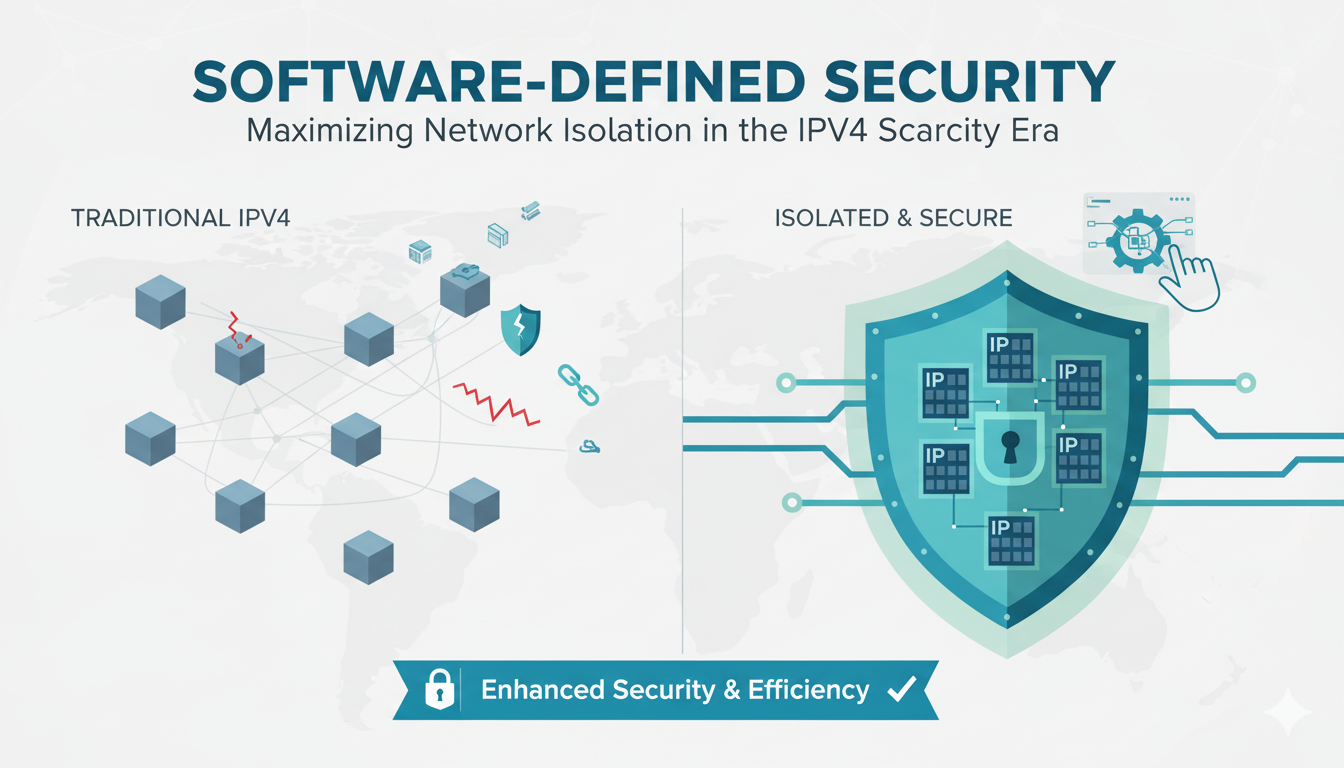
As CEO of InterLIR, I’ve witnessed firsthand how network isolation strategies

What is an ASN? ASN stands for Autonomous System Number. It is a unique identifier

Anycast DNS: A Leader’s Guide to Protecting Your Digital Infrastructure Executive

RPKI Certification: A Leader’s Guide to Internet Routing Security Executive

Executive Summary: What You Need to Know 🎯 Strategic Importance – Internet

When AWS DynamoDB failed in October 2025, thousands of businesses discovered that

Executive Summary: What You Need to Know 🎯 IP reputation directly impacts your
Live chat is provided by Intercom and is loaded only after you enable it. You can also contact us without enabling the chat.