Bogon routing is a reachability risk that appears when an IPv4 prefix is treated as invalid, unallocated, or reserved by filters. The result can be partial traffic loss even when local BGP and server configuration look correct.
A bogon route is a BGP route for address space that should not be visible on the public Internet. It can include reserved prefixes, special-use networks, or prefixes not yet assigned from RIR space. Operators use bogon filtering for network security and defense, but stale lists can also create reachability failures.
The direct answer to what is a bogon route is simple. It is a route that a network decides to drop because the prefix belongs to a bogon or fullbogon list. Traditional bogons include reserved and special-use networks. Fullbogons also include address space allocated to an RIR but not assigned to a user or ISP.
Bogon filtering blocks spoofed, impossible, or policy-invalid traffic. It helps reduce abuse, scanning, and DDoS noise. The risk appears when the filter is old. A newly assigned or transferred prefix can still sit in a stale prefixes list at one peer, carrier, firewall, or upstream.
Bogon filters are useful, but they must be updated. If a peer keeps an old full list, a valid announcement may look invalid. The route may be accepted by one upstream and rejected by another. This creates asymmetric access, packet loss, or regional outages.
Common signs include:
This is why unallocated ip reachability checks matter when a block was recently allocated, transferred, leased, or returned to production.
A suspected bogon issue needs evidence. Do not change routing only because one tool shows a warning. Compare registry, routing, and reputation data.
Use this workflow:
A clean result in one database does not prove global reachability. Several networks maintain their own filters. A route can be valid in the registry and still fail at a peer with an outdated list.
There is no single ip fix for every case. The correct action depends on the cause. If the prefix is truly reserved or unassigned, it should not be announced. If the prefix is valid, the team must prove it and request filter correction.
A practical clearing plan includes:
If the issue affects a leased block, confirm the authorization chain before opening tickets. When teams rent IPv4 addresses, they should verify LOA, ROA, and upstream acceptance before moving critical traffic. When teams Buy IPv4 Addresses, they should test reachability before full migration.
Bogon status can affect space routing at many layers. A route server, transit provider, firewall, DDoS platform, or security feed may reject the prefix. The local router may still show the route as announced, but remote networks may never install it.
The operational impact can include:
The phrase block blocks describes a common failure pattern. A security filter blocks entire address blocks because it classifies them as bogon, not because the customer server is down.
Prevention is a process. A team should not wait for customers to report access problems. Bogon checks should be part of IPv4 onboarding, acquisition, lease renewal, and routing change control.
Before production use, verify RIR records, RPKI, IRR, rDNS, geolocation, abuse contacts, and BGP visibility. Then test from several networks. Keep evidence ready for peers. This shortens the time between detection and correction.
Can a valid IPv4 block be filtered as bogon?
Yes. It can happen when a peer uses an outdated filter or a stale bogon list.
Does BGP acceptance by one upstream prove full reachability?
No. Another peer or region can still drop the same prefix.
Are bogon filters bad for networks?
No. They are useful for security. The problem is poor maintenance or wrong source data.
How long does clearing status take?
It depends on the peer, list provider, and evidence quality. Some fixes are fast, while others require several ticket cycles.
If your team needs to validate leased or purchased IPv4 space, review bogon exposure, check routing documents, or resolve reachability questions before migration, contact InterLIR. The company provides infrastructure for IPv4 leasing, buying, lease-out, and marketplace workflows, so address space can be checked against routing, registry, and operational requirements.

Evgeny Sevastyanov
Support Team Leader

A Beginner’s Guide to Subnetting IPv4 and IPv6 Addresses Subnetting is a critical

Why IPv4 Leasing Is Becoming the Smart Choice for Businesses in 2025 1. Introduction
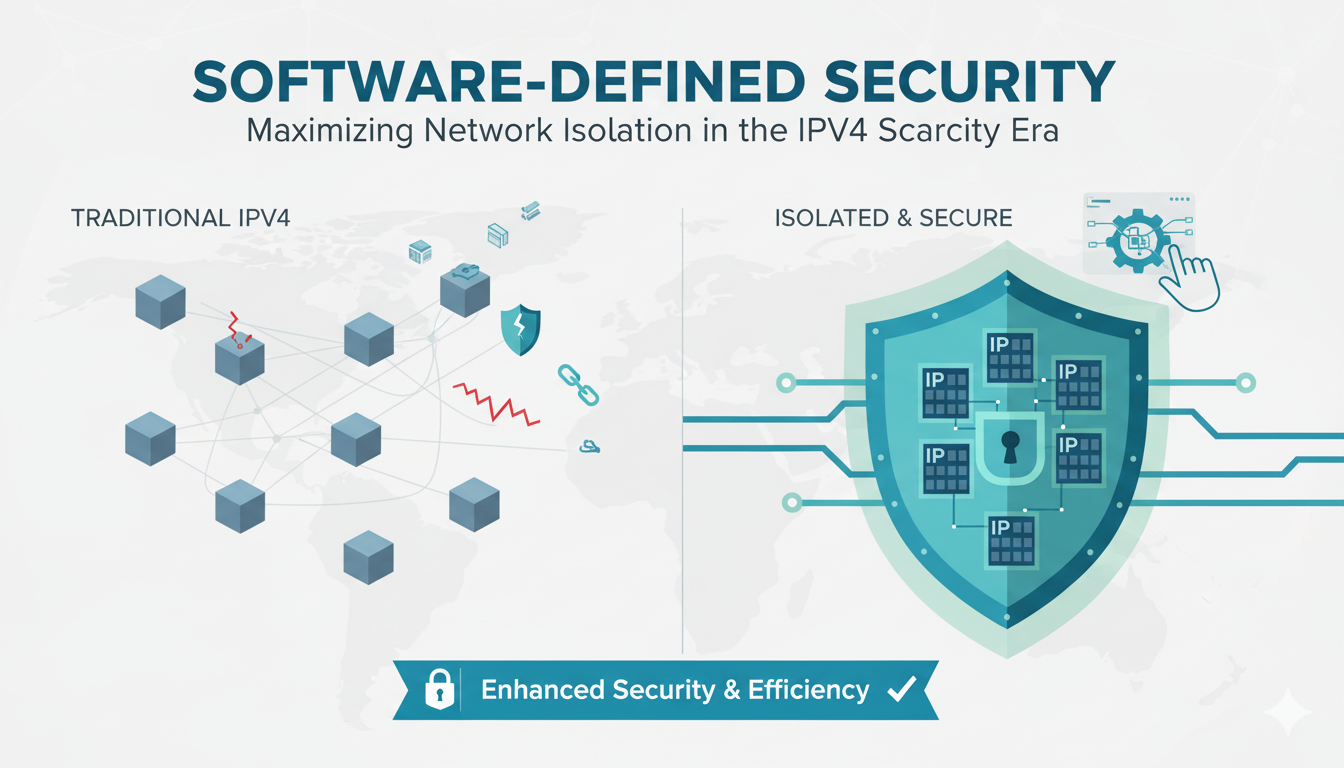
As CEO of InterLIR, I’ve witnessed firsthand how network isolation strategies

What is an ASN? ASN stands for Autonomous System Number. It is a unique identifier

Anycast DNS: A Leader’s Guide to Protecting Your Digital Infrastructure Executive

RPKI Certification: A Leader’s Guide to Internet Routing Security Executive

Executive Summary: What You Need to Know 🎯 Strategic Importance – Internet

When AWS DynamoDB failed in October 2025, thousands of businesses discovered that

Executive Summary: What You Need to Know 🎯 IP reputation directly impacts your
Live chat is provided by Intercom and is loaded only after you enable it. You can also contact us without enabling the chat.