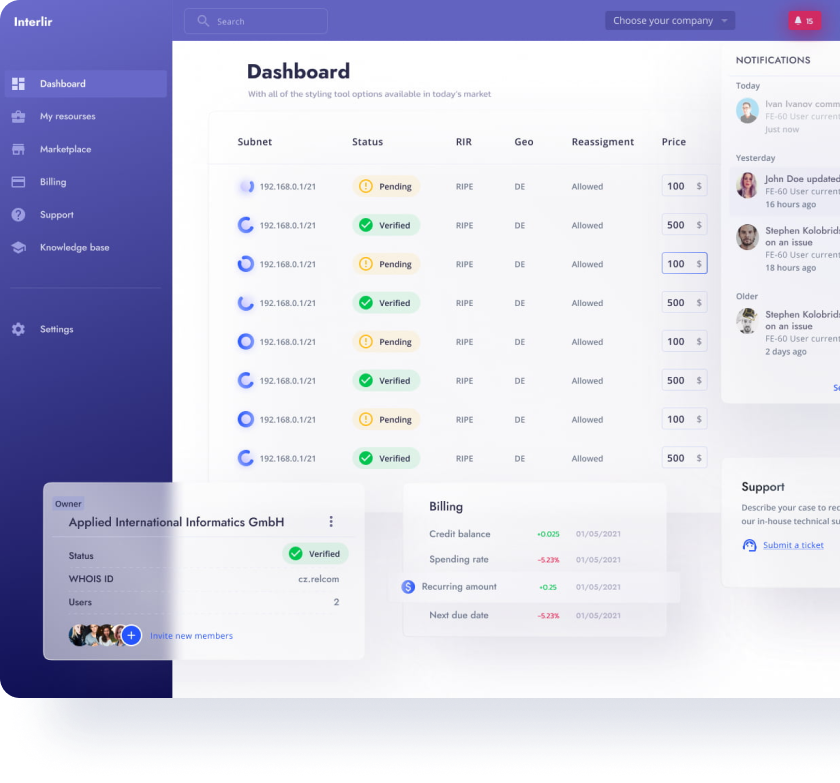
IPv4 lease renewal should be planned before the last billing cycle. A company must verify routing, reputation, contract dates, abuse history, and technical delegation before it keeps the same block for another term.
An IPv4 lease renewal is the process of confirming continued rights to use a leased network prefix or subnet before expiration. It helps a company keep public IPv4 capacity stable, avoid route withdrawal, protect DNS and allowlists, and prevent service disruption during contract rollover.
To understand how to renew ipv4 lease capacity, start with time. Renewal should not begin on the final day of the contract. BGP filters, ROA updates, LOA validity, rDNS delegation, billing approval, and security checks can take time.
A safe renewal window is usually 30–60 days before expiration for production workloads. This gives the network team enough time to confirm that the leased prefix still matches business needs. It also gives the legal and finance teams time to approve new terms.
Before you extend the block, check:
An ip block extension checklist should cover technical, legal, and commercial checks. A lease can look stable from the outside, but hidden issues may appear during renewal.
Include these items:
If the lease still fits the workload, the team can renew ip address contract terms with lower migration risk. If the block no longer fits, renewal is the right moment to resize, change region, or evaluate ownership.
The contract should define what happens before, during, and after expiration. Unclear wording can create conflict if payment is late, abuse reports increase, or the lessor needs the block back.
Review these points with care:
A clear agreement also protects both sides during rollover. The provider should confirm when the old term ends, when the new term begins, and whether any routing documents must be reissued.
A company should extend the current block when stability matters more than change. This is common for SaaS platforms, VPN gateways, hosting nodes, mail infrastructure, security services, and telecom workloads.
Extension makes sense when:
Replacement may be better when the block has recurring abuse issues, poor geolocation, weak documentation, or the wrong size. If the need becomes permanent, compare renewal with Buy IPv4 Addresses. Buying may reduce repeated contract work and give direct RIR control after transfer.
RIR records do not always change during a lease, but they still matter. The holder, abuse contact, route authorization, and policy region can affect trust and routing. Incorrect or outdated data can cause filtering, ticket delays, or compliance questions.
The renewal process should confirm that registry data, LOA, ROA, IRR, and rDNS all tell the same story. If one record points to an old ASN or expired authorization, the network may pass basic tests but fail during an audit or route policy update.
When should renewal start?
Start 30–60 days before expiration for production services. Shorter windows can work only for non-critical use.
Can a leased IPv4 block be extended automatically?
Yes, if the contract allows automatic rollover. The team should still verify price, routing documents, and abuse status.
What is the biggest renewal risk?
The biggest risk is assuming that routing and legal rights continue without confirmation. LOA, ROA, payment, and termination rules must be checked.
Should we renew or buy IPv4 space?
Renew if the need is flexible or temporary. Consider buying when the block supports long-term infrastructure and ownership is more efficient.
If your team needs to review renewal timing, routing authorization, reputation status, or a possible path from lease extension to purchase, contact InterLIR. The company provides infrastructure for IPv4 leasing, buying, lease-out, and marketplace workflows, so businesses can keep address capacity aligned with network and contract requirements.

Evgeny Sevastyanov
Support Team Leader

A Beginner’s Guide to Subnetting IPv4 and IPv6 Addresses Subnetting is a critical

Why IPv4 Leasing Is Becoming the Smart Choice for Businesses in 2025 1. Introduction
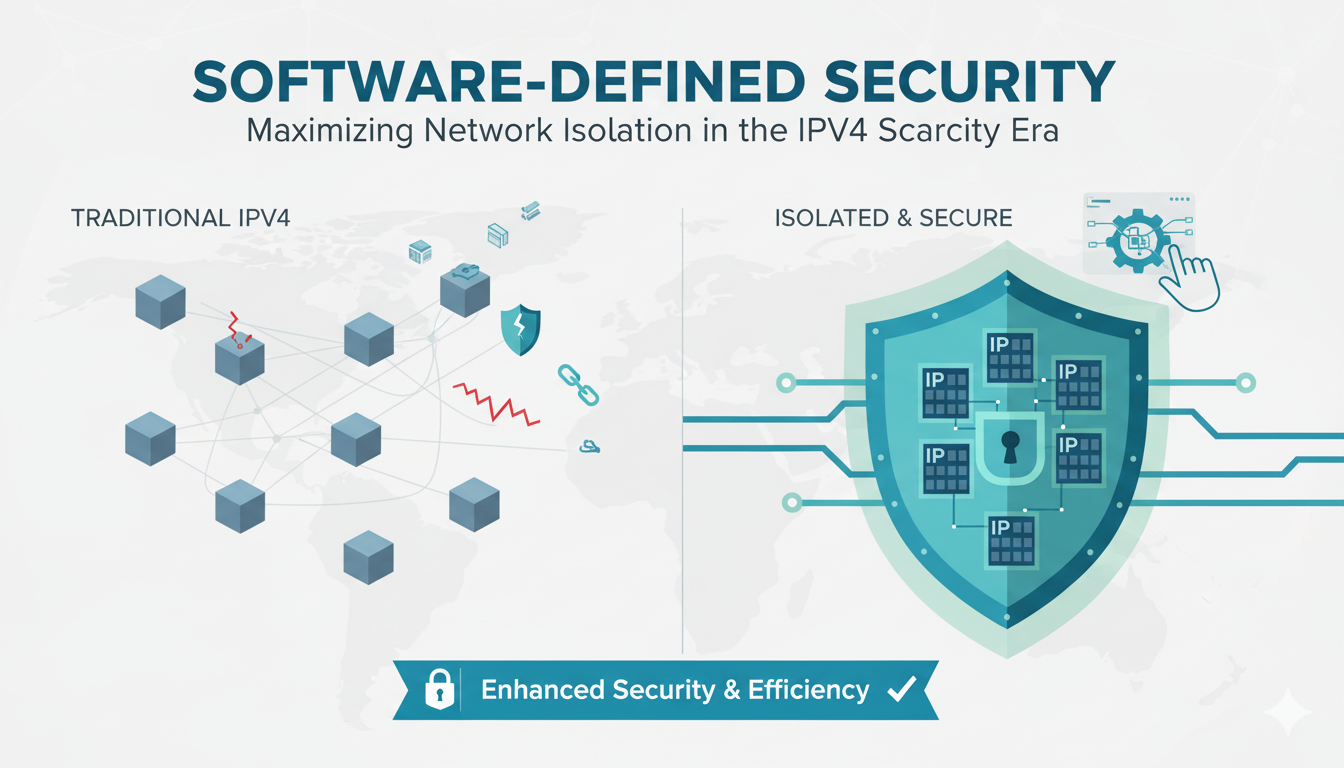
As CEO of InterLIR, I’ve witnessed firsthand how network isolation strategies

What is an ASN? ASN stands for Autonomous System Number. It is a unique identifier

Anycast DNS: A Leader’s Guide to Protecting Your Digital Infrastructure Executive

RPKI Certification: A Leader’s Guide to Internet Routing Security Executive

Executive Summary: What You Need to Know 🎯 Strategic Importance – Internet

When AWS DynamoDB failed in October 2025, thousands of businesses discovered that

Executive Summary: What You Need to Know 🎯 IP reputation directly impacts your
Live chat is provided by Intercom and is loaded only after you enable it. You can also contact us without enabling the chat.