The size-based pricing structure that emerged in Q2 2025 reflects fundamental market dynamics I’ve observed through thousands of client interactions. Smaller blocks command premium pricing due to their flexibility and ease of deployment, while larger blocks offer bulk discounts that appeal to major infrastructure providers.
The most dramatic shift occurred in the /16 category, where prices fell significantly from their previous levels. Mid-sized blocks (/20-/22) showed more resilience, declining more gradually over the period.
What’s particularly noteworthy from our client interactions is that this pricing structure has created distinct market segments. Enterprise clients seeking smaller allocations for specific projects find /24 blocks attractive despite the premium, while cloud providers and large hosting companies have capitalized on the /16 discounts to secure substantial address space at historically low rates.
The supply surge in May-June 2025 was unprecedented in my experience at InterLIR. The market was flooded with large blocks as corporate restructuring and strategic decisions converged to create a perfect storm of available inventory.
The StackPath liquidation, which continued into 2025, exemplified how corporate failures can suddenly release massive address blocks. This single source contributed significantly to the supply increase, and I’ve seen similar patterns with other companies undergoing mergers or cost-cutting initiatives.

From our platform’s perspective, data center consolidation in both the US and Europe drove significant selling activity. Companies that had accumulated IPv4 resources during expansion phases found themselves with redundant allocations post-merger. Some sellers attempted to maximize returns by subdividing large blocks, but this strategy ultimately contributed to downward pressure across all size categories.
The psychological shift among sellers was equally important. The “sell now before prices drop further” mentality created a self-reinforcing cycle that sustained high supply levels throughout the period.
Regional demand patterns in Q2 2025 revealed the global nature of IPv4 as a commodity, while highlighting distinct market characteristics across RIR regions.
ARIN region activity remained robust, with substantial address transfers by May 2025. However, BEAD program delays created temporary demand softening among smaller ISPs, while larger cloud providers aggressively acquired blocks at the reduced prices. The needs-based transfer requirements remained stable, providing market structure without constraining legitimate transactions.
RIPE region pricing closely mirrored global averages, with smaller blocks trading at premium rates. European telecom cost-cutting and data center consolidation contributed additional supply, while the mature transfer market facilitated efficient price discovery.
APNIC demand remained the most resilient, with buyers often paying slight premiums for blocks transferable to the Asia-Pacific region. The combination of growing networks and exhausted free pools maintained steady purchasing pressure, though needs-based policies prevented purely speculative buying.
LACNIC’s limited participation continued, with minimal impact on global pricing due to restricted inter-regional transfer policies. AFRINIC remained effectively isolated from global markets due to ongoing governance challenges and transfer restrictions.
The May-June period provided clear signals about market maturation and the end of the speculative phase. From my daily interactions with clients across different sectors, several key insights emerged:
Buyer behavior shifted from urgency-driven to strategic. Clients became more price-sensitive and selective, knowing that panic pricing was no longer justified. This created a more rational market environment where transactions were based on actual need rather than fear of future scarcity.
The acceptance of IPv4 addresses as loan collateral, despite price declines, indicated institutional confidence in long-term value retention. This financial backing provided market stability and reassured participants that IPv4 resources weren’t becoming worthless overnight.
Corporate network optimization became a major theme, with companies viewing IPv4 sales as a way to monetize idle assets while maintaining operational efficiency. This trend suggests continued supply availability as organizations rationalize their address holdings.
Based on current market dynamics and client feedback, I expect the coming months to bring price stabilization around current levels, assuming supply absorption continues at present rates. The correction appears to be finding its natural floor, with demand fundamentals remaining solid despite the psychological adjustment.
Three key recommendations for market participants:
At InterLIR, we’re positioned to help clients navigate this evolved market environment. Our automated processes and geographic diversity provide access to quality IPv4 resources at current market rates, while our customer support ensures smooth transactions in this more mature marketplace.
The IPv4 market has entered a new phase – one characterized by rational pricing, steady demand, and professional market-making rather than speculative fervor. This environment benefits serious network operators who need reliable access to IPv4 resources for legitimate business purposes.

Evgeny Sevastyanov
Support Team Leader

A Beginner’s Guide to Subnetting IPv4 and IPv6 Addresses Subnetting is a critical

Why IPv4 Leasing Is Becoming the Smart Choice for Businesses in 2025 1. Introduction
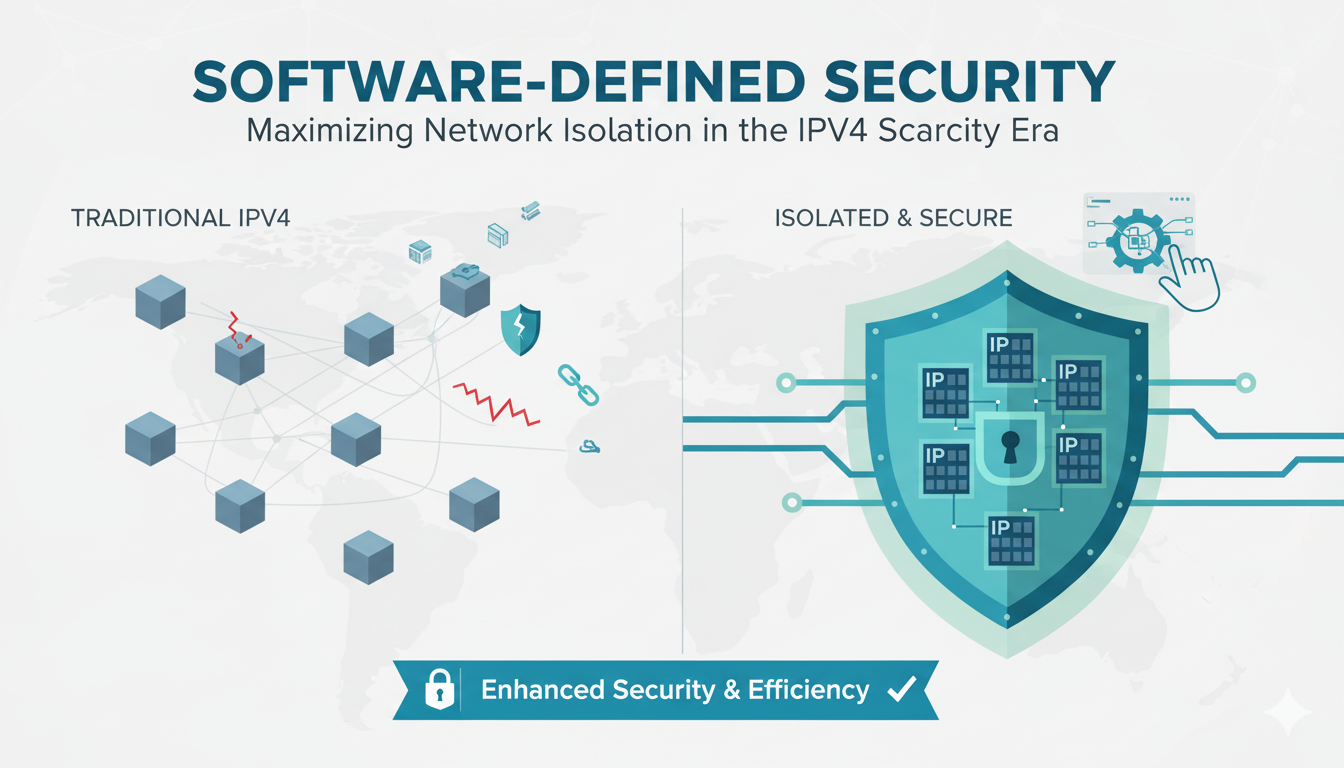
As CEO of InterLIR, I’ve witnessed firsthand how network isolation strategies

What is an ASN? ASN stands for Autonomous System Number. It is a unique identifier

Anycast DNS: A Leader’s Guide to Protecting Your Digital Infrastructure Executive

RPKI Certification: A Leader’s Guide to Internet Routing Security Executive

Executive Summary: What You Need to Know 🎯 Strategic Importance – Internet

When AWS DynamoDB failed in October 2025, thousands of businesses discovered that

Executive Summary: What You Need to Know 🎯 IP reputation directly impacts your
Live chat is provided by Intercom and is loaded only after you enable it. You can also contact us without enabling the chat.