Having spent years working with network infrastructure and IP address management at InterLIR, I’ve witnessed firsthand how the fundamental architecture of internet connectivity directly impacts VPN security and privacy capabilities. The recent comprehensive analysis of VPN security standards in 2025 highlights critical developments that every business leader should understand, particularly as organizations increasingly rely on VPN solutions for remote work and data protection.
My experience in the IPv4 marketplace has given me unique insight into how network infrastructure decisions affect security implementations. When VPN providers claim military-grade encryption and zero-logs policies, the underlying network architecture—including IP address management, server infrastructure, and routing protocols—determines whether these promises can actually be delivered. The evolution we’re seeing in 2025 represents a maturation of the industry, where technical implementation finally matches marketing claims.

What strikes me most about the current VPN landscape is how jurisdictional considerations and technical architecture have become inseparable factors in determining actual security outcomes. This convergence of legal frameworks and network infrastructure represents the most significant shift I’ve observed in privacy technology since founding InterLIR in 2020.
The transformation of VPN technology from corporate networking tools to consumer privacy solutions mirrors many of the infrastructure challenges I’ve encountered in the IPv4 marketplace. Early VPN implementations were designed for controlled corporate environments with predictable traffic patterns and centralized management. The shift to consumer-focused services required fundamental architectural changes that many providers initially underestimated.
The introduction of RAM-only servers represents a particularly significant advancement that addresses fundamental security concerns I’ve seen in network infrastructure management. Traditional server architectures create persistent data trails that can be exploited even after service termination.

The protocol evolution from PPTP and L2TP to WireGuard and proprietary solutions like NordLynx reflects broader trends in network optimization that I encounter regularly in IP address management. Modern protocols must balance security requirements with performance demands, particularly as IPv4 address scarcity forces more efficient resource utilization. The lean codebase approach of WireGuard, for example, reduces attack surfaces while improving performance—principles that apply across network infrastructure design.
The comprehensive evaluation framework outlined in the recent analysis aligns closely with the technical assessment criteria I use when evaluating network infrastructure providers. Jurisdictional considerations, which the analysis correctly identifies as fundamental, directly impact how VPN providers can implement and maintain security features.
My experience with RIPE database administration has shown me how legal frameworks in different jurisdictions affect data retention and sharing requirements. When I work with clients seeking IPv4 addresses from specific geographic regions, the regulatory environment often determines not just pricing, but operational capabilities. VPN providers face similar constraints—a provider operating under Five Eyes jurisdiction faces fundamentally different operational requirements than one based in Switzerland or Panama.
The transition to advanced security architectures requires significant technical expertise and operational changes. During my work expanding InterLIR into Asia-Pacific markets, I encountered similar challenges in implementing security measures across diverse regulatory environments. A VPN provider attempting to maintain consistent security standards across global server networks faces exponentially more complex requirements.
Server hardening and key management, which the analysis identifies as critical components, require ongoing operational excellence that many organizations underestimate. The technical complexity increases dramatically when providers attempt to implement features like multi-hop routing or Tor integration.

The development of proprietary VPN protocols represents both opportunity and risk in the current market. While providers like NordVPN and ExpressVPN have invested heavily in custom protocol development, the implementation quality varies significantly. My technical background in network infrastructure has shown me that protocol innovation without proper testing and review can introduce vulnerabilities that negate security benefits.
WireGuard adoption, which the analysis correctly identifies as a significant advancement, requires careful implementation to realize its security and performance benefits. WireGuard’s lean design offers substantial advantages, but proper configuration requires deep understanding of network routing and encryption key management. Organizations that implement WireGuard without adequate technical expertise often fail to achieve the promised security improvements.
Obfuscation techniques for VPN restriction circumvention present particularly complex technical challenges. These implementations must balance effectiveness against performance impact while maintaining security integrity.
The analysis of top-tier VPN providers reveals important patterns in how technical excellence translates to market leadership. My experience in building InterLIR’s position in the IPv4 marketplace has shown me that sustainable competitive advantage comes from consistent investment in infrastructure and transparent operational practices.
NordVPN’s response to their 2018 security incident demonstrates the kind of mature incident response that builds long-term trust. When we faced operational challenges during InterLIR’s expansion, I learned that transparent communication and comprehensive remediation efforts are more valuable than attempting to minimize or hide problems. The VPN industry’s evolution toward greater transparency reflects similar lessons learned across the broader technology sector.
Organizations selecting VPN providers should apply the same rigorous evaluation criteria they use for other critical infrastructure decisions. The framework presented in the analysis—prioritizing jurisdictional protection, verified security practices, and comprehensive technical implementation—aligns with best practices I recommend for any network infrastructure investment.
The importance of independent security audits cannot be overstated. Just as InterLIR maintains rigorous documentation and verification processes for IP address transactions, VPN providers must demonstrate their security claims through third-party validation. Organizations should require recent, comprehensive audit reports and understand the scope and limitations of these assessments.
The strategic implications of VPN security evolution extend far beyond simple privacy protection. As remote work becomes permanent for many organizations, VPN infrastructure decisions directly impact operational capability, regulatory compliance, and competitive positioning. My experience building InterLIR’s international operations has shown me how network infrastructure choices affect business scalability and market access.
The trend toward integrated privacy solutions, where VPN providers offer comprehensive security suites including ad blocking and password management, reflects broader market consolidation in cybersecurity services. This integration can provide operational benefits, but organizations must carefully evaluate whether bundled solutions meet their specific security requirements or simply create vendor lock-in without meaningful security improvements.
Successful VPN implementation requires understanding both technical capabilities and operational limitations. During InterLIR’s expansion into new markets, I learned that technical solutions must align with business processes and regulatory requirements. Organizations implementing VPN solutions face similar challenges in balancing security requirements with operational efficiency.
The analysis correctly emphasizes that different users face different threats, requiring customized security approaches.

Payment privacy considerations, which the analysis identifies as important for individual users, also apply to organizational procurement. Companies should evaluate whether their VPN provider selection and payment processes create unnecessary data trails that could compromise operational security. This consideration becomes particularly important for organizations operating in sensitive industries or restrictive jurisdictions.
The integration of AI and machine learning technologies in VPN services presents both opportunities and risks that organizations must carefully evaluate. While these technologies can enhance threat detection and performance optimization, they also introduce new data processing requirements that may conflict with privacy objectives. Organizations should understand exactly what data is collected and processed by AI-enhanced VPN services.
The regulatory landscape for VPN services continues evolving, with implications for both providers and users. My experience navigating international regulatory requirements for IPv4 address transactions has shown me that compliance requirements can change rapidly and significantly impact operational capabilities. Organizations should select VPN providers with demonstrated ability to adapt to regulatory changes while maintaining service quality.
Quantum-resistant encryption development, mentioned in the analysis as an emerging trend, represents a significant long-term consideration for VPN infrastructure planning. While practical quantum computing threats remain years away, organizations making long-term infrastructure investments should understand their providers’ roadmaps for cryptographic upgrades. The transition to quantum-resistant algorithms will require significant technical changes that may affect service compatibility and performance.
Based on my experience in network infrastructure and international business operations, the VPN market in 2025 presents both significant opportunities and substantial risks for organizations. The maturation of security standards and evaluation frameworks provides better tools for making informed decisions, but the complexity of technical implementation means that due diligence requirements have increased substantially.
My primary recommendation is that organizations treat VPN selection as a critical infrastructure decision requiring the same level of technical evaluation and ongoing management as other network services. The days of selecting VPN providers based on marketing claims or superficial feature comparisons are over—successful implementations require understanding technical architecture, regulatory implications, and operational requirements.
The emphasis on verifiable security practices over marketing promises reflects broader trends toward accountability and transparency in technology services. Organizations should demand the same level of documentation and verification from VPN providers that they require from other critical service providers. This includes not just initial security audits, but ongoing monitoring and regular reassessment of security practices.
For organizations operating internationally, jurisdictional considerations must be integrated into broader risk management strategies. The choice of VPN provider jurisdiction affects not just privacy protection, but operational capabilities and regulatory compliance requirements. Companies should evaluate these factors as part of comprehensive business continuity and risk management planning.
The future of VPN services will likely see continued consolidation around providers that can demonstrate consistent technical excellence and operational transparency. Organizations that establish relationships with these leading providers and implement comprehensive security practices will be best positioned to navigate the evolving threat landscape while maintaining operational efficiency and regulatory compliance.

Alexei Krylov
Head of Sales

A Beginner’s Guide to Subnetting IPv4 and IPv6 Addresses Subnetting is a critical

Why IPv4 Leasing Is Becoming the Smart Choice for Businesses in 2025 1. Introduction
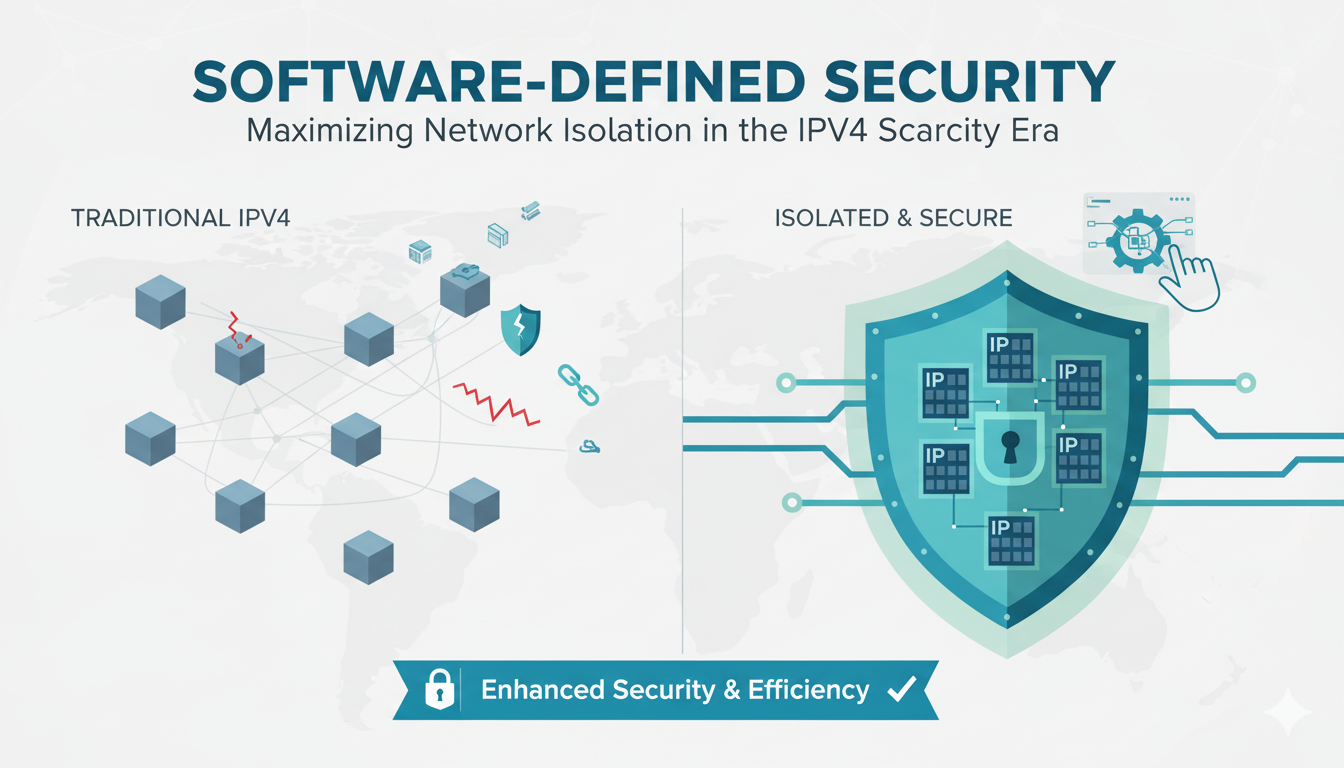
As CEO of InterLIR, I’ve witnessed firsthand how network isolation strategies

What is an ASN? ASN stands for Autonomous System Number. It is a unique identifier

Anycast DNS: A Leader’s Guide to Protecting Your Digital Infrastructure Executive

RPKI Certification: A Leader’s Guide to Internet Routing Security Executive

Executive Summary: What You Need to Know 🎯 Strategic Importance – Internet

When AWS DynamoDB failed in October 2025, thousands of businesses discovered that

Executive Summary: What You Need to Know 🎯 IP reputation directly impacts your
Live chat is provided by Intercom and is loaded only after you enable it. You can also contact us without enabling the chat.