Having spent the last few years building InterLIR into one of Europe’s leading IPv4 marketplaces, I’ve witnessed firsthand how digital governance discussions often diverge from operational realities. The upcoming Internet Governance Forum 2025 in Norway presents fascinating policy frameworks, but my experience managing critical internet infrastructure tells a different story about what businesses actually need today. While policymakers debate AI governance and digital rights, companies across Germany, the US, and emerging markets continue to struggle with fundamental connectivity challenges that require immediate, practical solutions.
The IGF’s multistakeholder approach represents an admirable attempt at inclusive governance, yet I’ve observed that the most pressing infrastructure decisions happen in boardrooms and data centers, not conference halls. My perspective on IGF 2025 centers on a critical gap: the disconnect between high-level policy discussions and the day-to-day operational challenges that determine whether digital transformation succeeds or fails.

This analysis explores how IGF 2025’s ambitious agenda intersects with the practical realities I encounter daily in the IPv4 marketplace, where policy meets infrastructure in ways that directly impact business outcomes.
When I entered the IP addressing sector in 2020, the internet governance landscape was already shifting from technical coordination toward broader societal concerns. My background in international relations from Lomonosov Moscow State University initially drew me to the policy dimensions, but managing InterLIR’s operations across multiple Regional Internet Registries taught me that governance frameworks mean little without functional infrastructure.
I’ve watched the IGF evolve from focusing on domain name systems and technical protocols to addressing artificial intelligence and digital rights. This evolution reflects genuine societal needs, but it also reveals a growing disconnect from operational realities. During my work with Birmingham City Council on EU projects, I observed how policy frameworks often assume infrastructure capabilities that simply don’t exist in many regions.
One client story illustrates this perfectly: A German cybersecurity firm approached us, desperate for IPv4 addresses to expand their threat detection services. They had attended multiple governance forums discussing AI ethics and digital rights, but couldn’t secure the basic IP resources needed to protect their clients. We provided them with a /22 block from our Czech Republic allocation, enabling them to deploy their security infrastructure within weeks. The contrast between policy discussions and practical needs couldn’t have been starker.

Another example emerged from our expansion into Latin American markets. A Brazilian hosting provider spent months navigating governance discussions about digital inclusion while struggling to obtain sufficient IPv4 addresses for their rural connectivity project. Through InterLIR’s automated processes, we delivered the IP resources they needed in days, not months. This experience reinforced my belief that effective governance must address infrastructure fundamentals alongside policy aspirations.
The historical trajectory from technical coordination to societal stewardship represents important progress, but my operational experience suggests that governance frameworks lose effectiveness when they become disconnected from infrastructure realities. The IGF’s evolution toward broader societal concerns is necessary, but it must maintain grounding in the technical foundations that make digital society possible.
The IGF 2025 agenda reflects sophisticated thinking about digital governance challenges, particularly around artificial intelligence and information integrity. However, my daily interactions with clients across the cybersecurity, telecommunications, and hosting sectors reveal that many organizations can’t participate meaningfully in these advanced discussions because they lack fundamental infrastructure resources.
The forum’s emphasis on AI governance resonates with my experience supporting machine learning companies. A Turkish AI startup contacted us, seeking IPv4 addresses for their distributed training infrastructure. They were well-versed in AI ethics frameworks and governance principles, but couldn’t scale their operations without adequate IP resources. We provided them with geographically diverse IPv4 blocks from our UK and German allocations, enabling them to deploy across multiple regions while maintaining compliance with data localization requirements.
This case highlights a critical gap in current governance discussions: the assumption that organizations have the infrastructure foundation necessary to implement sophisticated governance frameworks. The IGF’s sessions on “AI Agents: Ensuring Responsible Deployment” are valuable, but they presuppose that organizations can actually deploy AI agents at scale. My experience suggests that many companies, particularly in emerging markets, face basic connectivity and addressing challenges that prevent them from reaching this level of sophistication.

The forum’s focus on information integrity and democratic resilience also intersects with my operational experience in unexpected ways. A Canadian media company approached InterLIR, needing IPv4 addresses for their fact-checking platform. They understood the governance frameworks around information integrity but couldn’t implement their technical solutions without proper IP infrastructure. We provided them with clean, reputation-verified IPv4 addresses from our USA allocation, enabling them to launch their platform while maintaining the trust signals necessary for effective fact-checking.
Similarly, a Spanish cybersecurity firm working on misinformation detection required IPv4 addresses for their distributed monitoring infrastructure. The IGF’s discussions about “Truth Under Siege” are intellectually compelling, but this company needed practical IP resources to deploy their technical countermeasures. Through our automated provisioning system, we delivered the addresses they needed within 48 hours, demonstrating how infrastructure efficiency directly enables governance objectives.
The business implications of this infrastructure-governance gap are significant. Companies that can’t secure basic IP resources remain excluded from advanced governance discussions, creating a two-tiered system where well-resourced organizations shape policy while others struggle with fundamental connectivity challenges. This dynamic undermines the IGF’s multistakeholder principles and limits the effectiveness of governance frameworks that assume universal infrastructure access.
My analysis of current developments suggests that effective digital governance requires simultaneous attention to policy frameworks and infrastructure capabilities. The IGF 2025 agenda addresses important societal challenges, but its impact will be limited unless governance discussions acknowledge and address the infrastructure prerequisites for meaningful participation in digital society.
My experience leading InterLIR has provided unique insights into how organizations actually make critical infrastructure decisions, often independent of formal governance processes. While the IGF 2025 focuses on multistakeholder dialogue and consensus-building, I observe that businesses make infrastructure choices based on immediate operational needs, regulatory compliance requirements, and competitive pressures.
The decision-making frameworks I encounter daily prioritize speed, reliability, and cost-effectiveness over governance alignment. When a German fintech company needs IPv4 addresses for their payment processing infrastructure, they’re not primarily concerned with AI governance principles or digital rights frameworks. They need clean, properly documented IP resources that enable them to meet PCI compliance requirements and serve customers reliably.
This operational reality doesn’t diminish the importance of governance discussions, but it highlights the need for governance frameworks that acknowledge how infrastructure decisions actually get made. The IGF’s emphasis on inclusive dialogue and consensus-building represents admirable principles, but my client interactions suggest that effective governance must also address the practical constraints and incentives that drive real-world decision-making.
Key principles I observe in industry decision-making include immediate availability of resources, transparent pricing and documentation, geographic diversity for compliance and performance, and reputation verification for security and trust. These factors often outweigh governance considerations in actual business decisions, suggesting that effective governance frameworks must incorporate operational realities rather than assuming they can be addressed separately.
The market implications of this infrastructure-first approach are significant for the broader digital governance landscape. Organizations that can secure reliable infrastructure resources are better positioned to participate meaningfully in governance discussions and implement sophisticated policy frameworks. Those that struggle with basic infrastructure challenges remain marginalized in governance processes, regardless of their expertise or stakeholder legitimacy.
My analysis of the IGF 2025 agenda and my operational experience at InterLIR point toward several strategic implications for effective digital governance. The forum’s ambitious policy discussions will achieve limited impact unless they’re grounded in realistic assessments of infrastructure capabilities and constraints.
The data from our marketplace operations provides concrete insights into these dynamics. Over the past few years, we’ve processed thousands of IPv4 transactions across multiple regions, revealing consistent patterns in how organizations approach infrastructure decisions. Companies prioritize immediate operational needs over long-term governance alignment, seek transparent and efficient processes over complex stakeholder consultations, and value proven reliability over innovative but unproven approaches.
A compelling example emerged from our work with a US-based VPN provider. They needed IPv4 addresses for their privacy-focused service, which directly supports the digital rights objectives emphasized in IGF discussions. However, their decision-making process focused entirely on technical specifications, geographic distribution, and reputation verification. The governance implications of their service were important to their mission, but infrastructure requirements drove their immediate decisions.
This case illustrates a broader strategic consideration: governance frameworks achieve greater effectiveness when they align with rather than contradict operational incentives. The IGF’s multistakeholder approach could benefit from incorporating infrastructure providers and operators more directly into policy discussions, ensuring that governance recommendations reflect operational realities.

My strategic recommendations for organizations navigating this landscape include prioritizing infrastructure foundations before engaging in advanced governance discussions, seeking governance frameworks that acknowledge operational constraints and incentives, building relationships with infrastructure providers who understand governance implications, and developing internal capabilities that bridge technical operations and policy compliance.
The implementation steps I suggest based on my experience include conducting infrastructure audits to identify governance-relevant capabilities and constraints, establishing relationships with reliable infrastructure providers who can support governance objectives, developing internal processes that integrate operational and policy considerations, and participating in governance discussions with realistic assessments of implementation capabilities.
These strategic considerations reflect my conviction that effective digital governance requires infrastructure competence alongside policy sophistication. The IGF 2025’s ambitious agenda will achieve meaningful impact only when governance frameworks acknowledge and address the operational realities that determine whether policy objectives can be implemented successfully.
Looking toward the future of digital governance, my experience in the IPv4 marketplace suggests that the most effective frameworks will be those that integrate policy aspirations with operational capabilities. The IGF 2025 represents an important step in this direction, but the forum’s impact will depend on its ability to bridge the gap between governance discussions and infrastructure realities.
My trend analysis indicates growing recognition among businesses that infrastructure decisions have governance implications, while governance frameworks increasingly acknowledge operational constraints. This convergence creates opportunities for more effective and implementable governance approaches, but it requires continued dialogue between policy experts and infrastructure operators.
My actionable recommendations for organizations include investing in infrastructure capabilities that support governance objectives, engaging with governance processes from positions of operational strength, and building internal expertise that spans technical operations and policy compliance. For governance forums like the IGF, I recommend incorporating infrastructure operators more directly into policy discussions and developing implementation pathways that acknowledge operational realities.
The digital governance landscape will continue evolving, but my experience suggests that the most successful approaches will be those that recognize infrastructure as the foundation upon which all other governance objectives depend. The IGF 2025’s ambitious agenda deserves support, but its ultimate success will be measured by its ability to enable practical implementation of governance principles in real-world operational contexts.

Alexander Timokhin CEO
CEO

A Beginner’s Guide to Subnetting IPv4 and IPv6 Addresses Subnetting is a critical

Why IPv4 Leasing Is Becoming the Smart Choice for Businesses in 2025 1. Introduction
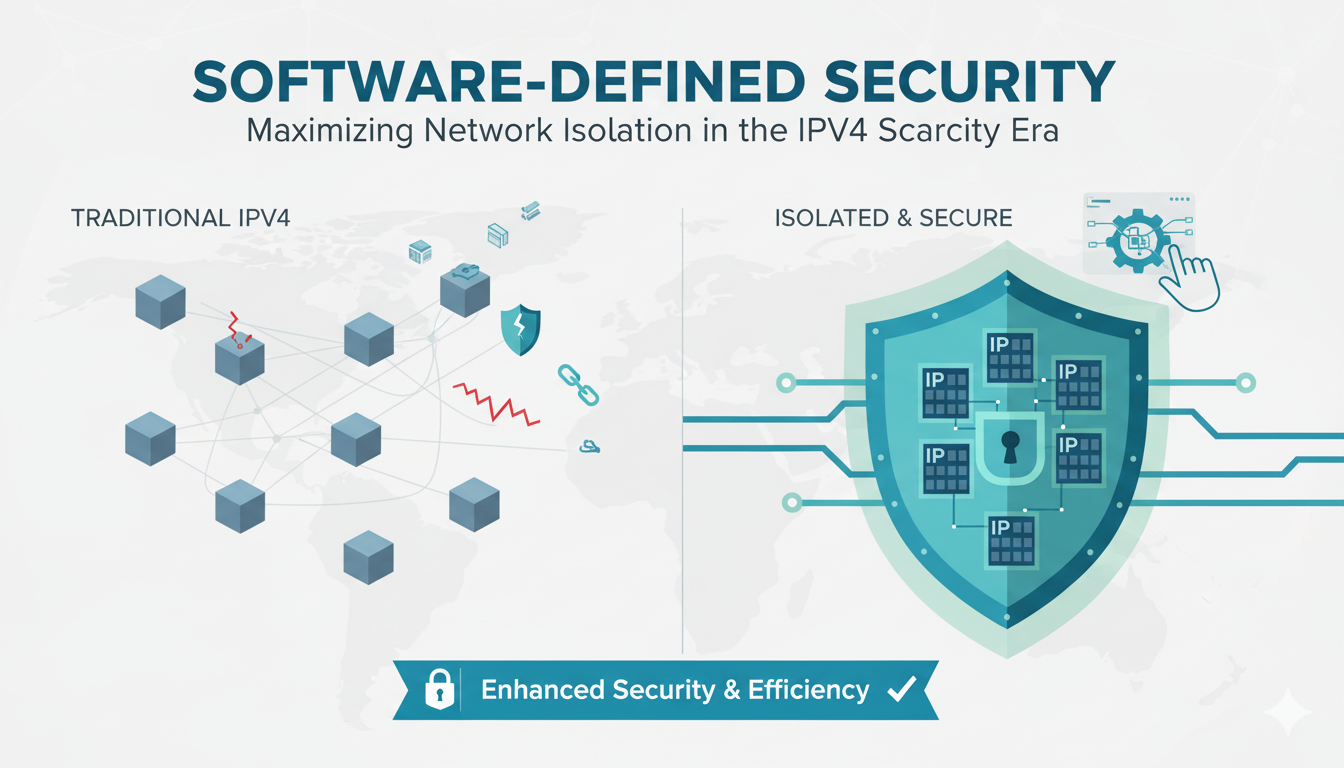
As CEO of InterLIR, I’ve witnessed firsthand how network isolation strategies

What is an ASN? ASN stands for Autonomous System Number. It is a unique identifier

Anycast DNS: A Leader’s Guide to Protecting Your Digital Infrastructure Executive

RPKI Certification: A Leader’s Guide to Internet Routing Security Executive

Executive Summary: What You Need to Know 🎯 Strategic Importance – Internet

When AWS DynamoDB failed in October 2025, thousands of businesses discovered that

Executive Summary: What You Need to Know 🎯 IP reputation directly impacts your
Live chat is provided by Intercom and is loaded only after you enable it. You can also contact us without enabling the chat.