The global IPv4 address market has undergone dramatic transformation since IANA’s final allocation in 2011, with recent market analysis indicating prices stabilizing at $32-36 per address across all block sizes in Q4 2024. This represents a significant market correction from previous highs, fundamentally reshaping how organizations approach IP resource management and driving growth in the IPv4 leasing sector. Current industry intelligence suggests the leasing market has expanded by 39% compared to 2023, as businesses seek flexible alternatives to increasingly scarce permanent acquisitions.

IPv4 leasing has emerged as a sophisticated response to address scarcity, offering organizations strategic flexibility while optimizing capital allocation. As Head of Customer Support at InterLIR, I’ve observed firsthand how this market evolution has created new opportunities for both resource holders and businesses requiring IP infrastructure. The shift from traditional allocation models to dynamic leasing arrangements represents a fundamental change in how the internet’s addressing infrastructure operates in the modern digital economy.
The IPv4 leasing market emerged from necessity following regional internet registry (RIR) depletion across major markets. APNIC exhausted its free pool in 2011, followed by RIPE NCC in 2012, creating immediate scarcity in Asia-Pacific and European markets. Recent RIPE NCC statistics indicate waiting lists exceeding 50,000 organizations for minimal /22 allocations, demonstrating the severity of current shortages.
Market intelligence from Q4 2024 reveals a significant price correction across all regions, with clean, routable IPv4 blocks now priced more competitively. European markets show particularly strong demand, driven by GDPR compliance requirements and data localization mandates. North American markets demonstrate steady growth, while emerging markets in Latin America and Asia-Pacific show demand increases of 39% year-over-year, aligning with global trends.
Case Study 1: European Telecommunications Expansion
A major European telecommunications provider required 8,192 IPv4 addresses (/19 block) for 5G network rollout across three countries. Market analysis revealed purchase costs between €262,144 – €295,936, with 18-month procurement timelines due to regulatory approvals. The organization implemented a 24-month leasing arrangement at 65% cost savings, enabling immediate deployment while preserving capital for core infrastructure investments. Technical implementation included BGP route optimization and RIPE database management, demonstrating how leasing facilitates rapid market expansion.
Case Study 2: Gaming Industry Scaling Solution
Industry analysis of the gaming sector reveals explosive growth in IP requirements, with major platforms requiring geographically diverse address space for latency optimization. A leading gaming company needed IPv4 resources across six regions for new server deployments. Traditional procurement would have required $1,048,576 – $1,179,648 in capital expenditure with uncertain availability timelines. Leasing arrangements provided immediate access to required resources at 70% cost reduction, enabling synchronized global launch schedules while maintaining operational flexibility.

The IPv4 leasing ecosystem has benefited from significant technological advances in IP address management (IPAM) systems and automated routing protocols. Modern leasing platforms now integrate with BGP automation tools, enabling rapid deployment and route optimization. Advanced monitoring systems provide real-time visibility into address utilization and security status, addressing traditional concerns about leased resource management.
Recent developments in RPKI (Resource Public Key Infrastructure) adoption have enhanced security frameworks for leased IPv4 resources. Industry data shows RPKI deployment increasing by 300% since 2023, providing cryptographic validation for route announcements and reducing hijacking risks. These technological improvements have significantly enhanced the viability and security of IPv4 leasing arrangements.
Current market intelligence indicates the IPv4 leasing sector has reached maturity, with standardized pricing models and established service frameworks. Q4 2024 analysis reveals average leasing costs ranging from €0.42 to €0.83 per address monthly, varying by region, block size, and contract duration. Premium markets including Germany, Netherlands, and United States command higher rates due to regulatory requirements and infrastructure quality.
Technological infrastructure supporting IPv4 leasing has evolved significantly, with automated systems now handling route announcements, WHOIS updates, and database maintenance. Modern platforms integrate with major cloud providers, enabling seamless hybrid infrastructure deployment. Advanced analytics provide utilization monitoring and optimization recommendations, maximizing efficiency of leased resources.
Case Study 3: Cybersecurity Firm Global Expansion
Market analysis of cybersecurity sector requirements reveals complex needs for geographically diverse IP resources to support threat intelligence and monitoring operations. A leading cybersecurity firm required IPv4 addresses across 12 countries for threat detection infrastructure. Purchase costs were estimated between $983,040 – $1,105,920 with 24-month procurement timelines. Leasing implementation provided immediate global coverage at $180,000 annual cost, enabling rapid threat response capabilities while maintaining operational flexibility for changing requirements.
The IPv4 leasing market has consolidated around several key providers, with differentiation based on geographic coverage, technical capabilities, and service quality. Market leaders demonstrate superior automation capabilities, comprehensive monitoring systems, and established relationships with RIRs for seamless transfers. Competitive analysis reveals pricing pressure in commodity segments, while premium services command higher margins through value-added capabilities.
Recent market consolidation has eliminated smaller providers lacking technical infrastructure or regulatory compliance capabilities. Surviving providers demonstrate robust financial backing, comprehensive insurance coverage, and established legal frameworks for international operations. This consolidation has improved market stability while reducing counterparty risks for lessees.
Case Study 4: Content Delivery Network Optimization
Industry intelligence from the CDN sector demonstrates critical importance of geographic IP diversity for performance optimization. A major CDN provider required IPv4 resources in 15 markets for edge deployment, with specific requirements for clean reputation and optimal routing. Market analysis revealed purchase costs between $1,638,400 – $1,843,200 with complex regulatory approvals across multiple jurisdictions. Leasing arrangements provided immediate deployment capability at 60% cost savings, enabling rapid market entry while maintaining flexibility for traffic pattern changes.

The regulatory landscape for IPv4 leasing has stabilized significantly, with major RIRs developing comprehensive frameworks for legitimate transfers and leasing arrangements. RIPE NCC’s updated transfer policies provide clear guidelines for temporary assignments, while ARIN’s improved processes reduce administrative overhead. Recent policy developments emphasize need verification and usage documentation, ensuring efficient resource utilization.
Compliance requirements vary significantly across jurisdictions, with European markets requiring comprehensive documentation for GDPR compliance and data localization. Asian markets demonstrate increasing regulatory sophistication, with new frameworks addressing cross-border IP resource utilization. These developments provide greater certainty for long-term leasing arrangements while ensuring legitimate usage patterns.
The integration of IPv4 leasing with emerging technologies demonstrates significant market evolution. 5G network deployments require substantial IPv4 resources for backhaul and core network functions, creating sustained demand despite IPv6 capabilities. Edge computing initiatives similarly require geographically distributed IPv4 resources for optimal performance and regulatory compliance.
Cloud-native applications increasingly leverage IPv4 leasing for multi-region deployments, with major cloud providers offering integrated leasing services. Container orchestration platforms now include IPv4 resource management capabilities, enabling dynamic allocation based on application requirements. These technological integrations demonstrate the continued relevance of IPv4 resources in modern infrastructure architectures.
Market analysis reveals several critical factors organizations must evaluate when considering IPv4 leasing arrangements. Technical considerations include routing quality, geographic distribution, and integration capabilities with existing infrastructure. Financial analysis must encompass total cost of ownership, including setup fees, monthly charges, and potential termination costs.
Due diligence requirements have become increasingly sophisticated, with organizations requiring comprehensive provider evaluation including financial stability, technical capabilities, and regulatory compliance. Industry best practices emphasize the importance of reference checking, security audits, and legal review of contract terms. Risk assessment frameworks must address provider dependency, regulatory changes, and market volatility.
Contemporary risk management frameworks for IPv4 leasing address multiple categories of potential issues. Technical risks include routing instability, address reputation problems, and integration challenges with existing systems. Financial risks encompass provider stability, pricing volatility, and contract termination costs. Regulatory risks involve policy changes, compliance requirements, and cross-border transfer restrictions.
Mitigation strategies include diversified provider relationships, comprehensive insurance coverage, and detailed contract provisions addressing various contingencies. Industry best practices recommend maintaining emergency IPv4 reserves and developing contingency plans for provider failure scenarios. Regular risk assessments should evaluate changing market conditions and regulatory developments.
IPv4 leasing delivers distinct strategic advantages across different industry verticals, with benefits varying based on specific operational requirements and market dynamics. Telecommunications providers leverage leasing for rapid network expansion without substantial capital commitments, enabling agile response to market opportunities. Hosting and cloud service providers utilize leasing for geographic expansion and capacity scaling, optimizing resource allocation based on demand patterns.
The cybersecurity sector demonstrates particularly sophisticated IPv4 leasing utilization, requiring diverse geographic resources for threat intelligence and monitoring operations. Gaming and entertainment companies leverage leasing for global server deployments, optimizing latency and user experience across multiple markets. These sector-specific applications demonstrate the versatility and strategic value of IPv4 leasing arrangements.
Successful IPv4 leasing implementation requires systematic approach addressing technical, financial, and operational considerations. Initial phases involve requirements analysis, provider evaluation, and contract negotiation. Technical implementation includes BGP configuration, routing optimization, and monitoring system integration. Operational procedures must address ongoing management, utilization monitoring, and performance optimization.
Industry best practices emphasize the importance of comprehensive testing before production deployment, including routing validation, security assessment, and performance benchmarking. Change management procedures should address staff training, documentation updates, and integration with existing operational processes. Regular review cycles ensure continued alignment with business requirements and market conditions.
Case Study 5: SaaS Platform Global Deployment
Market intelligence from the SaaS sector reveals complex requirements for global IPv4 resources supporting multi-tenant architectures. A leading SaaS provider required IPv4 addresses across eight regions for customer data isolation and regulatory compliance. Traditional procurement presented $1,310,720 – $1,474,560 capital requirement with uncertain availability across required markets. Leasing implementation provided immediate global coverage at $420,000 annual cost, enabling rapid customer onboarding while maintaining compliance with data localization requirements. Technical implementation included automated provisioning systems and comprehensive monitoring frameworks.

Return on investment analysis for IPv4 leasing must consider both direct cost savings and indirect benefits including improved time-to-market, enhanced operational flexibility, and reduced capital requirements. Financial modeling should incorporate opportunity costs of capital allocation, comparing leasing expenses against alternative investment returns. Performance metrics must address technical factors including network performance, security incidents, and operational efficiency.
Comprehensive ROI frameworks evaluate strategic benefits including market expansion capabilities, competitive positioning improvements, and risk mitigation value. Long-term analysis should consider market trends, pricing evolution, and technological developments affecting IPv4 resource requirements. Regular performance reviews ensure continued optimization and alignment with business objectives.
Industry analysis indicates continued growth in IPv4 leasing markets, driven by persistent scarcity and increasing digitalization across all sectors. Market intelligence suggests leasing volumes will increase by 25-30% annually through 2026, with particular growth in emerging markets and specialized applications. Pricing trends indicate potential stabilization for premium IPv4 resources, while commodity segments may experience pricing pressure from increased supply.
Technological developments including enhanced automation, improved security frameworks, and cloud integration will continue expanding IPv4 leasing capabilities. Advanced analytics and machine learning applications will optimize resource allocation and utilization patterns. Integration with emerging technologies including 5G, edge computing, and IoT will sustain demand for flexible IPv4 resource management solutions.
Organizations should develop comprehensive IPv4 resource strategies incorporating both owned and leased resources to optimize flexibility and cost efficiency. Early adoption of IPv4 leasing capabilities provides competitive advantages in rapidly evolving markets. Strategic partnerships with established leasing providers enable access to premium resources and technical expertise.
Future opportunities include specialized leasing arrangements for emerging technologies, geographic expansion into underserved markets, and development of industry-specific solutions. Organizations with substantial IPv4 holdings should evaluate monetization opportunities through leasing programs, generating revenue while retaining long-term asset value.
Evgeny Sevastyanov serves as Support Team Leader at InterLIR IPv4 Marketplace, specializing in customer support management and RIPE/APNIC database operations with expertise in international commercial law.

Evgeny Sevastyanov
Support Team Leader

A Beginner’s Guide to Subnetting IPv4 and IPv6 Addresses Subnetting is a critical

Why IPv4 Leasing Is Becoming the Smart Choice for Businesses in 2025 1. Introduction
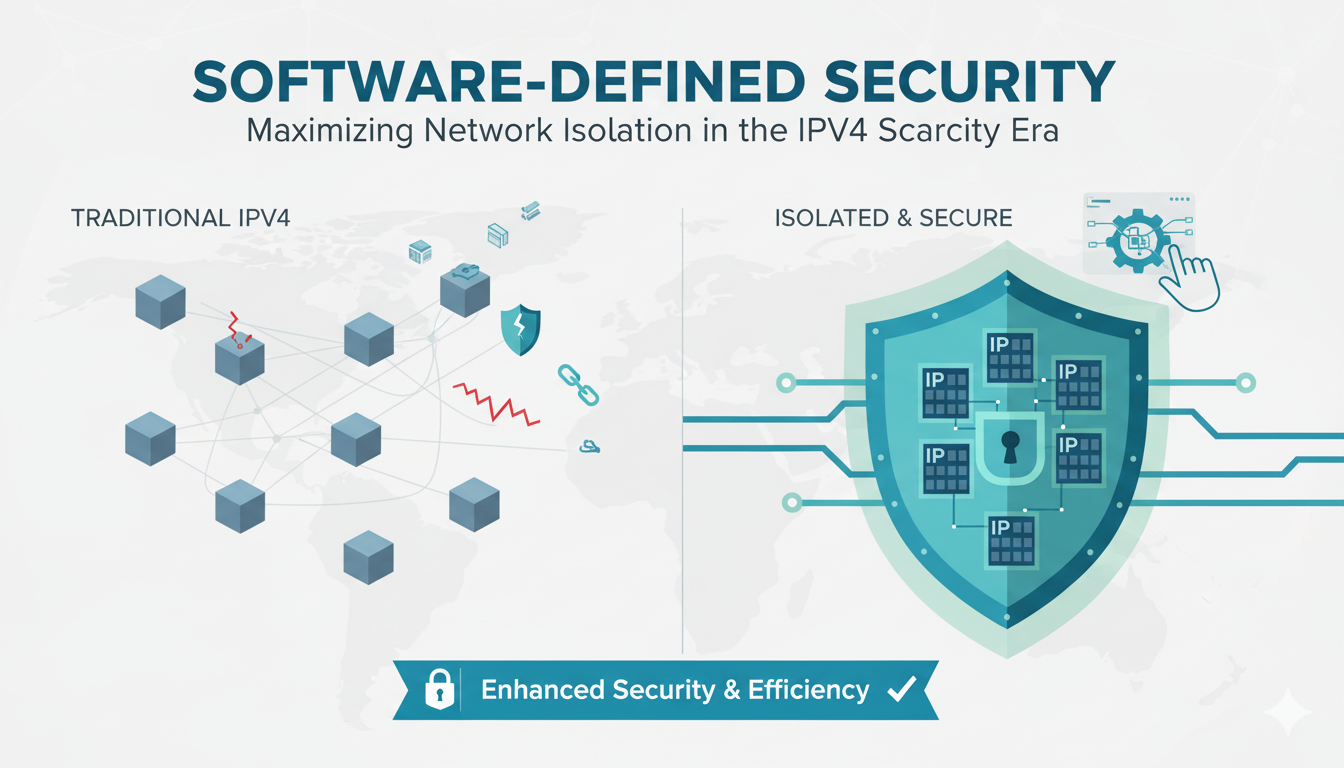
As CEO of InterLIR, I’ve witnessed firsthand how network isolation strategies

What is an ASN? ASN stands for Autonomous System Number. It is a unique identifier

Anycast DNS: A Leader’s Guide to Protecting Your Digital Infrastructure Executive

RPKI Certification: A Leader’s Guide to Internet Routing Security Executive

Executive Summary: What You Need to Know 🎯 Strategic Importance – Internet

When AWS DynamoDB failed in October 2025, thousands of businesses discovered that

Executive Summary: What You Need to Know 🎯 IP reputation directly impacts your
Live chat is provided by Intercom and is loaded only after you enable it. You can also contact us without enabling the chat.