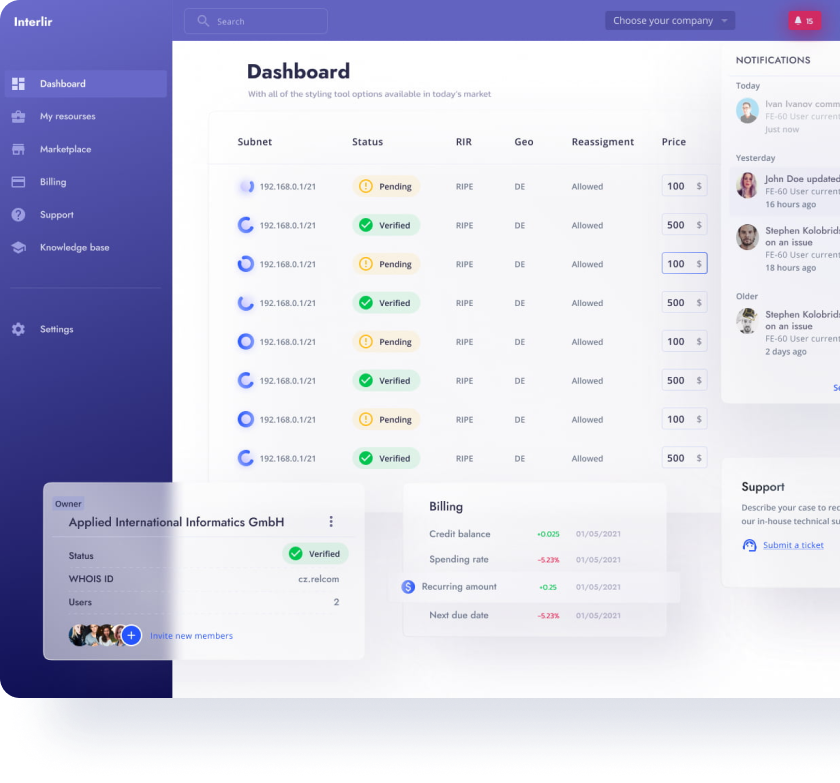
Throughout my career as Head of Sales at InterLIR, I’ve observed countless organizations struggling with the delicate balance between network security and IPv4 resource efficiency. Network segmentation has evolved from a simple security practice to a critical business strategy that directly impacts both operational costs and security posture. The intersection of network segmentation and IPv4 address management has become increasingly complex, requiring strategic thinking that goes beyond traditional IT planning.

My experience helping clients navigate this landscape has revealed that successful segmentation implementations require deep understanding of both security requirements and IPv4 resource optimization. The organizations that master this balance achieve significant competitive advantages while those who treat it as purely a technical exercise often face costly inefficiencies and security gaps.
The evolution of network segmentation reflects broader changes in enterprise networking and security architecture. From the early days of simple VLAN implementations to today’s sophisticated zero-trust microsegmentation, the approach to network isolation has transformed dramatically. More importantly, the relationship between segmentation strategy and IPv4 resource consumption has shifted from an afterthought to a primary design consideration.
During the early 2000s, network segmentation was primarily achieved through IEEE 802.1Q VLAN tagging and basic access control lists. Organizations typically implemented departmental VLANs with fixed subnet allocations, often using standard subnet sizes regardless of actual device requirements. This approach, while functional, created significant IPv4 address waste that we now recognize as unsustainable.
I worked with a large European telecommunications company during this period that exemplified the challenges of traditional segmentation. Their architecture consisted of numerous VLANs, each allocated standard subnet blocks regardless of actual requirements. With departments ranging from small teams to large divisions, the organization consumed substantial IPv4 address space while utilizing only a fraction of the allocated addresses. The rigid subnet boundaries created both address waste and operational complexity as departments grew or reorganized.
The technical implementation relied heavily on spanning tree protocol for loop prevention and static routing between VLANs. Inter-VLAN communication required traffic to traverse centralized routers, creating bottlenecks and single points of failure. Access control was implemented through router-based ACLs, which became increasingly complex as the number of segments grew. Policy changes required manual configuration updates across multiple devices, leading to inconsistencies and security gaps.
A second client case from this era involved a manufacturing company in Poland that implemented segmentation for production network isolation. Their approach used physical separation for critical manufacturing systems and VLANs for administrative networks. The organization allocated generous address blocks for each production facility, resulting in significant address waste due to conservative planning. However, this over-allocation created flexibility for future expansion and demonstrated early recognition of IPv4 as a valuable resource requiring strategic planning.
The traditional era established important foundational concepts including broadcast domain isolation, inter-segment access control, and hierarchical network design. However, the limitations of Layer 2 segmentation and inefficient address allocation methods highlighted the need for more sophisticated approaches. The rise of virtualization and cloud computing would soon demand segmentation strategies that could adapt to dynamic infrastructure requirements.

Today’s network segmentation landscape is characterized by software-defined networking, microsegmentation capabilities, and zero-trust architecture principles. The current market trajectory shows explosive growth, with industry analysts projecting substantial expansion in both traditional network segmentation and microsegmentation markets. This growth reflects not just technological advancement but fundamental shifts in how organizations approach security and resource management.
The emergence of Software-Defined Networking has revolutionized segmentation capabilities while creating new opportunities for IPv4 resource optimization. Modern SDN platforms enable centralized policy management and dynamic segment creation, allowing organizations to implement granular security controls without the address waste inherent in traditional approaches.
Recent implementations leverage technologies like VXLAN (Virtual Extensible LAN) and EVPN (Ethernet VPN) to create overlay networks that decouple logical segmentation from physical infrastructure. These technologies enable organizations to implement thousands of logical segments while maintaining efficient IPv4 address utilization through centralized address management and dynamic allocation.
I recently worked with a cybersecurity firm in the United States that exemplifies modern segmentation best practices. Their implementation combined Cisco Software-Defined Access with Identity Services Engine for policy enforcement, creating numerous distinct security groups based on user identity, device type, and application requirements. The IPv4 addressing strategy utilized hierarchical CIDR allocation with carefully planned regional and campus-level address blocks.
The organization achieved substantial reduction in IPv4 consumption compared to their previous VLAN-based architecture while supporting significant growth in connected devices. The key innovation was implementing policy-based segmentation that created security boundaries without requiring dedicated subnet allocation for each segment. This approach demonstrates how modern segmentation technologies can resolve the historical tension between security requirements and address efficiency.
Container-based microsegmentation using Kubernetes network policies has introduced additional complexity in IPv4 management. Organizations are implementing IP address management (IPAM) systems that can dynamically allocate addresses to pods and services while maintaining segmentation policy consistency. The ephemeral nature of container workloads requires automated address lifecycle management that traditional static allocation methods cannot support.
The shift toward zero-trust security models has fundamentally changed network segmentation requirements. The “never trust, always verify” principle demands continuous identity verification and policy enforcement at every network access point. This architectural approach requires sophisticated IPv4 address management that can support dynamic policy enforcement and comprehensive network visibility.
Modern zero-trust implementations leverage identity-aware microsegmentation that creates security perimeters around individual workloads rather than network segments. Advanced segmentation platforms enable application-level policy enforcement that operates independently of underlying network addressing. However, the infrastructure supporting these capabilities requires careful IPv4 planning to ensure optimal performance and troubleshooting capability.
A financial services organization in Germany implemented comprehensive zero-trust segmentation that illustrates current best practices. Their architecture combined host-based policy enforcement with network-based controls, creating defense-in-depth capabilities across their entire infrastructure. The IPv4 addressing strategy allocated dedicated management networks for policy enforcement infrastructure, separate from production workload addressing.
The implementation required coordination between multiple technology layers including identity management, policy engines, and network infrastructure. Each component required IPv4 addressing that supported both operational requirements and security isolation. The organization implemented hierarchical address allocation for policy infrastructure, identity services, and logging systems. This granular approach enabled precise resource allocation while maintaining clear separation between security infrastructure and production workloads.
The transition to cloud-native architectures has created new challenges in network segmentation and IPv4 resource management. Organizations must implement consistent segmentation policies across on-premises infrastructure, public cloud environments, and hybrid configurations. This consistency requirement demands careful coordination of address space allocation to prevent conflicts while enabling secure connectivity.
Cloud service providers offer native segmentation capabilities including AWS VPCs, Azure Virtual Networks, and Google Cloud VPC networks. However, these cloud-native capabilities must be integrated with on-premises segmentation strategies to create unified security architectures. The challenge lies in maintaining policy consistency while adapting to the unique addressing requirements of each environment.
A healthcare organization spanning multiple countries demonstrated effective hybrid segmentation strategy through coordinated address space management. Their approach utilized RFC 1918 private addressing with careful subnet planning to avoid conflicts between on-premises and cloud environments. The organization allocated hierarchical address blocks for regional, site-level, and cloud-based resources, ensuring no overlap while maintaining routing efficiency.
Service mesh architectures like Istio and Linkerd provide application-level segmentation that operates above the network layer. These technologies enable microsegmentation based on application identity rather than network location, reducing dependency on IPv4 address-based policies. However, the service mesh infrastructure itself requires IPv4 addressing for proxy sidecars, control plane components, and encrypted communication channels between services.
The integration of artificial intelligence and machine learning into segmentation platforms provides automated policy generation and anomaly detection capabilities. A technology company in Canada implemented AI-driven segmentation that uses predictive analytics to forecast IPv4 resource requirements based on application growth patterns and security policy evolution. Their ML models analyze network traffic patterns to optimize segment boundaries and automatically adjust IPv4 allocation strategies as organizational needs evolve.
My legal education background has proven invaluable in understanding how organizations approach network segmentation and IPv4 resource management decisions. The intersection of technical requirements, regulatory compliance, and business risk creates complex decision-making frameworks that require both technical expertise and legal understanding. The most successful implementations align technical capabilities with business objectives while addressing regulatory requirements and competitive pressures.
Organizations in high-risk industries including financial services, healthcare, and critical infrastructure consistently demonstrate greater willingness to invest in comprehensive segmentation strategies. These sectors typically implement defense-in-depth approaches that combine physical segmentation for critical assets with logical segmentation for general infrastructure. The investment decision is primarily driven by regulatory compliance requirements and potential breach impact costs.
The return on investment calculation varies significantly by industry risk profile and regulatory environment. Healthcare organizations report substantial returns due to HIPAA compliance cost reductions and breach risk mitigation. Financial services organizations achieve significant returns through PCI DSS scope reduction and operational efficiency gains. Manufacturing and retail organizations typically see meaningful returns focused on operational security and customer data protection.
From a legal perspective, regulatory compliance serves as a primary driver for segmentation adoption, with organizations seeking to minimize audit scope and demonstrate security controls. The PCI DSS framework specifically benefits from network segmentation, enabling organizations to substantially reduce compliance scope through proper cardholder data environment isolation. Similar benefits apply to HIPAA, SOX, and industry-specific regulations that require data protection and access controls.
At InterLIR, we’ve observed that organizations consistently prioritize automation capabilities over feature richness when selecting segmentation platforms. The ability to reduce manual policy management from extensive operational overhead to automated enforcement represents a critical success factor. Modern platforms provide orchestration capabilities that significantly reduce operational burden while improving security effectiveness.
Vendor lock-in concerns influence technology selection, with organizations preferring standards-based approaches that support multi-vendor environments. OpenFlow and other SDN standards enable portability between platforms, while proprietary solutions may offer superior capabilities at the cost of flexibility. The integration ecosystem consideration has become paramount, with organizations requiring seamless integration between segmentation platforms and existing security tools including SIEM, SOAR, and identity management systems.
Current IPv4 market dynamics have transformed address allocation from a technical decision to a financial one. Organizations are implementing IPv4 conservation strategies that influence segmentation architecture design, including extensive use of NAT, careful subnet sizing, and strategic address allocation planning. The current IPv4 market pricing makes efficient utilization a clear business imperative, which is where InterLIR’s IPv4 rental and leasing services provide significant value to our clients.
My legal background has been instrumental in helping clients navigate the complex regulatory landscape surrounding network segmentation and IPv4 resource management. The legal aspects of IPv4 address ownership and usage rights create unique considerations that many technical teams overlook during implementation planning.
Organizations must carefully consider the legal implications of IPv4 address transfers and ensure proper documentation for compliance purposes. The Regional Internet Registry (RIR) policies governing IPv4 address allocation and transfer require careful attention to legal requirements, particularly in international implementations. InterLIR’s expertise in legal aspects of IPv4 resource management helps clients navigate these complexities while maintaining compliance with applicable regulations.
Data residency requirements and cross-border data transfer regulations increasingly influence segmentation architecture decisions. Organizations must implement segmentation strategies that support compliance with GDPR, data localization requirements, and industry-specific regulations while maintaining operational efficiency. The legal framework surrounding network segmentation continues to evolve, requiring ongoing attention to regulatory developments.
Network segmentation decisions extend far beyond technical security considerations, directly impacting competitive positioning, operational efficiency, and financial performance. My experience working with enterprise clients at InterLIR reveals that segmentation architecture influences business capabilities in ways that are often underestimated during initial planning phases.
The quantifiable financial benefits of strategic segmentation implementation are substantial and measurable. Independent research consistently demonstrates significant ROI over multi-year periods, with payback periods typically measured in months rather than years. These returns stem from multiple sources including reduced security incident costs, compliance efficiency gains, and operational automation benefits.
Security incident cost reduction represents the most significant financial benefit, with properly segmented networks experiencing substantial reduction in breach impact scope. The average data breach cost continues to rise, making this risk mitigation value highly compelling for executive decision-makers. Organizations with comprehensive segmentation report significant savings over multiple years from breach impact reduction alone.
Compliance cost optimization provides immediate financial returns, particularly for organizations subject to multiple regulatory frameworks. The ability to reduce compliance scope through effective segmentation translates to significant cost savings in audit fees, remediation efforts, and ongoing compliance monitoring. Organizations typically achieve substantial reduction in compliance costs through strategic segmentation implementation.
However, the total cost of ownership must include expenses associated with increased network complexity. Professional services requirements for specialized skills, ongoing training costs, and additional management infrastructure can significantly impact the business case. Organizations must carefully balance security benefits against operational complexity to achieve optimal financial outcomes.
Customer trust and competitive differentiation emerge as key strategic benefits of robust segmentation implementation. Organizations with demonstrable security architectures report enhanced customer confidence and improved ability to secure enterprise contracts requiring stringent security measures. This competitive advantage is particularly pronounced in security-sensitive industries where robust network architecture serves as a differentiating factor.
A business intelligence company in Brazil exemplified this strategic advantage through comprehensive segmentation implementation that enabled them to secure contracts with financial services clients requiring demonstrated security controls. Their investment in microsegmentation capabilities directly contributed to substantial revenue growth by enabling access to previously unavailable market segments with strict security requirements.
Merger and acquisition facilitation represents an often-overlooked strategic benefit. Proper network segmentation simplifies due diligence processes during acquisitions and enables secure business partner integrations. Organizations with well-architected segmentation can complete M&A network integration significantly faster than those with flat network architectures, providing substantial competitive advantages in dynamic market environments.
Business agility benefits manifest through simplified network expansion and service deployment capabilities. The ability to rapidly deploy new services or integrate acquired companies without compromising security creates substantial strategic value. Organizations with mature segmentation architectures report significant reduction in time-to-market for new digital services.
The commoditization of IPv4 addresses has created new strategic considerations for segmentation planning. Organizations are treating IPv4 allocation as capital asset management, with careful planning required to optimize utilization while maintaining flexibility for future growth. The strategic value of efficient IPv4 utilization extends beyond cost savings to include competitive positioning and operational flexibility.
IPv4 resource efficiency directly impacts operational costs and strategic flexibility. Organizations implementing Variable Length Subnet Masking (VLSM) based segmentation architectures typically achieve significant improvement in address utilization compared to traditional fixed-subnet approaches. This efficiency translates to reduced IPv4 procurement costs and improved financial performance.
Future-proofing through dual-stack implementation represents a critical strategic consideration that many organizations overlook. Organizations implementing dual-stack segmentation architectures position themselves for long-term IPv4 independence while maintaining current operational requirements. The strategic value of early IPv6 adoption in segmented environments will compound as IPv4 scarcity continues to drive up acquisition costs.
A gaming company in Turkey demonstrated strategic IPv4 resource management through implementation of hierarchical addressing architecture that supported rapid geographic expansion. Their segmentation strategy utilized careful address block allocation for different regions and cities, with variable subnet sizing based on specific requirements. This approach enabled substantial geographic expansion while reducing IPv4 consumption compared to their previous flat addressing model.
The organization’s strategic approach included flexible arrangements for IPv4 resources through InterLIR’s leasing services, allowing them to optimize cash flow during expansion phases while maintaining operational flexibility. Their addressing strategy supported both current operational requirements and future expansion plans, demonstrating how strategic IPv4 management can enable business growth. This case exemplifies how InterLIR’s IPv4 rental and leasing services enable strategic flexibility for growing organizations.

Operational efficiency gains through segmentation automation provide sustainable competitive advantages that compound over time. Organizations implementing software-defined segmentation report dramatic reduction in policy implementation time, translating to substantial hours saved annually across IT operations teams. These efficiency gains enable IT organizations to focus on strategic initiatives rather than routine maintenance tasks.
Policy consistency and compliance automation reduces human error risks while improving audit outcomes. Automated policy enforcement ensures consistent security posture across all network segments, with measurable reduction in security incidents due to improved configuration management and policy compliance. The ability to demonstrate consistent policy enforcement becomes increasingly valuable in regulatory audits and customer security assessments.
The skills transformation required for modern segmentation implementation creates both challenges and opportunities for IT organizations. Companies investing in staff training and certification programs report improved retention rates and enhanced technical capabilities. The specialized knowledge required for advanced segmentation technologies becomes a competitive advantage in talent acquisition and retention.
A telecommunications company in the Czech Republic exemplified successful operational transformation through comprehensive segmentation implementation that included extensive staff training, automated policy management deployment, and integration with existing operational processes. The initiative resulted in substantial reduction in network-related incidents and significant improvement in mean time to resolution for connectivity issues.

The network segmentation landscape will continue evolving rapidly, driven by zero-trust architecture adoption, cloud-native security requirements, and AI-driven automation. Organizations must position themselves strategically to capitalize on these trends while managing IPv4 resource constraints and evolving regulatory requirements. The intersection of network security and resource management will become increasingly critical for competitive success.
Artificial intelligence and machine learning integration will become standard features in segmentation platforms, providing predictive policy optimization and automated threat response capabilities. Organizations should plan for AI-driven capabilities in their segmentation architecture, including dedicated IPv4 addressing for analytics infrastructure and ML model deployment. The strategic advantage will accrue to organizations that integrate AI capabilities early in their segmentation evolution.
5G and edge computing will create new segmentation requirements, with network slicing capabilities enabling ultra-granular traffic isolation. The edge computing paradigm requires distributed segmentation capabilities that can operate with minimal central management, influencing IPv4 allocation strategies for geographically distributed deployments. Organizations must develop segmentation strategies that can scale to thousands of edge locations while maintaining centralized policy consistency.
The ongoing transition to IPv6 presents both challenges and opportunities for segmentation architecture. Organizations should plan segmentation architectures that can accommodate future addressing requirements without major architectural changes. InterLIR’s expertise in IPv4 resource management positions our clients to make informed decisions about the timing and approach for IPv6 integration while maintaining current operational requirements.
Invest in automation and orchestration capabilities that reduce operational overhead while improving security posture. Platforms providing automated policy generation and enforcement will deliver superior ROI compared to manual management approaches. The competitive advantage will increasingly favor organizations with highly automated segmentation capabilities that can adapt rapidly to changing business requirements.
Plan IPv4 resource allocation strategically, treating addresses as valuable assets requiring careful management. Implement VLSM-based addressing schemes that optimize utilization while maintaining flexibility for future growth. Consider InterLIR’s flexible IPv4 leasing and rental services to optimize cash flow while building long-term operational capability. Our IPv4 purchase and selling services also enable organizations to optimize their IP resource portfolios as business requirements evolve.
Develop internal capabilities through comprehensive training and certification programs. The specialized knowledge required for modern segmentation technologies represents a sustainable competitive advantage that cannot be easily replicated. Organizations with strong internal capabilities can implement segmentation strategies more effectively while reducing dependence on external consultants.
From a legal perspective, ensure that segmentation implementations address regulatory requirements and compliance obligations. The intersection of network security and legal compliance will continue to evolve, requiring ongoing attention to regulatory developments and their impact on segmentation architecture decisions.
Alexei Krylov serves as Head of Sales at InterLIR, specializing in IPv4 resource management and network infrastructure solutions. With extensive experience in B2B sales and a legal education background (Licenciado en Derecho Civil, Universidad Pedagógica estatal de Moscú, 1994-1999), he helps organizations optimize their IP resource strategies while navigating the complexities of modern network architecture and regulatory compliance.
#IPv4 #NetworkSegmentation #IPManagement #CyberSecurity #NetworkSecurity #ZeroTrust #InterLIR #IPLeasing #IPRental

Alexei Krylov
Head of Sales

A Beginner’s Guide to Subnetting IPv4 and IPv6 Addresses Subnetting is a critical

Why IPv4 Leasing Is Becoming the Smart Choice for Businesses in 2025 1. Introduction
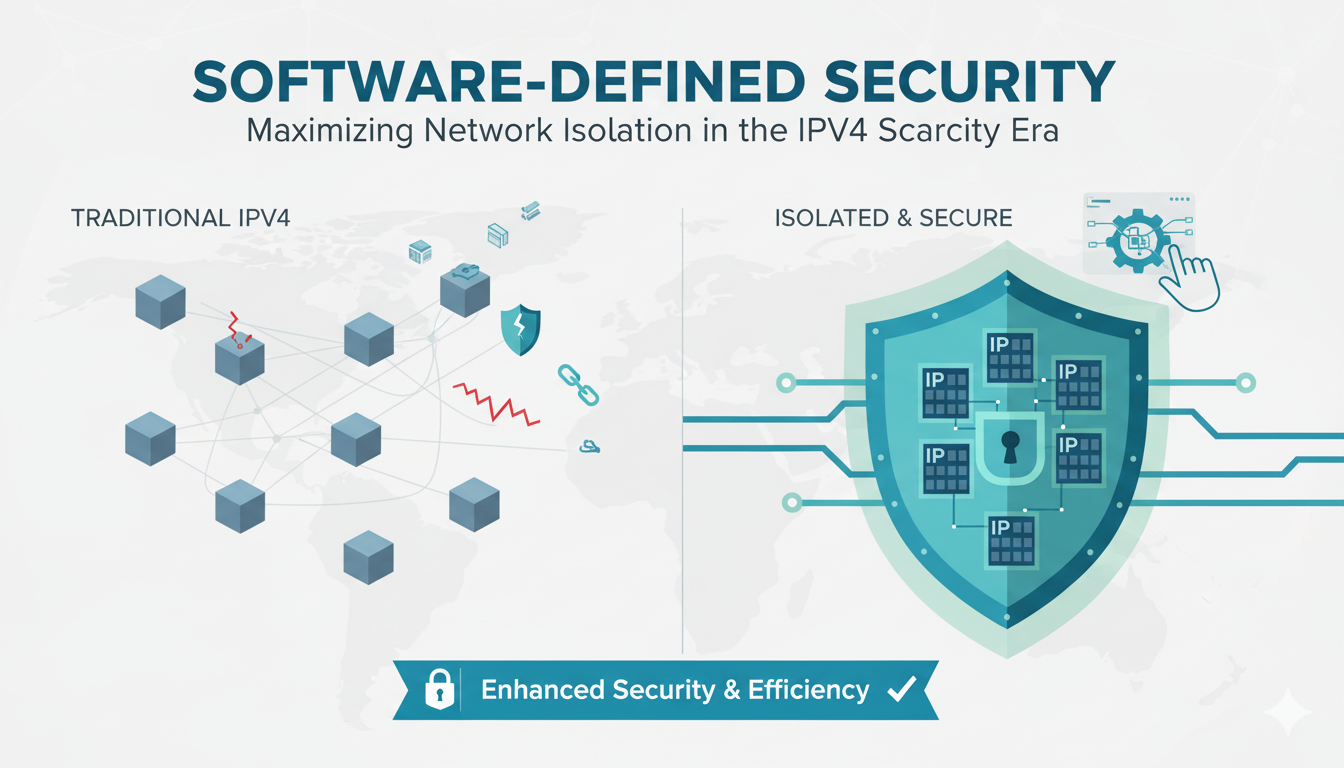
As CEO of InterLIR, I’ve witnessed firsthand how network isolation strategies

What is an ASN? ASN stands for Autonomous System Number. It is a unique identifier

Anycast DNS: A Leader’s Guide to Protecting Your Digital Infrastructure Executive

RPKI Certification: A Leader’s Guide to Internet Routing Security Executive

Executive Summary: What You Need to Know 🎯 Strategic Importance – Internet

When AWS DynamoDB failed in October 2025, thousands of businesses discovered that

Executive Summary: What You Need to Know 🎯 IP reputation directly impacts your
Live chat is provided by Intercom and is loaded only after you enable it. You can also contact us without enabling the chat.