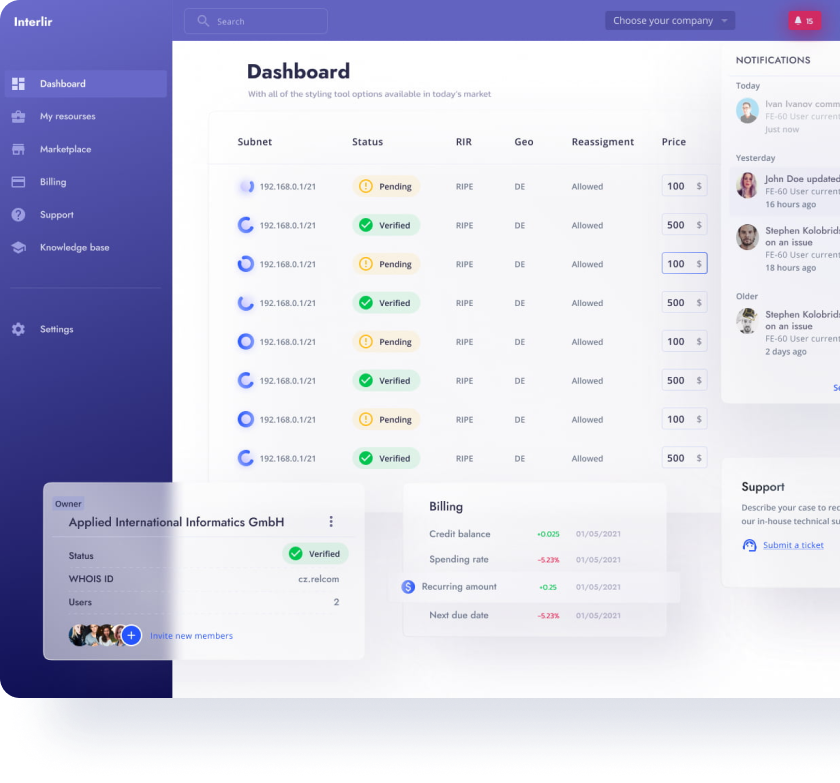
The IPv4 leasing market continues to evolve as a critical component of business network strategy. As Support Team Leader at InterLIR, I regularly address client inquiries regarding the specific advantages of IPv4 leasing compared to traditional acquisition methods. This analysis provides a data-driven examination of the primary benefits organizations can realize through strategic IPv4 leasing, based on quantifiable client outcomes and market trends.

The evolution of IPv4 resource management has progressed through distinct phases since IANA’s announcement of IPv4 exhaustion in 2011. Initially, organizations relied primarily on direct allocations from Regional Internet Registries (RIRs), followed by transfer market acquisitions as available resources diminished. The emergence of structured leasing represents the latest development in this progression.
The leasing model developed in response to specific market conditions:
This evolution is reflected in my client experiences. A European cloud services provider I worked with in 2022 had historically acquired all IP resources through direct purchases. Their initial IP acquisition required a capital expenditure of approximately €350,000 for a /20 block. When expanding into new markets, they adopted a leasing approach for additional resources, reducing their initial capital requirement by 94% while securing the necessary addresses within 48 hours rather than months.

Current market data demonstrates five primary advantages that drive organizations to adopt IPv4 leasing strategies. Each provides distinct business benefits with quantifiable impact on operations and financial performance.
IPv4 leasing enables significant capital optimization compared to outright purchases. Current market conditions show:
This capital efficiency creates immediate financial advantages:
A financial services client recently quantified this advantage when expanding their security operations. They determined that leasing the required /22 block reduced their initial capital requirement by €45,000 compared to purchasing, while providing identical technical functionality.
IPv4 leasing significantly accelerates resource deployment compared to traditional acquisition methods:
This efficiency directly impacts business operations through:
IPv4 leasing provides access to resources in specific geographic regions, delivering several operational advantages:
Organizations implementing region-specific IP strategies typically experience 15-20% improvements in application performance metrics and user experience scores compared to centralized deployment models.
The leasing model enables more responsive resource scaling compared to traditional acquisition:

Organizations evaluating IPv4 leasing typically consider several key factors in their decision-making process. Understanding these considerations helps frame the strategic advantages within specific business contexts.
The most sophisticated organizations apply structured financial analysis when evaluating leasing versus purchasing:
This analysis typically demonstrates that leasing provides superior financial outcomes for time horizons under 5-7 years, while purchasing may offer advantages for longer timeframes assuming stable address utilization requirements.
Operational considerations frequently drive organizations toward leasing strategies:
Organizations with dynamic business environments, rapid growth trajectories, or geographically diverse operations typically realize greater benefits from leasing compared to those with stable, predictable resource requirements.
The advantages of IPv4 leasing translate into specific business impacts across various operational dimensions. These impacts provide the foundation for strategic decision-making regarding IP resource acquisition approaches.
IPv4 leasing directly influences financial performance through several mechanisms:
A technology services provider quantified these benefits during their recent expansion. By implementing an IP leasing strategy rather than purchasing, they realized a 32% improvement in their return on invested capital while maintaining identical technical capabilities.
The operational advantages of IPv4 leasing create measurable business impacts:
An e-commerce platform experienced this benefit directly when expanding into three new geographic markets. Their leasing strategy enabled service deployment within days rather than weeks, allowing them to capitalize on a specific market opportunity that would have been missed under traditional acquisition timelines.
Perhaps the most significant business impact derives from enhanced strategic flexibility:

The IPv4 leasing market continues to evolve, with several trends likely to influence future strategic decisions regarding IP resource management.
Based on current data and trends, several developments appear likely in the IPv4 leasing market:
Based on my market analysis and client experiences, the following recommendations provide guidance for organizations evaluating IPv4 resource strategies:
Organizations implementing IPv4 leasing strategies should consider several practical factors:
IPv4 leasing offers substantial strategic advantages for organizations seeking efficient, flexible approaches to IP resource management. By understanding these benefits and implementing structured evaluation and management processes, businesses can optimize their IP resource strategies while enhancing operational capabilities and financial performance.
For specific guidance on implementing effective IPv4 leasing strategies or evaluating potential providers, contact me at [email protected].
I’m Evgeny Sevastyanov, Support Team Leader at InterLIR IPv4 Marketplace, specializing in customer support for IPv4 leasing, support team management, and technical aspects of IP resource management. Based in Varna, Bulgaria, I work remotely with the company’s office in Berlin, Germany.
With experience in sales and project management, I bring a comprehensive understanding of both technical and business aspects of IP resource management. My expertise includes creating objects in RIPE/APNIC databases, spam listing detection, and ensuring compliance with RIR policies.
I hold a RIPE Database Associate certification and am currently pursuing a Doctor of Philosophy (PhD) in Law at Varna Free University “Chernorizets Hrabar,” specializing in Public Law and Constitutional Law. My educational background includes a Master’s degree in International Commercial Law from the Diplomatic Academy of the Russian Ministry for Foreign Affairs.
For inquiries about IPv4 leasing benefits or technical implementation guidance, contact me at [email protected] or visit www.interlir.com.

Evgeny Sevastyanov
Support Team Leader

A Beginner’s Guide to Subnetting IPv4 and IPv6 Addresses Subnetting is a critical

Why IPv4 Leasing Is Becoming the Smart Choice for Businesses in 2025 1. Introduction
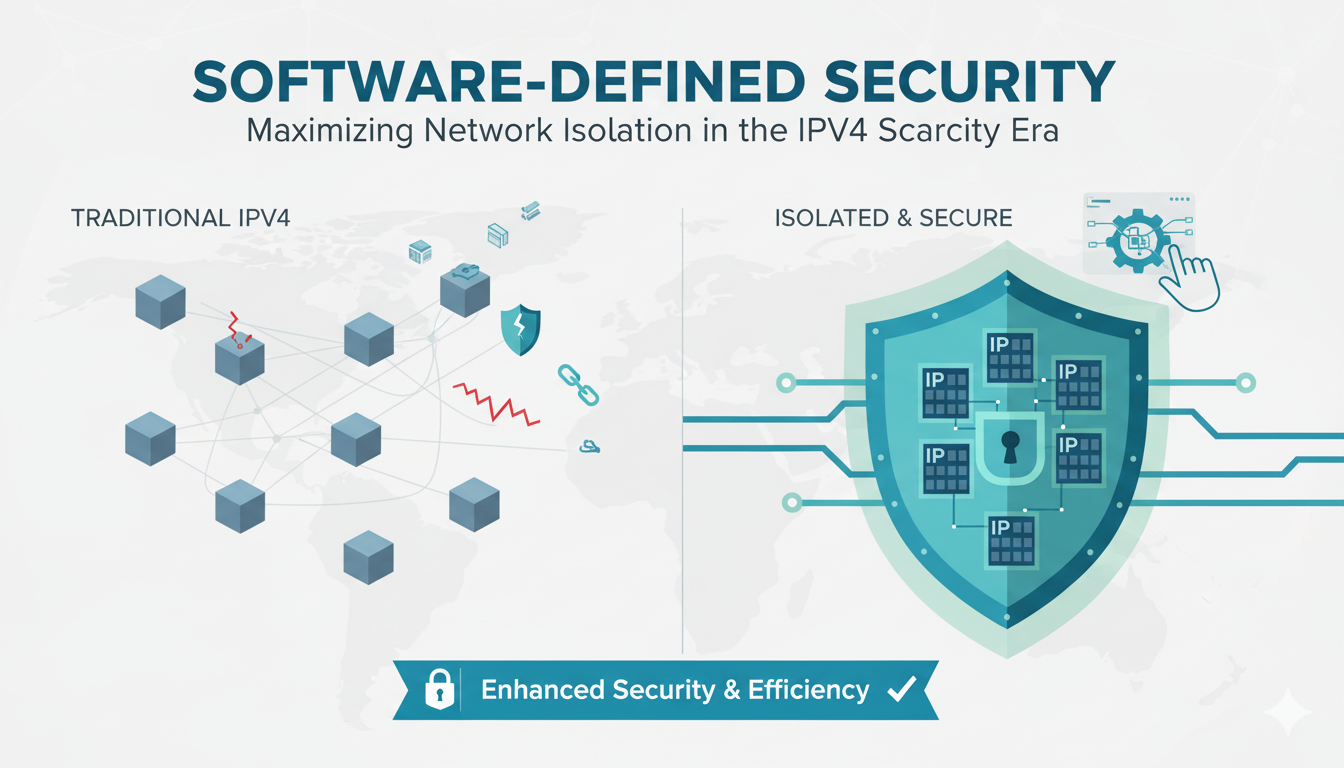
As CEO of InterLIR, I’ve witnessed firsthand how network isolation strategies

What is an ASN? ASN stands for Autonomous System Number. It is a unique identifier

Anycast DNS: A Leader’s Guide to Protecting Your Digital Infrastructure Executive

RPKI Certification: A Leader’s Guide to Internet Routing Security Executive

Executive Summary: What You Need to Know 🎯 Strategic Importance – Internet

When AWS DynamoDB failed in October 2025, thousands of businesses discovered that

Executive Summary: What You Need to Know 🎯 IP reputation directly impacts your
Live chat is provided by Intercom and is loaded only after you enable it. You can also contact us without enabling the chat.