As Head of Sales at InterLIR, I’ve witnessed the remarkable transformation of IPv4 addresses from technical components into valuable business assets that organizations actively trade and optimize. The recent discussions at APNIC’s 55th meeting regarding IP leasing policies highlight a critical junction in our industry, where some Regional Internet Registries embrace leasing while others maintain restrictive policies that don’t align with current market needs.
In this article, I’ll explore how IP leasing has developed from an occasional practice to an essential business strategy, analyze current market dynamics across different RIR regions, examine the decision-making frameworks organizations use when evaluating IP resource options, and provide actionable recommendations based on my real client experiences. The landscape of IP address management is transforming, and understanding these changes is vital for businesses that depend on these resources for their operations and growth.

When I first entered this industry, IPv4 addresses were still available through straightforward allocation processes from RIRs. Organizations could simply justify their needs and receive appropriate address blocks. The concept of leasing IP addresses was virtually nonexistent because there was no market pressure to create such arrangements. I remember consulting for technology companies in 2010-2012, when the conversation was primarily focused on IPv6 adoption as the ultimate solution to IPv4 exhaustion.
The watershed moment came in February 2011 when IANA allocated the last five /8 blocks to the five RIRs. This marked the beginning of a new era in IP address management. By 2015, I was already advising clients on IP address acquisition strategies that looked more like real estate transactions than technical resource allocations.
I recall working with a telecommunications company in Turkey around 2017. They had aggressive expansion plans but faced a critical shortage of IP addresses. After months of waiting with RIPE NCC with limited success, they approached my team for alternatives. We structured an IP leasing arrangement that provided them with a /20 block from an organization in Germany that had excess capacity. This arrangement allowed the Turkish company to expand into three new regions within weeks rather than months, without the substantial capital outlay that purchasing would have required.
This case exemplified how IP leasing emerged organically from market necessity. The evolution wasn’t driven by RIR policies—it was driven by business needs that couldn’t wait for policy frameworks to adapt. Organizations with excess addresses found economic value in leasing rather than selling, while organizations needing addresses discovered operational advantages in flexible leasing arrangements.
Today’s IP address landscape is characterized by increasing scarcity, rising prices, and evolving business models designed to optimize utilization of existing resources. The IPv4 market has matured significantly, with address blocks now commanding $51-55 per IP address for outright purchases. This pricing pressure has accelerated interest in leasing arrangements, which typically cost around $0.50-0.55 per IP per month, according to current market data. This represents a significant financial equation for businesses: the break-even point between purchasing and leasing has extended to approximately 100 months (over 8 years).

Through my work at InterLIR, I’ve gained unique insights into how different business sectors approach IP resource challenges. One particularly instructive case involved a SaaS provider based in Canada who faced expansion challenges. When they approached me last year, they were evaluating whether to purchase IP blocks at premium rates or redesign their architecture—both costly options.
After analyzing their usage patterns and growth projections, we implemented a hybrid strategy: leasing a /21 block for immediate needs while developing a more efficient IP utilization framework for their application. Six months later, they reported 42% growth in customer accounts while maintaining full compliance with RIR regulations and reducing their projected three-year IP resource costs by approximately 35%.
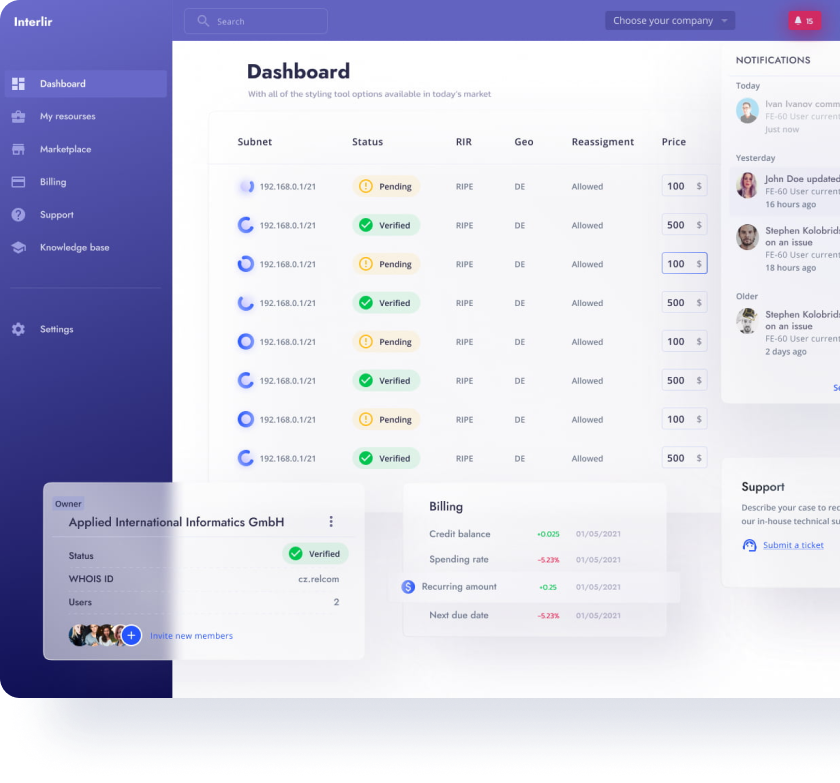
A critical development in the current market is the emergence of specialized IP leasing platforms with sophisticated features for address management, security, and compliance. At InterLIR, I’ve observed how these platforms address key concerns about IP leasing that previously limited adoption:
I recently worked with a marketing technology company from Spain that illustrates this evolution perfectly. They needed clean IP addresses for their email marketing platform but were concerned about IP reputation and deliverability. Through a modern IP leasing platform, I helped them access pre-verified IP blocks with established reputation metrics, allowing them to maintain high deliverability rates from day one.
Through my work advising clients across diverse sectors, I’ve observed distinct patterns in how organizations approach IP resource decisions. The decision-making process has evolved from purely technical considerations to a complex matrix of financial, operational, and strategic factors.
The primary decision factors I consistently see organizations evaluating include:
I’ve developed a simple framework that helps my clients navigate this decision process:
Most organizations I advise are shifting toward hybrid approaches that combine owned and leased IP resources. This portfolio approach optimizes for both stability and flexibility while managing financial exposure. The core infrastructure relies on owned addresses, while growth, expansion, and special projects utilize leased resources.
The evolution of IP leasing has profound implications for business strategy across multiple dimensions. Based on my experience working with diverse clients, I’ve identified several key areas where IP leasing creates strategic impact.
Financial flexibility represents perhaps the most immediate benefit. For a typical /22 block (1,024 IP addresses) at current market rates, purchasing requires approximately $55,000 in upfront capital, while leasing the same block might cost around $550 monthly. This dramatic difference in cash flow patterns enables organizations to allocate capital to core business investments rather than infrastructure.
I worked with an innovative cloud services provider based in Estonia last year who leveraged this financial flexibility to accelerate their market expansion. Rather than investing over $200,000 in IP address purchases, they implemented a comprehensive leasing strategy. The preserved capital was redirected to sales, marketing, and product development initiatives that generated an estimated 3.8x return within 12 months.
A particularly compelling client scenario involved a VPN service provider based in the United Kingdom. Their business model required a diverse pool of IP addresses across multiple geographic regions, with changing requirements based on user growth and regulatory developments. Through a sophisticated IP leasing strategy, they were able to maintain a dynamic portfolio of addresses that adapted to business needs while preserving capital for core technology development. Their Chief Technology Officer credited this approach with enabling their expansion into five new markets within a 12-month period.

As I look toward the future of IP addressing and resource management, several trends become apparent. Based on my experience working with diverse organizations and observing market dynamics, I can offer several projections and recommendations for navigating this evolving landscape.
The IPv4 market will continue to mature, with increasingly sophisticated financial instruments and market mechanisms. The recent securitization of IP lease revenue by major telecommunications providers is likely just the beginning of financial innovation in this space.
For organizations navigating this landscape, I offer these actionable recommendations:
As IP leasing continues to evolve from an emergent practice to a market standard, organizations that develop sophisticated capabilities in this area will enjoy significant advantages in operational flexibility, cost management, and strategic agility. The future internet infrastructure will be built on a complex ecosystem of owned and leased resources, optimized for specific business requirements rather than technical convenience.

#IPv4 #IPLeasing #IPManagement #CyberSecurity #InternetInfrastructure
I’m Alexei Krylov, Head of Sales at InterLIR, a specialized IPv4 address marketplace based in Berlin, Germany. With extensive experience in B2B sales and a background in civil law, I specialize in helping organizations navigate the complex landscape of IP resource acquisition and management. Prior to joining InterLIR in 2022, I served as Managing Director at United Confectionary SL.
I work closely with clients in cybersecurity, telecommunications, hosting, SaaS, VPN, gaming, marketing, and business intelligence sectors across global markets including Germany, USA, Turkey, Brazil, Latin America, Canada, and the EU. My expertise spans customer relationship management, B2B sales, and navigating Regional Internet Registry (RIR) policies.
As a licensed Civil Law professional (Universidad Pedagógica estatal de Moscú, 1994-1999), I bring a unique combination of legal knowledge and technical expertise to the IP resource market, helping clients develop strategic approaches to address their IPv4 needs in today’s constrained environment.
For more information on IP leasing solutions, contact me at InterLIR: [www.interlir.com](https://www.interlir.com)

Alexei Krylov
Head of Sales

A Beginner’s Guide to Subnetting IPv4 and IPv6 Addresses Subnetting is a critical

Why IPv4 Leasing Is Becoming the Smart Choice for Businesses in 2025 1. Introduction
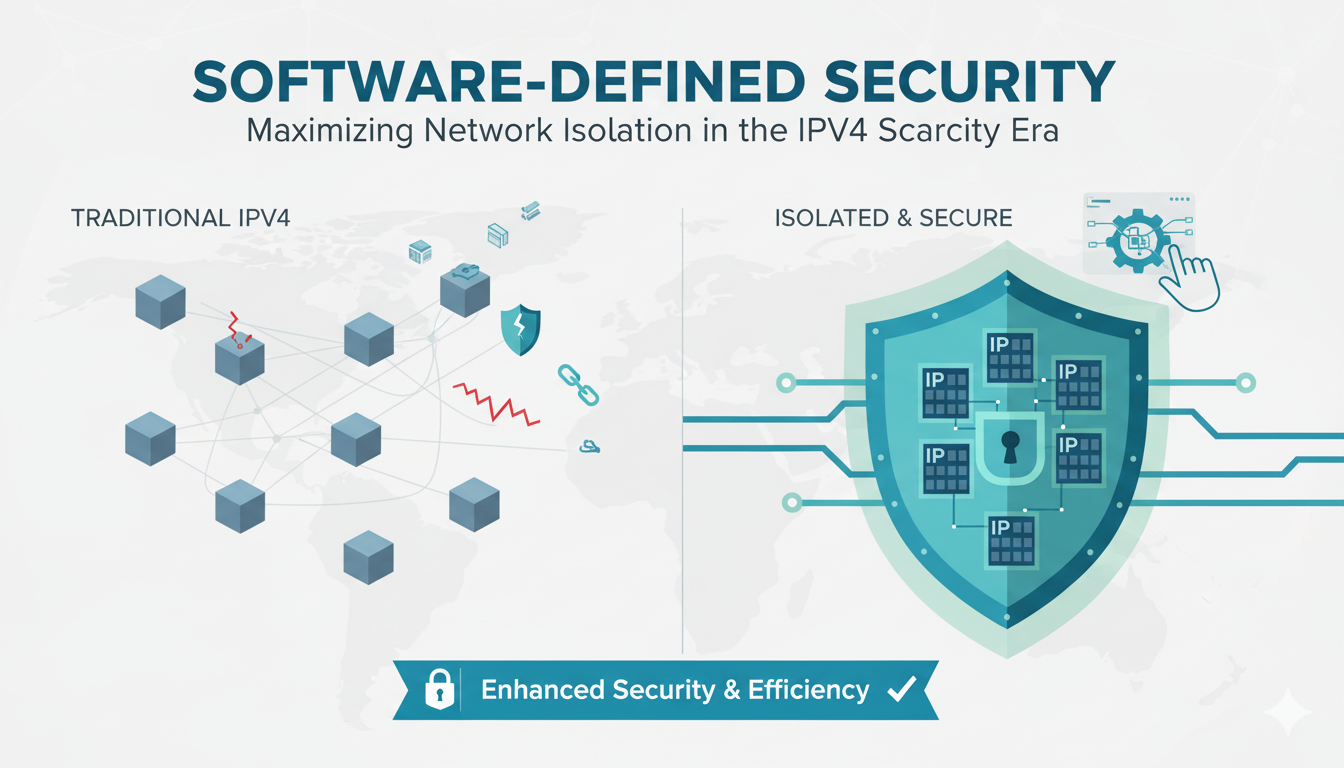
As CEO of InterLIR, I’ve witnessed firsthand how network isolation strategies

What is an ASN? ASN stands for Autonomous System Number. It is a unique identifier

Anycast DNS: A Leader’s Guide to Protecting Your Digital Infrastructure Executive

RPKI Certification: A Leader’s Guide to Internet Routing Security Executive

Executive Summary: What You Need to Know 🎯 Strategic Importance – Internet

When AWS DynamoDB failed in October 2025, thousands of businesses discovered that

Executive Summary: What You Need to Know 🎯 IP reputation directly impacts your
Live chat is provided by Intercom and is loaded only after you enable it. You can also contact us without enabling the chat.