As the demand for IPv4 addresses intensifies, regional transfers have become a critical solution for redistributing scarce resources. However, these transactions come with financial and regulatory implications, particularly in the form of taxes. Understanding the tax implications of regional IPv4 transfers is essential for organizations engaging in these transactions, as non-compliance can lead to financial penalties and operational setbacks.
This article delves into the tax considerations associated with IPv4 transfers, comparing regional practices, and offering insights to navigate these complexities effectively.
Regional IPv4 transfers involve reallocating IP address blocks within or across regions, typically facilitated by Regional Internet Registries (RIRs) such as RIPE NCC, ARIN, APNIC, LACNIC, and AFRINIC. These transactions aim to optimize IP address distribution by moving resources from underutilized areas to regions with higher demand.
Taxation of IPv4 transfers varies by region and depends on factors such as the nature of the transaction, the jurisdiction of the parties involved, and local tax laws.
IPv4 transfers can be classified as:
Cross-border IPv4 transfers often trigger additional tax implications, such as:
Organizations must comply with local reporting obligations, including:
| Region | Tax Implications | Key Considerations |
| North America | Capital gains tax on sales; withholding tax on cross-border transfers | ARIN policies align with U.S. tax laws |
| Europe | VAT applicable on services; capital gains tax on asset sales | RIPE NCC regions follow EU VAT rules |
| Asia-Pacific | GST or VAT on transactions; withholding tax for international payments | APNIC regions vary by country |
| Latin America | Local income tax on leasing; capital gains tax on sales | Varies significantly by jurisdiction |
| Africa | Limited tax frameworks; withholding tax may apply on cross-border deals | AFRINIC regions lack standardized policies |
Different jurisdictions have distinct tax frameworks, creating complexities for organizations operating in multiple regions.
IPv4 addresses are often classified differently across tax systems, leading to inconsistencies in how transactions are taxed.
Preparing documentation, managing compliance, and addressing audits require significant time and resources.
Work with tax advisors familiar with regional and international tax laws to ensure compliance and optimize tax outcomes.
If operating across borders, utilize DTAs to minimize the risk of double taxation and reclaim withholding taxes where applicable.
Keep detailed records of IPv4 transactions, including:
Include tax liabilities in the budget for IPv4 transfers to avoid unexpected financial burdens.
As IPv4 scarcity continues to drive market activity, governments and tax authorities may introduce more standardized frameworks for taxing IP address transfers. Simultaneously, the growing adoption of IPv6 may shift the focus from IPv4 transfers, potentially altering the taxation landscape over time.
The tax implications of regional IPv4 transfers are a critical consideration for organizations participating in the IPv4 market. By understanding regional differences, engaging tax professionals, and adhering to best practices, businesses can navigate these complexities effectively. As the market evolves, staying informed about regulatory changes will be essential for optimizing both compliance and financial outcomes.

Alexander Timokhin
COO

A Beginner’s Guide to Subnetting IPv4 and IPv6 Addresses Subnetting is a critical

Why IPv4 Leasing Is Becoming the Smart Choice for Businesses in 2025 1. Introduction
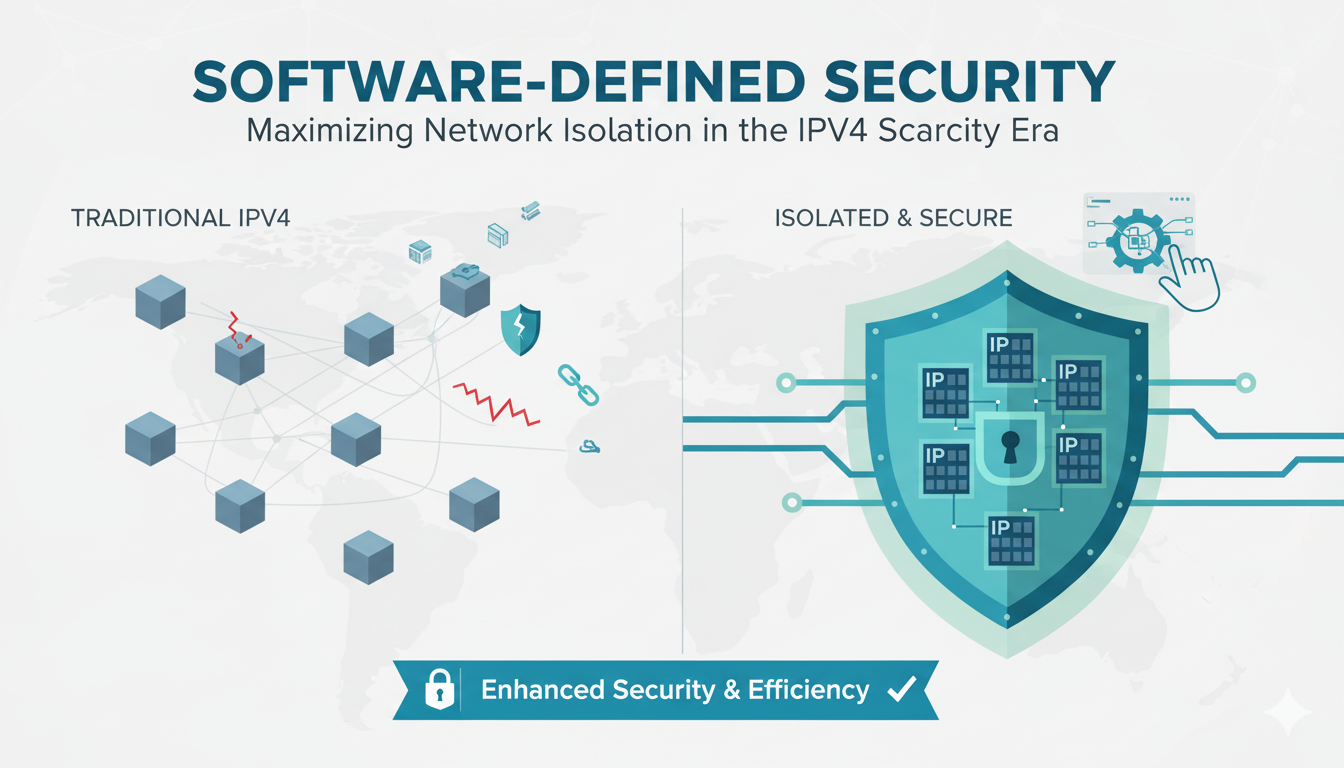
As CEO of InterLIR, I’ve witnessed firsthand how network isolation strategies

What is an ASN? ASN stands for Autonomous System Number. It is a unique identifier

Anycast DNS: A Leader’s Guide to Protecting Your Digital Infrastructure Executive

RPKI Certification: A Leader’s Guide to Internet Routing Security Executive

Executive Summary: What You Need to Know 🎯 Strategic Importance – Internet

When AWS DynamoDB failed in October 2025, thousands of businesses discovered that

Executive Summary: What You Need to Know 🎯 IP reputation directly impacts your
Live chat is provided by Intercom and is loaded only after you enable it. You can also contact us without enabling the chat.