As the demand for IPv4 addresses continues to grow, international IPv4 transfers have become a vital part of the global internet ecosystem. For businesses and organizations navigating these transactions, preparation is key to ensuring compliance, efficiency, and security. This article provides a comprehensive guide to preparing for IPv4 transfers in international contexts, highlighting essential steps, challenges, and best practices.
International IPv4 transfers involve the redistribution of IP address blocks across different regions, facilitated by Regional Internet Registries (RIRs). These transfers are critical for addressing IPv4 scarcity and meeting the growing demands of global networks.
Different regions have unique policies that govern IPv4 transfers. Before initiating a transfer, familiarize yourself with the regulations of both the source and recipient RIRs. Key considerations include:
Verify the authenticity of the IPv4 block and the legitimacy of the seller or buyer. This includes:
Draft a detailed agreement that includes:
Ensure the smooth integration of transferred IPv4 blocks by:
| Challenge | Description | Mitigation Strategies |
| Regulatory Hurdles | Varying policies across RIRs can complicate transfers. | Familiarize with regional regulations; consult experts. |
| Fraud Risks | Fake sellers or invalid IP blocks can disrupt transactions. | Conduct thorough due diligence. |
| Technical Issues | Integration of new IP blocks may impact network performance. | Test thoroughly before deployment. |
| Pricing Volatility | Market demand affects IPv4 costs. | Negotiate fixed pricing in agreements. |
Brokers specialize in facilitating IPv4 transfers, offering expertise in:
Escrow services add an extra layer of security by holding payments until the transfer is successfully completed.
Stay informed about pricing trends and demand fluctuations to make informed decisions.
While IPv4 transfers address immediate needs, long-term scalability requires investments in IPv6 adoption.
| RIR | Transfer Policies | Key Requirements |
| RIPE NCC | Allows intra- and inter-RIR transfers | Proof of need; documentation required |
| ARIN | Strict justification criteria | Needs-based assessment |
| APNIC | Active transfer market; supports inter-RIR | Verification of recipient’s eligibility |
| LACNIC | Limited inter-RIR transfers | Regional alignment required |
| AFRINIC | Restrictive policies | Approval based on regional needs |
After completing the transfer, take the following steps:
As IPv4 scarcity intensifies, international transfers will remain a critical component of the global network ecosystem. However, the growing adoption of IPv6 will gradually reduce reliance on IPv4 transfers. Businesses should prioritize dual-stack deployments and long-term IPv6 strategies to future-proof their networks.
Preparing for IPv4 transfers in international transactions requires meticulous planning, compliance with RIR policies, and robust due diligence. By following best practices and leveraging professional resources, businesses can navigate the complexities of IPv4 transfers while positioning themselves for success in a rapidly evolving internet landscape.

Alexander Timokhin
COO

A Beginner’s Guide to Subnetting IPv4 and IPv6 Addresses Subnetting is a critical

Why IPv4 Leasing Is Becoming the Smart Choice for Businesses in 2025 1. Introduction
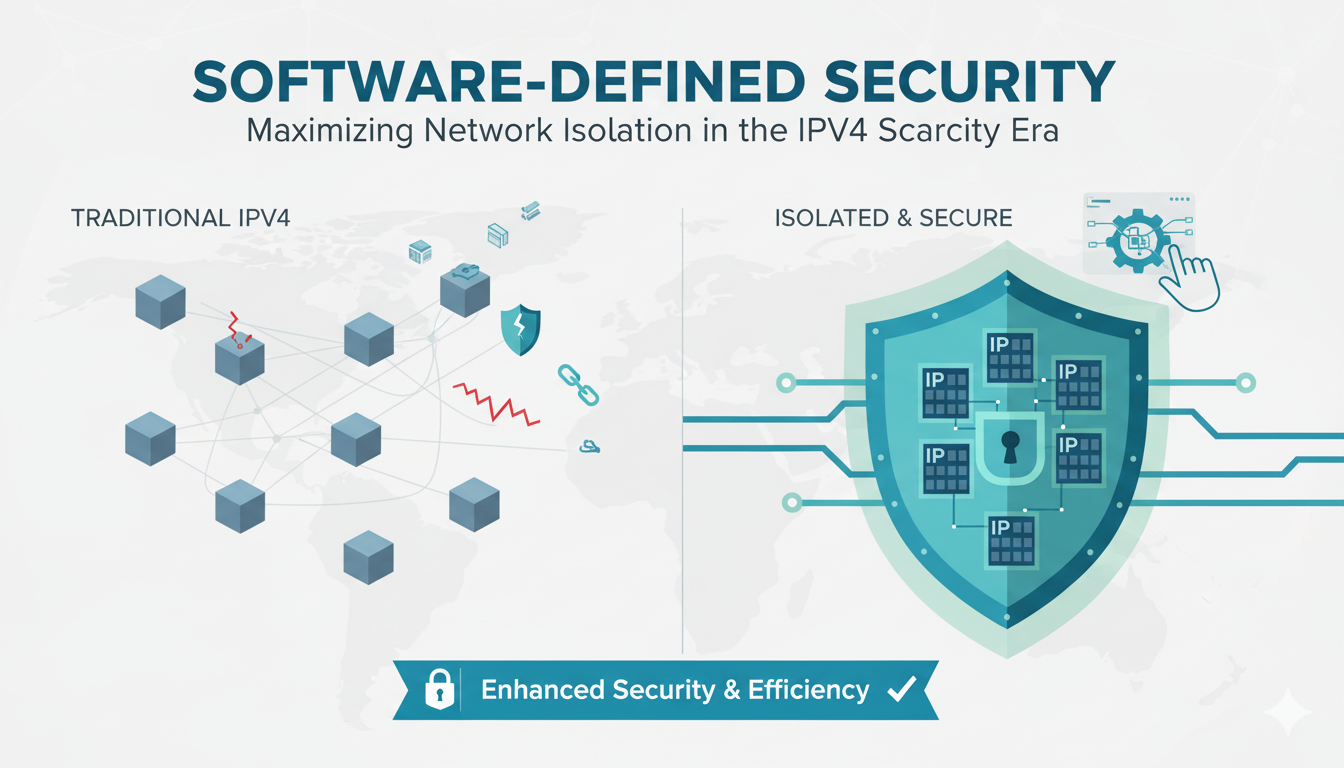
As CEO of InterLIR, I’ve witnessed firsthand how network isolation strategies

What is an ASN? ASN stands for Autonomous System Number. It is a unique identifier

Anycast DNS: A Leader’s Guide to Protecting Your Digital Infrastructure Executive

RPKI Certification: A Leader’s Guide to Internet Routing Security Executive

Executive Summary: What You Need to Know 🎯 Strategic Importance – Internet

When AWS DynamoDB failed in October 2025, thousands of businesses discovered that

Executive Summary: What You Need to Know 🎯 IP reputation directly impacts your
Live chat is provided by Intercom and is loaded only after you enable it. You can also contact us without enabling the chat.