As the global pool of IPv4 addresses nears exhaustion, ISPs and enterprises are increasingly turning to IPv4 leasing as a viable solution to address the growing scarcity. This strategy not only alleviates the immediate need for IP addresses but also presents significant economic benefits for businesses. Below, we explore the financial implications and strategic advantages of IPv4 leasing for Internet Service Providers (ISPs) and enterprises.

IPv4 addresses have become a valuable commodity, with market prices surging due to their limited availability. Buying large blocks of IP addresses has become prohibitively expensive, particularly for smaller ISPs or enterprises with limited capital. Leasing, therefore, offers a flexible and cost-effective alternative. Instead of making a large upfront investment, businesses can lease the IPs for a fraction of the cost, allowing them to allocate their capital to other critical areas of growth or innovation.
For enterprises, IPv4 leasing also improves cash flow management. Unlike purchasing, where a significant chunk of resources is tied up in a fixed asset, leasing allows companies to manage expenses on an ongoing basis. This is particularly beneficial for scaling operations or adjusting to fluctuating demand without being constrained by capital investments.
The dynamic nature of leasing ensures that ISPs and enterprises can quickly scale their networks in response to customer growth or service demands. This flexibility is particularly important for ISPs, whose customer base may rapidly expand or contract based on market conditions. Leasing IP addresses provides a scalable solution that allows ISPs to meet demand without the long-term commitment of purchasing IP blocks.
In contrast, purchasing IP addresses locks companies into long-term assets that may not be fully utilized if growth slows down. Leasing avoids this issue, giving companies the flexibility to scale up or down based on immediate needs, ensuring operational efficiency.
In the fast-evolving digital landscape, IPv6 adoption is expected to increase, potentially rendering IPv4 less critical in the future. This creates a risk for companies investing heavily in IPv4 addresses today. By leasing, businesses avoid the risk of holding onto a depreciating asset, allowing them to adjust as IPv6 adoption grows.
This is especially relevant for enterprises navigating global markets, where IPv6 adoption varies by region. Leasing enables companies to maintain IPv4 operations where needed while gradually transitioning to IPv6 in regions where it’s more prevalent.
For companies that possess significant unused IPv4 address blocks, leasing these assets can generate a new revenue stream. Large organizations that acquired vast IPv4 blocks during earlier stages of the internet can now monetize these resources by leasing them to ISPs or smaller enterprises in need. This allows organizations to leverage underutilized assets and turn them into profit centers.
ISPs and smaller businesses, in turn, benefit from gaining access to the IP resources they need to operate and expand, further driving the IPv4 leasing market. This mutually beneficial arrangement enhances operational efficiencies for both lessors and lessees.
| Aspect | IPv4 Leasing | IPv4 Purchasing |
| Initial Cost | Low, periodic payments | High, upfront capital investment |
| Cash Flow | Flexible, manageable expenses | Large upfront expenditure |
| Scalability | Highly scalable, quick adjustments | Limited by current address holdings |
| Asset Utilization | Possible revenue generation for lessors | Fixed asset, no revenue generation |
| Maintenance | None, managed by the leasing provider | Requires full management |
As more companies enter the leasing market, competition drives down leasing rates, making it an even more attractive option. Market liquidity for IP addresses has increased, allowing businesses to quickly access the resources they need without long lead times. Furthermore, the leasing model supports global internet expansion, particularly in regions where IPv4 addresses are scarce, enabling smaller ISPs in developing markets to grow.
The increase in IPv4 leasing also stabilizes the IPv4 marketplace by reducing volatility. The ability to lease instead of purchase reduces the price pressure on IPv4 blocks, making it easier for new entrants and smaller companies to access these resources. This dynamic creates a more equitable market, where even smaller players can compete with large ISPs and enterprises for IP addresses.
Despite the benefits, there are potential challenges associated with IPv4 leasing. These include:
IPv4 leasing offers a practical and cost-efficient solution for ISPs and enterprises navigating the challenges of limited IPv4 availability. It enables businesses to scale their operations flexibly, manage cash flow more effectively, and mitigate risks associated with long-term investments in IPv4 assets. As the transition to IPv6 continues, IPv4 leasing will remain a critical tool for organizations looking to bridge the gap between old and new technologies. Additionally, the economic benefits extend to those holding unused IP blocks, as leasing provides a new revenue stream.
With careful planning and consideration of leasing agreements, businesses can continue to thrive in the face of IPv4 scarcity while positioning themselves for future growth in an IPv6-dominant world.

Alexander Timokhin
COO

A Beginner’s Guide to Subnetting IPv4 and IPv6 Addresses Subnetting is a critical

Why IPv4 Leasing Is Becoming the Smart Choice for Businesses in 2025 1. Introduction
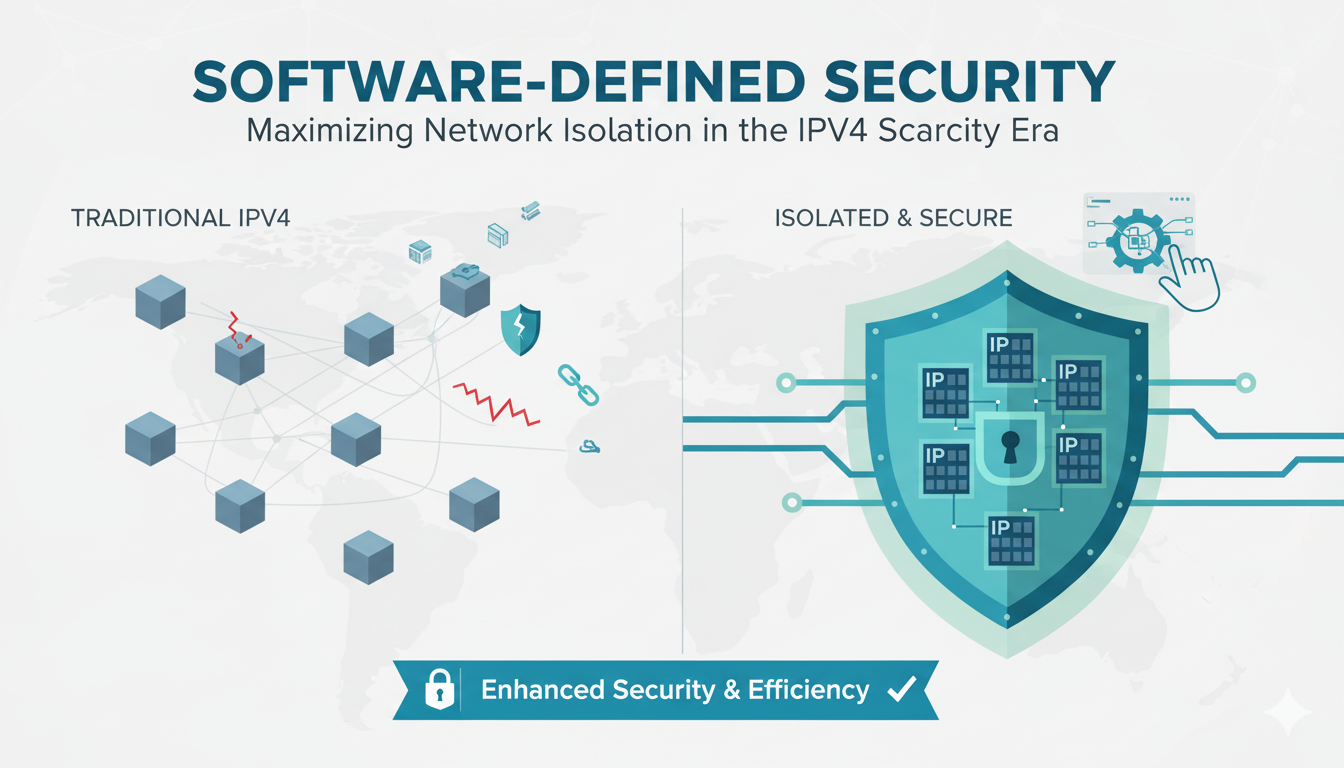
As CEO of InterLIR, I’ve witnessed firsthand how network isolation strategies

What is an ASN? ASN stands for Autonomous System Number. It is a unique identifier

Anycast DNS: A Leader’s Guide to Protecting Your Digital Infrastructure Executive

RPKI Certification: A Leader’s Guide to Internet Routing Security Executive

Executive Summary: What You Need to Know 🎯 Strategic Importance – Internet

When AWS DynamoDB failed in October 2025, thousands of businesses discovered that

Executive Summary: What You Need to Know 🎯 IP reputation directly impacts your
Live chat is provided by Intercom and is loaded only after you enable it. You can also contact us without enabling the chat.