In the digital age, IP addresses have become more than just technical identifiers. They have evolved into valuable digital assets, akin to gold or other precious commodities. As the internet continues to grow and the demand for online services surges, the scarcity of IPv4 addresses has driven up their prices.
IPv4, the older version of internet addressing, has a limited supply of approximately 4.3 billion addresses. With billions of devices connecting to the internet every day, it is becoming increasingly difficult to obtain new IPv4 addresses. This scarcity has created a unique market dynamic, where IPv4 addresses are highly sought after and can command significant value.
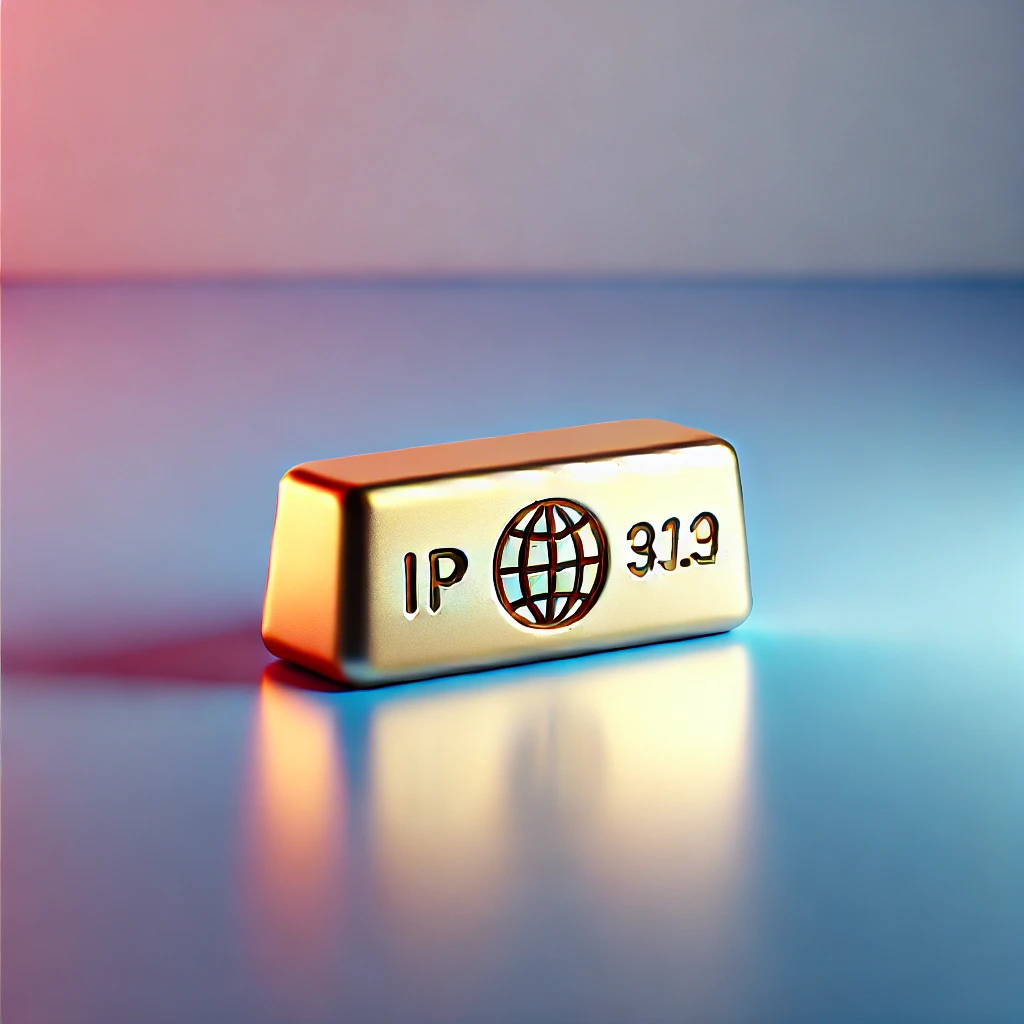
The limited supply of IPv4 addresses is a major factor contributing to their value. Unlike IPv6, which offers a virtually unlimited number of addresses, IPv4 has a finite address space. This scarcity has several implications:
The scarcity of IPv4 addresses has created a unique market dynamic, where these addresses have become valuable commodities.
The scarcity of IPv4 addresses has made them a valuable asset in the digital economy. Here are some of the reasons why IPv4 addresses are considered valuable:
Case studies have shown that businesses and individuals can benefit significantly from owning valuable IPv4 addresses. For example, some companies have generated substantial revenue by leasing their IPv4 addresses to other organizations that require additional IP space.
While IPv4 addresses are valuable assets, it is important to note that their value can fluctuate based on market conditions and other factors. It is crucial to conduct thorough research and consider the long-term implications before investing in IPv4 addresses.
| Feature | IPv4 | IPv6 |
| Address length | 32 bits | 128 bits |
| Number of addresses | Approximately 4.3 billion | Over 340 undecillion |
| Scarcity | High | Low |
| Market value | Generally higher | Lower |
| Use cases | Traditional internet services, data centers | IoT, 5G networks, future technologies |
This table highlights the key differences between IPv4 and IPv6. IPv4 has a limited address space, making it a scarce resource. IPv6, on the other hand, offers a virtually unlimited number of addresses. As a result, IPv4 addresses generally have a higher market value than IPv6 addresses. However, IPv6 is becoming increasingly important for future technologies and may gain value in the long run.
While IPv4 addresses currently hold significant value, the future of IP addresses may be shaped by the growing adoption of IPv6. IPv6 offers a vastly larger address space, making it a more scalable and future-proof option. As IPv4 addresses become increasingly scarce, IPv6 may become more valuable.
Additionally, the development of new technologies and applications could create new markets for IP addresses. For example, the Internet of Things (IoT) and 5G networks will require a massive number of IP addresses to connect billions of devices. These emerging technologies could drive up demand for both IPv4 and IPv6 addresses.
It’s important to note that the IP address market is constantly evolving. New technologies, regulations, and market trends can influence the value and demand for IP addresses. Staying informed about these developments is essential for businesses and individuals interested in investing in or utilizing IP addresses.
IPv4 addresses have emerged as a valuable digital asset in the 21st century due to their scarcity and demand. The limited supply of IPv4 addresses, coupled with the increasing number of connected devices, has driven up their prices.
Businesses and individuals can benefit from owning valuable IPv4 addresses by generating revenue through leasing or resale, gaining a strategic advantage, and potentially realizing long-term capital gains.
While IPv4 addresses currently hold significant value, it is important to consider the future of IP addressing. The growing adoption of IPv6 and the development of new technologies could impact the value and demand for IP addresses.
By understanding the factors influencing IP address prices and staying informed about market trends, businesses and individuals can make informed decisions regarding their IP address investments.

Alexei Krylov Nikiforov
Sales manager

A Beginner’s Guide to Subnetting IPv4 and IPv6 Addresses Subnetting is a critical

Why IPv4 Leasing Is Becoming the Smart Choice for Businesses in 2025 1. Introduction
As CEO of InterLIR, I’ve witnessed firsthand how network isolation strategies
What is an ASN? ASN stands for Autonomous System Number. It is a unique identifier

Anycast DNS: A Leader’s Guide to Protecting Your Digital Infrastructure Executive

RPKI Certification: A Leader’s Guide to Internet Routing Security Executive

Executive Summary: What You Need to Know 🎯 Strategic Importance – Internet

When AWS DynamoDB failed in October 2025, thousands of businesses discovered that

Executive Summary: What You Need to Know 🎯 IP reputation directly impacts your
Live chat is provided by Intercom and is loaded only after you enable it. You can also contact us without enabling the chat.