Network Address Translation (NAT) is a technique used to conserve IPv4 addresses by allowing multiple devices to share a single public IP address. As businesses transition to IPv6, NAT can play a role in facilitating this process.
However, NAT also presents certain challenges and limitations when used with IPv6.

NAT is a network technology that translates private IP addresses into public IP addresses. This allows multiple devices within a private network to share a single public IP address, conserving IPv4 addresses.
While NAT was initially designed to address the scarcity of IPv4 addresses, its role in IPv6 transitions is more complex. IPv6 was designed with an abundance of addresses, making NAT less necessary. However, there are still scenarios where NAT can be used in IPv6 environments.
| Feature | IPv4 | IPv6 |
| Purpose | Conserving IPv4 addresses | Facilitating IPv6 deployment |
| Challenges | Can introduce security risks | May not be ideal for certain applications |
While NAT is less commonly used in IPv6 environments due to the abundance of addresses, there are certain scenarios where it may be beneficial. Here are some best practices to consider when using NAT with IPv6:
While NAT can be used in certain IPv6 environments, it is generally preferable to avoid it whenever possible. Here are some alternative approaches for IPv6 transition:
NAT can play a role in IPv6 transitions, but it is generally preferable to avoid it whenever possible. By following best practices and exploring alternative approaches, businesses can effectively transition to IPv6 while minimizing the risks and challenges associated with NAT.

Alexei Krylov Nikiforov
Sales manager

A Beginner’s Guide to Subnetting IPv4 and IPv6 Addresses Subnetting is a critical

Why IPv4 Leasing Is Becoming the Smart Choice for Businesses in 2025 1. Introduction
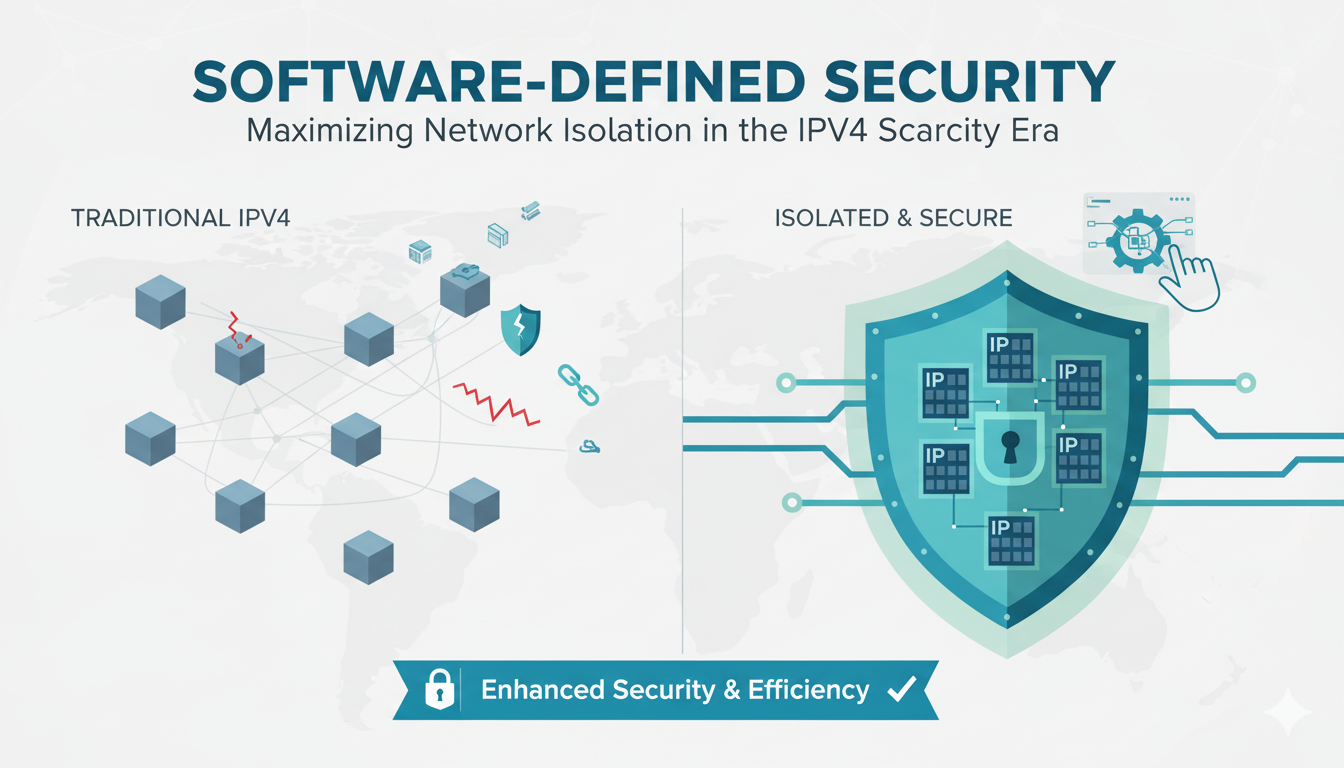
As CEO of InterLIR, I’ve witnessed firsthand how network isolation strategies

What is an ASN? ASN stands for Autonomous System Number. It is a unique identifier

Anycast DNS: A Leader’s Guide to Protecting Your Digital Infrastructure Executive

RPKI Certification: A Leader’s Guide to Internet Routing Security Executive

Executive Summary: What You Need to Know 🎯 Strategic Importance – Internet

When AWS DynamoDB failed in October 2025, thousands of businesses discovered that

Executive Summary: What You Need to Know 🎯 IP reputation directly impacts your
Live chat is provided by Intercom and is loaded only after you enable it. You can also contact us without enabling the chat.