Regional Internet Registries (RIRs) play a crucial role in the allocation and management of IP addresses worldwide. These organizations have evolved over time to address the changing landscape of internet addressing and ensure the efficient distribution of IP resources.

Regional Internet Registries (RIRs) are responsible for allocating IP addresses within their respective regions. There are five RIRs worldwide:
RIR policies govern the allocation, assignment, and transfer of IP addresses within their regions. These policies are designed to ensure the efficient and equitable distribution of IP resources and to promote the growth and development of the internet.
Over the years, RIR policies have evolved to address the changing needs of the internet community. As the demand for IP addresses has increased, RIRs have implemented various strategies to manage the allocation of resources and ensure that the internet continues to grow and expand.
| Year | Key Policy Changes |
| 2000 | Introduction of IPv6 allocation policies to address the growing demand for IP addresses. |
| 2005 | Implementation of transfer policies to allow the transfer of IPv4 addresses between organizations. |
| 2010 | Adoption of last-available address policies to ensure the efficient allocation of IPv4 addresses. |
| 2015 | Increased focus on IPv6 deployment and adoption, with incentives and best practices being promoted. |
| 2020 | Introduction of new policies to address the challenges of IPv4 address exhaustion and the transition to IPv6. |
| 2025 (projected) | Continued focus on IPv6 deployment and the development of new allocation policies to meet the evolving needs of the internet. |
This table highlights some of the key policy changes introduced by RIRs over the years. As the internet has grown and evolved, RIRs have adapted their policies to ensure the efficient and equitable allocation of IP addresses.
Several factors have influenced the evolution of RIR policies over time. These include:
These factors have all played a role in shaping the evolution of RIR policies. As the internet continues to evolve, RIRs will need to adapt their policies to meet the changing needs of the internet community.
RIR policies continue to evolve to address the challenges and opportunities presented by the growing internet. Some of the key challenges facing RIRs today include:
To address these challenges, RIRs are implementing various strategies, including:
As the internet continues to evolve, RIR policies will need to adapt to meet the changing needs of the internet community. Some potential future trends in RIR policies include:
As the internet continues to evolve, RIRs will need to remain adaptable and innovative to ensure that they can meet the challenges and opportunities of the future.

Alexei Krylov Nikiforov
Sales manager

A Beginner’s Guide to Subnetting IPv4 and IPv6 Addresses Subnetting is a critical

Why IPv4 Leasing Is Becoming the Smart Choice for Businesses in 2025 1. Introduction
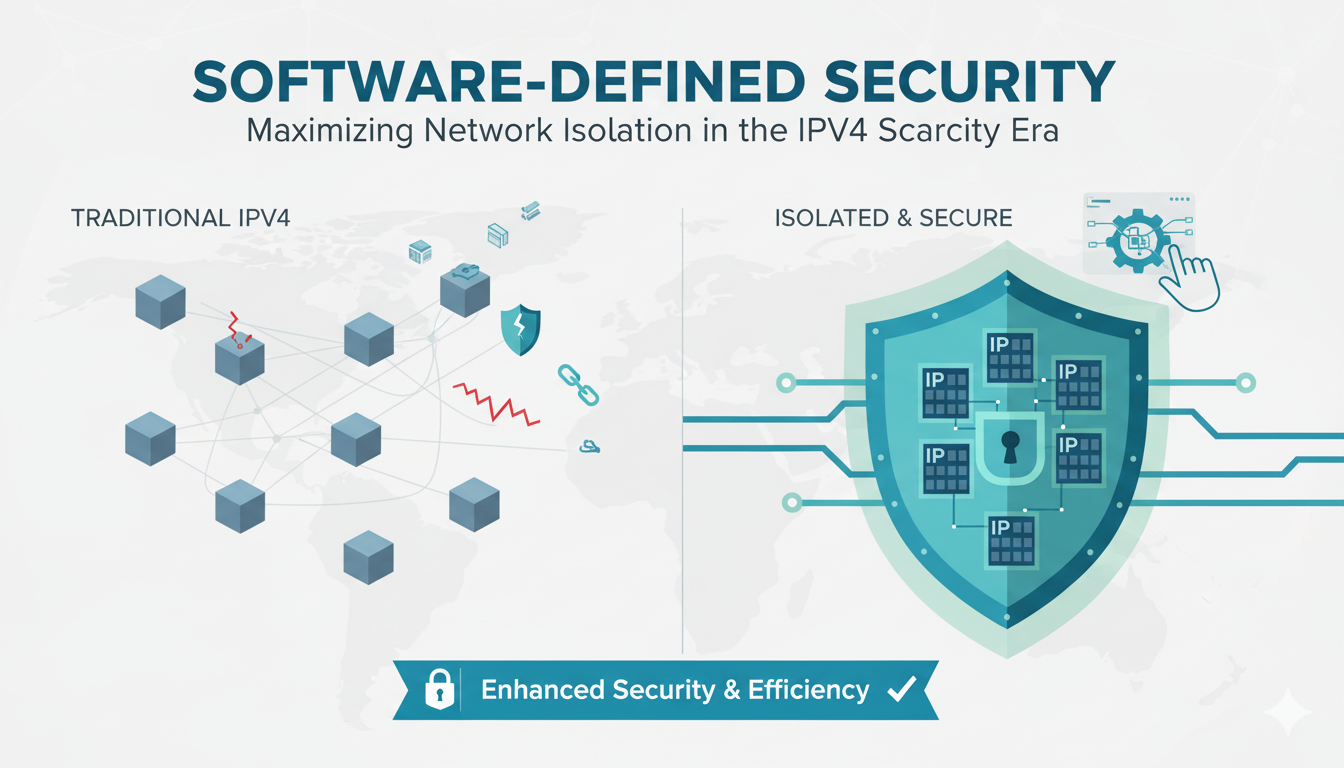
As CEO of InterLIR, I’ve witnessed firsthand how network isolation strategies

What is an ASN? ASN stands for Autonomous System Number. It is a unique identifier

Anycast DNS: A Leader’s Guide to Protecting Your Digital Infrastructure Executive

RPKI Certification: A Leader’s Guide to Internet Routing Security Executive

Executive Summary: What You Need to Know 🎯 Strategic Importance – Internet

When AWS DynamoDB failed in October 2025, thousands of businesses discovered that

Executive Summary: What You Need to Know 🎯 IP reputation directly impacts your
Live chat is provided by Intercom and is loaded only after you enable it. You can also contact us without enabling the chat.