IP management is a critical function for businesses of all sizes, ensuring efficient network operations, security, and resource utilization. However, the rapid pace of technological advancements is transforming the landscape of IP management.
IP management encompasses various tasks related to the allocation, tracking, and security of IP addresses within a network. Key functions of IP management include:
Traditional IP management methods often involve manual processes and can be time-consuming and error-prone. Emerging technologies offer innovative solutions to address these challenges.
| Function | Description |
| IP address allocation | Assigning IP addresses to devices. |
| IP address tracking | Monitoring IP address usage and availability. |
| IP address security | Protecting IP addresses from unauthorized access. |
| Network performance optimization | Ensuring efficient network operations. |
Several emerging technologies are significantly impacting the way businesses manage IP addresses. These technologies include:
Artificial intelligence (AI) is revolutionizing the way businesses manage IP addresses. AI can automate many IP management tasks, such as IP address allocation and tracking. This can free up IT staff to focus on more strategic tasks.
AI can also use predictive analytics to optimize network performance. By analyzing historical data, AI can identify patterns and trends that can be used to predict future network behavior. This information can be used to proactively address potential issues and optimize network performance.
In addition, AI can enhance security capabilities. AI can be used to detect and respond to security threats more quickly than traditional methods. For example, AI can be used to identify unusual patterns of IP address traffic that may indicate a security breach.
The Internet of Things (IoT) is a growing trend that is increasing the demand for IP addresses. IoT devices, such as smart home devices, industrial sensors, and wearable technology, require IP addresses to communicate with each other and with the internet.
Managing IP addresses for IoT devices can be challenging due to the large number of devices involved and the unique IP address requirements of these devices. IoT devices often have limited processing power and memory, which can make it difficult to manage IP addresses using traditional methods.
To address these challenges, businesses can use specialized IPAM solutions that are designed to support IoT. These solutions can automate many IP management tasks, such as IP address allocation and tracking. They can also help to ensure that IP addresses are allocated efficiently and securely.
Cloud computing has become increasingly popular in recent years, as businesses seek to reduce costs and improve flexibility. Cloud-based IPAM solutions can simplify IP management for businesses that have a significant cloud presence.
These solutions can automate many IP management tasks, such as IP address allocation and tracking. They can also provide better visibility into IP address usage. This can help businesses to optimize their IP address utilization and reduce costs.
In addition, cloud-based IPAM solutions can help to improve security. These solutions can be used to monitor IP address traffic and detect potential security threats.
5G networks are expected to have a significant impact on the way businesses use IP addresses. 5G networks will require a large number of IP addresses to support their high-speed capabilities. This will increase the demand for IP addresses and make IP management more challenging.
To address the challenges of IP management in 5G networks, businesses will need to use advanced IPAM solutions. These solutions must be able to handle the increased demand for IP addresses and provide the flexibility needed to support the unique requirements of 5G networks.
IP management is a critical task for businesses of all sizes. It is important to have a well-defined IP management strategy in place to ensure that IP addresses are allocated efficiently and securely.
Emerging technologies, such as AI, IoT, cloud computing, and 5G networks, are changing the way businesses manage IP addresses. Businesses must be prepared to adapt their IP management strategies to meet the challenges and opportunities presented by these technologies.
By using advanced IPAM solutions and best practices, businesses can effectively manage their IP addresses and ensure the success of their network operations.

Alexei Krylov Nikiforov
Sales manager

A Beginner’s Guide to Subnetting IPv4 and IPv6 Addresses Subnetting is a critical

Why IPv4 Leasing Is Becoming the Smart Choice for Businesses in 2025 1. Introduction
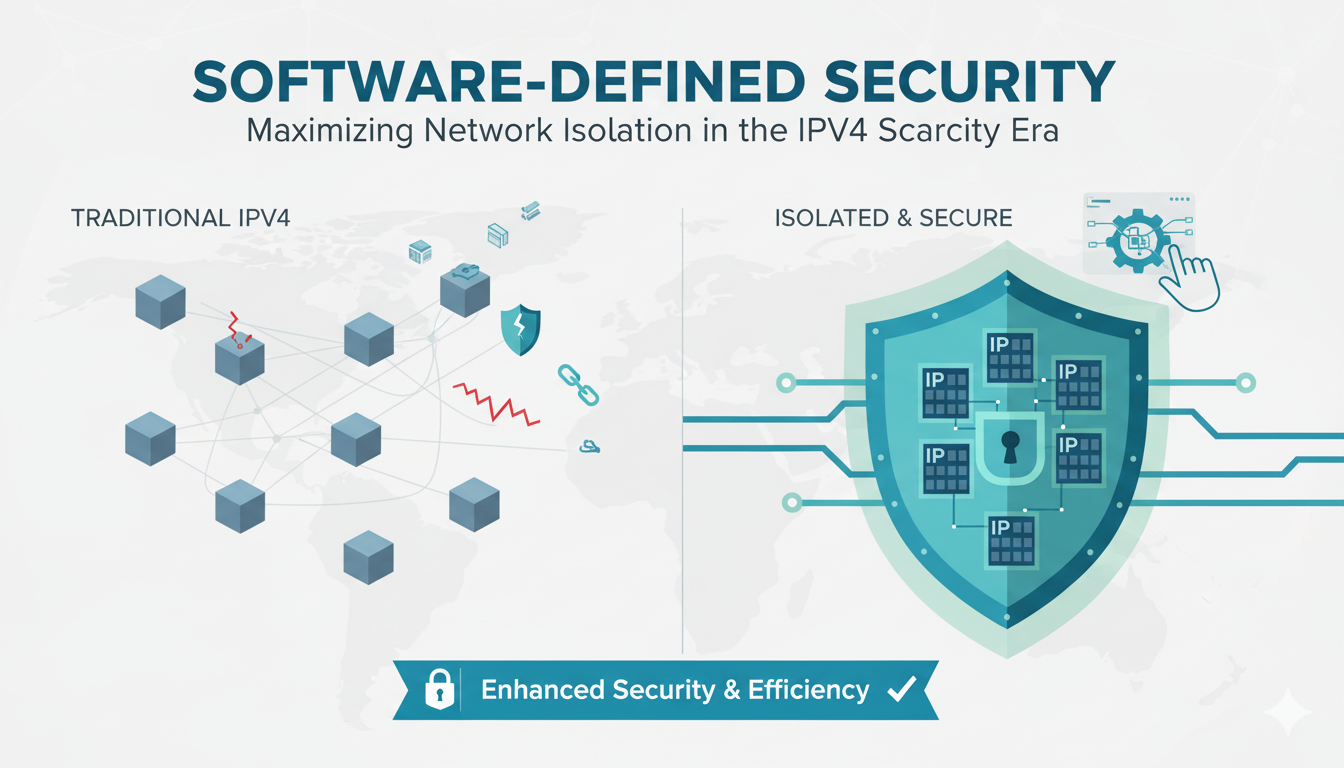
As CEO of InterLIR, I’ve witnessed firsthand how network isolation strategies
What is an ASN? ASN stands for Autonomous System Number. It is a unique identifier

Anycast DNS: A Leader’s Guide to Protecting Your Digital Infrastructure Executive

RPKI Certification: A Leader’s Guide to Internet Routing Security Executive

Executive Summary: What You Need to Know 🎯 Strategic Importance – Internet

When AWS DynamoDB failed in October 2025, thousands of businesses discovered that

Executive Summary: What You Need to Know 🎯 IP reputation directly impacts your
Live chat is provided by Intercom and is loaded only after you enable it. You can also contact us without enabling the chat.