Blockchain technology has revolutionized industries such as finance and supply chain management. Now, it is poised to transform the world of IP address management (IPAM). By leveraging the power of blockchain, businesses can address the challenges of traditional IPAM methods and improve network efficiency, security, and transparency.
Blockchain is a distributed ledger technology that records transactions in a secure and transparent manner. Key characteristics of blockchain include:
These characteristics make blockchain an ideal technology for applications that require trust, security, and transparency.
Traditional IP address management methods can be complex, inefficient, and vulnerable to security threats. Some of the key challenges include:
Blockchain can offer innovative solutions to address these challenges.
Blockchain can offer several benefits for IP address management, including:
By leveraging blockchain, businesses can improve the security, transparency, and efficiency of their IP address management practices.
| Benefit | Explanation |
| Transparency and traceability | Blockchain provides a transparent and immutable record of IP address transactions. |
| Enhanced security | Blockchain technology is inherently secure, making it difficult to tamper with or hack. |
| Improved efficiency | Blockchain can automate IP address management tasks, reducing manual errors and improving efficiency. |
| Decentralized IP address management | Blockchain can enable decentralized IP address management, reducing reliance on centralized authorities. |
This table summarizes the key benefits that blockchain can offer for IP address management.
While blockchain technology is still relatively new, there are already several examples of businesses and organizations experimenting with its use for IP address management. Here are a few case studies:
These case studies demonstrate the potential of blockchain to revolutionize the way IP addresses are managed. As blockchain technology continues to evolve, we can expect to see even more innovative applications in the future.
As blockchain technology continues to mature, we can expect to see several emerging trends in its application to IP address management:
Overall, the future of blockchain in IP address management looks promising. By leveraging the power of this innovative technology, businesses can improve the security, efficiency, and transparency of their IP address management practices.

Alexei Krylov Nikiforov
Sales manager

A Beginner’s Guide to Subnetting IPv4 and IPv6 Addresses Subnetting is a critical

Why IPv4 Leasing Is Becoming the Smart Choice for Businesses in 2025 1. Introduction
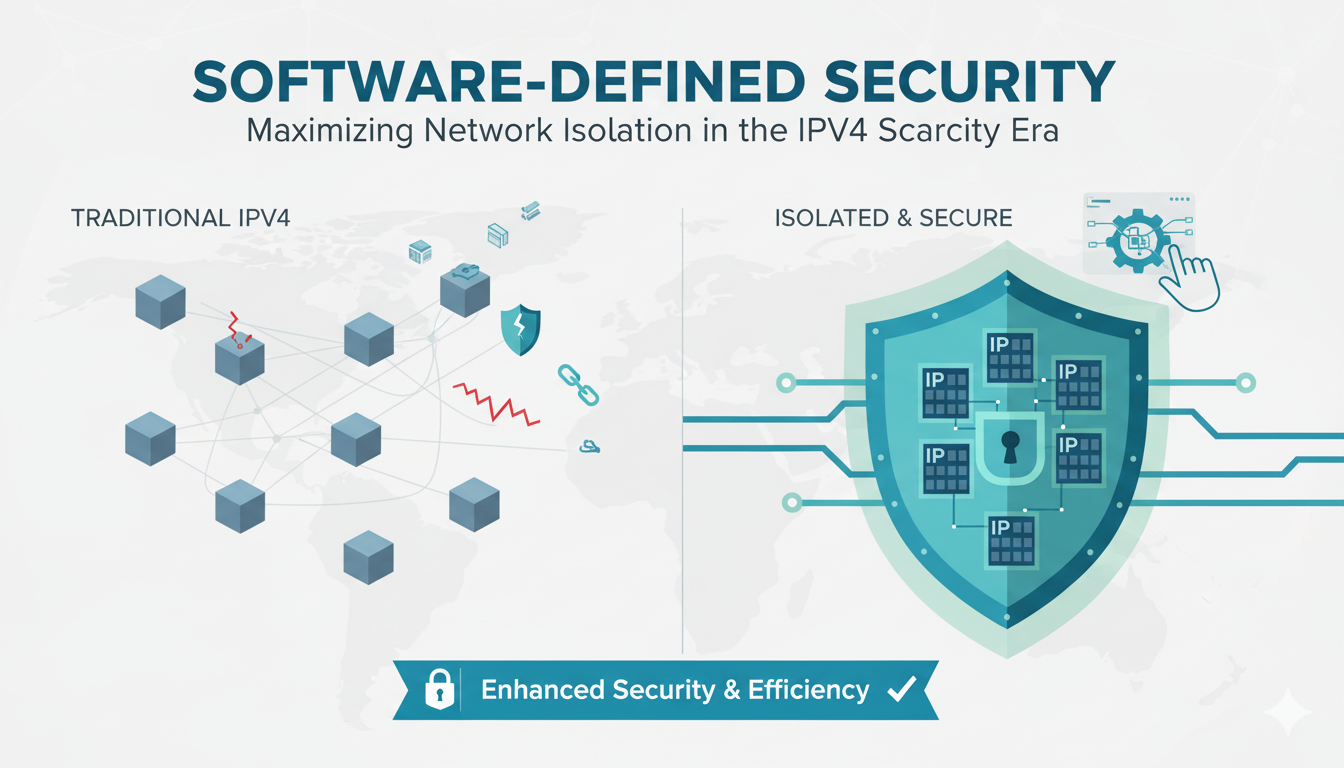
As CEO of InterLIR, I’ve witnessed firsthand how network isolation strategies
What is an ASN? ASN stands for Autonomous System Number. It is a unique identifier

Anycast DNS: A Leader’s Guide to Protecting Your Digital Infrastructure Executive

RPKI Certification: A Leader’s Guide to Internet Routing Security Executive

Executive Summary: What You Need to Know 🎯 Strategic Importance – Internet

When AWS DynamoDB failed in October 2025, thousands of businesses discovered that

Executive Summary: What You Need to Know 🎯 IP reputation directly impacts your
Live chat is provided by Intercom and is loaded only after you enable it. You can also contact us without enabling the chat.