IP addresses are essential for connecting devices to the internet. Businesses must carefully consider their IP address needs to ensure optimal network performance and security. There are two main types of IP addresses: static and dynamic.

Static IP addresses are assigned permanently to a device. This means that the IP address remains the same over time, regardless of the device’s connection to the network. Static IPs are often used for servers, routers, and other critical network devices.
Dynamic IP addresses are assigned temporarily to a device when it connects to a network. The IP address may change each time the device connects or disconnects from the network. Dynamic IPs are commonly used for individual computers, smartphones, and other devices that connect to the internet intermittently.
| Feature | Static IP | Dynamic IP |
| Assignment | Assigned permanently | Assigned temporarily |
| Cost | Typically more expensive | Typically less expensive |
| Control | More control over IP address | Less control over IP address |
| Security | Can be more secure with proper configuration | May pose security risks if not managed properly |
When deciding between static and dynamic IP addresses, businesses should consider the following factors:
Static IP addresses are well-suited for the following use cases:
Dynamic IP addresses are suitable for the following use cases:
In some cases, businesses may benefit from a hybrid approach that combines static and dynamic IP addresses. This can be useful for businesses that need to balance the benefits of static IP addresses with the flexibility and scalability of dynamic IP addresses.
One common hybrid approach is to use a static IP address for critical network devices, such as servers and routers, while using dynamic IP addresses for other devices. This can help to improve security and reliability while still allowing for flexibility in network management.
Another hybrid approach is to use a static IP address for a specific range of devices within a network. This can be useful for businesses that need to provide consistent access to certain devices or applications.
The choice between static and dynamic IP addresses depends on the specific needs of a business. By carefully considering the factors discussed in this article, businesses can make informed decisions about their IP address infrastructure.
Static IP addresses offer greater control, security, and consistency, but they can be more expensive and less scalable. Dynamic IP addresses are more flexible and scalable, but they may pose security risks if not managed properly.
In some cases, a hybrid approach that combines static and dynamic IP addresses may be the best option. By understanding the advantages and disadvantages of both types of IP addresses, businesses can ensure that their network infrastructure meets their specific requirements.

Alexei Krylov Nikiforov
Sales manager

A Beginner’s Guide to Subnetting IPv4 and IPv6 Addresses Subnetting is a critical

Why IPv4 Leasing Is Becoming the Smart Choice for Businesses in 2025 1. Introduction
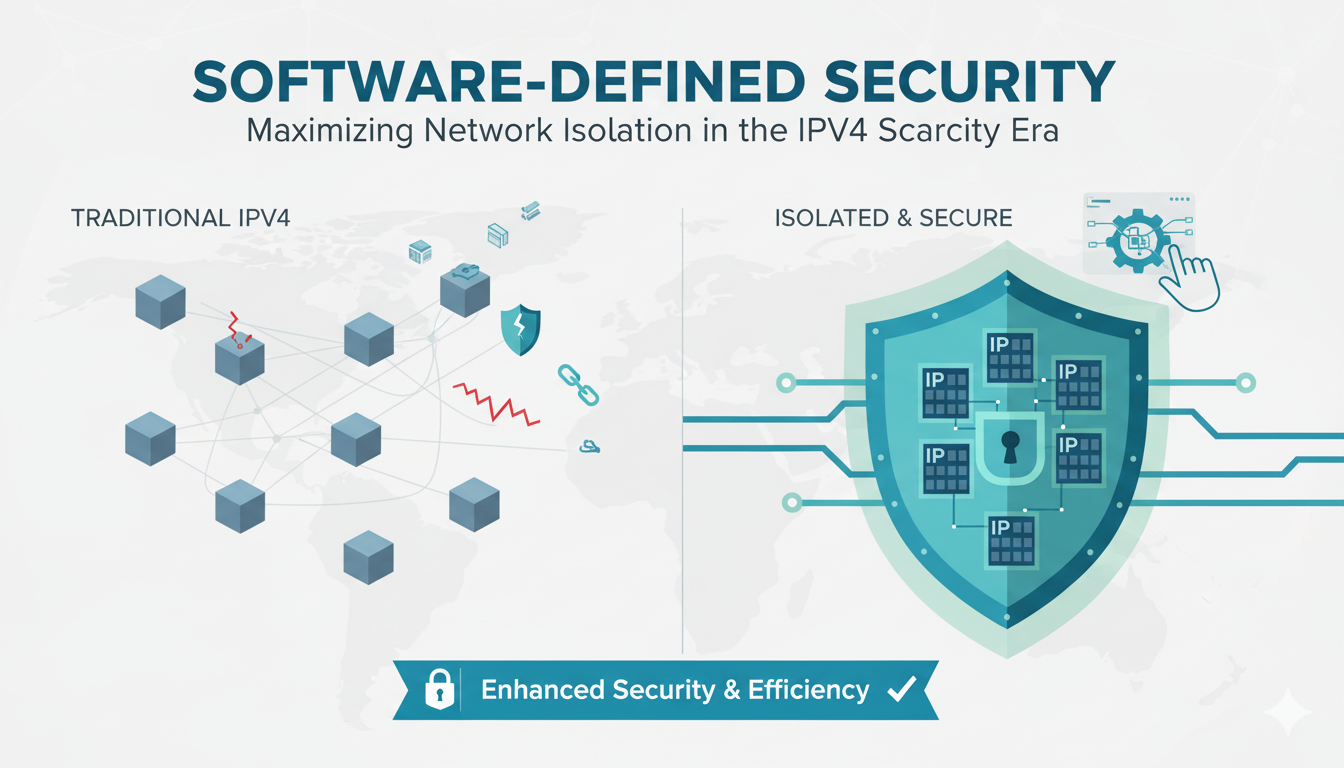
As CEO of InterLIR, I’ve witnessed firsthand how network isolation strategies

What is an ASN? ASN stands for Autonomous System Number. It is a unique identifier

Anycast DNS: A Leader’s Guide to Protecting Your Digital Infrastructure Executive

RPKI Certification: A Leader’s Guide to Internet Routing Security Executive

Executive Summary: What You Need to Know 🎯 Strategic Importance – Internet

When AWS DynamoDB failed in October 2025, thousands of businesses discovered that

Executive Summary: What You Need to Know 🎯 IP reputation directly impacts your
Live chat is provided by Intercom and is loaded only after you enable it. You can also contact us without enabling the chat.